
Transitioning your toddler from a bottle to a straw cup is a major developmental milestone. During this phase, many parents compare the Hegen straw bottle against other popular brands. The choice often comes down to how different materials perform under the stress of daily use, frequent sterilization, and the enthusiastic chewing of a teething child.
Selecting the right straw cup requires looking past attractive designs to focus on physical material properties. The base plastic, the flexibility of the silicone straw, and the complexity of the valve system all play critical roles in how long the bottle will last. Evaluating these components systematically helps you avoid the frustration of premature wear, leaks, or unexpected replacement costs.
This guide provides a practical framework to compare Hegen’s signature materials with common alternatives like Tritan and Polypropylene (PP). You will learn how to verify safety declarations, inspect components for wear, and calculate the true cost of ownership. Armed with these objective criteria, you can make an informed decision that aligns with your child’s developmental stage and your household’s daily routine.
Products mentioned in this guide
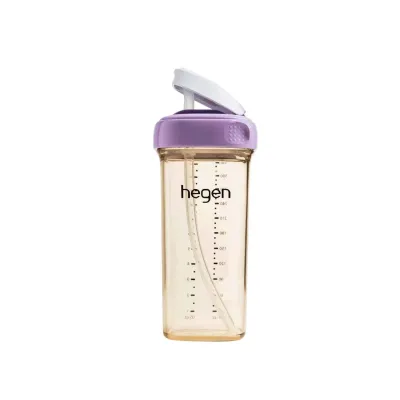
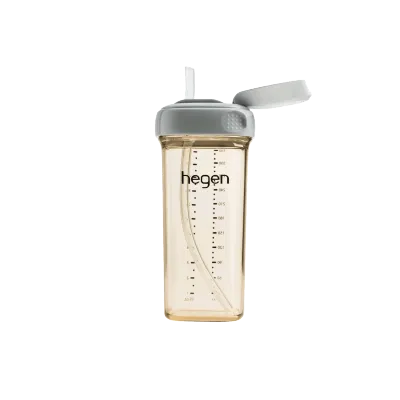
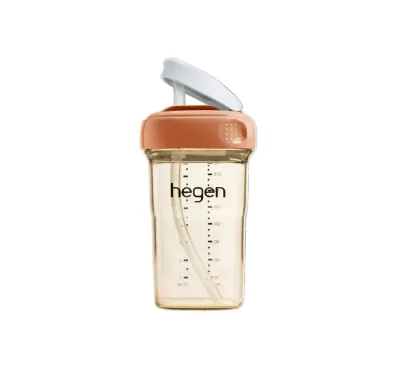
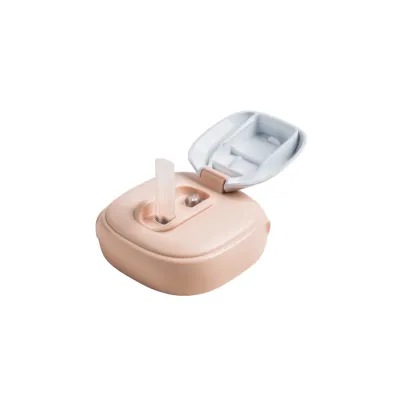
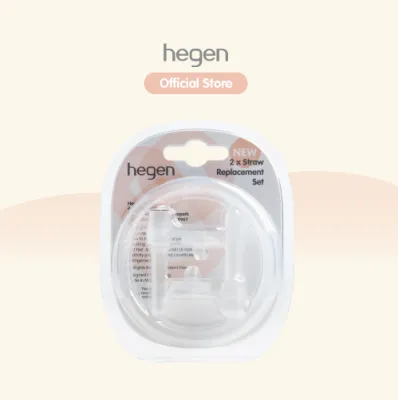
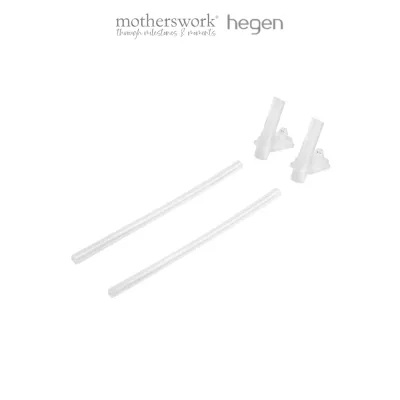
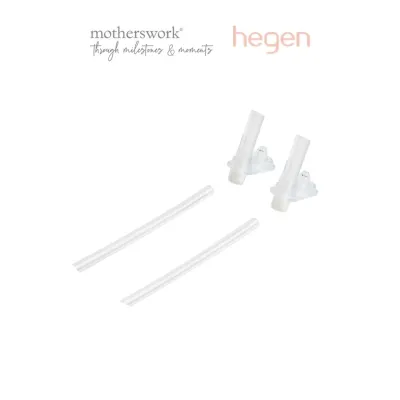
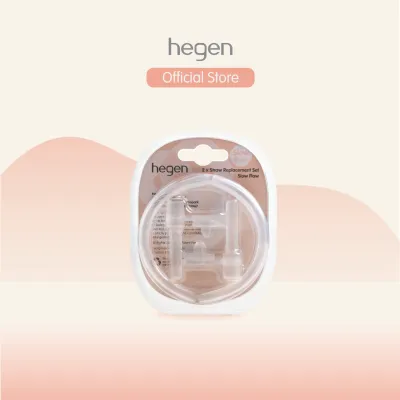
Prices are valid at publication and may change. Please refer to the product page for the latest price.
Comparing Base Materials: PPSU, Tritan, and PP
The foundation of any premium straw bottle is its plastic body. Hegen primarily utilizes Polyphenylsulfone (PPSU), a high-performance thermoplastic known for its distinct honey-colored tint. In contrast, many competing brands opt for Tritan (a co-polyester known for glass-like clarity) or Polypropylene (PP, a semi-opaque, highly flexible plastic). Understanding the inherent characteristics of these three materials is the first step in comparing your options.
PPSU is highly regarded for its exceptional thermal stability and mechanical durability. It withstands repeated steam, boiling, and ultraviolet (UV) sterilization cycles without degrading. This makes it a strong option for parents prioritizing rigorous sanitation, though it carries a higher initial price tag.
Tritan offers a completely clear, glass-like appearance that allows you to easily monitor your child’s fluid intake. It is highly resistant to shattering and does not retain odors or stains from juices or milk. While Tritan is durable under normal conditions, its heat tolerance is typically lower than that of PPSU. Parents using Tritan bottles must carefully check the manufacturer’s instructions, as some Tritan variants can warp or craze if subjected to high-temperature steam sterilizers or prolonged boiling.
Polypropylene (PP) is the most common and budget-friendly plastic used in baby bottles. It is lightweight and slightly flexible, which can make it highly drop-resistant. However, PP has a lower scratch resistance and a shorter lifespan compared to both PPSU and Tritan. Over time, repeated scrubbing and sterilization can cause PP to become cloudy and develop micro-scratches where bacteria can accumulate, requiring more frequent replacement of the bottle body.
To determine the exact limits of your chosen bottle, always inspect the packaging or the manufacturer’s official user manual for specific temperature thresholds. Look for the plastic recycling code molded into the bottom of the bottle: number 7 is typically used for PPSU and Tritan (often labeled with the material name nearby), while number 5 designates PP. Verifying these markings ensures you do not accidentally damage the bottle during your daily cleaning and sterilization routine.
Safety Checks and Durability: Beyond the Marketing Claims
Marketing terms like “non-toxic” or “child-safe” are common, but parents need concrete ways to verify these claims. When evaluating any straw bottle, check the physical packaging or official brand documentation for explicit “BPA-free” and “BPS-free” declarations. Bisphenol A (BPA) and Bisphenol S (BPS) are chemical compounds used in some plastics that parents prefer to avoid, making verified labels a baseline requirement.

Beyond the plastic bottle, the silicone components—such as the straw, spout, and internal valves—require close safety scrutiny. Silicone is soft and gentle on developing gums but is susceptible to wear. Establish a weekly inspection routine: wash your hands, then gently stretch the silicone straw and spout under a bright light. Look closely for micro-tears, thinning areas, or changes in texture, which are early signs of material fatigue.
A damaged silicone straw poses a choking hazard if a piece tears off while your child is drinking. If you notice cracks, bite marks, or a sticky texture on the silicone, discontinue use immediately and replace the component. Pay special attention to anti-colic valves or spill-proof slits, as these delicate areas are prone to tearing during cleaning with straw brushes.
Always cross-reference the bottle’s design with your child’s developmental stage. Manufacturers provide age-grading recommendations (such as 9 months+ or 12 months+) based on flow rate and physical coordination. Using a bottle that is not age-appropriate can lead to frustration, coughing, or excessive air ingestion. Never ignore these warnings, and always supervise your child during drinking transitions to prevent excessive chewing on soft parts.
Evaluating Value: Initial Price vs. Replacement Costs in S$
When comparing the financial aspect of these bottles, looking only at the initial retail price can be misleading. In Singapore, a single Hegen straw bottle typically ranges from S$35 to S$45, depending on the retailer and set configuration. In contrast, alternative straw bottles made of Tritan or PP often range from S$15 to S$30. While the upfront savings of alternative brands are clear, the long-term cost of ownership depends heavily on durability and replacement parts.
Because silicone straws and valves are wear-and-tear items, you will need to replace them periodically. Before purchasing, research the local availability and pricing of official replacement packs. For some brands, a pack of replacement straws costs S$10 to S$15, while others are harder to source locally, forcing you to pay high shipping fees or buy an entirely new bottle. Ensure replacement parts are easily accessible in Singapore’s retail stores or online marketplaces.
Another factor is the time and effort required for daily maintenance. Some straw bottles feature complex multi-piece assemblies, including gravity balls, weighted bases, sliding lids, and intricate internal valves. While these features prevent leaks when the bottle is held upside down, they also mean more parts to disassemble, scrub, and sterilize.
A bottle with fewer, simpler parts reduces the risk of mold growth in hard-to-reach crevices and saves time. Hegen’s design philosophy emphasizes a modular system with a simple twist-to-open mechanism and minimal parts, which saves cleaning time. However, if your child requires a weighted straw to drink at any angle, an alternative brand with a gravity ball system might be necessary despite the extra cleaning steps.
Decision Matrix: When to Choose Hegen or Alternatives
To help streamline your decision, consider how your child’s habits and your household preferences align with the strengths of each bottle type. There is no single option that suits every family, so identifying your primary constraints will guide you to the right choice.
Choose Hegen if:
- You prioritize the high heat resistance and long-term durability of PPSU plastic.
- You already use the Hegen ecosystem, allowing you to swap lids, collars, and bottles seamlessly as your child grows from feeding to snacking.
- You prefer a streamlined, square-shaped bottle that is easy for small hands to grip and simple to clean with fewer separate parts.
- You are comfortable investing a premium upfront price in S$ for a bottle designed to last through multiple developmental stages.
Choose Alternatives if:
- You want to minimize your initial financial investment with a lower upfront cost.
- You prefer the lightweight feel and clarity of Tritan, or the bounce-back flexibility of PP for outdoor play.
- Your child prefers a specific spout shape, such as a weighted gravity straw that allows drinking while lying down, which may not be available in the standard Hegen lineup.
- You want a wide variety of bright colors, patterns, or built-in handles that appeal directly to your toddler.
Verify first if:
- Your child is an aggressive chewer who is likely to bite through soft silicone quickly; in this case, look for brands that offer reinforced, bite-resistant spouts.
- Your household relies heavily on a dishwasher or high-heat steam sterilizer, requiring you to verify the exact temperature limits of every single component before purchase.
- The replacement parts are readily available in your local area so you can quickly swap out worn straws without disruption.
Frequently Asked Questions (FAQ)
Are Hegen straw bottles dishwasher safe?
Yes, but with specific precautions. While the PPSU bottle body can withstand high temperatures, you must check the manufacturer’s guidelines for the dishwasher compatibility of all components. It is generally recommended to place the silicone straw, collar, and lid on the top rack of the dishwasher to keep them away from the intense heat of the bottom heating element. To prevent premature wear, warping, or discoloration from food pigments, many parents find that hand-washing the soft silicone parts with mild baby bottle detergent and a dedicated straw brush is the safest way to extend their lifespan.
What should I do if my child bites through the silicone straw?
If you discover any bite marks, tears, or missing pieces on the silicone straw, you must take immediate action. Remove the bottle from your child’s reach and discard the damaged straw assembly straight away to eliminate any choking hazard. Inspect your child’s mouth to ensure no loose silicone fragments remain. To prevent this issue from recurring, supervise your child closely during drinking times and gently redirect them if they begin to chew on the spout. If the behavior continues, consider transitioning temporarily to a harder, bite-resistant spout or a free-flowing cup designed for teething toddlers.

Community discussion
Share your experience or ask a question. Comments are reviewed before publication.