
Selecting the right baby bottle material is a foundational decision for new parents, directly impacting daily feeding convenience, sterilization safety, and long-term household budgeting. When deciding between polyphenylsulfone (PPSU), glass, and polypropylene (PP) bottles, there is no single universally superior material. The ideal choice depends on your baby’s developmental stage, your home sterilization setup, and how the bottles are handled during daily routines.
While premium options like the Hegen PPSU bottle offer distinct advantages in terms of durability, heat resistance, and lightweight handling, traditional glass and budget-friendly PP bottles also serve valuable roles in a feeding rotation. To make an informed choice, caregivers must evaluate the physical properties, safety profiles, and practical maintenance requirements of each material. This guide breaks down these verifiable characteristics to help you match manufacturer specifications with your family’s daily needs.
Understanding the Core Materials: PPSU, Glass, and PP
PPSU (Polyphenylsulfone) is a high-performance, medical-grade thermoplastic widely used in premium baby bottles. It is easily recognizable by its natural, warm honey-tinted or amber coloration, which is an inherent characteristic of the raw material rather than an added dye. PPSU combines the lightweight convenience of plastic with the robust durability and heat resistance typically associated with glass. It is highly shatterproof and can withstand repeated exposure to high-temperature sterilization without degrading structurally.
Products mentioned in this guide
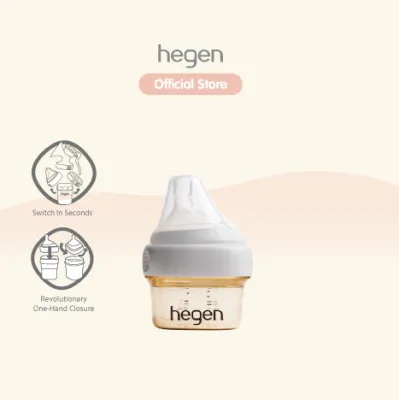
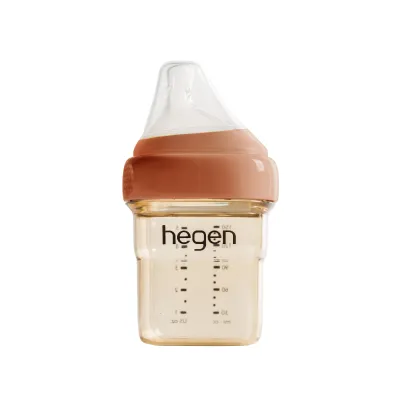
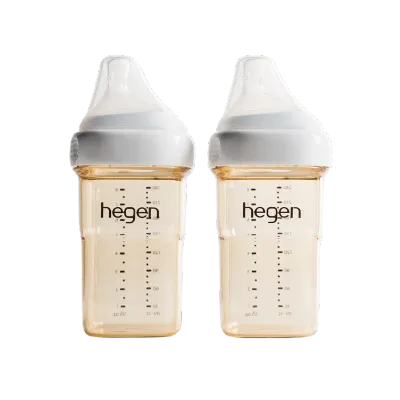
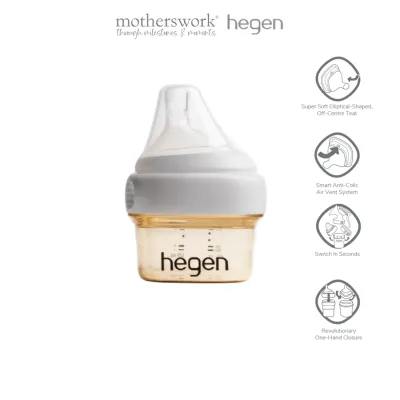
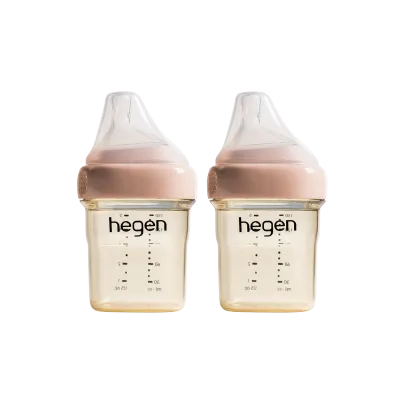
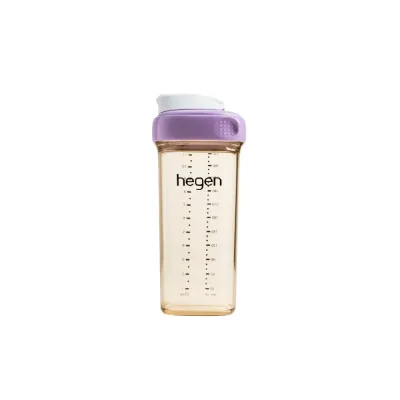
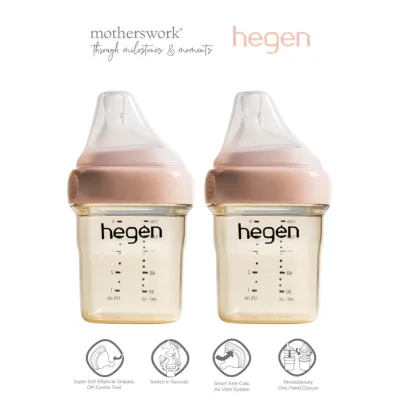
Prices are valid at publication and may change. Please refer to the product page for the latest price.
Glass bottles are typically manufactured from high-quality borosilicate glass, a material renowned for its thermal shock resistance and exceptional clarity. Unlike plastics, glass is completely non-porous, making it highly resistant to scratching, staining, and retaining odors from milk fats. However, glass is significantly heavier than plastic alternatives and carries an inherent risk of cracking, chipping, or shattering if dropped on hard surfaces, such as the ceramic tile floors common in many modern apartments.
PP (Polypropylene) is a lightweight, versatile, and highly affordable plastic commonly used for standard baby bottles. It typically has a slightly cloudy or semi-transparent appearance. While PP bottles are highly flexible and shatterproof, they are softer than PPSU and glass, making them more susceptible to surface scratches, cloudiness, and structural wear over time. Because of its lower density, PP is highly portable but generally has a shorter usable lifespan under intensive daily sterilization.
When purchasing any bottle, caregivers should carefully inspect the product packaging and user manual to verify the specific material grade, manufacturing origin, and maximum temperature thresholds. Understanding these fundamental material differences is the first step in determining which bottle type aligns best with your feeding and cleaning routines.
Evaluating Safety and Health Considerations
Chemical stability is a primary concern for parents evaluating bottle safety. When choosing plastic bottles, it is essential to verify that the product is explicitly labeled as free from Bisphenol A (BPA) and Bisphenol S (BPS). These chemical compounds, historically used in some plastics, are widely restricted in modern infant feeding products due to potential health concerns. Caregivers should look for certification marks indicating compliance with local food-contact safety standards, which are regularly updated by consumer protection and food safety authorities.

Heat tolerance varies significantly across the three materials and dictates how they respond to different sterilization methods. Glass and PPSU exhibit exceptionally high thermal resistance, often rated by manufacturers to withstand temperatures well above the boiling point of water. This makes them highly compatible with boiling, steam sterilization, and chemical sterilizing solutions. PP bottles have a lower maximum temperature threshold; subjecting them to excessive heat or prolonged sterilization cycles can accelerate the degradation of the plastic, leading to warping or structural softening.
UV sterilization compatibility is another critical factor to verify. While UV sterilizers are highly popular for their convenience and drying capabilities, prolonged exposure to UV light can accelerate the aging process of certain plastics, causing them to become brittle or discolored. Manufacturers of premium PPSU bottles, such as Hegen, provide specific guidelines regarding UV sterilization compatibility. Caregivers must consult these instructions to prevent premature wear of the bottle body and collar.
Regular physical inspection is vital to maintaining feeding hygiene. Over time, bottle brushes and abrasive cleaning agents can create micro-scratches on the inner walls of plastic bottles, particularly softer PP options. These microscopic grooves can harbor stubborn milk residues and bacteria, even after standard sterilization. Caregivers should regularly hold bottles up to a bright light source to inspect for cloudiness, deep scratches, cracks, or persistent odors, and immediately retire any bottle showing signs of physical degradation.
Practicality for Daily Feeding and Cleaning Routines
The weight and physical grip of a bottle play a significant role as your baby grows and transitions through different developmental stages. During the newborn stage, when caregivers handle all feedings, the heavier weight of a glass bottle is easily managed. However, as babies reach six to nine months of age and begin showing interest in holding their own bottles, lightweight materials like PPSU and PP become far more practical. A lighter bottle reduces fatigue for tiny hands and minimizes the impact force if the baby accidentally drops the bottle onto themselves or the floor.
Cleaning efficiency is highly dependent on the material’s surface porosity. Glass is exceptionally easy to clean because its smooth, non-porous surface prevents milk fats and proteins from adhering strongly, allowing for quick rinsing and washing. PPSU also offers a highly smooth inner surface that resists grease buildup better than standard PP. PP bottles tend to retain a greasy film from breast milk or formula, often requiring a dedicated, gentle baby bottle detergent and thorough warm-water rinsing to clean completely.
Drying times can vary based on your local climate and household ventilation. In warm, humid environments, plastic bottles can sometimes take longer to air-dry completely on standard racks, increasing the risk of mild moisture buildup. Utilizing a sterilizer with an integrated drying cycle is highly practical for both PPSU and PP bottles. For families on the go, lightweight and shatterproof PPSU or PP bottles are far more convenient to pack in a diaper bag than heavy glass bottles, which require protective silicone sleeves to mitigate breakage risks during travel.
Daycare and external care environments often have strict safety policies regarding feeding equipment. Many early childhood development centers and daycare facilities explicitly prohibit glass bottles in their classrooms to prevent accidental breakage and injury hazards. If your child is transitioning to external care, lightweight, durable, and clearly labeled PPSU or PP bottles are typically the most practical and compliant options for daily use.
Cost, Lifespan, and Replacement Cycles
Evaluating the long-term value of baby bottles requires balancing the initial upfront cost against the expected usable lifespan of the material. Glass bottles represent a highly durable option that, barring physical damage, can theoretically last indefinitely. This makes them highly cost-effective over time, especially if they are preserved for use with subsequent siblings. However, the risk of accidental breakage means caregivers must always budget for occasional replacements.
PP bottles are highly budget-friendly upfront, often sold in multi-pack starter sets that require a low initial investment. However, because PP is more prone to scratching and thermal wear, these bottles require frequent replacement—typically every few months under daily use and sterilization. This recurring replacement cycle can accumulate significant costs over a long feeding journey, making PP less economical in the long run than its initial price tag suggests.
PPSU bottles, such as the Hegen PPSU bottle, occupy a premium price tier, with individual bottles often costing between S$20 and S$40 depending on the size and accessories. Despite the higher initial investment, PPSU offers exceptional longevity. Because of its high wear resistance and ability to withstand hundreds of sterilization cycles without losing structural integrity, a single PPSU bottle can often last through multiple stages of infancy, reducing the overall volume of replacement bottles needed.
Regardless of the bottle material chosen, caregivers must establish clear, observable checkpoints for retiring feeding equipment. A bottle should be replaced immediately if you observe:
- Deep scratches, cracks, or chips (especially critical for glass safety).
- Persistent cloudiness, warping, or structural softening of plastic walls.
- Stubborn stains or odors that do not disappear after thorough washing and sterilization.
Furthermore, silicone nipples and teats degrade much faster than bottle bodies due to constant stretching, biting, and exposure to saliva. Silicone nipples typically require replacement every one to three months, or immediately if they show signs of tearing, thinning, stickiness, or changes in milk flow rate. Keeping a close eye on these components ensures a safe and comfortable feeding experience for your baby.
How to Choose the Right Bottle for Your Baby's Stage
To finalize your bottle selection or transition plan, consider the following conditional framework based on your baby’s age, feeding environment, and daily lifestyle:
- Choose Glass if: You are primarily feeding a newborn at home, prioritize a highly scratch-resistant and chemically inert material, and can safely manage the heavier weight and breakage risks during caregiver-held feedings.
- Choose PPSU (such as a Hegen PPSU bottle) if: You want a premium, lightweight, and exceptionally durable bottle that transitions smoothly from newborn feeding to baby self-feeding, withstands rigorous daily sterilization, and is safe for travel and daycare environments.
- Choose PP if: You need a highly affordable, lightweight backup bottle for occasional travel, short-term storage, or temporary use, and you are prepared to adhere to a strict, frequent replacement schedule.
Before finalizing your purchase, verify that your home sterilization equipment—especially UV sterilizers—is fully compatible with the specific bottle material and brand accessories you select. If your baby experiences persistent feeding difficulties, excessive gas, or colic, consult a pediatrician or a qualified lactation professional to evaluate nipple flow rates and feeding techniques, as the bottle material itself does not directly impact physiological feeding comfort.
Frequently Asked Questions (FAQ)
Can I mix different bottle materials for the same baby?
Yes, mixing different bottle materials is a highly practical approach for many families. For example, you may choose to use glass bottles at home where cleaning is convenient and breakage risks are low, while utilizing lightweight PPSU or PP bottles for travel, outings, and daycare. When mixing materials, it is crucial to maintain consistency in the nipple shape and flow rate to prevent nipple confusion or feeding frustration. Ensure that all accessories are properly matched to their respective bottle collars, and carefully manage the different sterilization requirements of each material to prevent accidental heat damage to softer plastics.
How often should I replace PPSU, glass, and PP bottles?
While glass bottles can be used indefinitely as long as they remain free of chips, cracks, or deep scratches, plastic bottles require regular replacement. Manufacturers typically recommend replacing PP bottles every two to three months due to their susceptibility to scratching and thermal wear. PPSU bottles, being highly durable, can often be used for six to twelve months under standard care conditions. However, these timelines are general guidelines; caregivers must perform daily visual inspections and replace any bottle immediately if they observe cloudiness, warping, deep scratches, or persistent odors.
Are premium PPSU bottles compatible with other brand nipples?
Generally, premium PPSU bottles, particularly those with unique structural designs like the square-shaped Hegen PPSU bottle, are designed to function as a proprietary system and are not compatible with standard round nipples from other brands. Forcing a non-compatible nipple onto a bottle collar can cause improper sealing, leading to leaks, inconsistent milk flow, or air ingestion that can contribute to colic. Always consult the manufacturer’s official compatibility charts and use matching brand components to ensure a secure fit and a safe feeding experience.

Community discussion
Share your experience or ask a question. Comments are reviewed before publication.