
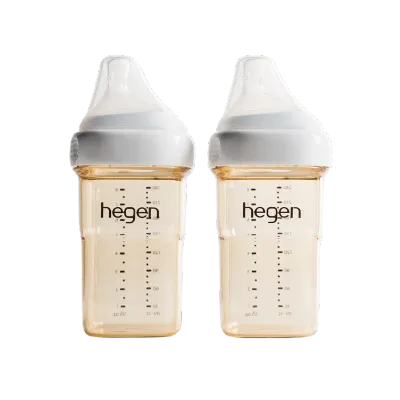
The Hegen 240ml PPSU bottle, Pigeon, and Dr. Brown’s represent three distinct approaches to infant feeding, each utilizing materials with unique safety profiles and wear characteristics. While Hegen focuses heavily on premium Polyphenylsulfone (PPSU) in its signature square design, Pigeon and Dr. Brown’s offer a broader range of materials, including Borosilicate glass, Polypropylene (PP), and PPSU. Choosing between them depends on how you weigh material resilience, sterilization compatibility, and the structural design of each bottle system against your daily feeding routine.
PPSU stands out as a highly durable, medical-grade plastic that resists high temperatures and physical impact, making it a premium choice for long-term use. Glass offers excellent chemical purity and scratch resistance but carries a risk of breakage, while PP serves as a lightweight, budget-friendly option that wears out more quickly. Understanding how these materials perform under daily sterilization and cleaning is key to ensuring a safe, hygienic feeding experience for your baby.
To make an informed decision, caregivers must look beyond brand marketing and evaluate the physical properties of these polymers, verify safety certifications, and understand how design elements influence overall longevity. This comparison breaks down the material science, safety standards, wear resistance, and usability factors of Hegen, Pigeon, and Dr. Brown’s bottles to help you select the right fit for your home.
Products mentioned in this guide
Prices are valid at publication and may change. Please refer to the product page for the latest price.
Understanding Bottle Materials: PPSU, PP, and Glass
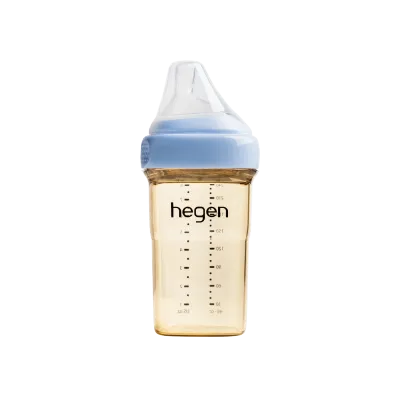
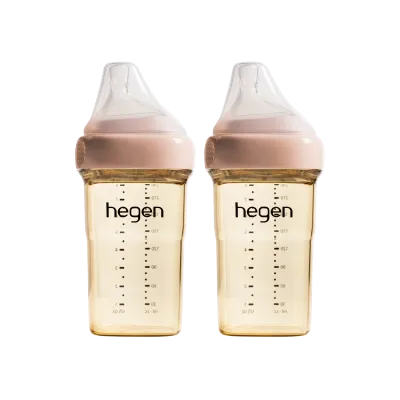
Polyphenylsulfone (PPSU) is a high-performance thermoplastic widely recognized for its natural amber tint and exceptional thermal and chemical resistance. The Hegen 240ml bottle is constructed primarily from this material, which combines the lightweight convenience of plastic with the durability and heat tolerance of glass. Many premium bottle lines from Pigeon also utilize PPSU, offering parents a robust alternative to traditional plastics. Because PPSU does not require added colorants to achieve its signature honey-colored hue, it remains a highly pure option for infant feeding.
In contrast, Polypropylene (PP) is a more common, cloudy plastic used extensively in standard bottle lines from both Pigeon and Dr. Brown’s. While PP is highly affordable and lightweight, it has a lower surface hardness and heat tolerance, making it more prone to scratching and structural degradation over time. This makes PP bottles more suitable for short-term use or as backup options rather than long-term daily feeding. PP also tends to absorb oils and odors from breast milk or formula more readily than other materials.
Glass remains a popular choice for parents prioritizing chemical inertness and scratch resistance, with both Pigeon and Dr. Brown’s offering borosilicate glass options. Borosilicate glass is engineered to withstand rapid temperature changes far better than standard soda-lime glass, reducing the risk of thermal shock. Glass does not degrade from heat, absorb odors, or discolor over time, but its weight and susceptibility to shattering make it less practical for older infants who are learning to hold their own bottles. PPSU bridges this gap by offering glass-like clarity and heat resistance without the risk of breakage.
When comparing these materials, weight and heat resistance are critical factors. PPSU can withstand temperatures up to 180 degrees Celsius, allowing for rigorous sterilization without warping. PP typically tolerates temperatures up to 110 or 120 degrees Celsius, which limits its compatibility with certain high-heat sterilization methods. Glass handles extreme heat well but is sensitive to physical impacts, which can cause micro-fractures that weaken the bottle over time.
Evaluating Material Safety Standards and Certifications
When evaluating bottle safety, caregivers should look for explicit declarations regarding chemical composition on the product packaging. High-quality baby bottles should be certified free from Bisphenol A (BPA), Bisphenol S (BPS), and Polyvinyl Chloride (PVC). These chemicals can act as endocrine disruptors, and verifying their absence is a fundamental step in protecting your infant’s health. Many manufacturers now display these certifications prominently, but it is always wise to verify them through official product documentation.

Local and international food-contact safety standards provide an objective benchmark for material safety. Look for compliance marks such as those from the European Committee for Standardization (EN 14350) or the United States Food and Drug Administration (FDA) on the packaging. In Singapore, products must comply with local food safety regulations, which govern the import and sale of materials intended to come into contact with food. Ensuring your chosen brand meets these rigorous standards provides peace of mind regarding chemical leaching.
Sterilization limits are another crucial safety consideration. Every manufacturer specifies a maximum temperature limit for their bottles, which must be strictly followed to prevent material degradation. Exceeding these limits can cause plastics to warp, weaken, or potentially leach chemical compounds into the milk. Always check the user manual or packaging for the exact temperature threshold of your specific bottle model, keeping in mind that different parts of the bottle (such as the collar, nipple, and cap) may have different temperature tolerances.
Caregivers should also be aware of how different sterilization methods affect material integrity over time. Steam and boiling water are generally safe for all three materials within their specified temperature limits. However, UV sterilization can accelerate the aging process of certain plastics, leading to discoloration or brittleness. Checking the manufacturer’s guidelines regarding UV sterilizer compatibility is essential to maintain the safety of your bottles, as some brands may advise against UV sterilization for specific components.
Comparing Durability and Daily Wear Resistance
Daily use, washing, and sterilization inevitably subject baby bottles to wear and tear. Scratch resistance is a major differentiator between materials; plastic bottles, particularly PP, are highly susceptible to micro-scratches from bottle brushes. These tiny crevices can harbor milk residue and bacteria, making thorough cleaning difficult and requiring regular visual inspections to ensure hygiene. Using soft silicone brushes instead of stiff nylon bristles can help prolong the life of plastic bottles.
PPSU offers significantly higher scratch resistance than PP, maintaining its smooth surface and clarity even after hundreds of wash cycles. However, it is still susceptible to scratching if abrasive cleaning tools or harsh detergents are used. Glass is virtually impervious to scratching, allowing for thorough scrubbing without compromising the surface integrity, which is a key reason some parents prefer glass for newborn feeding.
Impact resistance is where PPSU excels over glass. A dropped PPSU bottle will bounce without damage, making it highly durable for active toddlers and travel. Glass bottles carry an inherent risk of shattering or chipping when dropped on hard surfaces, which can pose a safety hazard in the nursery. PP bottles are also shatterproof but may warp or crack under physical stress more easily than PPSU.
To maintain safety, parents should establish a routine for inspecting bottles and follow manufacturer guidelines for replacement cycles. Generally, PP bottles require replacement every three to six months due to material fatigue, cloudiness, or odor retention. PPSU bottles can last up to a year or more with proper care, while glass bottles can be used indefinitely as long as they remain free of chips, cracks, or deep scratches.
Design and Usability Factors Affecting Longevity
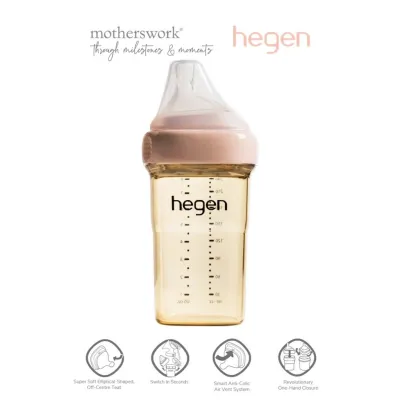
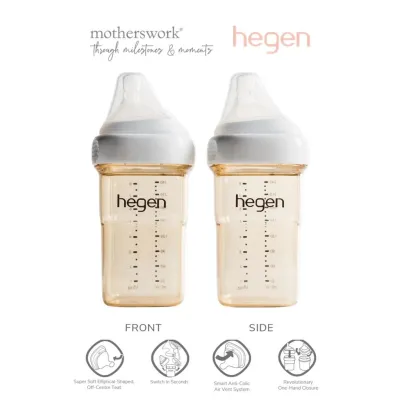
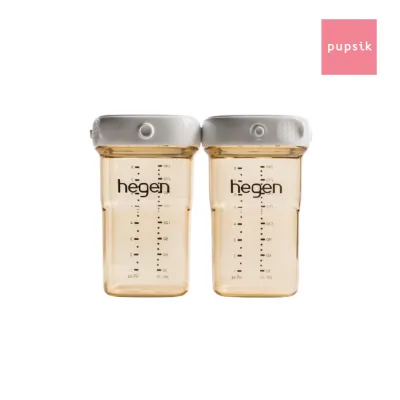
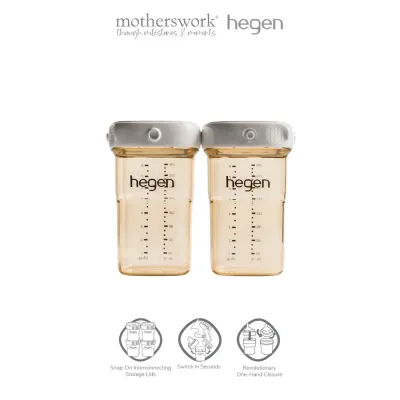
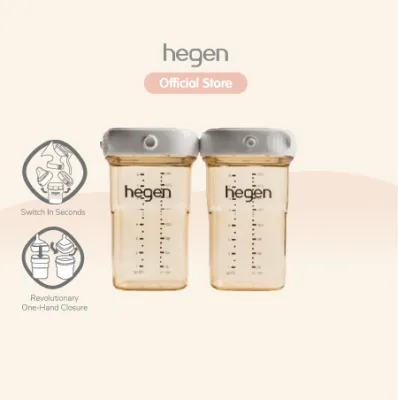
The structural design of a bottle plays a significant role in how easily it can be cleaned and maintained, directly impacting its usable lifespan. Hegen bottles feature a unique square shape and a patented press-to-close, twist-to-open mechanism. This wide-neck design allows for easy hand-cleaning without specialized brushes, reducing the risk of scratching the interior surfaces. The square shape also allows the bottles to be stacked neatly, saving space in your fridge or freezer.
However, the square corners of the Hegen bottle can sometimes require extra attention during washing to ensure no milk residue remains trapped. The press-to-close lid mechanism relies on silicone seals that must be properly aligned to prevent leaks. Over time, these silicone components may wear out and require replacement, though the PPSU bottle body itself remains highly durable. Regular inspection of the silicone ring is necessary to ensure a secure seal.
Dr. Brown’s bottles are famous for their internal green vent system, which is designed to reduce colic by preventing air bubbles from mixing with the milk. While highly effective for air reduction, this multi-piece system introduces significant cleaning complexity. The small vent tubes and inserts require specialized cleaning brushes and extra time to wash, increasing the risk of wear on these small components.
If the internal vent parts of a Dr. Brown’s bottle become damaged, lost, or degraded from frequent sterilization, the anti-colic function may be compromised, requiring replacement parts. Pigeon bottles, on the other hand, utilize a classic wide-neck design with a simple, integrated anti-colic vent on the nipple itself. This minimalist design minimizes the number of parts to clean, reducing daily wear and tear and simplifying long-term maintenance.
Pigeon’s wide-neck design is highly compatible with a variety of standard nipples and accessories, making it a versatile choice as your baby grows. The simplicity of the Pigeon system means there are fewer components to wear out or lose, contributing to a longer practical lifespan for the bottle setup. Replacement nipples and collars are also widely available, allowing parents to refresh the system without replacing the entire bottle.
Making Your Decision: Which Bottle Fits Your Routine?
Choosing the right bottle system requires balancing your baby’s feeding needs with your daily cleaning and sterilization routine. The Hegen 240ml PPSU bottle is an excellent choice if you value a premium, lightweight, and stackable design that transitions easily from a feeding bottle to a storage container. Its wide opening simplifies cleaning, but you must be diligent about inspecting the square corners and maintaining the silicone seals. The higher initial investment of premium PPSU bottles is offset by its long-term durability and multi-functional use.
Pigeon is highly suitable for parents who want maximum flexibility in material choices and a straightforward, easy-to-clean design. Whether you prefer glass for home use or PPSU for travel, Pigeon’s consistent wide-neck design and widely available replacement parts make it a highly practical and adaptable option for busy households. It offers a reliable, low-maintenance feeding system that grows with your child without requiring complex assembly.
Dr. Brown’s is the logical choice if your baby suffers from severe colic or gas and requires a highly effective venting system. While the internal components demand more cleaning effort and careful inspection for wear, the potential reduction in feeding discomfort can outweigh the extra maintenance. Parents choosing Dr. Brown’s should be prepared for the multi-step cleaning process and keep spare vent parts on hand to ensure the system functions correctly.
Before making your final purchase, verify the compatibility of your chosen bottles with your existing kitchen appliances. Ensure that the bottle height, neck width, and material are fully compatible with your steam sterilizer, UV sterilizer, or bottle warmer. Taking the time to match the bottle specifications to your daily routine will ensure a seamless and safe feeding experience.
Frequently Asked Questions (FAQ)
Can I use the same sterilization method for Hegen, Pigeon, and Dr. Brown's bottles?
You should not assume that all bottles can be sterilized using the same method, as compatibility depends on the specific material rather than the brand. Always check the product label or user manual for the maximum temperature tolerance of each component before sterilizing. While PPSU and glass can generally withstand high-heat steam and boiling water, PP components have lower temperature limits and may warp. If you use a UV sterilizer, verify that the manufacturer explicitly approves its use, as UV light can accelerate the degradation of certain plastics and silicone parts.
How often should I replace PPSU bottles compared to PP or glass?
The replacement cycle of a baby bottle depends on its material composition and visible signs of wear. Glass bottles do not degrade over time and can be used indefinitely, provided they are regularly inspected and remain free of chips, cracks, or structural weaknesses. PPSU bottles are highly durable but should generally be replaced every six to twelve months, or sooner if you notice persistent cloudiness, deep scratches, or stubborn odors. PP bottles are the least durable and typically require replacement every three to six months due to their susceptibility to scratching and heat degradation.

Community discussion
Share your experience or ask a question. Comments are reviewed before publication.