
When washing infant clothing, avoiding traditional fabric softeners is one of the simplest ways to protect your baby’s delicate skin. Standard fabric softeners are formulated to leave a chemical film over fabric fibers to make them feel soft, but these lingering residues frequently trigger skin irritation, dryness, and flare-ups of conditions like eczema. To keep your baby comfortable, you must know which specific chemical groups, such as synthetic fragrances, artificial dyes, optical brighteners, and harsh preservatives, to avoid when reading laundry labels.
Why Checking Softener Ingredients Matters for Sensitive Skin
An infant’s skin barrier is significantly thinner and more permeable than an adult’s skin barrier. Because the outer layer of skin is still developing during the first years of life, it absorbs topical substances more rapidly and is highly susceptible to environmental irritants.
Traditional fabric softeners work by depositing a thin layer of lubricating chemicals directly onto the fabric fibers during the rinse cycle. This chemical coating does not wash away; instead, it remains on the clothing, bedsheets, and swaddles, keeping them in constant, direct contact with your baby’s skin throughout the day and night.
Products mentioned in this guide
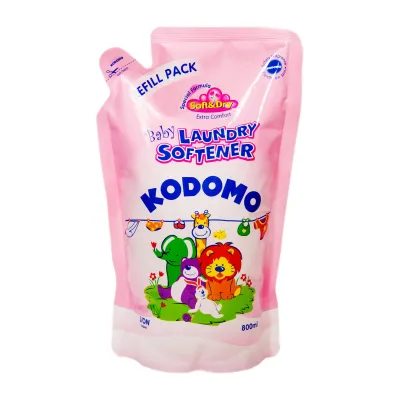
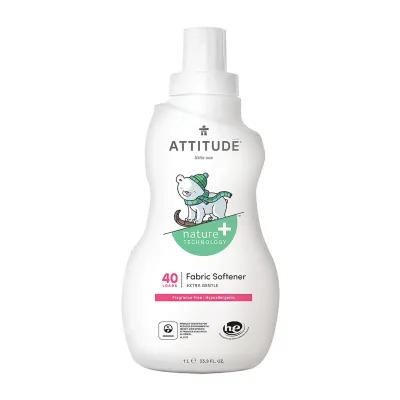
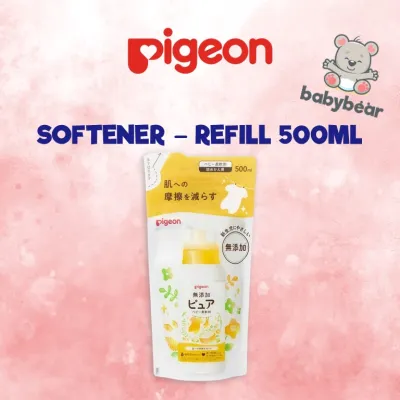
Prices are valid at publication and may change. Please refer to the product page for the latest price.
As the baby moves, body heat and friction can cause these chemical residues to transfer from the fabric onto the skin. For many infants, this continuous exposure leads to contact dermatitis, dry patches, or itchy rashes.
If you notice persistent redness, dry patches, or signs of discomfort on your baby’s skin, you should stop using any fabric softeners or scented laundry products immediately. If the skin irritation does not improve within a few days, or if it appears to cause your baby pain, consult a pediatrician or a qualified dermatologist for professional guidance.
Key Ingredient Categories to Avoid in Baby Fabric Softeners
When selecting laundry products for your household, it is crucial to look past the front-label marketing and scrutinize the actual ingredient list. Many products feature images of babies or gentle pastel packaging, yet they still contain chemical classes that are unsuitable for infant laundry.

Relying solely on front-label claims like “gentle” or “soft” can be misleading, as these terms are not strictly regulated for laundry products. Caregivers must take an active role in reading the back of the bottle to identify specific chemical additives that could compromise a baby’s skin health.
Prioritizing laundry products that are explicitly formulated, dermatologically tested, and labeled as allergen-free for baby care is a safer approach. Understanding the primary categories of concern will help you make informed decisions at the store.
Identifying Synthetic Fragrances and Artificial Dyes
Synthetic fragrances are among the most common triggers for skin irritation and allergic contact dermatitis in infants. Manufacturers often use a proprietary blend of dozens of individual chemicals to create a single signature scent, which is frequently listed simply as “fragrance” or “parfum” on the label.
It is important to distinguish between “unscented” and “fragrance-free” products when shopping. An “unscented” product may still contain synthetic masking fragrances designed to neutralize the chemical smell of the raw ingredients, whereas a “fragrance-free” label indicates that no scent chemicals have been added.
Artificial dyes and colorants are purely aesthetic additives that serve no functional purpose in softening or cleaning clothes. These synthetic dyes can remain trapped in the fabric fibers and irritate sensitive skin, so you should look for clear or white formulations that do not list color additives like “Blue 1” or “Yellow 5.”
When evaluating products, check the packaging for independent dermatological testing certifications. Labels indicating that a product is clinically tested on sensitive skin or certified by allergy associations provide an extra layer of verification.
Spotting Optical Brighteners and Harsh Preservatives
Optical brighteners are synthetic chemicals added to laundry products to make fabrics appear whiter and brighter. They achieve this effect by absorbing ultraviolet light and emitting blue light, which masks the natural yellowing of fabrics over time.
Because optical brighteners are designed to remain bonded to the fabric fibers even after the rinse cycle, they stay in constant contact with your baby’s skin. These chemicals do not biodegrade easily and are known skin irritants that should be avoided in baby laundry.
Harsh preservatives are another major concern, as they are added to liquid softeners to prevent bacterial growth and extend shelf life. Ingredients such as methylisothiazolinone (MI), methylchloroisothiazolinone (MCI), and formaldehyde-releasing preservatives are notorious sensitizers that can trigger severe skin reactions.
To verify the safety of a product, look for manufacturer safety data sheets online or check for baby-specific formulations that explicitly state they are free from optical brighteners, parabens, and harsh synthetic preservatives.
How to Decode Fabric Softener Labels and Marketing Claims
Navigating the laundry aisle requires a critical eye, as product packaging is often designed to appeal to emotions rather than provide clear scientific facts. The first step in decoding a product is locating the full ingredient list, which is sometimes hidden under a peel-back label on the physical bottle or only available on the manufacturer’s official website.
Be skeptical of unregulated marketing buzzwords such as “natural,” “hypoallergenic,” or “plant-derived.” While these terms suggest safety, they do not guarantee that a product is free from skin irritants, as even plant-derived ingredients can cause allergic reactions in sensitive infants.
If a product label is vague or incomplete, you can cross-reference the product name with the manufacturer’s Safety Data Sheet (SDS) or search for the product on official brand transparency portals. These documents provide a comprehensive breakdown of the chemical components and their potential hazards.
Additionally, look for third-party certifications from reputable organizations that evaluate ingredients for environmental and skin safety. Verifiable seals from independent testing bodies offer a reliable benchmark that goes beyond a brand’s self-declared marketing claims.
Safer Laundry Alternatives and Habits for Baby Clothes
You do not need to rely on chemical fabric softeners to keep your baby’s clothes feeling comfortable and soft. One of the most effective physical alternatives is using 100% wool dryer balls in your tumble dryer, which naturally soften fabrics and reduce static by gently separating the clothes as they tumble.
Another simple and cost-effective alternative is adding a small amount of distilled white vinegar to the fabric softener dispenser of your washing machine. Vinegar acts as a natural rinse aid that helps strip away residual detergent buildup from the fabric fibers, leaving clothes naturally soft without leaving any vinegar scent behind once dry.
Adjusting your washing machine settings can also make a significant difference in fabric texture. Utilizing an extra rinse cycle at the end of the wash ensures that all traces of laundry detergent are thoroughly flushed out of the clothing fibers, preventing the stiffness caused by soap residue.
Finally, the most reliable strategy is to select a high-quality, residue-free baby laundry detergent that cleans effectively without leaving harsh deposits. By using a gentle detergent and skipping the softener altogether, you eliminate unnecessary chemical exposure while keeping your baby’s wardrobe clean and safe.
Frequently Asked Questions (FAQ)
Can I use regular fabric softener if I double-rinse the clothes?
No, using regular fabric softener is not recommended for baby clothes even if you run an extra rinse cycle. Fabric softeners are specifically formulated to deposit a chemical film onto the fabric fibers that is designed to resist washing off. A double rinse will not completely remove this residue, meaning your baby’s skin will still be exposed to the synthetic fragrances, dyes, and preservatives embedded in the fabric.
Are plant-based or natural fabric softeners always safe for babies?
Not necessarily. While plant-based softeners often avoid synthetic petrochemicals, they can still contain natural ingredients that irritate sensitive infant skin. For example, many natural brands use essential oils for fragrance, which contain natural allergens like limonene or linalool that can trigger contact dermatitis. Always check the full ingredient list of plant-based products to ensure they are completely fragrance-free and formulated without known botanical irritants.

Community discussion
Share your experience or ask a question. Comments are reviewed before publication.