
Selecting the right soft toys organizer for your nursery is not a one-size-fits-all decision. The ideal solution depends on your room’s physical layout, your child’s developmental stage, and the sheer volume of plush toys you need to manage.
If you are dealing with a compact room and a massive collection of lightweight plushies, a toy hammock is often the most efficient way to reclaim floor space. For parents who prioritize toddler independence and want a flexible, low-maintenance setup, open storage bins or baskets are highly practical. If you prefer a curated, visually organized space that doubles as nursery decor, open shelves are the superior choice. This guide will break down the specific spatial, practical, and safety dimensions of each option to help you make the best choice for your home.
Assessing Your Space and Toy Collection
Before purchasing any storage system, you must evaluate the physical constraints of your nursery. Start by measuring the available floor footprint versus unused vertical wall space. In many modern homes, floor space is at a premium, making vertical solutions highly attractive. However, vertical storage requires stable wall structures for safe installation, whereas floor-based storage is immediately ready for use.
Products mentioned in this guide
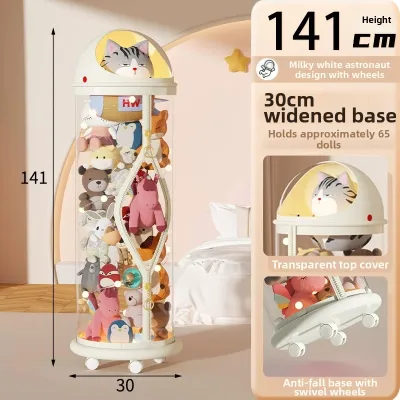
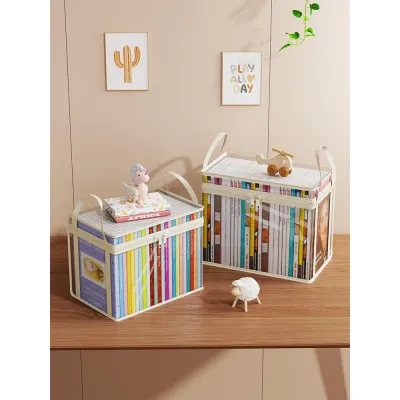
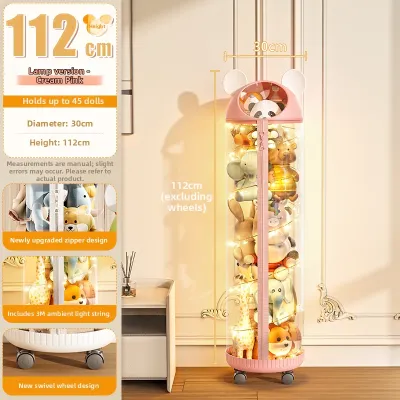
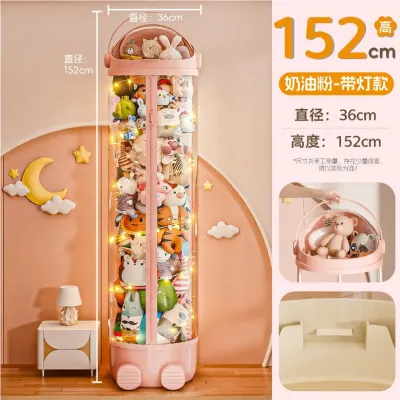
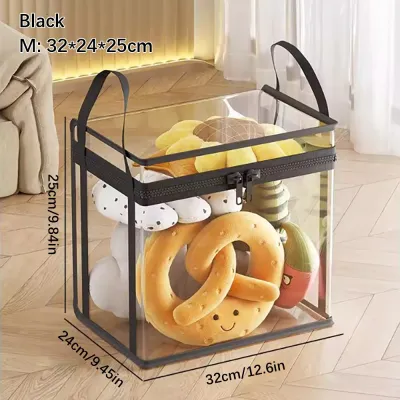
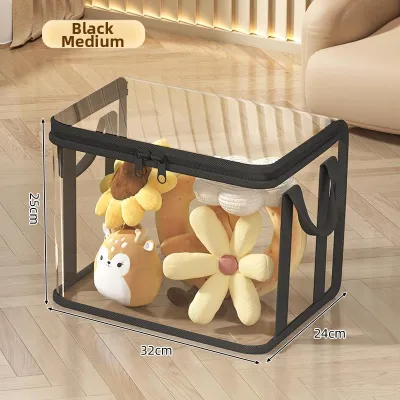
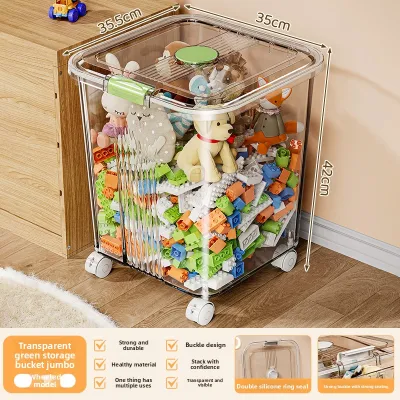
Prices are valid at publication and may change. Please refer to the product page for the latest price.
Next, take an honest inventory of your child’s plush toy collection. Estimate the total volume and the average size of the toys. A collection dominated by giant, oversized plushies requires vastly different storage dimensions than a collection of dozens of small, palm-sized stuffed animals. You should also consider how frequently your child actually plays with these items. Toys used daily need to be easily reachable, while sentimental keepsakes can be stored higher up.
Finally, factor in your child’s current developmental stage and physical mobility. A crawling infant requires a clear floor space free of tipping hazards, and any storage within their reach must be completely stable and soft. As your child grows into a walking toddler, their desire for independent play increases. Storage solutions that allow toddlers to safely retrieve and put away their own toys support gross motor development and help establish early cleanup routines.
Toy Hammocks: Maximizing Vertical Space
Toy hammocks are triangular mesh nets designed to hang in the corner of a room, suspended by wall hooks. They are specifically engineered to hold lightweight, bulky items, making them a popular choice for managing large collections of stuffed animals without sacrificing floor real estate.

Pros and Ideal Use Cases
The primary advantage of a toy hammock is its ability to utilize “dead” corner space that would otherwise go unused. By lifting the entire toy collection off the ground, you preserve valuable floor space for active play, tummy time, or larger furniture pieces. This is particularly beneficial in smaller bedrooms or nursery layouts where every square meter counts.
Hammocks also offer an exceptionally high storage capacity for lightweight, compressible items. Because the mesh fabric stretches, a single hammock can hold a surprising number of plushies of various shapes and sizes.
From a safety perspective, hammocks keep soft toys completely out of reach for non-mobile infants. Pediatric health guidelines advise keeping cribs entirely free of loose blankets, pillows, and stuffed animals to reduce the risk of suffocation. Storing plushies high up in a hammock allows you to keep them in the room without creating safety hazards in the sleeping area.
Limitations and Safety Considerations
While hammocks excel at space-saving, they present distinct usability challenges as your child grows. Because they are mounted high on the wall, young toddlers cannot access their toys independently. This means an adult must constantly retrieve and put away the toys, which can frustrate a toddler seeking autonomy. Attempting to use a step stool or climbing on other furniture to reach a high hammock poses a severe fall risk.
Installation safety is another critical factor. Hammocks cannot simply be hung from adhesive hooks or lightweight drywall anchors, as the cumulative weight of dozens of plushies will eventually pull the hardware out of the wall.
- Wall Type Assessment: Determine if your nursery walls are drywall or solid masonry (such as concrete or brick, which are common in Singapore apartments).
- Hardware Selection: Use heavy-duty screw-in hooks. For drywall, these must be anchored directly into wooden wall studs or secured with toggle bolts. For concrete walls, you must drill pilot holes and use appropriate plastic wall plugs.
- Weight Limits: Always check the manufacturer's specified weight limit for both the hammock net and the mounting hardware. Never overload the hammock beyond these recommendations.
- Supervision: Ensure the hammock is hung high enough that a standing toddler cannot grab the edge and pull the entire structure down onto themselves.
Storage Bins and Baskets: The Practical Choice
Storage bins and baskets are floor-based containers that come in a wide variety of materials, including canvas, felt, plastic, and woven fibers. They represent the most straightforward, low-barrier storage option for busy parents.
Pros and Ideal Use Cases
First and foremost, floor bins offer unmatched portability. Many designs feature integrated handles, allowing you to easily carry a basket of toys from the nursery to the living room and back again. This flexibility makes it simple to keep your home organized even as playtime moves across different rooms.
Bins are also highly effective at fostering toddler independence. Low-profile, open-top bins allow young children to easily see their toys, reach in to grab what they want, and toss them back inside when playtime is over. This simple, unstructured cleanup process is highly intuitive for young minds who are not yet capable of complex sorting.
Additionally, bins require absolutely zero wall installation. This makes them the perfect choice for renters who are restricted from drilling holes into walls, or for parents who frequently like to rearrange the nursery layout.
Limitations and Safety Considerations
The most obvious drawback of storage bins is their physical footprint. Large baskets consume valuable floor space, which can make a small nursery feel cramped. If your child has a massive collection of plushies, you may need multiple large bins, quickly overtaking the room’s play area.
Bins are also prone to the “black hole” effect. Because toys are piled on top of one another, smaller stuffed animals inevitably sink to the bottom. Children will often dump the entire contents of a deep bin onto the floor just to find one specific toy at the bottom, creating a daily mess that defeats the purpose of the organizer.
Safety hazards must also be carefully managed when selecting floor bins:
- Tipping and Climbing: Heavy wooden toy boxes or tall, rigid plastic bins can pose a tipping hazard if a toddler attempts to climb inside or lean over the edge. Opt for low, wide-based designs that are difficult to overturn.
- Lid Safety: If you choose a bin with a lid, ensure it has safety hinges that prevent the lid from slamming shut on small fingers, or choose a completely removable, lightweight fabric lid.
- Material Integrity: Avoid heavy, sharp-edged materials. Soft canvas, felt, or cotton rope baskets are much safer for crawling babies who might bump into them.
Open Shelves: Showcasing and Organizing
Open shelving units, such as low bookcases or wall-mounted ledges, allow toys to be displayed neatly in rows. This approach treats soft toys as both playthings and visual elements of the room’s design.
Pros and Ideal Use Cases
Open shelves excel at visual organization. Unlike deep bins where toys are hidden, shelves display each plushie clearly. This makes it easy for your child to locate a specific toy without creating a mess. It also encourages more mindful play, as children can see all their options at a glance.
For parents who value aesthetics, shelves serve a dual purpose as nursery decor. You can curate a beautiful display, mixing favorite plush toys with children’s books, framed art, or small decorative items. High shelves can be used to keep delicate or sentimental keepsakes safe and clean, while lower shelves remain dedicated to active play.
Low, sturdy shelving units also support structured learning. By organizing toys into specific spots on a shelf, you can teach your toddler basic categorization and spatial awareness during cleanup routines.
Limitations and Safety Considerations
Shelving units have a strictly limited capacity. They are not designed for bulk, uncurated storage. If you try to crowd too many stuffed animals onto a shelf, the display quickly looks chaotic and messy. This option requires you to actively curate the collection, storing excess toys elsewhere.
Open shelves are also notorious dust collectors. In humid climates or rooms with ceiling fans, dust settles quickly on flat surfaces and fabric toys. Plushies left sitting on open shelves for long periods will require regular vacuuming or washing to prevent dust mite buildup, which can trigger allergies in sensitive infants.
Most importantly, freestanding shelves present a severe safety risk if not properly secured:
- Mandatory Wall Anchoring: All freestanding shelving units, regardless of their height or weight, must be securely anchored to the wall using heavy-duty anti-tip brackets or straps. Toddlers frequently use shelves as climbing ladders to reach toys on higher levels, which can cause the entire unit to fall forward.
- Weight Distribution: Always place the heaviest items on the bottom shelves to lower the unit's center of gravity and improve overall stability.
- Edge Safety: Check shelving units for sharp corners or rough edges. You can apply soft silicone corner guards to low shelves to protect toddlers from accidental bumps.
Feature Comparison: Hammock vs. Bin vs. Shelf
To help you quickly eliminate options that do not align with your nursery’s physical constraints or your lifestyle, refer to the comparison table below.
| Organizer Type | Space Required | Capacity | Toddler Accessibility | Installation Effort | Visual Clutter |
|---|---|---|---|---|---|
| Toy Hammock | Zero floor space; requires corner wall space | High (for lightweight plushies) | Low (requires adult assistance) | High (requires wall drilling and anchoring) | Moderate (toys are visible but contained) |
| Storage Bin / Basket | Moderate to high floor space | High (but prone to burying items) | High (easy for toddlers to reach) | None (completely freestanding) | Low to High (depending on lid use) |
| Open Shelf | Moderate floor space or wall space | Low to Moderate (requires curation) | High (on lower shelves only) | High (requires secure wall anchoring) | Low (promotes neat, structured display) |
If you are renting a home where drilling into walls is strictly prohibited by your tenancy agreement, you can immediately eliminate hammocks and wall-mounted shelves, directing your focus toward low-profile floor bins or sturdy, low freestanding shelves that can be safely secured using non-drill adhesive safety straps (provided they are rated for the furniture’s weight).
How to Choose: A Decision Framework
To finalize your choice, evaluate your specific household circumstances against these clear, conditional scenarios.
Choose a Hammock if:
- Your nursery is highly compact, and you must preserve every square centimeter of floor space for play or other furniture.
- Your child has a very large collection of lightweight, soft plushies that do not need to be accessed constantly throughout the day.
- You own your home or have permission to drill into solid wall studs or concrete walls to install heavy-duty mounting hooks.
Choose Bins or Baskets if:
- You want an immediate, zero-installation storage solution that can be moved easily from room to room.
- Your primary goal is to encourage your young toddler to clean up independently with a simple "toss-and-go" system.
- You prefer a soft, flexible storage material that poses absolutely no injury risk to a crawling infant.
Choose Shelves if:
- You want to integrate your child's toy storage with the overall aesthetic and decor of the nursery.
- You have a smaller, curated collection of high-quality plushies and books that you want to display neatly.
- You are fully prepared to properly drill and anchor the furniture to the wall to eliminate any tipping hazards.
Combine Options if:
- You want the ultimate functional setup. You can use a low, accessible open shelf or small basket for your child's top three or four favorite daily toys, while utilizing a high wall hammock to store the bulk overflow of seasonal or sentimental plushies out of sight.
Safety and Maintenance Rules for Nursery Storage
Regardless of which storage style you choose, keeping your nursery safe and hygienic requires ongoing attention. Children’s rooms are dynamic environments, and storage systems that were safe for a newborn may present new hazards as your child reaches new developmental milestones.
First, make wall anchoring a non-negotiable rule. Do not assume a low bookcase or a heavy toy chest is safe from tipping. Children have a natural instinct to climb, and their shifting body weight can easily overturn heavy furniture. Always install anti-tip kits directly into wall studs or solid masonry, and check the tension of these straps every few months.
Second, perform routine physical inspections of your storage hardware. For hammocks, check the mounting hooks to ensure they are not loosening or pulling out of the wall. Inspect the mesh fabric or netting for any signs of fraying, stretching, or tearing, as a damaged net could drop toys unexpectedly. For wooden shelves or bins, run your hands along the surfaces to check for splinters, peeling paint, or loose screws. For fabric baskets, inspect the seams and handles for tearing.
Third, establish a regular cleaning and rotation schedule. Stuffed animals are notorious for trapping dust, pet dander, and droppings from dust mites, which can exacerbate respiratory issues or eczema in young children.
- Washing Plushies: Check the manufacturer's care labels on your soft toys. Many can be placed inside a mesh laundry bag and washed on a gentle, cold cycle, then air-dried completely.
- Cleaning Organizers: Wipe down wooden shelves and plastic bins with a damp cloth and a mild, baby-safe detergent. Fabric baskets can often be spot-cleaned or vacuumed using an upholstery attachment.
- Toy Rotation: To prevent clutter from overwhelming your storage systems, keep only a small selection of toys active in the nursery. Store the rest in closed containers in a closet, and swap them out every few weeks. This keeps your child's interest high while keeping storage spaces manageable.
Frequently Asked Questions (FAQ)
How do I clean a mesh toy hammock?
Most mesh toy hammocks can be easily spot-cleaned to remove surface dust and light stains. Start by removing all the toys from the hammock. Wipe the netting down thoroughly with a damp microfiber cloth and a mild, baby-safe soap. If the manufacturer’s care label permits, you can uninstall the hammock, place the mesh net inside a protective zippered laundry bag, and machine wash it on a delicate cycle with cold water. Always hang the hammock to air-dry completely before re-hanging and reloading it with toys, as machine drying can shrink or melt synthetic mesh fibers.
Are woven baskets safe for a crawling baby?
Woven baskets made of natural materials like rattan, wicker, or seagrass require careful inspection. While they offer a beautiful, natural aesthetic, these materials can dry out over time, leading to fraying, cracking, or sharp splinters that can scratch a crawling baby’s sensitive skin. Small broken pieces of wood or dried grass can also break off, presenting a serious choking hazard if an infant puts them in their mouth. If you choose natural woven baskets, ensure they have a completely smooth, sealed finish and are lined with a thick fabric liner. Alternatively, opt for soft felt, canvas, or cotton rope baskets, which are entirely free of sharp edges and completely safe for mobile babies.

Community discussion
Share your experience or ask a question. Comments are reviewed before publication.