
Choosing the right breast pump in Singapore depends entirely on your feeding routine, lifestyle, and comfort preferences. While Hakaa is widely recognized for its simple, silicone-based manual and passive collection designs, other major brands offer a range of electric, wearable, and hospital-grade options. Navigating these choices requires understanding how different pump mechanisms align with your daily schedule, whether you are returning to an office, managing a busy household, or preparing for occasional outings. By comparing the functional differences, suction mechanisms, and maintenance requirements of these diverse options, you can confidently select a setup that supports your breastfeeding journey without unnecessary stress.
Understanding Your Breastfeeding Needs and Pump Types
Before comparing specific brands, it is essential to identify your primary pumping requirements and lifestyle constraints. Breastfeeding journeys vary widely, and the equipment you choose should match your specific goals. For instance, a mother who plans to breastfeed exclusively and only needs to relieve engorgement or catch a leak on the opposite side will require a very different tool than a mother who is returning to full-time work and needs to express milk multiple times a day.
Pumping frequency is the first major factor to assess. If you are exclusive pumping—meaning your baby receives breast milk primarily via bottles—you will likely need a heavy-duty, double electric breast pump. These motorized units are designed to mimic a baby’s natural sucking pattern, stimulating milk production efficiently over long periods. On the other hand, if you are directly breastfeeding and simply want to build a modest milk stash, a passive silicone collector or a simple manual pump may be entirely sufficient.
Products mentioned in this guide
Prices are valid at publication and may change. Please refer to the product page for the latest price.
Lifestyle and environment also dictate your choice. For mothers who travel frequently or commute daily, portability and noise levels are critical considerations. Standard electric pumps often require a power outlet or rely on bulky rechargeable battery packs, though they offer robust, customizable suction. Portable wearable pumps slip directly into a nursing bra, allowing you to express milk hands-free while multitasking, though they may have smaller milk collection capacities. Manual and silicone pumps require no electricity at all, making them completely silent, highly portable, and easy to slip into a diaper bag for emergency relief.
Hakaa Breast Pumps: Core Features and Ideal Use Cases
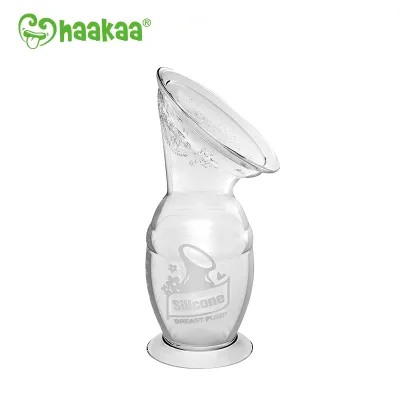
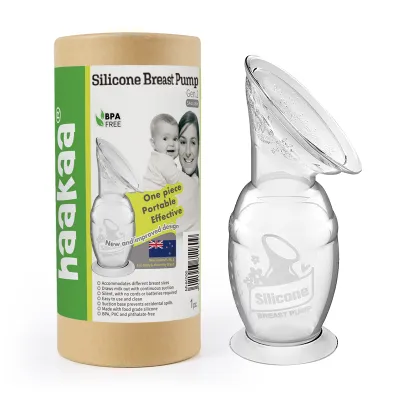
Hakaa has become a household name among parents due to its distinctive, minimalist approach to milk collection. Unlike traditional pumps that rely on complex motorized parts, tubing, and multiple valves, the classic Hakaa pump is a one-piece vessel molded entirely from food-grade silicone. This simple design eliminates the need for assembly, making it exceptionally easy to clean, sterilize, and maintain. Because there are no small crevices or electrical components, you can simply wash it with warm soapy water and sterilize it using boiling water or a standard steam sterilizer.

The operation of a Hakaa pump relies on continuous gentle suction rather than active, rhythmic pumping. To use it, you fold back the flange, squeeze the bulb of the silicone bottle, center it over your nipple, and release the flange to create a vacuum. Once attached, the pump uses this steady suction to draw out milk, making it highly effective as a passive let-down collector. Many mothers place the Hakaa on one breast to catch the milk that naturally flows during a let-down while their baby is nursing on the opposite side, preventing precious milk from being lost into a nursing pad.
While the Hakaa is highly praised for its silent operation, portability, and ease of use, it does have clear functional limitations. Because the suction is manual and static, you cannot adjust the speed or cycle patterns as you would with an electric pump. The strength of the suction depends entirely on how firmly you squeeze the silicone base before application, which requires some trial and error to find a comfortable pressure level. Additionally, because it relies on a secure suction seal against the skin, sudden movements or a kicking baby can easily break the seal, potentially leading to spills if you do not use a model equipped with a suction base or a lanyard.
How Competing Brands Compare Across Key Dimensions
When contrasting Hakaa with other major breast pump categories available in Singapore, several structural and functional differences become apparent. The most significant distinction lies in suction control and customization. Motorized electric pumps from established brands offer multi-phase expression technology, which typically begins with a fast, shallow stimulation mode to trigger the let-down reflex, followed by a slower, deeper expression mode to maximize milk flow. These units allow you to fine-tune both the suction strength and the cycle speed across multiple levels, a level of customization that manual silicone pumps cannot replicate.
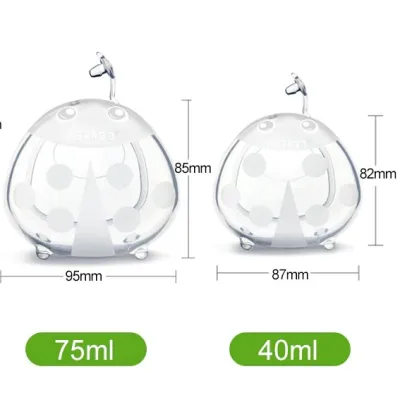
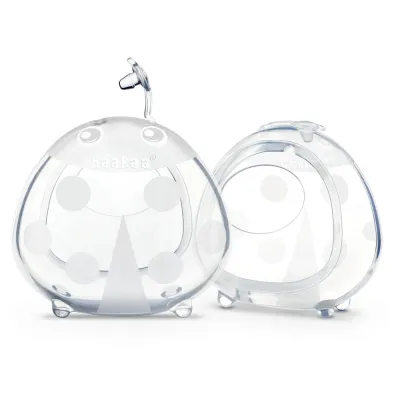
Hands-free capabilities also differ dramatically between these product types. While a Hakaa pump is technically hands-free once the suction seal is established, it protrudes outward from the breast, making it vulnerable to being knocked off and difficult to wear discreetly under clothing. In contrast, modern wearable electric pumps are designed to fit entirely inside a standard nursing bra. These self-contained units house the motor, battery, and collection cup in a single contoured shell, allowing you to express milk discreetly while working at a desk, doing household chores, or commuting, without any external tubes or dangling bottles.
Flange sizing and accessory ecosystems represent another crucial point of comparison. A standard silicone collector like the Hakaa typically features a one-size-fits-all flexible opening designed to accommodate a wide range of breast shapes. However, if your nipple size falls outside the average range, a rigid, non-adjustable opening can cause friction, discomfort, or inefficient milk expression. Electric pump brands generally offer a comprehensive selection of interchangeable flange sizes, along with specialized inserts to ensure a precise fit. Furthermore, these brands provide extensive ecosystems of replacement valves, tubing, membranes, and compatible storage bottles, making it easier to maintain the pump’s performance over several months or years of daily use.
Decision Framework: Which Brand Should You Choose?
To determine the best option for your household, you can use a simple decision framework based on your daily routine and feeding goals. If your primary objective is to collect passive let-down milk while nursing, relieve occasional engorgement, or maintain a highly portable, budget-friendly backup pump, a Hakaa-style silicone pump is an excellent choice. Its simplicity, lack of noise, and minimal cleaning requirements make it a low-stress addition to a direct-breastfeeding routine, especially during the early weeks when your milk supply is regulating.
If you are returning to work, planning to express milk multiple times a day, or managing an exclusive pumping routine, you should prioritize established electric or wearable pump brands. The motorized suction control, customizable cycle speeds, and double-pumping capabilities of these units are essential for maintaining a robust milk supply and minimizing the time spent pumping. While these systems represent a higher initial financial investment, the time saved and the efficiency gained are often critical for sustaining a long-term pumping schedule.
It is also important to recognize that neither option may be a perfect fit if you experience specific anatomical challenges, low milk supply, or latching difficulties. In such cases, relying solely on retail consumer pumps may not yield the best results. If you find that pumping is consistently painful or ineffective, you should consult a certified lactation professional in Singapore. They can assess your specific needs, help you measure your flange size accurately, and recommend specialized or hospital-grade rental equipment designed to address complex feeding situations.
Essential Checks Before Purchasing Any Breast Pump
Before finalizing your purchase, there are several critical safety, compatibility, and warranty verifications you must perform. Because breast pumps are personal hygiene items that come into direct contact with breast milk, material safety is paramount. Always check the manufacturer’s product documentation to verify that all components are made from food-grade, BPA-free materials. For electric models, ensure the unit complies with local electrical safety standards and comes with a compatible charging adapter or plug suitable for Singapore power outlets.
Flange compatibility is another vital check. Before buying, measure your nipple diameter according to the manufacturer’s instructions and compare it against their sizing charts. Do not assume that the standard flange included in the box will fit you comfortably, as using an incorrect size can lead to tissue damage and reduced milk output. Additionally, check the long-term availability of replacement parts, such as silicone valves and membranes, which naturally wear down over time and must be replaced periodically to maintain proper suction.
Finally, always review the warranty terms and purchase only from authorized local distributors or reputable retail outlets. Buying from unauthorized parallel importers or unverified sellers on online marketplaces may save money initially, but it often leaves you without a valid local warranty if the motor fails. A reliable local warranty ensures you can quickly obtain a replacement or repair, which is crucial when you rely on your pump daily to feed your baby.
Frequently Asked Questions (FAQ)
Can I use a Hakaa pump and an electric pump together?
Yes, you can use a manual silicone collector on one breast while using an electric pump on the other. This combination is a common strategy for saving time, as the electric pump actively stimulates a let-down on one side, which naturally triggers milk flow on the opposite side for the silicone collector to catch. Always refer to the manufacturer instructions for both devices to ensure proper positioning, and maintain strict hygiene standards by thoroughly cleaning and sterilizing both pumps after each use.
How do I know which flange size I need?
To find your correct flange size, you must measure the diameter of the base of your nipple (excluding the areola) using a ruler or a printable sizing tool, preferably before a pumping session. Compare this measurement to the specific brand’s sizing guide, as sizing scales, shapes, and recommended margins vary significantly between different manufacturers. Because your breast and nipple shape can change throughout your postpartum journey, it is important to re-evaluate the fit if you begin to experience discomfort, rubbing, or a sudden drop in milk expression efficiency.

Community discussion
Share your experience or ask a question. Comments are reviewed before publication.