
Choosing the right breast pump is a highly personal decision that directly impacts your comfort, daily schedule, and breastfeeding journey. While the Haakaa breast pump popularized the category of one-piece silicone milk catchers, a variety of other silicone options now exist, ranging from similar passive collectors to active manual pumps and soft silicone flange inserts. Finding the best fit depends on whether you need a simple tool to catch let-down on one side while nursing, an adjustable manual pump for active expression, or a comfortable accessory to pair with an electric system.
Understanding how these options differ in design, suction style, and daily maintenance will help you select a tool that integrates seamlessly into your routine. By evaluating your specific feeding goals and physical comfort, you can avoid unnecessary purchases and build a pumping setup that supports your lactation journey.
How Haakaa Compares to Other Silicone Breast Pumps
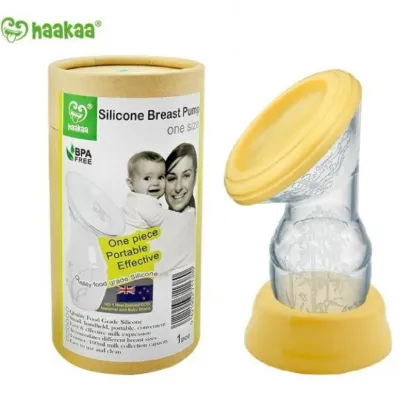
Passive silicone pumps, pioneered by brands like Haakaa, operate on a remarkably simple principle. Unlike traditional manual pumps that require continuous hand-pumping or electric models powered by a motor, these devices use continuous passive suction. You compress the flexible silicone body, center the flange over your nipple, and release to create a gentle vacuum that draws milk out. This mechanism is primarily designed to catch the natural let-down reflex on one breast while your baby nurses on the other, making it an efficient way to collect milk without extra effort.
Products mentioned in this guide
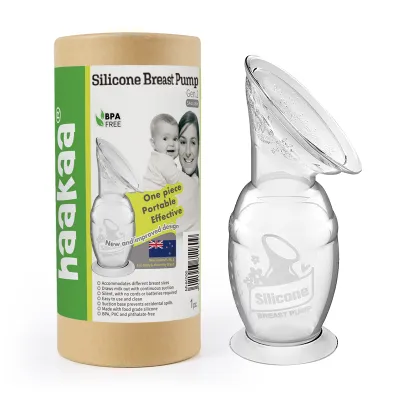
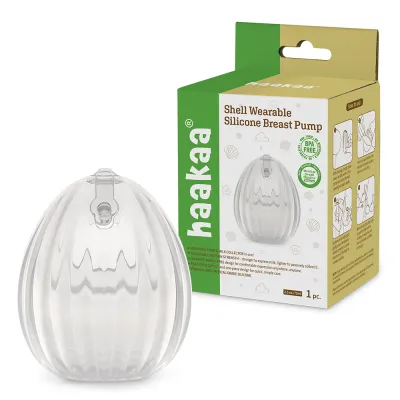
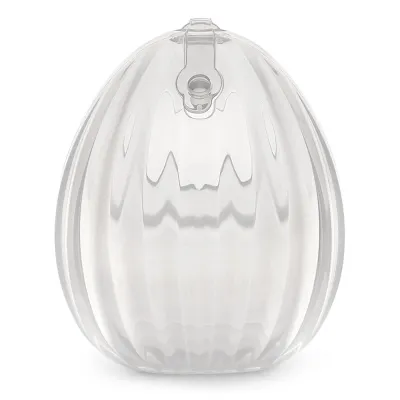
Prices are valid at publication and may change. Please refer to the product page for the latest price.
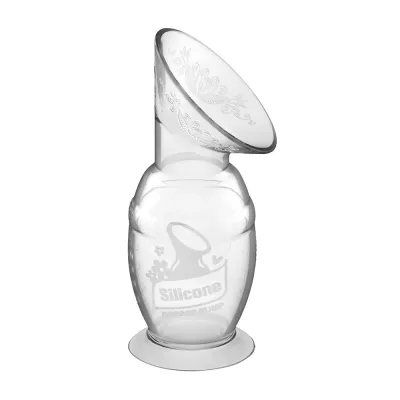
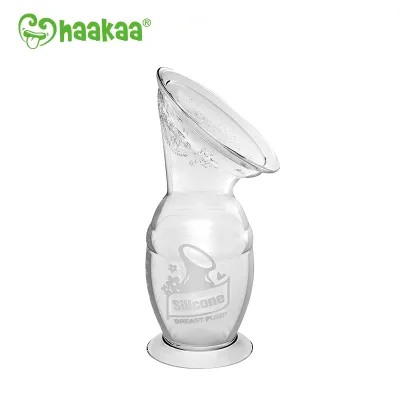
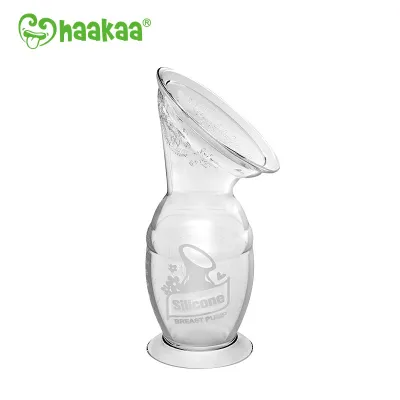
Typical one-piece silicone catchers feature a single molded piece of silicone with a wide, funnel-shaped flange and a bulbous collection chamber. Because they have no moving parts, cords, or multiple valves, they are highly valued for their simplicity and silent operation. However, they do not offer the active, rhythmic expression cycle of a standard pump, meaning they rely heavily on your body’s natural milk ejection reflex to yield results.
Alternative silicone options on the market generally fall into a few distinct categories. Some brands offer multi-piece manual pumps that combine a silicone body with a mechanical handle or adjustable valve to allow for active, manual expression. Other alternatives include wearable silicone collection cups that sit inside your bra, or soft silicone flange attachments designed to fit over the rigid plastic flanges of electric breast pumps to improve comfort and seal quality.
Critical Features to Compare Before You Choose
When comparing different silicone pumps, the suction mechanism is the most critical factor to evaluate. A standard passive pump relies entirely on the initial squeeze you apply to the body; once attached, the suction remains relatively constant until the vacuum is broken or the chamber fills. In contrast, some alternative manual pumps feature adjustable valves or flexible handles that let you vary the suction strength and cycle speed manually, giving you greater control over the expression process.

Milk capacity and measurement markings are also essential for tracking your output. Most standard silicone pumps hold between 90ml and 150ml of milk, but the readability of the embossed measurements can vary significantly between brands. If you need precise tracking for feeding logs, look for models with clear, contrasting measurement gradients rather than faint, molded-in numbers that can be difficult to read in low light.
Base stability and spill prevention are common pain points for parents using one-piece silicone pumps. Because these pumps are top-heavy when filled with milk, they can easily tip over when placed on a flat surface. Many modern designs address this by incorporating a suction base that adheres to tables, or by including a dedicated stand or silicone stopper to secure the collected milk immediately after use.
Material thickness and durability also play a major role in how the pump performs over time. High-quality silicone should feel firm yet flexible, maintaining its shape and suction power through repeated sterilization cycles. Thinner, lower-grade silicone may stretch out quickly, leading to a weaker vacuum seal and a higher risk of the pump slipping off during a session.
Which Silicone Pump Fits Your Pumping Routine?
A one-piece passive silicone pump is an excellent choice if your primary goal is simplicity and hands-free let-down collection. If you frequently experience a strong let-down on the opposite side while nursing your baby, attaching a passive collector is an easy way to build a freezer stash without adding extra pumping sessions to your day. This style requires virtually no assembly, is easy to clean, and slips quietly into a diaper bag for on-the-go use. In a bustling city environment like Singapore, where parents are often pumping on the go or in compact office spaces, the silent and cord-free nature of a passive collector is highly practical.
If you need to actively express milk but still want a lightweight, portable option without an electric motor, a multi-piece manual pump with a silicone body or adjustable handle is likely a better fit. These models allow you to mimic a baby’s nursing pattern by alternating between quick, shallow squeezes to stimulate let-down and deeper, slower squeezes to draw out milk. This active control makes them more effective at fully emptying the breast than a purely passive collector.
For parents who primarily rely on electric breast pumps but struggle with discomfort, silicone flange attachments or full silicone flanges are highly beneficial. Rigid plastic flanges can cause friction and soreness, especially during long pumping sessions. Upgrading to a soft silicone flange interface can distribute pressure more evenly across the breast tissue, improve the vacuum seal, and make the overall experience much more comfortable.
It is important to recognize that neither passive silicone collectors nor manual pumps are designed to replace a heavy-duty electric pump if you are exclusively pumping or managing a low milk supply. If you require hospital-grade suction, precise cycle programming, or professional guidance to address supply issues, you should consult a certified lactation specialist or healthcare provider to design an appropriate pumping plan.
Safety, Authenticity, and Pre-Purchase Checks
Because these devices come into direct contact with breast milk that will feed your baby, verifying material safety is paramount. Always check the product packaging and manufacturer specifications to ensure the pump is made from 100% food-grade or medical-grade silicone. Look for clear labels indicating the product is free from bisphenol A (BPA), bisphenol S (BPS), phthalates, and other potentially harmful plasticizers.
Flange sizing is another critical check, as a poor fit can lead to pain, tissue damage, and reduced milk output. While many one-piece silicone pumps are marketed as ‘one-size-fits-all’ due to their flexible flanges, they may not accommodate all nipple sizes comfortably. If you have particularly small or large nipples, inspect the manufacturer’s sizing guidelines or look for brands that offer multiple flange size options or compatible inserts.
The popularity of silicone pumps has led to an influx of counterfeit and low-quality imitations on online marketplaces. To protect your health and safety, purchase your pump directly from the manufacturer’s official website or from authorized local retailers. Counterfeit products may look identical but can be manufactured using industrial-grade silicone or chemical additives that are unsafe for food contact.
Finally, always review the manufacturer’s care instructions before your first use. Different silicone formulations have varying tolerances for heat and chemical exposure. In warm, humid climates, ensuring that silicone parts are completely dry after sterilization is crucial to prevent mold growth. Verify whether the pump can be safely boiled, steam-sterilized, or washed in a dishwasher, and pay close attention to the recommended replacement timeline, as silicone naturally degrades and loses elasticity over months of regular use.
Frequently Asked Questions (FAQ)
Can I use a silicone breast pump as my primary pump?
A passive silicone breast pump is generally not recommended as your primary tool for maintaining or building a milk supply. These devices rely on passive suction and your body’s natural let-down reflex, which is typically not sufficient to thoroughly empty the breasts on a regular basis. They are best used as companions to direct breastfeeding or electric pumping, helping you catch leaking milk or relieve mild engorgement.
If you are exclusively pumping or need to establish a robust milk supply, an electric breast pump or a high-quality active manual pump is much more effective. Relying solely on a passive collector can lead to a gradual decrease in your milk supply over time, as your body requires active, frequent stimulation to signal continued milk production.
How do I know if the silicone flange size is correct?
A correct flange fit should feel comfortable and allow your nipple to move freely in and out of the tunnel without excessive friction. If you experience pinching, rubbing, or sharp pain during use, the flange size is likely incorrect. Other signs of a poor fit include your areola being pulled deeply into the tunnel, or the pump failing to maintain a secure suction seal even when applied correctly.
If you notice persistent discomfort, swelling, or a sudden drop in the amount of milk you are able to collect, stop using the pump and evaluate the fit. Consulting a lactation consultant can provide you with professional sizing guidance and help you find a flange shape or size that matches your anatomy.
Why is my silicone pump losing suction over time?
Silicone is a flexible, porous material that naturally degrades, stretches, and loses its elasticity with regular use and frequent exposure to high heat. If you notice your pump is slipping off more easily or drawing milk less effectively, the silicone may have softened too much to maintain a strong vacuum. This is a normal wear-and-tear process that occurs with all silicone baby products.
To prolong the life of your pump, follow the manufacturer’s specific cleaning and sterilization guidelines, avoiding harsh chemicals or excessive boiling beyond what is recommended. Inspect the pump regularly for tiny tears, cloudiness, or a sticky texture, which are clear indicators that the material has broken down and the pump needs to be replaced.

Community discussion
Share your experience or ask a question. Comments are reviewed before publication.