
When shopping for a baby head-to-toe wash in Singapore, parents often search for “HSA-certified” products to ensure they are safe for delicate infant skin. However, the Health Sciences Authority (HSA) does not “certify” or “approve” cosmetic products, including baby washes, before they are sold. Instead, the regulatory framework relies on a mandatory product notification system. This means the responsibility of ensuring safety lies with the manufacturer and importer, while the HSA monitors compliance and conducts post-market surveillance. Because product formulations, importers, and regulatory statuses change frequently, relying on a static list of brands is not enough. Parents must learn how to independently verify a product’s notification status and evaluate its ingredients to make the safest choice for their child.
In Singapore’s hot and humid climate, babies often require frequent baths to stay comfortable. This frequent exposure to water and cleansing agents makes the choice of a head-to-toe wash incredibly important. A product that is not properly formulated or lacks regulatory oversight can easily strip the skin’s natural moisture barrier, leading to dryness, irritation, or flare-ups of conditions like infant eczema. By understanding how the local regulatory system works and what to look for on a product label, you can confidently navigate the retail landscape and protect your baby’s skin health.
Understanding HSA Regulation for Baby Bath Products
The Health Sciences Authority (HSA) regulates cosmetic products in Singapore, which includes baby head-to-toe washes, shampoos, and bubble baths. Under the ASEAN Cosmetic Directive, which Singapore follows, cosmetic products do not undergo a pre-market approval process by the government. Instead, the regulatory process requires the local company—whether they are the manufacturer, assembler, or importer—to submit a product notification to the HSA before the product can be sold to the public.
Products mentioned in this guide
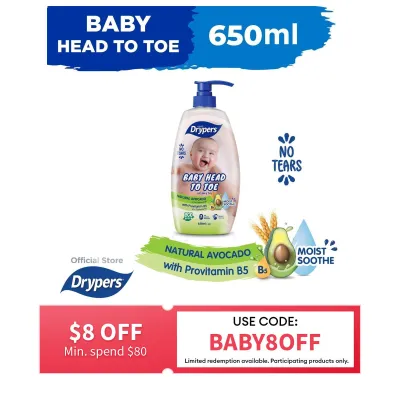
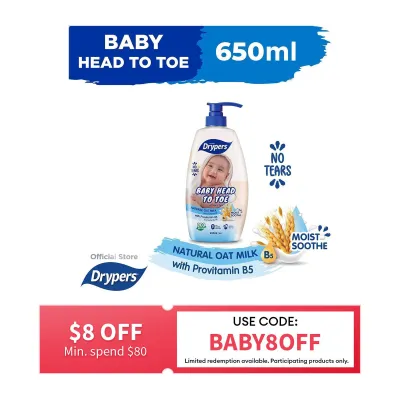
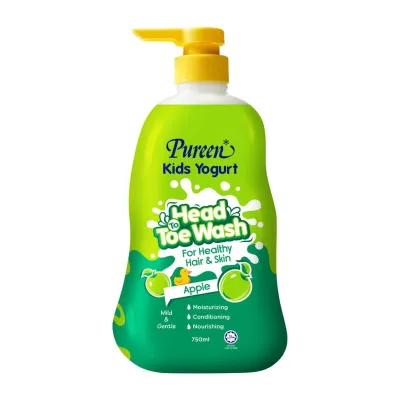
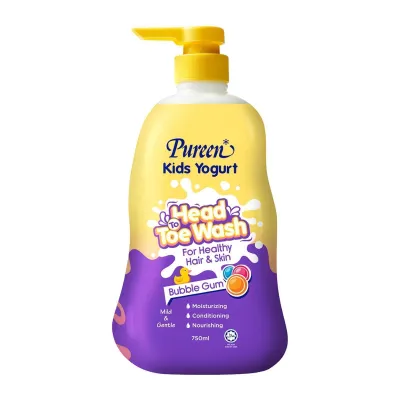
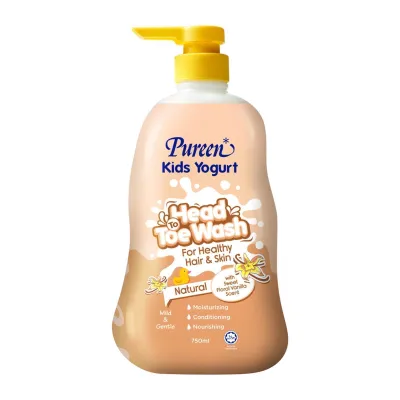
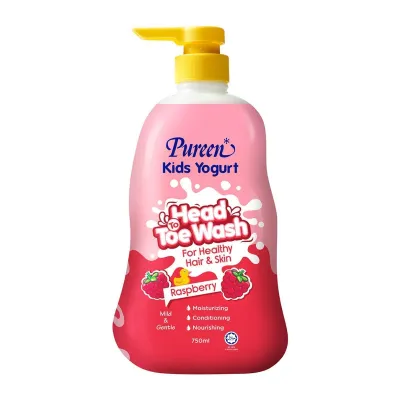
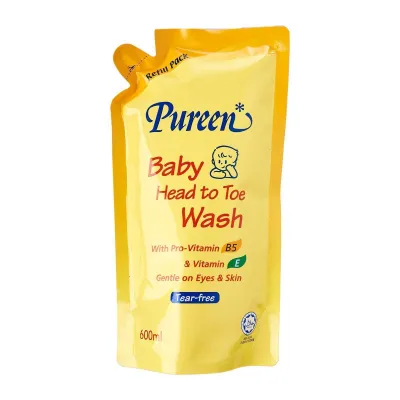
Prices are valid at publication and may change. Please refer to the product page for the latest price.
This notification process serves several critical safety functions. First, it requires the local company to declare that the product complies with all safety standards, does not contain any banned substances, and contains restricted ingredients only within safe, legally defined limits. Second, it establishes a clear line of accountability. If a safety issue or adverse reaction occurs, the HSA can quickly trace the product back to the local notification holder. This system allows the HSA to conduct effective post-market surveillance, which includes sampling products from retail shelves for laboratory testing and issuing public alerts or recalls if contamination or undeclared harmful ingredients are found.
For infants, whose skin barrier is still developing, this regulatory oversight is a vital safety net. Infant skin is significantly thinner and more permeable than adult skin, making it far more susceptible to absorbing chemicals and environmental irritants. A baby’s skin also loses moisture much faster, which can be exacerbated by harsh or non-compliant cleansing agents. By ensuring that a baby wash has been properly notified with the HSA, parents can have peace of mind that the product has met the baseline safety requirements established for the Singapore market, reducing the risk of exposure to unauthorized or hazardous chemicals.
How to Verify HSA Status Before Purchasing
Verifying whether a baby head-to-toe wash has been notified with the HSA is a straightforward process that parents can perform independently. The HSA maintains an online public database of notified cosmetic products, which is updated regularly. To check a product’s status, you can visit the official HSA website and navigate to the cosmetic product notification search portal. By entering the brand name, product name, or the name of the local importer, you can instantly verify if the product is legally registered for sale in Singapore.

In addition to online verification, physical packaging provides crucial clues about a product’s regulatory compliance. Under Singapore’s cosmetic regulations, the packaging of a baby wash must display specific information clearly in English. This includes a complete list of ingredients, the batch number, the expiry date or period after opening, and the name and address of the local company responsible for importing or distributing the product. If you pick up a bottle and find that the ingredient list is missing, written in a foreign language without an English translation, or that there is no local distributor address listed, these are major red flags.
Parents should also be wary of products sold online that feature vague descriptions or lack clear packaging photos. Unregistered or counterfeit baby washes are occasionally smuggled into the market through unauthorized third-party sellers on online marketplaces. These products may bypass the HSA notification system entirely, meaning they have not been declared compliant with local safety standards. They may contain banned preservatives, heavy metals, or microbial contamination that can cause severe skin infections or systemic health issues in infants. Always inspect the physical bottle for a professional, intact label with local distributor details before applying any product to your baby’s skin.
Essential Selection Criteria for Baby Head-to-Toe Wash
While verifying HSA notification is an essential first step, it only guarantees that a product meets baseline safety standards; it does not guarantee that the formulation is suitable for your baby’s unique skin type. When selecting a head-to-toe wash, the formulation’s pH level is one of the most critical factors to consider. A newborn’s skin surface is close to neutral at birth but rapidly develops an “acid mantle”—a slightly acidic protective barrier with a pH of approximately 5.5. This acidic environment is essential for maintaining skin barrier function and inhibiting the growth of harmful bacteria. Traditional bar soaps and harsh cleansers are highly alkaline, often possessing a pH of 9 to 10, which can disrupt this delicate mantle. Look for baby washes explicitly formulated to be pH-balanced, typically around 5.5, to support the natural skin barrier.
The type of cleansing agents, or surfactants, used in the wash also dictates its gentleness. Head-to-toe washes designed for infants should utilize mild, non-ionic or amphoteric surfactants rather than harsh anionic surfactants. Ingredients such as coco-glucoside, decyl glucoside, lauryl glucoside, and sodium cocoyl glutamate are excellent examples of gentle cleansers that effectively remove dirt and sweat without stripping the skin of its natural lipids. Conversely, parents should avoid products containing harsh sulfates, such as Sodium Lauryl Sulfate (SLS) or Sodium Laureth Sulfate (SLES). These ingredients are known to be highly drying and can cause significant irritation, particularly to a baby’s eyes and sensitive skin areas.
Furthermore, “tear-free” formulations are highly recommended for head-to-toe washes, as they prevent discomfort during hair washing. These formulations are carefully balanced to match the pH and salinity of human tears, ensuring that accidental contact with the eyes does not cause stinging or redness.
For babies with sensitive or eczema-prone skin, avoiding synthetic fragrances and certain preservatives is paramount. Fragrance is one of the most common triggers for allergic contact dermatitis in infants. Even products labeled “unscented” may contain masking fragrances, so it is vital to read the ingredient list for specific fragrance allergens. Preservatives are necessary to prevent bacterial and mold growth in water-based products, but some are much gentler than others. Avoid harsh preservatives such as parabens, formaldehyde donors (like DMDM hydantoin), and methylisothiazolinone (MIT), which have been linked to skin sensitization. Instead, look for formulations that use mild, food-grade preservatives or those specifically tested and approved for sensitive infant skin.
Reliable Purchasing Channels in Singapore
To minimize the risk of purchasing unregistered, counterfeit, or improperly stored baby washes, parents should be highly selective about where they shop. Established brick-and-mortar retail environments in Singapore offer the highest level of safety. Major pharmacy chains, such as Guardian, Watsons, and Unity, as well as reputable department stores and major supermarkets, have strict quality control and procurement processes. These retailers work directly with authorized local distributors who ensure that every batch of baby wash stocked on their shelves has been properly notified with the HSA and complies with all local labeling laws.
Shopping on online marketplaces requires a higher degree of vigilance. While these platforms offer convenience and competitive pricing, they also host numerous third-party sellers who may source products through parallel imports or unauthorized channels. If you choose to shop online, prioritize official brand stores or authorized retail malls within the platform. Avoid purchasing from individual third-party sellers who offer baby washes at prices that seem unusually low compared to established retail rates, as this can be a sign of counterfeit goods or expired stock.
Another critical factor to consider in Singapore is product storage. The country’s tropical climate features consistently high temperatures and humidity. If baby washes are stored improperly in non-air-conditioned warehouses or transit facilities by unauthorized sellers, the heat can degrade the product’s formulation. This degradation can break down the preservative system, leading to the rapid growth of bacteria or mold inside the bottle, or cause the emulsion to separate, rendering the wash ineffective or irritating. Authorized distributors and reputable retailers utilize climate-controlled supply chains to maintain product stability from the manufacturer to the retail shelf, ensuring the product remains safe for your baby.
Safe Usage and Monitoring Skin Reactions
Even when you have selected a highly rated, HSA-notified baby head-to-toe wash with an exemplary ingredient list, it is essential to introduce it to your baby’s routine safely. Every infant’s skin is unique, and individual sensitivities can occur even with the gentlest formulations. Before using a new wash for a full-body bath, it is highly recommended to perform a simple patch test. Apply a very small, diluted amount of the product to a small area of your baby’s skin, such as the inner forearm or behind the ear, during their regular bath time. Rinse it off thoroughly and monitor the area over the next 24 to 48 hours. If you observe any signs of redness, swelling, itching, or tiny bumps, discontinue use immediately, as this indicates an adverse reaction or sensitivity to an ingredient in the formulation.
Proper bathing techniques also play a significant role in maintaining your baby’s skin health. The water temperature should always be lukewarm, ideally between 36°C and 38°C, which closely matches human body temperature. Water that is too hot can quickly strip the natural oils from your baby’s skin, leading to severe dryness and irritation, regardless of how gentle the wash is. Keep bath times short, generally between 5 and 10 minutes, to prevent the skin from becoming waterlogged and losing its natural moisture barrier. Gently pat your baby’s skin dry with a soft towel instead of rubbing, and apply a gentle, baby-safe moisturizer immediately after bathing to lock in hydration.
Caregivers must remain vigilant and monitor their baby’s skin condition continuously. If your baby develops persistent skin irritation, widespread redness, dry and scaly patches, or hives after using a head-to-toe wash, stop using the product immediately. Switch to bathing your baby in plain, lukewarm water temporarily. If the skin reaction does not improve within a few days, or if it appears to cause your baby discomfort, consult a qualified paediatrician or dermatologist. They can help identify the specific allergen or underlying skin condition, such as eczema, and recommend appropriate medical treatments or specialized therapeutic cleansers.
Frequently Asked Questions (FAQ)
Are all baby washes sold in Singapore automatically HSA registered?
No, not all baby washes sold in Singapore are automatically notified with the HSA. While local regulations legally require any company importing or selling cosmetic products to submit a notification to the HSA before retail, enforcement can be challenging, especially with the rise of online shopping. Products sold by overseas sellers on e-commerce platforms or parallel imports brought in by unauthorized third-party distributors may bypass this regulatory step. This is why it is crucial for parents to purchase baby washes from reputable, authorized local retailers and to manually verify the product’s notification status on the HSA database if they are unsure of its origin.
Is it safe to use an HSA-registered adult body wash on a baby?
No, it is generally not safe or recommended to use adult body wash on a baby, even if the product is fully notified with the HSA. HSA notification simply ensures that a product meets baseline safety standards for its intended target audience; it does not mean an adult product is formulated for infant skin. Adult body washes are designed for thicker, less sensitive skin and often contain stronger surfactants, higher fragrance concentrations, and pH levels that are too harsh for a baby’s delicate skin barrier. Using adult formulations on an infant can lead to severe dryness, chemical irritation, and disruption of the baby’s developing acid mantle. Always choose products specifically formulated, tested, and labeled for babies.

Community discussion
Share your experience or ask a question. Comments are reviewed before publication.