
Securing your home for an active toddler is a milestone every parent faces, particularly when little hands begin exploring low-lying drawers and cabinets. Finding the right kids drawer lock involves balancing mechanical reliability, ease of adult access, and compatibility with your home’s specific cabinetry. In Singapore, where built-in laminate wardrobes, solid wood chests, and high-humidity kitchen environments are common, choosing a lock requires looking beyond brand names to evaluate physical design, adhesive durability, and installation requirements.
Rather than relying on a single “best” brand, the most effective approach is to match the lock mechanism to your furniture type and your child’s developmental stage. High-quality options are widely available through local baby specialty stores and online marketplaces, but their success depends entirely on selecting the correct style and installing it properly. By understanding the mechanical features that resist toddler force and learning how to verify product safety claims, you can create a secure environment without damaging your household furniture.
Essential Safety and Durability Features to Evaluate
When evaluating kids drawer locks, the strength of the locking mechanism is your first line of defense. Toddlers are surprisingly determined and will often use their entire body weight to pull on a drawer handle. A reliable lock must feature a robust latching system, such as a dual-action release that requires two simultaneous movements to open, or a completely concealed magnetic catch that leaves no gap for a child to grip. Mechanisms that rely on simple, single-direction pressure are often quickly figured out by older toddlers.
Products mentioned in this guide
![[SG SELLER][FREE SHIPPING] Brown Plastic Cupboard Locks Drawer Fridge Baby Child Safety Latch Prevent Child from opening](https://img.lazcdn.com/g/p/630939efc2b14587f3d33ee0abac8742.jpg_400x400q80.jpg_.webp)
![[BUNDLE 5] Child Baby Safety Lock / Cupboard Lock / Drawer Lock / Cabinet Lock / Kids Lock](https://img.lazcdn.com/g/p/5d66eac4a4c65ddb032d054945372034.jpg_400x400q80.jpg_.webp)
Prices are valid at publication and may change. Please refer to the product page for the latest price.
Material durability is equally critical for long-term childproofing. Look for locks constructed from heavy-duty, non-toxic plastics like ABS or POM, which resist cracking and warping under repeated impact. Because children may attempt to chew on externally mounted locks, ensuring the materials are free from harmful chemicals is essential. The internal springs and hinges should operate smoothly without binding, as a stiff mechanism can lead to partial latching, leaving the drawer unsecured.
Adhesive quality is a major variable, especially in Singapore’s tropical climate. High humidity and warmth can cause standard adhesives to soften, slide, or lose their grip entirely over time. Reputable brands typically utilize high-bond acrylic foam tapes, such as those manufactured by 3M, which are engineered to withstand moisture and temperature fluctuations. The adhesive must possess sufficient shear strength to resist sudden, forceful yanks while still allowing for clean, damage-free removal when the childproofing phase is over.
Finally, consider the physical profile of the lock. Low-profile and internal designs are generally superior because they remain out of sight, reducing a child’s curiosity. If a toddler cannot see the lock, they are far less likely to pull, scratch, or chew on it. For external locks, rounded edges and a flush fit against the furniture surface prevent children from gaining the leverage needed to pry the device loose.
Comparing Common Types of Kids Drawer Locks
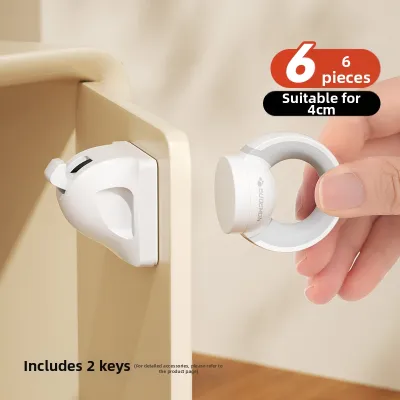
Magnetic locks offer a highly secure and aesthetically pleasing solution for modern homes. These devices are mounted entirely inside the drawer, leaving the exterior of your furniture completely untouched. To open the drawer, you place a magnetic key against the outside of the cabinet face, which retracts the internal latch. This design is ideal for high-quality wooden drawers and handle-less cabinets, as it preserves the clean lines of your interior decor. However, because they require a key to operate, you must keep the key in a safe, accessible spot out of reach of children; losing the key can temporarily lock you out of your own storage.

Push-button and latch locks are another internal mounting option, but they do not require a separate key. Instead, when you pull the drawer open slightly, a flexible plastic hook catches on a keeper mounted to the cabinet frame. To open the drawer fully, an adult must reach into the small gap and press down on the latch to release it. These locks are highly durable and excellent for deep drawers containing non-hazardous items. The primary drawback is that they allow the drawer to open slightly, which can create a small gap where curious fingers might get pinched if the drawer is slammed shut.
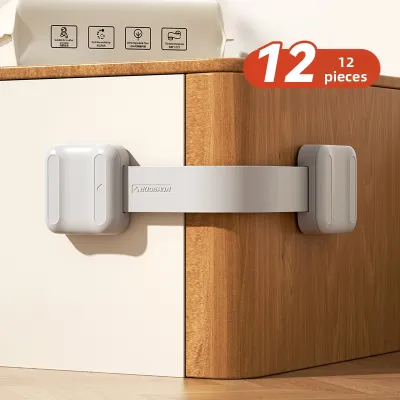
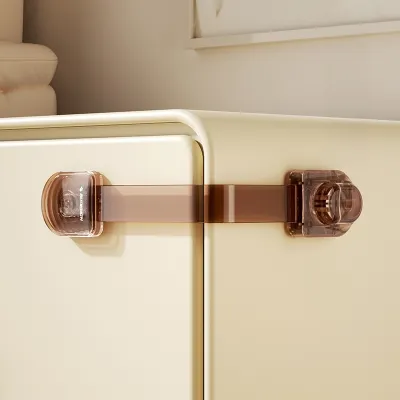
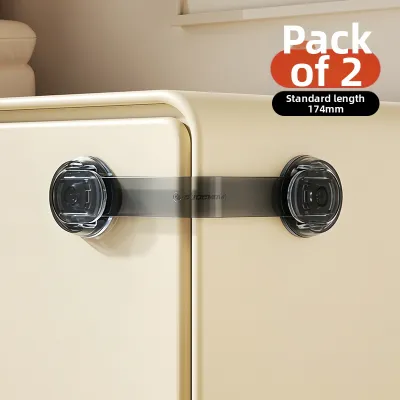
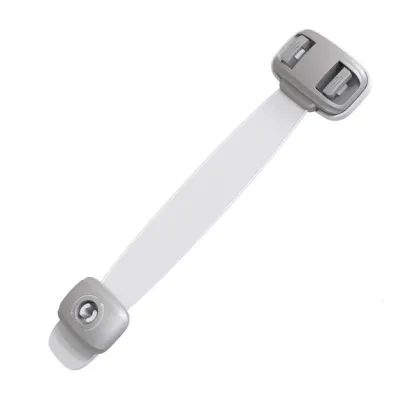
Strap locks are externally mounted devices consisting of two adhesive anchor pads connected by a flexible plastic or fabric strap. One pad is fixed to the side of the cabinet, while the other attaches to the front of the drawer. To open, an adult presses a release button on one of the anchors. Strap locks are incredibly versatile, making them suitable for curved surfaces, corner drawers, and household appliances like refrigerators or microwaves. Because they require no tools for installation, they are a popular choice for rental properties where permanent modifications are restricted, though their high visibility can attract a toddler’s attention.
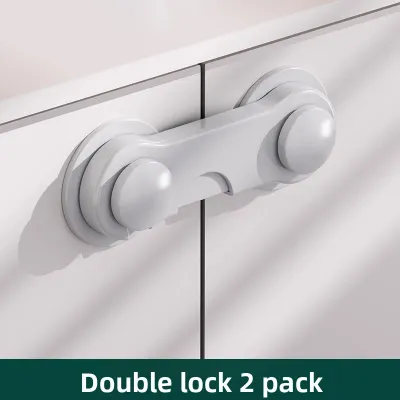
Sliding cabinet locks are designed specifically for adjacent double drawers or cabinets with D-shaped handles or knobs. These external locks slide through the handles and clamp tightly into place, preventing the doors or drawers from being pulled apart. They are completely tool-free, easy to pack for travel, and highly durable. However, they are only compatible with specific furniture configurations and must be completely removed and set aside every time you access the drawer, which some caregivers find inconvenient during daily kitchen tasks.
How to Verify Brand Reliability and Safety Claims
In the absence of independent, standardized testing reports for every brand on the market, caregivers must learn to critically evaluate manufacturer specifications. Check the product packaging or official digital listings for explicit weight-bearing limits and age recommendations. Reliable manufacturers will clearly state the maximum force their locks can withstand and specify the age range the product is designed for, typically up to 24 or 36 months. Avoid products that make vague, universal safety guarantees without providing concrete material or performance specifications.
Look for recognized safety standard marks on the packaging to verify that the product has undergone quality control assessments. Standards such as the European EN 16948 (which specifies safety requirements and test methods for locking devices) or ASTM standards indicate that the design has been evaluated for mechanical strength and child resistance. While these marks do not guarantee absolute safety, they demonstrate that the manufacturer has invested in compliance and quality assurance rather than simply mass-producing generic hardware.
User reviews on local e-commerce platforms and parenting forums can provide valuable insights into real-world durability. When reading reviews, look past the initial five-star ratings and focus on feedback from users who have installed the locks in similar environments. Search for comments regarding adhesive performance in humid kitchen areas, how easily the plastic cracks under daily use, and whether older toddlers have successfully bypassed the mechanism. A pattern of reviews mentioning adhesive failure within a few weeks is a strong indicator that the product may not perform well in Singapore’s climate.
Additionally, verify the manufacturer’s transparency regarding material safety. Reputable brands will explicitly state that their products are free from BPA, phthalates, lead, and other heavy metals. This is particularly important for strap locks and external latches that reside within a child’s reach, as toddlers frequently explore their environment by touching and tasting household objects. If a brand does not disclose its material composition, it is best to look for an alternative that prioritizes chemical safety.
Installation Best Practices and Maintenance Checks
Proper installation is just as important as the quality of the lock itself. Before applying any adhesive-based lock, you must prepare the furniture surface thoroughly. Clean the mounting area with isopropyl rubbing alcohol to remove grease, dust, fingerprint oils, and polish residue. Standard household cleaners often leave a thin film that can prevent the adhesive from forming a strong bond. Ensure the surface is completely dry before proceeding, as moisture trapped beneath the tape will compromise its long-term stability.
Once the surface is clean, carefully align the lock components. Many internal locks come with installation templates or alignment cradles that help you position the latch and keeper perfectly without measuring. Peel the backing from the adhesive, press the lock firmly against the surface, and hold it with steady pressure for at least 30 seconds. This pressure-sensitive adhesive requires physical force to activate the bonding agents and ensure a secure attachment to the laminate or wood.
Allowing the adhesive to cure is a critical step that many caregivers overlook. Most high-quality acrylic tapes require a full 24 hours to cure completely and reach their maximum holding capacity. Do not test the lock, pull on the drawer, or allow your child near the cabinet during this curing period. Subjecting the adhesive to tension before it has fully cured can cause microscopic lifting, leading to premature failure weeks or months down the road.
Childproofing hardware requires regular maintenance to remain effective. Establish a monthly routine to inspect every drawer lock in your home. Check for signs of adhesive degradation, such as peeling edges or shifting brackets, especially on drawers near stoves or bathrooms where steam and heat are common. Test the mechanical action to ensure latches spring back into place smoothly and check for hairline cracks in the plastic. Replace any compromised locks immediately to prevent accidental access to restricted drawers.
Purchasing Channels and Pre-Checkout Verification
When sourcing kids drawer locks, purchasing from established baby specialty stores offers several advantages over buying from unverified online sellers. Specialty retailers typically curate products from brands that comply with international safety standards, reducing the risk of purchasing counterfeit or substandard hardware. Visiting a physical store also allows you to handle the product, assess the thickness of the plastic, and test the stiffness of the spring mechanisms firsthand before making a decision.
If you choose to purchase through general e-commerce platforms, prioritize official brand stores or authorized distributors to ensure product authenticity. Carefully read the product description to verify exactly what is included in the package. For magnetic locks, confirm the number of magnetic keys provided; a large household may require multiple keys to avoid the inconvenience of carrying a single key from room to room. Additionally, check if the package includes spare adhesive pads, which are incredibly useful if you need to reposition a lock during installation.
Before finalizing your purchase, review the retailer’s return and exchange policies. Because drawer construction, track alignments, and handle designs vary significantly between furniture brands, you may find that a specific lock style is incompatible with your home’s cabinetry. A flexible return policy allows you to test a single lock for fit and compatibility before committing to childproofing your entire home, saving you time, money, and frustration.
Frequently Asked Questions (FAQ)
Can kids drawer locks damage wooden furniture?
Adhesive-based kids drawer locks can potentially damage wooden furniture if they are removed incorrectly or applied to delicate surfaces. While high-quality adhesives are designed to be removable, they can pull up wood veneers, paint, or varnish if pried off forcefully. To prevent damage, always use a safe removal method. Apply gentle heat from a hairdryer to soften the adhesive backing, then slowly slide a piece of dental floss or thin fishing line behind the lock to saw through the softened tape. Any remaining residue can be cleaned off using a mild adhesive remover or eucalyptus oil, which is safe for most finished wood surfaces.
At what age should caregivers remove drawer locks?
Caregivers typically begin removing drawer locks when a child reaches between 24 and 36 months of age, though this timeline depends heavily on individual developmental milestones. At this stage, children generally begin to understand verbal safety instructions and can comprehend the consequences of handling dangerous items. Rather than removing all locks at once, transition gradually. Start by unlocking low-risk drawers containing safe items like plastic containers or linens, and use these opportunities to teach your child about boundaries. Keep locks on drawers containing hazardous items, such as knives, medicines, or cleaning supplies, until you are entirely confident in your child’s compliance and safety awareness.

Community discussion
Share your experience or ask a question. Comments are reviewed before publication.