
Choosing between Goon diaper pants and other popular brands in Singapore like Huggies, Pampers, and MamyPoko is not about finding a single “best” diaper, but rather finding the one that matches your baby’s current growth stage, body shape, and skin sensitivity. Because diaper performance is highly individual, a brand that works perfectly for one baby might cause leaks or red marks on another. These differences often stem from variations in thigh circumference, waist shape, and movement patterns.
To make an informed decision, parents should focus on observable physical signs, check manufacturer specifications, and run small trial tests rather than relying on universal claims. This guide provides a practical framework to evaluate absorbency, comfort, and breathability, helping you match the right brand to your baby’s observable needs. By understanding what to look for, you can systematically compare Goon diaper pants with other leading options on the market.
Key Dimensions for Comparing Diaper Pants
When comparing diaper pants, the first critical dimension to evaluate is absorbency and leak guard design. Parents should start by checking the manufacturer’s weight limits printed on the packaging. It is important to note that these weight ranges often overlap significantly between sizes. For example, a medium size might cover babies weighing 6 to 11 kilograms, while a large size covers 9 to 14 kilograms. If your baby is approaching the upper limit of a size range, the diaper’s core capacity may be stretched to its limit, making a size transition necessary.
Products mentioned in this guide
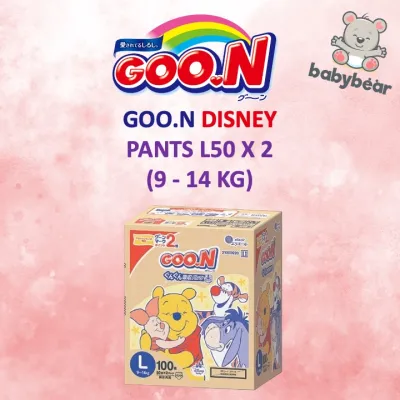
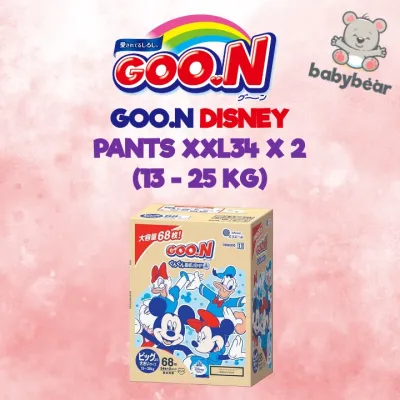
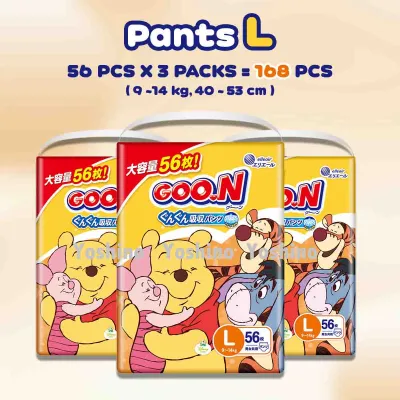
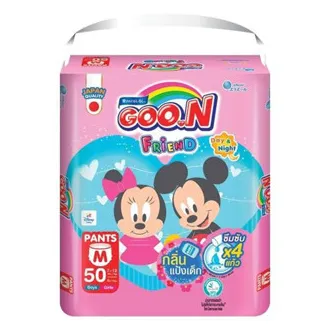
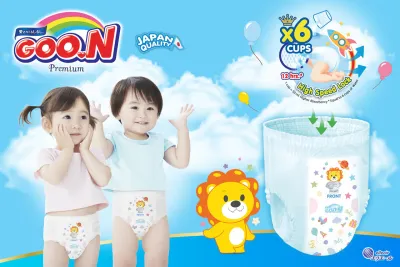

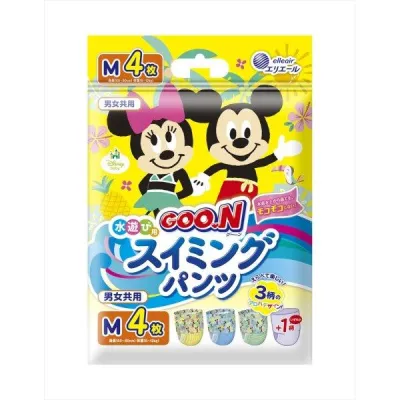
Prices are valid at publication and may change. Please refer to the product page for the latest price.
Beyond weight ranges, the physical design of the absorbent core and the presence of wetness indicators are essential tools for daily monitoring. A wetness indicator changes color when exposed to moisture, allowing you to check if a change is needed without opening the diaper. However, the speed of absorption and the core’s ability to lock away moisture can vary. You can observe this by gently touching the inner lining of a wet diaper during a change; a high-performing core should feel relatively dry to the touch, indicating that moisture is kept away from your baby’s skin.
The second dimension is waistband elasticity and leg cuff fit. Diaper pants rely entirely on the tension of the waistband and leg cuffs to stay in place during active movement. The waistband must stretch comfortably to accommodate a full tummy after feeding, yet recover its shape quickly to prevent gaps when the baby crawls or walks. Leg cuffs, which are the double-layered barriers around the thighs, must sit snugly in the groin crease. If these cuffs are too loose, liquid can easily escape; if they are too tight, they will leave deep red marks on your baby’s delicate skin.
The third dimension is material breathability and skin contact layers. While packaging often highlights advanced airflow designs or micro-porous materials, these claims are difficult to verify without laboratory testing. Instead, parents can review the packaging for specific material declarations and physically inspect the inner lining for softness and texture. A breathable diaper allows heat and moisture vapor to escape, reducing the risk of diaper rash. You can monitor this by checking if your baby’s skin feels excessively damp or warm during diaper changes, which may suggest poor ventilation.
How to Evaluate Goon Diaper Pants Against Competitors
To establish a reliable baseline for comparison, you must first understand the specific product lines offered by Goon and how they align with competing brands. Goon, like Huggies, Pampers, and MamyPoko, typically offers multiple tiers of diaper pants, ranging from standard everyday options to premium lines featuring enhanced softness or specialized absorption technologies. When conducting a comparison, always ensure you are comparing equivalent tiers. Comparing a budget-friendly standard diaper from one brand to a premium, high-end diaper from another will not yield an accurate assessment of their respective designs.

Once you have selected equivalent tiers to test, begin by physically inspecting the diaper pants before putting them on your baby. Feel the texture of the inner lining to assess its softness against your own skin. Test the stretch and recovery of the waistband by pulling it gently with your hands. Note the height and flexibility of the leg cuffs, as well as the design of the tear-away side seams. These seams should be strong enough to hold during active play but easy for a caregiver to tear open during a diaper change.
After the physical inspection, conduct a structured trial period of three to five days with each brand. During this trial, track specific performance indicators in a daily log or mental checklist. Note the frequency of leaks, particularly during high-movement activities or long periods of sleep. Observe the condition of your baby’s skin immediately after removing a wet diaper, looking for any localized redness, dampness, or friction marks. This systematic observation provides a personalized, real-world measure of how well the diaper fits and performs on your baby’s unique body shape.
Decision Framework: Matching Brands to Your Baby's Needs
Choosing Goon diaper pants may be highly suitable if your baby has a rounder tummy or chunkier thighs, as many parents observe that Goon’s specific cut accommodates these body shapes comfortably. If your trial period demonstrates positive skin compatibility, secure fitment during active play, and reliable overnight dryness, Goon can serve as an excellent primary diapering option. The key is to ensure that the waistband sits comfortably above the hips without slipping down during movement.
Conversely, you may want to consider Huggies, Pampers, or MamyPoko if your baby’s physical proportions or daily activity levels align better with their respective designs. For instance, if your baby has a leaner build, a brand with a narrower crotch width or tighter waistband tension might prevent gaps that lead to leaks. If your baby is an exceptionally heavy wetter overnight, you might find that a specific premium line from MamyPoko or Pampers offers a core structure that better manages high volumes of liquid over twelve hours.
It is crucial to remember that no single diaper brand is universally safe or effective for every infant. If your baby experiences persistent friction marks, frequent blowouts despite correct sizing, or unexplained skin irritation, you should stop using the current diaper brand immediately. In such cases, consult a pediatrician or qualified healthcare professional to rule out skin conditions or allergies. Do not attempt to resolve severe rashes simply by switching brands without professional guidance.
To minimize the risk of skin irritation, always verify the material and ingredient labels on the specific product packaging before purchase. Look for clear declarations regarding the absence of fragrances, elemental chlorine, or known allergens. If your baby has highly sensitive skin, cross-reference these packaging claims with the manufacturer’s official product documentation or customer support channels to confirm the ingredients used in the adhesive and elastic components.
Buying Authentic Diapers and Managing Costs in Singapore
To ensure product safety and performance, it is essential to purchase diaper pants through authorized retailers, official brand stores, or reputable online marketplaces in Singapore. Buying from unauthorized parallel importers or unverified third-party sellers carries the risk of receiving counterfeit products, expired stock, or diapers that have been stored in humid, non-temperature-controlled environments. Poor storage conditions can degrade the superabsorbent polymers inside the diaper, leading to premature leaks and skin irritation.
Upon receiving your diaper delivery, take a moment to inspect the packaging carefully. Verify that the outer plastic seal is completely intact and free from punctures or tears. Locate the batch number and manufacturing date, which are typically printed on the bottom or side of the pack. If the packaging appears damaged or if the manufacturing date is excessively old, contact the retailer or manufacturer to verify the product’s integrity before using it on your baby.
Managing diapering costs in Singapore requires looking beyond the upfront price of a single pack or box. To calculate the true cost, divide the total price of the pack in S$ by the number of individual diaper pants inside to find the cost-per-diaper. For example, a pack costing S$24 containing 40 diapers results in a cost of S$0.60 per diaper. Compare this unit cost across different pack sizes, promotional bundles, and subscription services offered by official retailers. This approach allows you to identify genuine savings and manage your household budget effectively without compromising on quality.
Frequently Asked Questions (FAQ)
How do I know if a diaper pant is too small or too large for my baby?
You can determine if a diaper pant is poorly fitted by observing physical signs on your baby’s body. Red marks or deep indentations around the waist or thighs indicate that the diaper is too small and tight, which can restrict movement and cause discomfort. Conversely, frequent leaks, sagging, or visible gaps around the leg cuffs suggest that the diaper is too large. Always cross-reference your baby’s current weight with the manufacturer’s official size chart, and consider sizing up if your baby is near the upper weight limit of their current size.
Can I mix different diaper brands for daytime and nighttime use?
Yes, mixing different diaper brands for daytime and nighttime use is a highly practical and cost-effective strategy. During the day, when diaper changes are frequent and your baby is highly active, you can use a lighter, more flexible diaper pant that supports free movement. For nighttime use, you can switch to a thicker, highly absorbent diaper pant designed specifically to lock away moisture for up to twelve hours, ensuring uninterrupted sleep for both you and your baby.

Community discussion
Share your experience or ask a question. Comments are reviewed before publication.