
Choosing the right baby bottle material depends heavily on the specific baby sterilizer model you use, your daily cleaning routine, and the physical demands of your household. Finding the ideal balance between glass and plastic can significantly impact both the longevity of your bottles and the ease of your daily sanitation routine.
Glass bottles provide universal compatibility across high-heat steam, UV-C light, and chemical cold-water systems. They offer exceptional longevity because glass does not degrade under heat or light, though they carry a higher risk of breaking if dropped.
High-quality plastic bottles, particularly those made from polyphenylsulfone (PPSU) or polyethersulfone (PES), are lightweight, highly impact-resistant, and convenient for daily travel or self-feeding. However, these polymer materials are susceptible to gradual degradation, clouding, or warping when subjected to repeated steam heat or intense UV radiation over several months.
Products mentioned in this guide
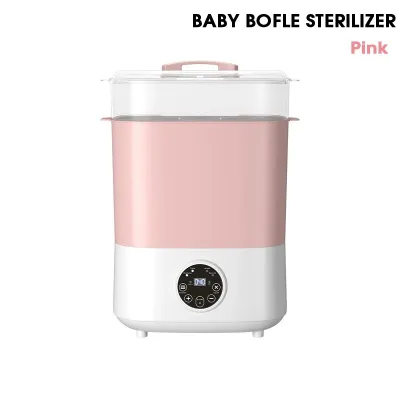
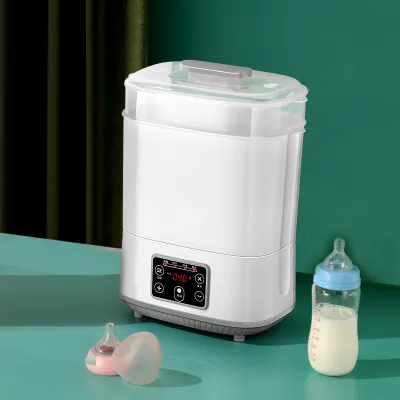
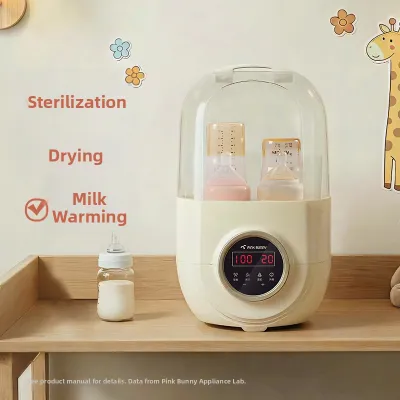
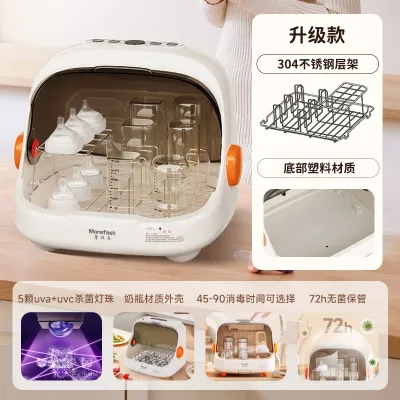
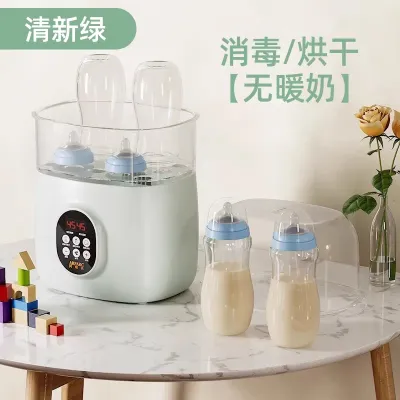
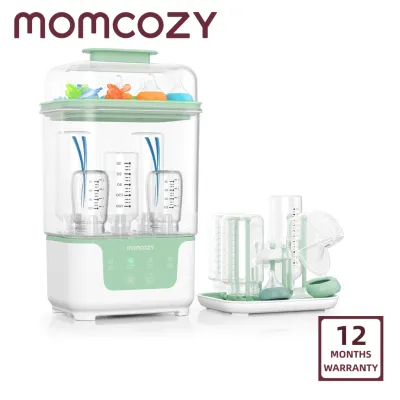
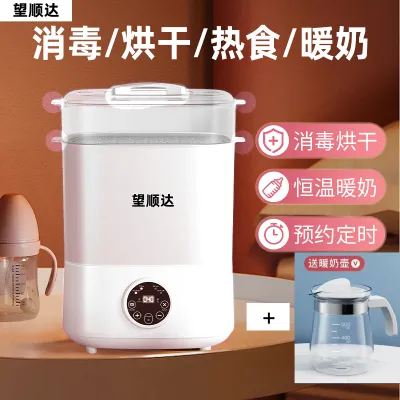
Prices are valid at publication and may change. Please refer to the product page for the latest price.
Ultimately, the safest and most reliable decision requires cross-referencing the manufacturer care label on your bottles with the operating manual of your sterilizer system. Taking a few moments to verify these specifications prevents premature material wear and ensures your feeding equipment remains completely safe for your infant.
Steam Baby Sterilizer Compatibility: Heat Resistance and Longevity
Steam sterilizers rely on high temperatures, typically reaching 100°C, to eliminate bacteria, viruses, and mold spores. This process mimics boiling and requires materials that can withstand intense, damp heat without losing structural integrity or releasing harmful compounds.
Glass Bottles
Most high-quality glass baby bottles are manufactured from borosilicate glass. This material is specifically engineered to resist thermal shock, meaning it can transition from cold temperatures to intense steam heat without cracking.
Under the high heat of a steam cycle, glass remains completely stable, inert, and structurally unchanged. It does not warp, melt, or release any chemical byproducts, making it the most durable choice for parents who rely solely on steam sterilization.
Plastic Bottles
Plastic bottles come in several polymer varieties, including Polypropylene (PP), Polyethersulfone (PES), and Polyphenylsulfone (PPSU). Each has a distinct thermal threshold that dictates how well it handles repeated steam exposure.
PP is the most common and affordable plastic, but it has the lowest heat tolerance, typically around 110°C to 120°C. Frequent exposure to steam can cause PP bottles to lose their shape, develop micro-scratches, or become cloudy relatively quickly.
PES and PPSU are medical-grade plastics with much higher heat resistance, often withstanding temperatures up to 180°C. While they survive steam sterilization far better than PP, daily exposure to high-temperature moisture over six to twelve months will eventually cause minor surface degradation, clouding, or structural fatigue.
Actionable Advice
- Verify Temperature Limits: Before running a steam cycle, always verify the maximum temperature rating on your bottle's packaging to ensure compatibility.
- Avoid Direct Heat Contact: When loading your sterilizer, arrange plastic bottles and accessories carefully so that no plastic components rest directly against or near the metal heating plate at the bottom of the chamber, as localized heat spikes can cause melting.
- Prevent Mold Growth: In humid climates like Singapore, ensure your steam sterilizer has a built-in drying function or transfer the bottles to a clean, dry drying rack immediately to prevent mold growth in the damp environment.
UV Sterilizers: Material Degradation and Clouding
UV-C sterilizers have become highly popular due to their waterless, low-temperature operation, using ultraviolet light to disrupt the DNA of pathogens. However, the radiation that kills germs also interacts with different bottle materials in distinct ways.

Glass Bottles
Glass is highly stable when exposed to UV-C radiation. The electromagnetic spectrum used in these sterilizers does not alter the chemical bonds of borosilicate glass.
As a result, glass bottles can undergo thousands of UV sterilization cycles without experiencing any yellowing, clouding, or structural weakness. This makes glass an excellent companion for long-term UV sterilizer use.
Plastic Bottles
Unlike glass, plastic polymers are organic molecules held together by chemical bonds that can be broken down by prolonged UV-C exposure, a process known as photodegradation.
Standard PP bottles degrade rapidly under UV light, often turning yellow, becoming brittle, and developing a cloudy appearance within a few weeks of daily use.
While high-performance plastics like PPSU and PES are more resilient, they are not entirely immune to UV-induced aging. Over time, continuous exposure to UV-C light can still cause these advanced plastics to discolor or lose some of their impact resistance.
Actionable Advice
- Look for UV-Safe Labels: Check the product packaging or consult the manufacturer's website to ensure your plastic bottles are explicitly labeled as "UV safe" or "UV compatible."
- Perform Visual Inspections: Inspect your plastic bottles weekly under a bright light; if you notice significant yellowing, clouding, or a change in the surface texture, replace the bottle immediately to prevent material failure.
- Optimize Light Path: To optimize UV exposure, ensure bottles are placed upright and spaced out inside the chamber, as UV-C light operates on a line-of-sight basis and cannot sterilize areas in shadow.
Cold Water and Chemical Sterilizers: Staining and Odor Retention
Chemical sterilization involves submerging baby bottles in a cold-water solution mixed with sterilizing tablets or liquid, typically formulated with sodium hypochlorite. This method is highly effective and requires no electricity, but the chemical nature of the solution interacts differently with glass and plastic.
Glass Bottles
Glass features a completely non-porous, smooth surface. It does not react with the active ingredients in chemical sterilizing solutions.
Because of this non-reactive barrier, glass bottles will not absorb the chlorine-like odor or taste of the sterilizing solution. Once removed and drained, they remain completely neutral, ensuring your baby’s milk tastes exactly as it should.
Plastic Bottles
At a microscopic level, plastic is significantly more porous than glass. This slight porosity allows chemical solutions to cling to the surface or penetrate the material slightly.
If plastic bottles are left in chemical baths for extended periods, they can retain a noticeable chemical smell or taste. Additionally, the interaction between the chemical solution and milk fats can cause stubborn stains to bind to the plastic surface, leading to permanent discoloration.
Actionable Advice
- Follow Dilution Guidelines: Always follow the chemical manufacturer's exact instructions regarding dilution ratios and maximum soaking times to protect your bottles from chemical wear.
- Rinse Thoroughly: If using plastic bottles, ensure you rinse them thoroughly with cooled, boiled water after sterilization if the chemical manufacturer recommends it, or allow them to drain completely to minimize odor transfer.
- Limit Submersion Time: Avoid leaving plastic bottles submerged in chemical solutions for hours beyond the recommended sterilization window, as this accelerates material degradation and odor absorption.
Durability, Safety, and Daily Maintenance
Beyond their performance inside a baby sterilizer, glass and plastic bottles have distinct physical characteristics that affect how you handle, clean, and maintain them on a daily basis.
Safety and Material Shedding
Glass is completely inert, meaning it does not leach chemicals or shed particles into your baby’s milk, regardless of temperature changes or physical scrubbing.
Modern plastic bottles sold in Singapore are strictly regulated to be BPA-free. However, research indicates that repeated exposure to heat, UV light, and mechanical scrubbing can cause plastic to shed microplastics over time.
To minimize this risk, inspect plastic bottles regularly and discard any that exhibit internal scratches, as these damaged areas are more prone to shedding particles and harboring bacteria.
Physical Durability
The primary drawback of glass is its weight and susceptibility to breaking. A dropped glass bottle can shatter instantly, posing a safety hazard in the kitchen or nursery.
To mitigate this risk, you can purchase protective silicone sleeves, which absorb impact and improve grip during feeding.
Plastic bottles are incredibly lightweight and virtually shatterproof. This makes them highly practical for travel, daycare, or when your baby reaches the developmental stage of holding their own bottle.
Cleaning and Maintenance
Glass bottles can be scrubbed vigorously with standard bottle brushes without any risk of scratching the surface.
Plastic bottles require gentle care; you should only use soft silicone brushes or sponges. Rigid nylon bristles can easily create microscopic scratches on plastic surfaces, which can trap milk residue and bacteria, rendering subsequent sterilization cycles less effective.
Comparison Matrix: Glass vs. Plastic Across Sterilizer Types
To help you quickly evaluate which material suits your setup, this table outlines the performance of glass and high-grade plastic (such as PPSU or PES) across key categories.
| Feature | Glass Bottles | Plastic Bottles (PPSU/PES) |
|---|---|---|
| Steam Compatibility | Excellent | Good |
| UV Compatibility | Excellent | Fair to Good (Requires UV-safe rating) |
| Chemical Compatibility | Excellent | Fair (Can absorb odors) |
| Heat Degradation Risk | None | Low to Moderate |
| Weight | Heavy | Very Lightweight |
| Breakage Risk | High | Extremely Low |
| Odor/Stain Retention | None | Low to Moderate |
How to Choose the Right Bottle for Your Routine
Selecting the right bottle material is a balance between your sterilizing equipment, lifestyle preferences, and your baby’s developmental stage.
Choose Glass if:
- You primarily use UV or steam sterilizers and want a material that will not degrade, cloud, or discolor over time.
- You prioritize absolute chemical inertness and want to eliminate any risk of microplastic shedding during heating.
- You primarily feed your baby yourself, or use the bottles in carpeted or protected spaces where the risk of dropping and shattering is minimal.
Choose Plastic if:
- You need lightweight, durable, and shatterproof bottles that are easy to pack for outdoor trips, travel, or daycare drop-offs.
- Your baby is transitioning to self-feeding and needs a bottle they can easily hold without fatigue or safety risks.
- You use standard steam sterilizers and are comfortable inspecting and replacing the bottles every few months as signs of wear appear.
Verify First if:
- You are using a hybrid, multi-functional, or smart sterilizer that combines steam, UV, and drying cycles.
- Always cross-reference the bottle manufacturer's care instructions with your sterilizer's user manual to ensure the specific plastic grade (PP, PES, or PPSU) is approved for the exact temperature and light cycles of your machine.
Frequently Asked Questions (FAQ)
Can I mix glass and plastic bottles in the same sterilizer?
Yes, you can safely sterilize glass and plastic bottles together in most steam or UV sterilizer models, provided you load them correctly. Always place plastic bottles and silicone nipples away from the direct heating element in steam sterilizers to prevent localized heat damage. Ensure that no bottles block the UV light path or steam vents, allowing for even distribution throughout the chamber.
How often should I replace plastic baby bottles?
Rather than following a rigid calendar timeline, you should replace plastic baby bottles based on a thorough physical inspection. Examine the bottles regularly under bright light and replace them immediately if you detect persistent clouding, deep scratches, yellowing, structural warping, or a sour odor that remains after cleaning. Typically, standard PP bottles require replacement every three to six months, while high-grade PPSU bottles may last up to a year with proper care.
Do silicone bottles behave like glass or plastic in sterilizers?
Medical-grade silicone bottles share properties with both materials. Like glass, silicone is highly heat-resistant, chemically inert, and compatible with steam and chemical sterilizers without degrading. However, like plastic, silicone is flexible, lightweight, and can occasionally absorb strong food odors or mineral deposits from local water if not washed thoroughly before sterilization.

Community discussion
Share your experience or ask a question. Comments are reviewed before publication.