
Selecting the right baby bottle material is a crucial decision for parents looking to streamline their daily sanitizing routine with an automatic bottle washer. While these specialized appliances offer immense convenience, they subject bottles to high-pressure water jets, specialized detergents, and intense heating and drying cycles. The three primary bottle materials—glass, silicone, and plastic—each interact with these conditions in distinct ways. Glass offers unmatched chemical purity and stain resistance but is heavy and susceptible to thermal shock. Silicone is highly durable and heat-resistant but can retain moisture and odors if the washer’s drying cycle is insufficient. Plastic is lightweight and economical but degrades faster under repeated high-heat exposure. Understanding how these materials perform under mechanical washing helps ensure your bottles remain clean, safe, and durable over months of continuous use.
In warm, humid climates like Singapore, where ambient moisture can encourage rapid bacterial and mold growth on damp surfaces, the drying efficiency of your bottle washer is just as critical as the wash cycle itself. Choosing a bottle material that aligns with your washer’s heating capabilities and rack design prevents structural damage and ensures a thoroughly dry, hygienic finish. By evaluating the physical properties of each material against the mechanical demands of your appliance, you can establish a safe, efficient, and stress-free feeding routine.
Key Factors for Bottle Washer Compatibility
To determine whether a baby bottle material can safely withstand automated washing, you must first understand the physical stresses of the process. Unlike manual hand-washing with a soft sponge, an automatic bottle washer relies on pressurized water streams, sustained high temperatures, and concentrated detergents to strip away stubborn milk fats and proteins. A compatible bottle must endure these forces repeatedly without warping, cracking, or releasing chemical byproducts.
Products mentioned in this guide
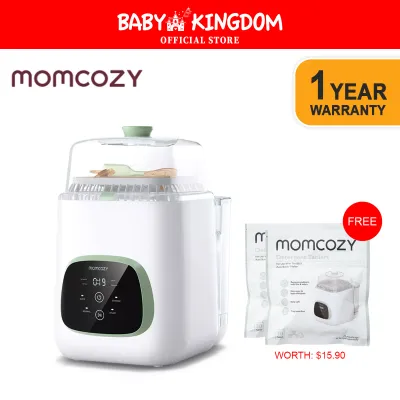
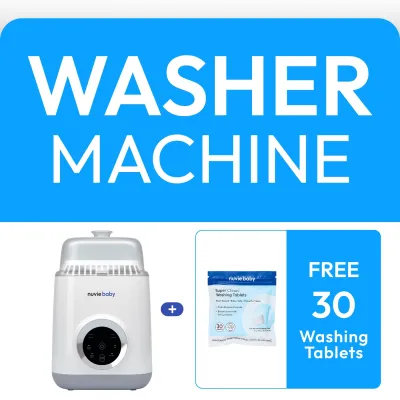
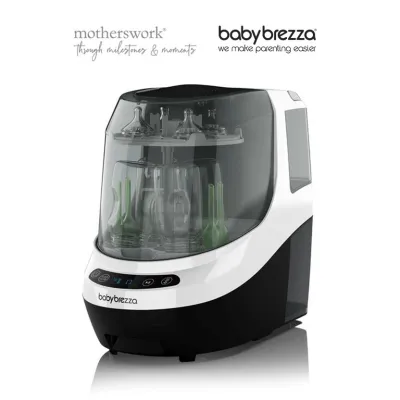
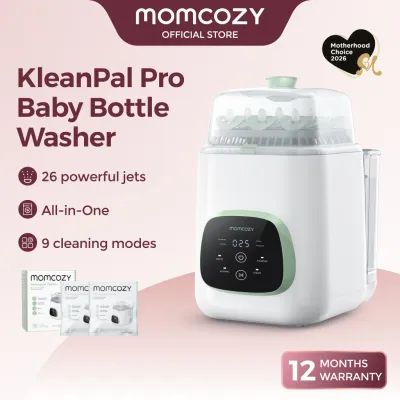
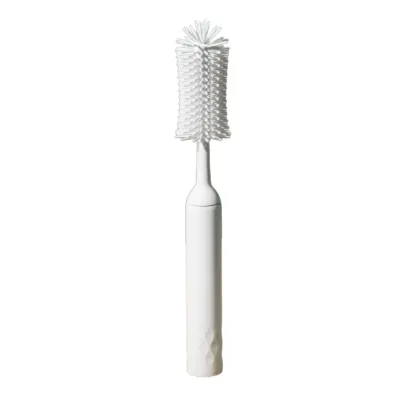
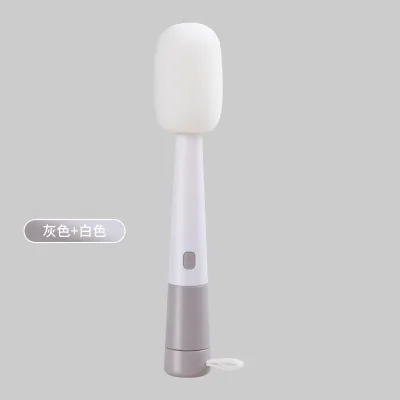
Prices are valid at publication and may change. Please refer to the product page for the latest price.
Heat tolerance is the most critical factor, particularly during the sanitizing and drying phases. Many bottle washers use heated water or steam to sanitize, followed by a hot-air drying cycle to eliminate residual moisture. The bottle material must have a maximum temperature rating that comfortably exceeds the peak temperature of your appliance’s cycles. Furthermore, the material must resist thermal shock, which occurs when a rapid temperature change causes uneven expansion or contraction, potentially leading to structural failure.
Chemical stability is another essential consideration. Automated washer detergents are formulated to break down organic matter quickly, which means they can be harsher than standard liquid dish soaps. The bottle material must resist chemical degradation, which can manifest as surface cloudiness, etching, or the leaching of chemical compounds. A stable material ensures that the bottle remains structurally sound and chemically inert throughout its lifespan.
Finally, structural durability and rack stability play a major role in successful automated washing. Lightweight bottles can easily be dislodged by high-pressure water jets, causing them to flip over, fill with dirty water, or fall onto the heating element. Conversely, heavy bottles must be supported securely to prevent them from tipping or clinking against other items. Always prioritize bottles that carry explicit “dishwasher-safe” or “washer-safe” labels from the manufacturer, rather than relying on general material assumptions.
Glass, Silicone, and Plastic: Material Breakdown
Before loading your feeding equipment into an automated washer, it is essential to analyze how each material behaves under mechanical washing conditions. Each option presents unique advantages and distinct maintenance requirements that caregivers must verify.

Glass Baby Bottles
Glass is widely regarded as the gold standard for chemical purity and longevity, making it a popular choice for parents who want to avoid synthetic materials entirely. In a bottle washer, glass performs exceptionally well due to its non-porous surface. It does not absorb milk oils, food pigments, or detergent fragrances, ensuring that bottles emerge from the cycle crystal clear and completely odor-free.
However, the primary risk associated with glass in an automated washer is thermal shock. While high-quality glass bottles are typically made from borosilicate glass, which is highly resistant to temperature fluctuations, they can still crack if subjected to extreme, sudden temperature changes. For example, placing a cold glass bottle directly from the refrigerator into a high-heat wash cycle, or rinsing a hot bottle with cold water immediately after a drying cycle, can cause the glass to fracture. Always allow glass bottles to transition to room temperature before and after washing.
Weight and stability are also critical when loading glass bottles. Because glass is heavy, these bottles are unlikely to be flipped over by water jets, but they can easily tip or clink against adjacent items if the washer racks are not properly designed. Ensure your bottle washer has sturdy, silicone-coated tines or dedicated compartments that hold glass bottles securely in place. Regularly inspect glass bottles for hairline cracks, chips, or scratches, and discard any damaged bottles immediately to prevent breakage during use.
Silicone Baby Bottles
Food-grade silicone has gained immense popularity due to its soft, squeezable texture and shatterproof durability. Silicone is highly heat-resistant, often capable of withstanding temperatures well above those reached by standard home bottle washers. This makes it highly compatible with intensive sanitizing and steam cycles without the risk of melting or warping.
Despite its high heat tolerance, silicone is slightly more porous than glass, which introduces specific challenges in an automated washer. If your washer does not feature an efficient, active drying cycle, silicone components can retain moisture on their surfaces, leading to unsightly water spots. In humid environments, persistent dampness on silicone can foster musty odors or mold. Additionally, silicone can absorb fragrances from highly scented detergents, so it is best to use mild, fragrance-free detergents recommended by your washer’s manufacturer.
Because silicone bottles are flexible and lightweight, they require careful positioning within the washer. High-pressure water jets can easily deform or flip a flexible silicone bottle if it is not secured. If a bottle flips upside down, it will trap dirty wash water instead of draining properly. To prevent this, look for bottle washers with secure clamps or specialized baskets designed to hold flexible silicone bodies firmly in place throughout the cycle.
Plastic Baby Bottles
Plastic baby bottles, typically made from polypropylene (PP) or polyphenylsulfone (PPSU), are lightweight, shatterproof, and highly affordable. PPSU, in particular, is a medical-grade plastic known for its high heat resistance and durability compared to standard PP. However, all plastics are more susceptible to wear and tear from repeated exposure to high-heat automated washing than glass or silicone.
When using plastic bottles in a bottle washer, it is vital to verify that the plastic is BPA-free and rated for the specific temperatures of your appliance’s sanitizing and drying cycles. Over time, the combination of high heat, pressurized water, and detergent can cause micro-scratches on the inner walls of plastic bottles. These tiny scratches can make the plastic appear cloudy and can trap milk residue or bacteria, making them harder to clean. High heat can also accelerate the aging of the plastic, leading to warping or brittleness.
To maximize the lifespan of plastic bottles, proper rack placement is essential. Always place plastic bottles on the top rack or in designated zones away from the appliance’s heating elements. If your bottle washer has an exposed heating element at the bottom, placing plastic items too close to it can cause localized melting or structural warping. Regularly inspect plastic bottles for cloudiness, deep scratches, or changes in texture, and replace them promptly when signs of wear appear.
How to Choose the Best Material for Your Washing Routine
Selecting the ideal bottle material depends heavily on your specific washing habits, your appliance’s capabilities, and your lifestyle priorities. By matching your material choice to your daily routine, you can optimize both convenience and safety.
Choose glass if you prioritize long-term durability, stain resistance, and chemical purity. Glass is the best option if you want a material that remains crystal clear after hundreds of washes and does not retain odors. However, you must ensure your bottle washer has secure, well-spaced racks to prevent clinking, and you must commit to handling the bottles carefully to avoid thermal shock and breakage.
Choose silicone if you want a lightweight, shatterproof bottle and your bottle washer features an advanced, active drying cycle (such as hot air or ventilation) that completely eliminates moisture from flexible surfaces. Silicone is ideal for parents who want a soft, natural feel but requires a washer with secure brackets to keep the flexible bottle bodies from moving or flipping under water pressure.
Choose plastic if you need an affordable, lightweight, and highly portable option for on-the-go feeding. If you choose plastic, opt for high-quality PPSU when possible, as it withstands repeated washing cycles better than standard PP. You must also commit to inspecting the bottles regularly and replacing them at the first sign of cloudiness, deep scratches, or warping.
Before finalizing your bottle purchase, always cross-reference the bottle manufacturer’s care instructions with your bottle washer’s user manual. Some washers feature proprietary high-heat cycles or require specific low-foaming detergents that may interact negatively with certain lower-grade plastics or silicone formulations. Ensuring compatibility between your bottles and your appliance is the most effective way to protect your investment and keep your baby’s feeding equipment pristine.
Frequently Asked Questions (FAQ)
Can I wash baby bottle nipples and accessories in the bottle washer?
Yes, you can wash baby bottle nipples and accessories in a bottle washer, but they require specific precautions. Small components like nipples, collars, valves, and anti-colic vents are lightweight and can easily be dislodged by high-pressure water jets. If they fall to the bottom of the washer, they risk melting on the heating element or blocking the drainage system. Always place these small parts in a dedicated small-parts basket, top-rack compartment, or mesh bag designed for automated washers. Additionally, check the material of the nipples; while silicone nipples handle heat well, natural rubber latex nipples degrade rapidly under high temperatures and should generally be washed by hand in lukewarm water instead. Inspect all accessories after washing for signs of stickiness, tearing, or thinning, and replace them immediately if damaged.
Does the bottle washer cycle replace the need for sterilization?
Not necessarily, as cleaning and sterilizing serve two different purposes. A standard bottle washer cycle is designed to clean, which physically removes milk residue, fats, and surface dirt. While many modern bottle washers include a high-heat sanitizing or steam phase, this is distinct from medical-grade sterilization. Parents should check if their specific bottle washer model has a certified sanitization cycle that meets relevant safety standards. Additionally, follow the advice of your pediatrician or local health guidelines regarding sterilization. For newborns, premature infants, or babies with weakened immune systems, a dedicated sterilization process (using steam or boiling water) may still be recommended alongside regular washing.

Community discussion
Share your experience or ask a question. Comments are reviewed before publication.