
Quick Answer: The Easiest Baby Bottle Material to Clean
When comparing baby bottle materials solely on how easily they can be cleaned and kept hygienic, glass emerges as the clear winner. Glass is a non-porous and highly scratch-resistant material, meaning it does not absorb milk fats, odors, or colors, and it resists the microscopic abrasions that can harbor bacteria. This makes daily washing straightforward and highly effective, even after repeated use.
Silicone serves as a close second, offering a flexible, shatterproof surface that is generally easy to rinse. However, its unique surface texture can attract airborne dust and retain soapy scents or milk odors if not washed and dried with care. Plastic is the most challenging material to keep hygienic over the long term; it scratches easily under the friction of bottle brushes, creating tiny crevices where bacteria and milk residue can hide.
Ultimately, the ideal choice for your household depends on your daily routine, your preferred sterilization methods, and where the bottles will be used. While glass offers superior hygiene at home, lightweight silicone or plastic may be more practical for travel or daycare. Regardless of the material you choose, using a dedicated baby dish wash and the right cleaning tools is essential for maintaining a safe feeding environment.
Products mentioned in this guide
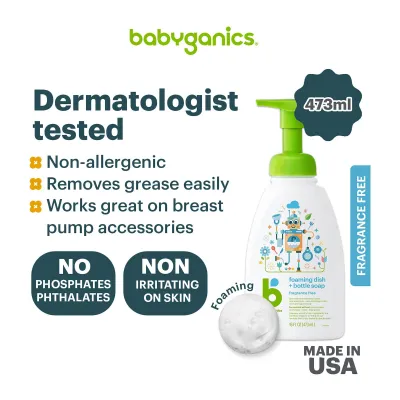
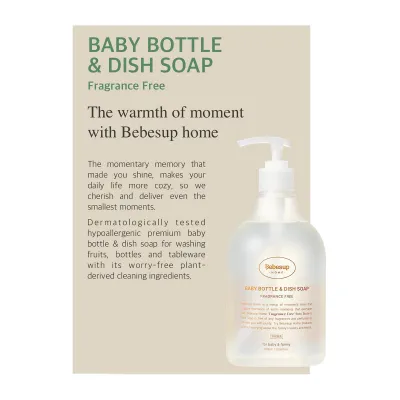
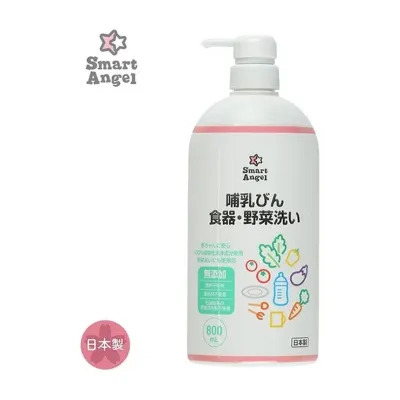
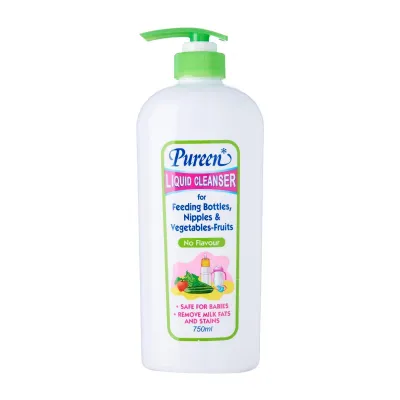
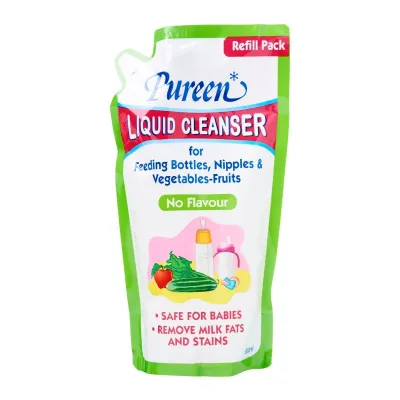
Prices are valid at publication and may change. Please refer to the product page for the latest price.
The Cleaning and Hygiene Showdown: Glass vs. Silicone vs. Plastic
Maintaining infant feeding equipment requires an understanding of how different materials interact with milk components, cleaning agents, and environmental factors. Milk is not just a simple liquid; it is a complex emulsion of water, proteins, carbohydrates, and lipids (fats). When milk is warmed and fed to a baby, these proteins and fats naturally adhere to the interior surfaces of the bottle. How easily these residues can be emulsified and washed away depends heavily on the physical properties of the bottle material.

To evaluate which material is truly the easiest to keep clean, we must look at four primary physical dimensions: porosity, scratch resistance, resistance to cloudiness, and chemical stability. Porosity determines whether milk fats and odors can penetrate the surface. Scratch resistance dictates how well the bottle stands up to daily scrubbing with brushes. Resistance to cloudiness affects your ability to visually confirm that a bottle is clean, while chemical stability ensures the material does not degrade or leach substances during repeated washing and sterilization cycles. Additionally, we must consider the chemical nature of milk itself. Breast milk and infant formula contain complex lipids and proteins that behave differently when heated. Breast milk contains live enzymes and unique fats that can leave a slick, oily residue, while infant formula often contains vegetable oils that can form a stubborn, greasy film on hydrophobic surfaces like plastic.
Glass Baby Bottles
Glass has long been the gold standard for hygiene in medical and laboratory settings, and these same hygienic properties apply directly to baby bottles. Most high-quality glass bottles are manufactured from borosilicate glass, which is engineered to withstand high temperatures and rapid temperature changes. Because glass is entirely non-porous, milk lipids and proteins cannot penetrate its surface. When you wash a glass bottle, the milk residue sits entirely on the surface, allowing a mild baby dish wash to easily emulsify and rinse away every trace of fat.
Another major hygienic advantage of glass is its exceptional scratch resistance. Even when subjected to daily scrubbing with stiff-bristled nylon bottle brushes, glass does not develop the micro-scratches that plague softer materials. Without these microscopic grooves, there are no hiding places for bacteria to colonize or for milk proteins to build up over time. Consequently, glass bottles remain crystal clear and odor-free throughout their entire lifespan, allowing you to easily verify that the interior is completely spotless.
Furthermore, the thermal properties of borosilicate glass make it highly compatible with rapid heating and cooling. This is particularly useful if you need to warm a bottle quickly from the refrigerator or cool it down rapidly under running water after sterilization. In Singapore’s humid tropical climate, where mold and bacteria can multiply rapidly on damp surfaces, the ability of glass to dry quickly and cleanly without retaining moisture is a significant hygienic advantage. Unlike plastic, which can retain a microscopic film of water even after being shaken, glass sheds water efficiently, allowing for faster and more complete air-drying.
However, the physical properties of glass present practical trade-offs during the cleaning process. Glass is heavy and becomes incredibly slippery when coated in soapy water. Washing glass bottles requires focused attention to prevent drops and breakage in the sink. Additionally, while borosilicate glass is highly durable, it is not entirely immune to thermal shock. Caregivers must avoid exposing glass bottles to extreme, sudden temperature deltas—such as pouring boiling water directly into a freezing cold bottle—as this can cause the material to crack. Always consult the manufacturer’s care instructions to verify the specific thermal limits of your glass bottles.
Silicone Baby Bottles
Silicone has gained immense popularity as a modern, flexible alternative to traditional bottle materials. Made from food-grade liquid silicone rubber, these bottles are soft, lightweight, and completely shatterproof. From a cleaning perspective, silicone is non-porous, meaning it does not absorb milk fats in the way that plastic can. The flexible nature of the bottle also allows you to gently squeeze or manipulate the body during washing, helping to loosen stubborn residue from hard-to-reach corners.
Despite these benefits, silicone possesses unique surface characteristics that require specific cleaning considerations. The exterior of silicone has a natural tactile grip that can feel slightly tacky. In humid climates, this textured surface easily attracts airborne dust, lint, and pet hair. If silicone bottles are left to air-dry on an open countertop, they can quickly accumulate fine particles, requiring a secondary rinse before use. Furthermore, if milk fats are not thoroughly removed, the interior surface can develop a sticky, “squeaky” film that is difficult to wash away without hot water and a highly effective detergent.
Because silicone is a highly flexible material, it is often manufactured with unique anti-colic valves or complex ventilation systems built directly into the bottle body or nipple collar. While these designs are excellent for reducing your baby’s gas, they introduce intricate crevices, flaps, and small holes that are notoriously difficult to clean. Milk residue can easily become trapped in these tiny spaces, leading to localized bacterial growth or mold if not scrubbed with specialized, ultra-fine brushes. When washing silicone, you must carefully inspect these integrated valves and ensure they are thoroughly flushed with warm water and a reliable baby dish wash to maintain complete hygiene.
Another common challenge with silicone is its tendency to retain odors and soap fragrances. Because silicone can absorb certain volatile organic compounds, washing them with heavily scented household dish soaps can leave a persistent perfume taste that may cause your baby to reject their milk. To maintain silicone bottles properly, it is crucial to use a fragrance-free detergent and to ensure the bottles are dried in a well-ventilated, clean environment. Always check the product label for specific care instructions and recommended cleaning tools to avoid degrading the silicone over time.
Plastic Baby Bottles
Plastic bottles, typically made from polypropylene (PP) or polyphenylsulfone (PPSU), are highly favored for their lightweight, drop-proof, and budget-friendly nature. PPSU, in particular, is a medical-grade plastic that offers higher heat resistance and durability than standard PP. However, compared to glass and silicone, all plastics are relatively soft materials. This softness makes them highly susceptible to micro-scratches from daily cleaning routines, especially if you use stiff nylon brushes or abrasive scrubbing pads.
Once a plastic bottle develops micro-scratches, its hygienic integrity is compromised. These microscopic grooves trap milk proteins, fats, and moisture, creating a protective shield for bacterial biofilms that standard washing cannot easily reach. Over time, this accumulation leads to a persistent cloudiness and a sour, stale milk odor that remains even after thorough washing. This cloudiness also makes it incredibly difficult for caregivers to visually inspect the bottle and confirm that all residue has been removed.
It is also worth noting the differences between types of plastic. Polypropylene (PP) is the most common and economical option, but it has a lower heat tolerance and is more prone to scratching. Polyphenylsulfone (PPSU) is a premium, medical-grade plastic with a distinct honey-colored tint. PPSU is significantly harder and more heat-resistant than PP, allowing it to withstand more sterilization cycles before degrading. However, even PPSU is not entirely scratch-proof. Over months of daily use, the friction of cleaning brushes will inevitably create micro-abrasions. No matter which plastic you choose, the material’s hydrophobic nature means it naturally attracts and holds onto milk lipids, requiring a highly effective detergent to break the bond between the fat molecules and the plastic surface.
To mitigate these hygiene risks, plastic bottles require a gentler cleaning approach and more frequent replacement. Caregivers must avoid aggressive scrubbing and opt for soft sponge or silicone brushes. Even with careful maintenance, plastic bottles degrade under the combined effects of physical washing, heat sterilization, and UV exposure. It is highly recommended to inspect plastic bottles daily for signs of wear, deep scratches, cloudiness, or persistent odors, and to replace them regularly to ensure your baby’s feeding equipment remains safe and sanitary.
How Your Baby Dish Wash Routine Affects Material Longevity
The choice of cleaning agents and tools plays a defining role in how long your baby bottles remain hygienic and structurally sound. Many parents assume that standard household dish soap is perfectly adequate for cleaning baby bottles, but these conventional detergents are often formulated for heavy grease and contain strong synthetic fragrances, dyes, and harsh surfactants. When used on baby bottles, especially those made of silicone or plastic, these strong chemicals can leave a persistent residue and a chemical scent that is incredibly difficult to rinse away.
Using a dedicated baby dish wash is highly recommended for several reasons. These specialized detergents are typically formulated with plant-based, biodegradable surfactants that are highly effective at breaking down stubborn milk proteins and fats without leaving a chemical film. Because they are generally fragrance-free and dye-free, they minimize the risk of leaving behind tastes or scents that could interfere with your baby’s feeding experience. Furthermore, a high-quality baby dish wash is formulated to rinse away quickly and completely, reducing the water and effort required to achieve a spotless clean.
The difference between breast milk and formula residue is a key factor in your washing routine. Formula contains dense proteins and heavy vegetable oils that do not dissolve easily in cold water. If left to sit, these components dry into a hard, cement-like crust. Breast milk, while containing natural immunological properties that temporarily inhibit bacterial growth, contains highly complex lipids that can leave a persistent, slippery film. A specialized baby dish wash is specifically engineered to target these distinct organic compounds. Unlike standard dish soaps that rely on harsh, stripping agents, a baby-safe formula uses targeted enzymes and gentle surfactants to break down the specific proteins and fats found in milk, ensuring a thorough clean without compromising the integrity of the bottle material.
To maximize the lifespan of your bottles and maintain the highest level of hygiene, establish a consistent and gentle washing routine:
- Rinse immediately: Always rinse bottles and nipples with cool water immediately after a feeding. Warm water can cause milk proteins to coagulate and stick to the walls, while cool water helps flush out the bulk of the residue before it dries.
- Use the right tools: Match your brush to your bottle material. Use soft sponge brushes or gentle silicone-bristled brushes for plastic and silicone bottles to prevent scratching. Save stiffer nylon brushes for durable glass bottles.
- Disassemble completely: Never wash a partially assembled bottle. Always separate the collar, nipple, bottle body, and any anti-colic valves to clean the areas where milk residue easily traps and mold can develop.
- Emulsify with warm water: Wash all parts in warm, soapy water using your dedicated baby dish wash. Ensure the brush reaches the very bottom and the curved shoulders of the bottle.
- Rinse and dry thoroughly: Rinse all components under running water until they are completely free of soap. Place them on a clean, dedicated drying rack in a well-ventilated area. In humid environments, using a drying rack with a cover or an active drying appliance can help prevent airborne dust from settling on clean silicone surfaces.
Sterilization and Hygiene Maintenance Across Materials
While daily washing with a reliable baby dish wash removes physical milk residue, sterilization is a critical secondary step designed to eliminate harmful pathogens, particularly for newborns and infants with developing immune systems. However, different bottle materials react uniquely to the intense heat, steam, and light used in various sterilization methods. Understanding these differences is essential to prevent premature wear, warping, or the release of unwanted chemical compounds.
Boiling and Steam Sterilization
Boiling and electric steam sterilizers are classic, highly effective methods that rely on high temperatures to kill bacteria and viruses. Glass handles this thermal stress exceptionally well, provided it is heated and cooled gradually to avoid thermal shock. Silicone is also highly heat-resistant, easily withstanding boiling water and steam without losing its shape, flexibility, or structural integrity. Plastic, however, is much more sensitive to heat. Repeated exposure to boiling temperatures can cause standard polypropylene bottles to warp, degrade, or weaken over time. When using heat-based sterilization on plastic, always verify the manufacturer’s maximum temperature guidelines and look for relevant safety certifications on the packaging.
UV Sterilization
UV sterilizers have become highly popular due to their dry, waterless operation and convenience. While UV light is highly effective at destroying pathogens, it can have a degrading effect on certain materials. Glass is completely unaffected by UV light and can be sterilized this way indefinitely. In contrast, prolonged exposure to UV radiation can accelerate the aging process of plastics and silicones. This degradation often manifests as yellowing, loss of flexibility, or the material becoming brittle. If you plan to use a UV sterilizer, it is vital to check the bottle packaging to ensure the manufacturer explicitly states that the bottle and its components are UV-compatible.
Another factor to consider during sterilization is the impact of water quality. In many households, tap water contains minerals like calcium and magnesium. When bottles are sterilized in steam or boiling water, these minerals can precipitate out, leaving a white, powdery residue known as limescale on the bottle walls. On glass, this scale is highly visible and can be easily wiped away or dissolved with a mild vinegar rinse. On plastic and silicone, however, limescale can create a rough texture that makes it easier for milk fats and bacteria to adhere to the surface in subsequent uses. Ensuring your bottles are physically clean and using distilled water in your steam sterilizer can help mitigate this issue.
Regardless of the method you choose, sterilization should always be preceded by a thorough physical wash. Sterilizers are designed to kill germs, not to remove dried milk fat or protein buildup. If a bottle is placed in a sterilizer with milk residue still attached, the heat can bake the residue onto the surface, making it even harder to clean later and creating a physical barrier that prevents the sterilizing agent from reaching the underlying surface.
Decision Framework: Which Material Should You Choose?
Selecting the best baby bottle material involves balancing your lifestyle, budget, and cleaning preferences against the unique hygienic properties of glass, silicone, and plastic. To help you make an informed decision, consider the following conditional framework based on your daily household routine.
Choose Glass if:
- Hygiene is your top priority: You want a material that is completely non-porous, highly scratch-resistant, and guaranteed to remain odor-free and crystal clear.
- You primarily feed at home: You do not mind the heavier weight of glass and have a safe, carpeted, or low-impact area for feeding where dropped bottles are unlikely to shatter.
- You want long-term value: You plan to use the same bottles for future siblings and want a material that can withstand hundreds of sterilization cycles without degrading.
Choose Silicone if:
- You want a balance of hygiene and safety: You love the non-porous benefits of a material that won't scratch easily, but you need a lightweight, drop-proof bottle that your baby can eventually hold.
- You have a meticulous washing routine: You are willing to use a dedicated, fragrance-free baby dish wash and take extra care to rinse away soap residue and dry the bottles in a clean, dust-free environment.
Choose Plastic if:
- Portability and budget are key: You need lightweight, inexpensive bottles for travel, daycare, or outdoor excursions where carrying heavy glass is impractical.
- You are committed to regular replacement: You do not mind monitoring the bottles closely for signs of wear and replacing them every 3 to 6 months as soon as scratches or cloudiness appear.
Before making your final purchase, always verify:
- Sterilizer compatibility: Ensure the bottle material matches your preferred sterilization method (especially if using a UV sterilizer).
- Manufacturer instructions: Read the care guidelines for any specific restrictions on cleaning agents, temperature limits, or dishwasher safety.
Frequently Asked Questions (FAQ)
Can I use regular dish soap instead of a dedicated baby dish wash?
While regular household dish soap can physically clean baby bottles, it is not the most suitable choice for daily use. Regular dish soaps often contain strong synthetic fragrances, dyes, and intense surfactants designed to strip heavy grease from pots and pans. These chemicals can leave a stubborn, scented residue on baby bottles—particularly on porous plastic and tactile silicone surfaces. This residue can alter the taste of the milk, potentially causing your baby to reject the bottle. A dedicated baby dish wash is formulated with mild, plant-based, and fragrance-free ingredients that effectively target milk proteins and lipids while rinsing away completely clean, leaving no taste or odor behind.
How often should I replace my baby bottles to maintain hygiene?
The replacement frequency for baby bottles depends heavily on the material and its physical condition. Plastic bottles (PP or PPSU) should generally be replaced every 3 to 6 months, or immediately if you notice any physical scratches, persistent cloudiness, cracks, or stubborn odors. Glass and silicone bottle bodies can last significantly longer—often for years—provided they show no signs of damage. However, you must inspect them visually and by touch before every wash. Any glass bottle with a chip, crack, or deep scratch must be discarded immediately to prevent injury. Additionally, bottle nipples (which are typically made of silicone) undergo intense wear from sucking and biting; these should be replaced every 2 to 3 months, or sooner if they become sticky, discolored, torn, or thin.

Community discussion
Share your experience or ask a question. Comments are reviewed before publication.