
Freeze dried strawberries can be a convenient, flavorful, and nutrient-dense addition to your baby’s diet, provided they are prepared in a developmentally appropriate manner. While these crispy fruit pieces offer a concentrated source of vitamins and dietary fiber, their dry, crunchy texture poses a significant choking hazard for infants. By understanding how to safely modify this texture, verify ingredient labels, and monitor for potential allergic reactions, caregivers can confidently introduce this fruit to their little ones.
When Can Babies Eat Freeze Dried Strawberries?
Most infants are developmentally ready to begin their solid food journey around six months of age. However, age is only one indicator of readiness. Before introducing any solid foods, including modified freeze dried strawberries, your baby must demonstrate key physical milestones. These milestones include sitting upright with minimal support, maintaining excellent head and neck control, showing active interest in family meals, and losing the tongue-thrust reflex that automatically pushes solid objects out of the mouth.
It is crucial to distinguish between the developmental readiness required for soft purees and the advanced skills needed for dry, crunchy textures. Whole or sliced freeze dried strawberries in their dry state require mature chewing and swallowing coordination, which babies do not possess at six months. Therefore, while you can introduce the flavor of freeze dried strawberries early on, the texture must be heavily modified to match your baby’s current oral motor skills.
Products mentioned in this guide
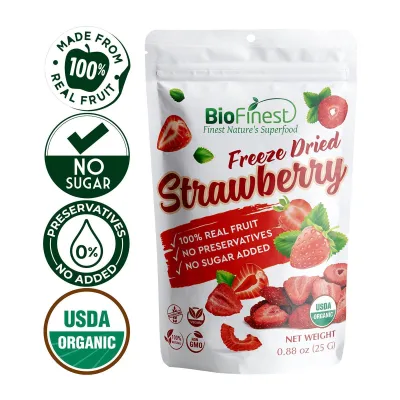

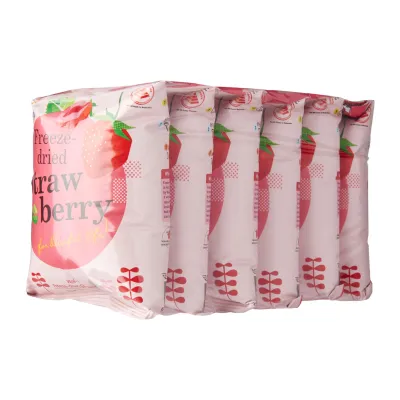

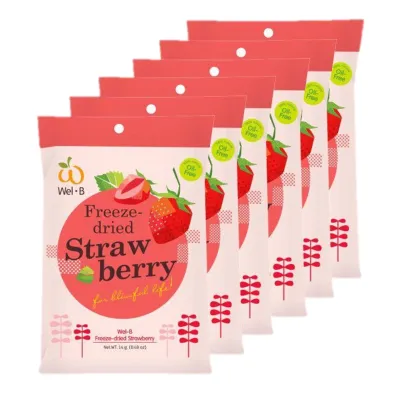

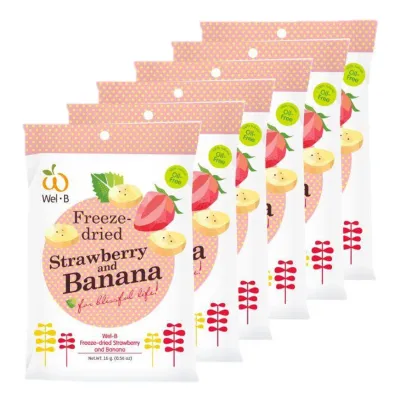

Prices are valid at publication and may change. Please refer to the product page for the latest price.
Always consult the product packaging for manufacturer age recommendations and specific feeding instructions. Some commercial baby foods incorporate freeze-dried fruit powders or easily dissolvable puffs designed for specific developmental stages. However, standard adult-targeted freeze-dried fruits rarely feature these safety guidelines, making it your responsibility to evaluate the texture and modify it accordingly. If you are ever unsure about your baby’s readiness for new textures, consult a pediatrician or a pediatric feeding specialist for personalized guidance.
Choking Hazards and Safe Preparation Methods
The unique texture of freeze dried strawberries presents a distinct choking hazard for infants and young toddlers. Unlike fresh strawberries, which are soft and easily mashed by a baby’s gums, freeze-dried fruit is rigid, dry, and highly hygroscopic. This means it rapidly absorbs moisture. When a baby places a dry piece of freeze-dried strawberry in their mouth, it can quickly stick to the tongue, roof of the mouth, or throat before it is fully softened, leading to gagging or airway obstruction. Furthermore, large, unyielding pieces can easily slide into the airway if swallowed whole.

To eliminate these risks, caregivers must modify the texture of freeze dried strawberries based on the baby’s specific chewing and swallowing abilities. For babies who are just starting solids (around six months of age), the safest method is to crush the freeze-dried fruit into a fine, uniform powder. You can easily achieve this by placing the fruit in a sealed bag and crushing it with a rolling pin, or using a clean spice grinder. This fine powder can then be dusted over or stirred into soft, familiar foods such as warm oatmeal, unsweetened yogurt, infant cereal, or mashed bananas.
Another highly effective preparation method is rehydration. By soaking the freeze-dried strawberry pieces in warm water, breast milk, or prepared infant formula for several minutes, you can restore a soft, mushy consistency. Ensure the fruit is completely saturated and has no remaining hard or dry spots before serving. You can then mash the rehydrated fruit with a fork to create a smooth puree or a soft, textured mash, depending on your baby’s feeding stage.
Regardless of the preparation method, safe feeding practices are essential. Always supervise your baby closely during every meal, maintaining direct line of sight. Ensure your baby is seated completely upright in a secured high chair that provides proper trunk and foot support. Never feed your baby while they are reclining, crawling, walking, or riding in a car seat, as these positions significantly increase the risk of choking.
Nutritional Value: Freeze Dried vs. Fresh Strawberries
Understanding how the freeze-drying process affects the nutritional profile of strawberries helps caregivers make informed dietary choices. Freeze-drying, or lyophilization, involves freezing the fresh fruit and then placing it under a vacuum to sublimate the water content directly from ice to vapor. Because this process does not rely on high heat to extract moisture, it preserves a significant portion of the fruit’s natural dietary fiber, antioxidants, and core minerals.
However, some nutritional differences exist between freeze-dried and fresh strawberries. Certain heat-sensitive or water-soluble vitamins, particularly Vitamin C, can experience a moderate reduction during the initial processing, packaging, and subsequent storage of freeze-dried fruits. Despite this slight decline, freeze dried strawberries still retain a valuable amount of beneficial nutrients that support your baby’s growing body.
The most critical nutritional distinction for caregivers to manage is the concentration of natural sugars and calories by weight. When water is removed from the fruit, the remaining solids become incredibly light. Consequently, a single cup of freeze-dried strawberries contains significantly more natural sugar, carbohydrates, and calories than a cup of fresh, water-rich strawberries. To prevent overconsumption of natural sugars and to encourage a balanced palate, practice strict portion control. Treat freeze-dried strawberry powder or rehydrated pieces as a flavorful accent or a small component of a meal rather than a primary food source.
What to Look for on the Ingredient Label
When shopping for freeze dried strawberries, careful label inspection is paramount to ensure the product is safe and appropriate for your baby. Many commercial dried fruits contain hidden additives that are unsuitable for an infant’s developing digestive system and kidneys. Your primary goal is to find products where the ingredient list contains exactly one item: 100% strawberries.
Avoid any products that list added sugars, cane sugar, fruit juice concentrates, corn syrup, or artificial sweeteners. Babies do not need added sugars, and introducing them early can contribute to a preference for overly sweet foods and increase the risk of tooth decay. Additionally, steer clear of products containing preservatives such as sulfur dioxide, which is commonly used to preserve color in dried fruits but can trigger sensitivities in some infants. Check that there are no added sodium, artificial flavors, or anti-caking agents.
Food safety also depends on the integrity of the packaging. Inspect the bag or container to ensure the seal is completely intact and airtight. Because freeze-dried foods are highly sensitive to humidity, any compromise in the packaging will allow moisture to enter, leading to a chewy, unsafe texture and potential microbial growth. Always verify the manufacturing and expiry dates on the label, and follow the manufacturer’s storage instructions to maintain freshness and safety.
Signs of Allergic Reactions and When to Stop
Strawberries are not classified as one of the top common food allergens, but they can still trigger allergic reactions or localized sensitivities in infants. When introducing freeze dried strawberries for the first time, it is essential to follow a systematic approach. Offer a very small amount—such as a pinch of the crushed powder mixed into a familiar, safe food—and wait three to five days before introducing any other new foods. This waiting period allows you to isolate and identify the source of any adverse reaction.
Caregivers should learn to distinguish between a localized skin sensitivity and a true systemic allergic reaction. Strawberries contain natural acids and histamines that can sometimes cause a mild, harmless red rash around the baby’s mouth where the fruit touched the skin. This contact reaction is usually temporary and does not involve the immune system. However, true allergic symptoms require careful monitoring. Mild to moderate signs of an allergic reaction include hives, widespread skin rashes, swelling of the face or eyelids, and mild digestive upset such as vomiting or diarrhea shortly after consumption.
If you observe any mild symptoms of an allergic reaction, stop feeding the strawberry product immediately and consult your pediatrician for guidance. In rare cases, a severe, life-threatening allergic reaction known as anaphylaxis can occur. Seek emergency medical care immediately if your baby exhibits severe symptoms, including difficulty breathing, wheezing, swelling of the lips, tongue, or throat, sudden lethargy, or pale skin.
Frequently Asked Questions (FAQ)
Can I make my own freeze dried strawberries at home for my baby?
While dehydrating fruits at home using a standard oven or a countertop food dehydrator is a popular practice, it does not yield the same results as commercial freeze-drying. Standard home dehydrators use low heat to slowly evaporate moisture, resulting in a chewy, leathery, or rubbery texture. This chewy consistency is highly dangerous for babies, as it is difficult to break down without fully developed teeth and poses a severe choking hazard. True freeze-drying requires specialized, highly expensive commercial-grade sublimation equipment that operates under a vacuum at extremely low temperatures to create a brittle, easily crushable texture. For consistent safety, texture, and quality, purchasing commercially prepared, 100% pure freeze dried strawberries is generally preferred for infants.
How should I store opened freeze dried strawberries to keep them safe?
Proper storage is critical to maintaining the safety and texture of freeze dried strawberries, especially in humid climates. Once the original packaging is opened, the fruit immediately begins to absorb moisture from the surrounding air. To prevent the fruit from becoming soft, sticky, or susceptible to mold growth, transfer the remaining strawberries to a clean, airtight glass or BPA-free plastic container. Store the container in a cool, dry, and dark pantry away from direct sunlight and heat sources. Always inspect the fruit before serving; if the pieces have lost their brittle texture, feel soft or sticky, emit an off-smell, or show any signs of discoloration or mold, discard them immediately to protect your baby’s health.

Community discussion
Share your experience or ask a question. Comments are reviewed before publication.