
Freeze-dried fruit retains almost all of the dietary fiber and essential minerals found in fresh fruit, making it a highly convenient option for busy parents. However, because the freeze-drying process removes almost all moisture, the natural sugars and calories in the fruit become highly concentrated by weight. Additionally, sensitive vitamins, particularly Vitamin C, can degrade during processing and storage. Rather than assuming freeze-dried options are a direct, identical replacement for fresh fruit, parents should learn how to evaluate product labels, adjust portion sizes, and prepare the texture safely to protect their baby’s developing digestive system and prevent choking hazards.
How Freeze Drying Affects Nutrient Density
Freeze-drying, or lyophilization, is a preservation method that involves freezing the fruit and then placing it in a vacuum chamber. Under low pressure, the frozen water within the fruit undergoes sublimation, transitioning directly from solid ice to water vapor without passing through a liquid phase. Because this process avoids the high temperatures used in traditional dehydration or canning, it preserves the physical structure, color, and shape of the fruit cells. This results in a lightweight, porous product that looks very similar to the original fresh fruit.
However, the complete removal of water has a dramatic effect on nutrient density by weight. When water is removed, the remaining solids—including natural sugars, dietary fiber, minerals, and calories—are concentrated into a much smaller, lighter package. For example, a small bag of freeze-dried apple slices weighs only a fraction of a fresh apple but contains the same amount of sugar and calories. If parents feed their baby freeze-dried fruit using the same visual portions as fresh fruit, the baby may consume far more sugar and calories than intended.
Products mentioned in this guide
![[MIX & MATCH] Yummybara Freeze Dried Fruits for 12 months+ | Apple Blueberry Banana Mango Strawberry | 100% Made from Real Fruits | No Sugar Added (Halal Certified)](https://img.lazcdn.com/g/p/61537522a2fd3cf590ad87e57a9ef943.png_400x400q80.png_.webp)
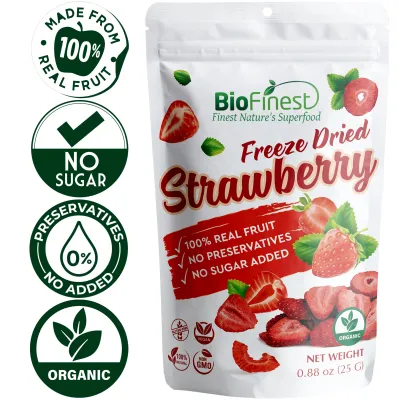
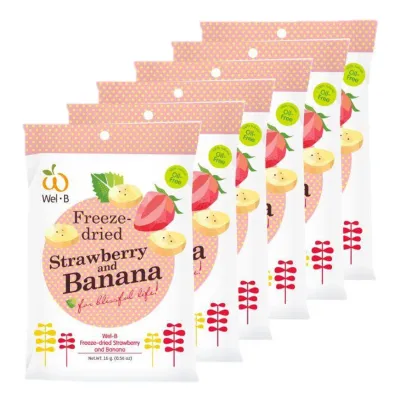
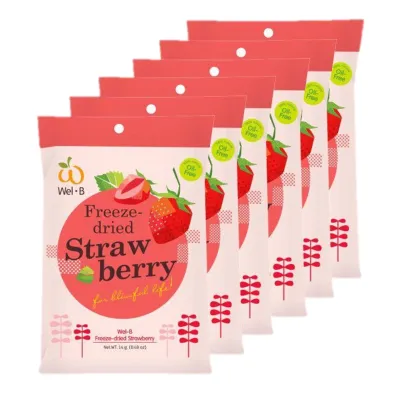
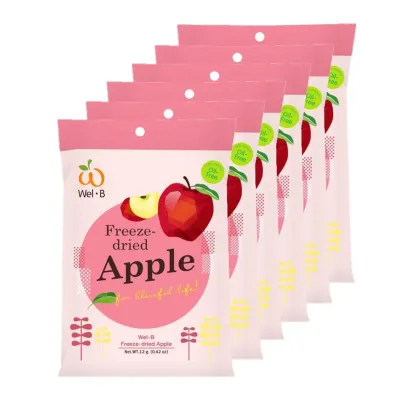
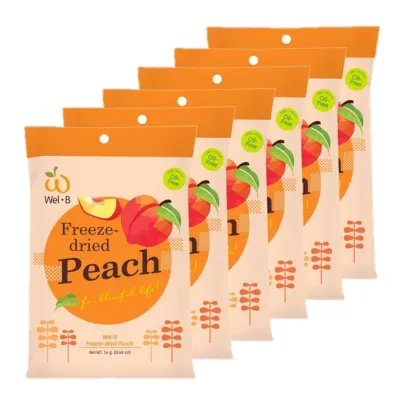
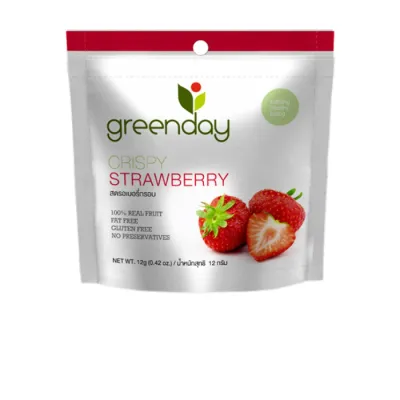
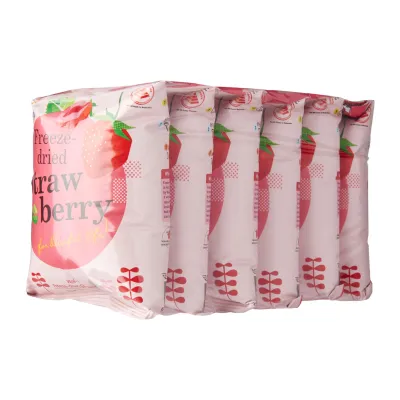
Prices are valid at publication and may change. Please refer to the product page for the latest price.
To prevent overconsumption, parents must carefully adjust portion sizes. A baby’s stomach is small, and filling it with concentrated, dry fruit can displace other essential sources of nutrition, such as breast milk, formula, or iron-rich solid foods. Offering small, measured amounts ensures that the baby benefits from the fruit’s nutrients without overloading their digestive system with concentrated sugars.
Comparing Key Nutrients: Freeze Dried vs. Fresh
Vitamins and Antioxidants
While freeze-drying is one of the gentlest preservation methods available, it does not completely prevent the loss of sensitive vitamins. Water-soluble and heat-sensitive nutrients, most notably Vitamin C and certain B vitamins, are highly vulnerable to degradation. Exposure to oxygen, light, and ambient temperature during the initial slicing, freezing, and subsequent storage stages can cause these vitamins to break down over time.

Because of this natural degradation, parents should not assume that a freeze-dried fruit contains the exact same vitamin profile as its fresh counterpart. The best way to determine the actual nutrient content is to check the nutrition facts panel on the product packaging. Manufacturers are required to list key nutrient values, allowing parents to make informed decisions based on verified label data rather than assumptions.
Minerals, Fiber, and Natural Sugars
In contrast to sensitive vitamins, essential minerals and dietary fiber are highly stable. Minerals such as potassium, calcium, and iron do not degrade during sublimation or storage because they are inorganic elements. Similarly, the structural dietary fiber that supports healthy digestion remains completely intact. This makes freeze-dried fruit an excellent, stable source of fiber and minerals for growing babies.
However, the concentration of natural sugars remains a primary consideration for infant nutrition. When water is removed, the natural fructose becomes highly concentrated. This concentrated sweetness can impact a baby’s developing palate, potentially making them prefer intensely sweet flavors over more bitter or neutral tastes, such as green vegetables. Furthermore, dry fruit particles can easily cling to a baby’s gums and emerging teeth, increasing the risk of early dental decay if oral hygiene is not maintained.
Managing Texture and Choking Risks for Babies
The physical properties of dry freeze-dried fruit present unique safety challenges for infants. In its dry state, freeze-dried fruit is hard, crunchy, and can sometimes break into sharp, brittle shards. Because babies are still developing their chewing coordination, tongue lateralization, and swallowing reflexes, these dry pieces can easily become a significant choking hazard. Additionally, dry fruit rapidly absorbs moisture, which can cause it to stick to the roof of the baby’s mouth or throat, leading to gagging or distress.
To mitigate these risks, parents should use safe preparation methods that adapt the texture to the baby’s developmental stage. One highly effective method is rehydration. By soaking the freeze-dried fruit in warm water, breast milk, or prepared formula for a few minutes, the fruit absorbs the liquid and softens into a mushy, easily mashable consistency. This restored texture is much safer for babies who are transitioning to solid foods.
Another safe approach is to crush the dry fruit into a fine, uniform powder. This powder can then be stirred directly into plain oatmeal, unsweetened yogurt, or vegetable purees. This method adds natural flavor and stable nutrients without introducing any physical choking hazards. Regardless of the preparation method used, parents must provide continuous, active supervision during feeding. If the baby shows signs of gagging, coughing, or persistent discomfort, stop feeding immediately, sit the baby upright, and assess their airway.
A Parent's Guide to Choosing and Serving
When shopping for freeze-dried fruit, the ingredient list is the most critical tool for ensuring product safety. Parents must verify that the product contains 100% pure fruit with absolutely no added sugars, fruit juice concentrates, sweeteners, artificial flavors, or chemical preservatives. Many products marketed as healthy snacks may still contain hidden additives that are inappropriate for an infant’s developing system.
In humid climates, storing freeze-dried fruit requires extra care. Once a package is opened, the high moisture content in the air will quickly be absorbed by the dry fruit, turning it from crispy to chewy and sticky within minutes. This change in texture not only increases the choking risk but also makes the fruit highly susceptible to mold and bacterial growth. To prevent this, always transfer unused portions to a high-quality, airtight container immediately after opening, and store it in a cool, dry place.
Freeze-dried fruit should be viewed as an occasional supplement, travel-friendly snack, or flavor enhancer rather than a daily replacement for fresh, hydrating fruit. Fresh fruit contains essential water that helps keep babies hydrated and supports smooth digestion. Finally, when introducing any new fruit—whether fresh or freeze-dried—always introduce a single-ingredient product first and wait several days before introducing another. This systematic approach makes it easier to monitor the baby for any potential allergic reactions, skin rashes, or digestive sensitivities.
Frequently Asked Questions (FAQ)
Can babies eat freeze dried fruit every day?
It is generally recommended to serve freeze-dried fruit as an occasional treat or flavor booster rather than a daily dietary staple. Relying on dry fruit daily can limit the variety of textures and flavors your baby experiences and may reduce their intake of hydrating fluids. Parents should monitor their baby’s overall daily sugar intake from all sources. If you have specific concerns about your baby’s nutritional requirements, growth, or digestive health, consult a pediatrician or qualified healthcare professional for personalized guidance.
Is freeze dried fruit better than dehydrated fruit for babies?
Freeze-dried fruit and traditionally dehydrated fruit have very different physical characteristics that affect safety. Freeze-dried fruit is light, crispy, and easily crumbles or dissolves when exposed to moisture, making it easier to manage once rehydrated or powdered. In contrast, traditionally dehydrated fruit is typically chewy, leathery, and sticky, which poses a much higher choking hazard for young babies who cannot yet chew tough textures. Regardless of the type you choose, always read the packaging labels carefully to check for hidden added sugars or preservatives, and prepare the fruit to match your baby’s specific developmental stage.

Community discussion
Share your experience or ask a question. Comments are reviewed before publication.