
Selecting the right playmat for baby outings can transform an outdoor excursion from a stressful chore into a relaxing family experience. Whether you are planning a morning at the Singapore Botanic Gardens, a beach day at East Coast Park, or a quick playdate in a neighborhood park, providing a clean, cushioned, and secure surface for your baby is essential. Foldable and rollable portable playmats both serve this core purpose, but they excel in different scenarios. Foldable mats generally offer faster setup, rigid structural support, and flat packing, making them ideal for quick park visits and car travel. Rollable mats often provide a more compact, cylindrical carrying profile and a seamless surface, which may suit stroller storage and extended picnics. The most practical choice depends entirely on your specific transport method, the outdoor surfaces you frequent, and how quickly you need to set up and pack away your gear.
Core Design Differences: Foldable vs. Rollable Formats
To determine which format fits your lifestyle, it is helpful to understand the fundamental structural, packing, and setup differences between these two portable designs.
Foldable playmats typically utilize an accordion, bi-fold, or tri-fold mechanism. The accordion design features pre-creased panels that fold back and forth on top of one another, stacking neatly into a flat, rectangular block. Bi-fold and tri-fold designs fold over once or twice, resulting in a wider but thinner profile. These folding mechanisms dictate the packed dimensions, creating a rigid, geometric shape that does not bend or compress easily. Because the fold lines are built into the structure, these mats can be unfolded in a single, fluid motion. However, the hinges that allow the mat to fold also create physical creases or crevices on the play surface where dirt, crumbs, and outdoor debris can accumulate during use.
Products mentioned in this guide
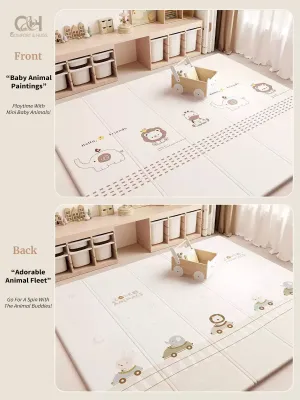
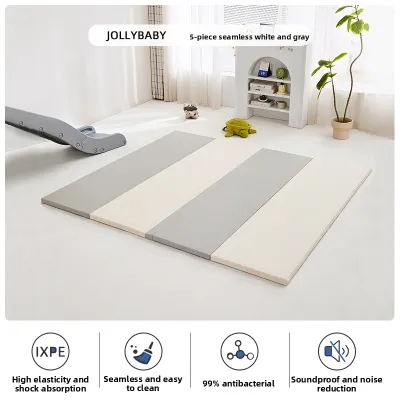
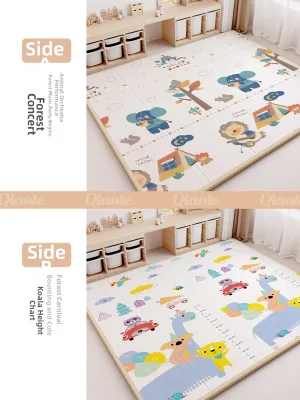
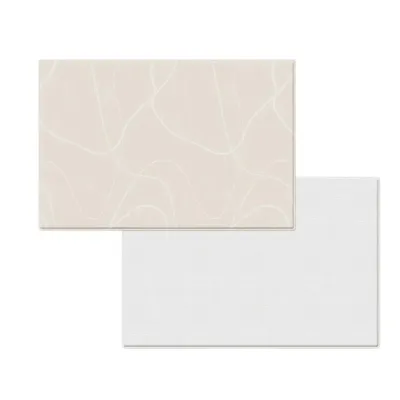
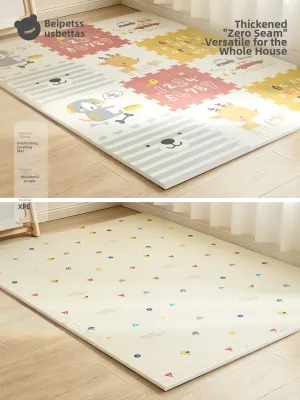
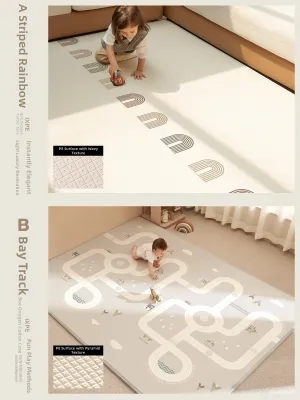
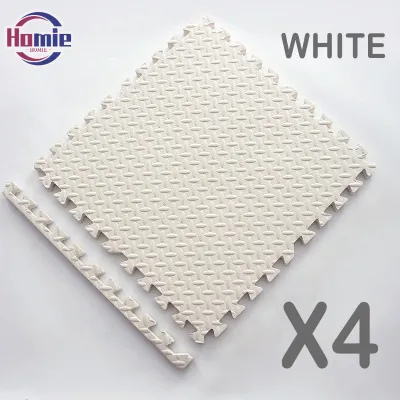
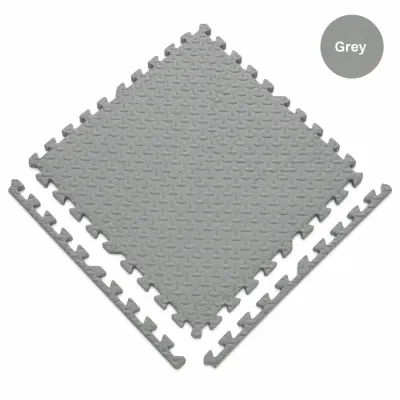
Prices are valid at publication and may change. Please refer to the product page for the latest price.
Rollable playmats, on the other hand, rely on a continuous sheet of flexible material that rolls tightly into a cylindrical shape. This format eliminates the need for hinges or creases, providing a completely seamless surface for your baby to crawl and roll on. The packed profile is long and tube-like, resembling a yoga mat. To keep the mat secure when rolled, manufacturers often include integrated straps, external elastic bands, or a dedicated carrying bag. Setting up a rollable mat requires unrolling the material and sometimes placing weight on the corners, as some materials tend to curl back upward at the edges, especially when new or cold. Packing it away involves rolling the mat tightly from one end to the other, which can require a bit more coordination and effort than simply collapsing a folding mat.
Matching the Playmat to Your Outdoor Routine and Transport
Your choice between a foldable or rollable playmat should align closely with how you navigate your outdoor routines and the transport methods you use daily.

Stroller compatibility is a primary consideration for parents who walk to local parks or use public transport. Before purchasing, it is essential to check your stroller’s under-seat storage basket dimensions against the mat’s folded or rolled footprint. A rollable mat, with its long cylindrical shape, can sometimes be too wide to fit horizontally inside a compact stroller basket, forcing you to carry it vertically or let it protrude from the sides. Conversely, a foldable mat can often slide flat into the bottom of a spacious basket, leaving room on top for diaper bags and other essentials. Some strollers also feature rear pocket storage or frame clips where a compact, folded mat can be securely tucked away.
For families who rely on car travel, trunk space optimization is the key factor. Foldable mats are highly practical for car trunks because their flat, rectangular shape allows them to lie flat on the trunk floor, serving as a base for other gear, or stand vertically against the back of the seats. They do not roll around or shift during transit. Rollable mats can be wedged into narrow gaps between suitcases or strollers, but their cylindrical shape means they may roll around if not secured. If you frequently load and unload a packed trunk, a flat-folding mat often proves easier to integrate into a tight packing configuration.
If your routine involves public transit, navigating MRT stations, or walking long distances, carrying ergonomics become crucial. Managing a stroller, a baby carrier, and a diaper bag leaves very few free hands. Look closely at the carrying options provided with each mat. Many rollable mats feature adjustable shoulder straps or lightweight backpack-style bags, allowing you to carry the mat hands-free on your back. Foldable mats often come with built-in carry handles or a dedicated tote bag. Assess which carrying style feels most comfortable for your body and matches your existing gear setup, ensuring you can transport the mat safely without straining your shoulders or compromising your balance while holding your baby.
Safety, Surface, and Maintenance Checks for Outdoor Use
Using a playmat outdoors exposes it to elements that indoor mats rarely encounter, such as moisture, rough terrain, and direct sunlight. To ensure your baby’s safety and prolong the life of your gear, establish a routine of practical checks.
First, always inspect the manufacturer labels and tags for specific material limits and care instructions. Look for clear indications of water resistance or waterproof backings. A mat designed solely for indoor use may absorb ground moisture, leading to a damp play surface that compromises your baby’s comfort. Additionally, check for UV exposure warnings; some materials can degrade, fade, or become excessively hot when left in direct sunlight for extended periods. Always follow the manufacturer’s approved cleaning methods, as using unauthorized detergents or machine-washing a hand-wash-only mat can damage the protective coatings or structural foam.
Second, perform regular physical inspections of the mat’s seams, hinges, and edges. Foldable mats are particularly vulnerable at their hinge points, where repeated folding and unfolding can cause the material to wear or tear over time. These crevices can also trap moisture, grass, and sand, creating an environment where mold or mildew can develop if the mat is packed away damp. Rollable mats should be checked along their outer edges for fraying or peeling, especially if they feature stitched borders. After every outdoor use, wipe down the hinges and seams to ensure no organic matter or moisture remains trapped inside the folds.
Finally, assess the outdoor surface before laying down the mat. Uneven terrain like grass, sand, or gravel can create hidden hazards. Look for sharp twigs, stones, or insects that could puncture the mat or cause discomfort to a crawling baby. On hard surfaces like pavement or concrete, ensure the mat has sufficient cushioning to protect your baby during accidental tumbles. Slip resistance is another critical factor; check the bottom surface of the mat for non-slip textures or grips. A mat that slides easily on dry grass or smooth park tiles can pose a tripping hazard for toddlers and caregivers alike.
Decision Framework: Which Format Fits Your Needs?
To make your final selection, consider this conditional framework based on your prioritized outdoor needs and travel habits.
Choose a foldable format if:
- You require rapid, one-handed setup and takedown during quick park visits.
- You need a highly structured, rigid cushioned surface to support a baby who is learning to sit or crawl.
- You travel primarily by car and prefer a flat-packing item that stacks neatly in the trunk.
- You want a mat that can double as a temporary changing station or low bench when partially folded.
Choose a rollable format if:
- You prefer a completely seamless, crevice-free surface that is easy to wipe clean without trapping dirt.
- You rely on stroller storage or public transit and need a compact, cylindrical profile that can be carried hands-free with a shoulder strap.
- You want a lightweight, flexible mat that conforms easily to slightly uneven outdoor ground.
- You prioritize a continuous play area where your baby can roll freely without encountering fold lines.
Before making any purchase, always verify the exact packed dimensions of your chosen mat. Measure your stroller’s under-seat basket, your car’s trunk depth, or your preferred travel bag to ensure a perfect fit. Taking these measurements beforehand prevents the inconvenience of returning a mat that is too bulky for your specific travel setup.
Frequently Asked Questions (FAQ)
Can I use a standard indoor playmat for outdoor picnics?
While it is tempting to bring your everyday indoor playmat outside, you must first verify its material limits and manufacturer guidelines. Standard indoor mats often lack the heavy-duty, water-resistant backing required to block ground moisture from damp grass or soil. Using them outdoors can expose the delicate foam to rough surfaces, leading to punctures, tears, or permanent staining. Furthermore, indoor mats may not be treated to withstand direct sunlight, which can cause the material to degrade or overheat quickly. If you do use an indoor mat outside, place a protective, waterproof tarp underneath it, keep it in full shade, and clean it thoroughly immediately afterward.
What is the safest way to clean a portable mat after outdoor use?
The safest cleaning method depends on the mat’s specific material, so always consult the manufacturer’s care label first. For water-resistant foam or TPU mats, wipe down the surface with a damp cloth and a mild, baby-safe soap to remove dirt, grass stains, and outdoor debris. Avoid harsh chemical cleaners, bleach, or abrasive scrubs, which can strip away protective coatings. If your mat has a removable fabric cover, check if it is machine-washable and follow the recommended temperature settings. Regardless of the material, ensure the mat is completely dry before folding or rolling it up for storage, as trapping moisture inside the folds or rolls can lead to mold and mildew growth.

Community discussion
Share your experience or ask a question. Comments are reviewed before publication.