
Choosing the right wall bumper material for baby-proofing depends entirely on the specific furniture surface and the level of impact protection required. Foam, silicone, and rubber each offer distinct advantages in cushioning, durability, and aesthetic appeal. For instance, soft foam excels at absorbing heavy impacts on sharp wooden corners, while transparent silicone preserves the clean lines of glass coffee tables, and dense rubber provides long-lasting protection on metal bed frames or high-traffic areas. Matching the material to your home’s unique surfaces ensures both reliable child safety and the preservation of your furniture’s finish.
When preparing a home for an active toddler, caregivers must balance safety with practical home maintenance. In typical high-density apartments where space is optimized, furniture is often placed close to walkways, increasing the likelihood of accidental bumps. Selecting an incompatible bumper material can lead to peeling guards, damaged wood finishes, or choking hazards if a child manages to bite off a loose piece. By understanding the physical properties of each material, you can make an informed decision that protects your child and keeps your living space intact.
Core Characteristics of Foam, Silicone, and Rubber Bumpers
Foam edge guards, typically made from Ethylene-Vinyl Acetate (EVA) or Nitrile Butadiene Rubber (NBR), are highly favored for their exceptional cushioning properties. These materials are lightweight, thick, and highly compressible, making them highly suitable for absorbing high-impact forces when a toddler collides with a sharp edge. Because of their soft, spongy texture, they are highly effective at preventing bruising and serious cuts. When purchasing foam bumpers, caregivers should carefully inspect the packaging for density specifications, as higher-density foam offers better longevity and resistance to compression over time. It is also essential to verify non-toxic certifications, ensuring the material is free from harmful chemicals should a curious baby attempt to chew on it.
Products mentioned in this guide
![[SG SELLER] Anti-Collision Wall Bumper/Cushion 3D Anti-collision Wall Stickers Childrens Room/Nursery PU Waterproof](https://img.lazcdn.com/g/p/47a9cf26d4dd8eaed090b51bee2e7f42.jpg_400x400q80.jpg_.webp)
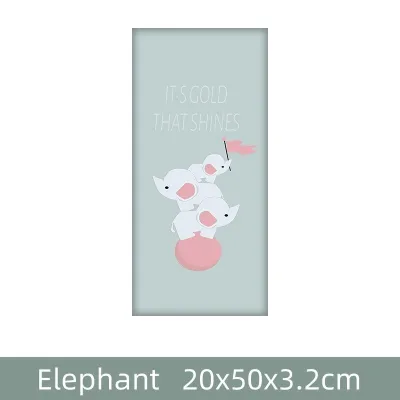
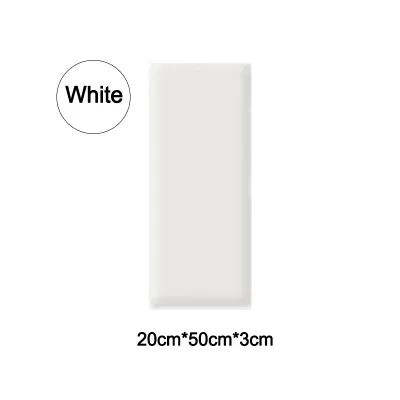
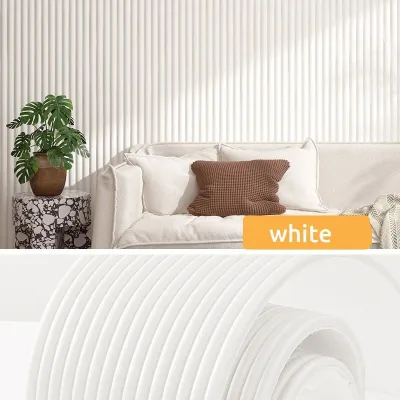
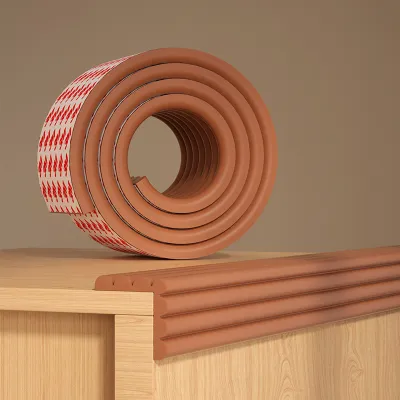
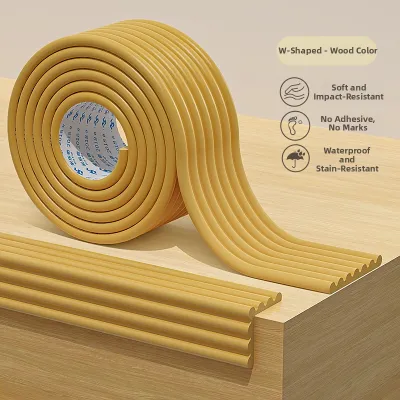
Prices are valid at publication and may change. Please refer to the product page for the latest price.
Silicone bumpers offer a more discreet and flexible alternative to bulky foam guards. Known for their moderate shock absorption, these bumpers are often semi-flexible and can be molded easily around tight corners or curved edges. One of their primary advantages is the availability of transparent options, which allow the natural beauty of your furniture to remain visible. When selecting silicone guards, it is crucial to verify food-grade or baby-safe material claims on the product label. Additionally, check the manufacturer’s specifications for temperature resistance, which ensures the adhesive and the silicone itself remain stable in warm, humid environments without becoming sticky or degrading.
Rubber bumpers, including those made from Polyvinyl Chloride (PVC) or synthetic rubber compounds, are characterized by their high density, durability, and natural slip resistance. These guards are designed to withstand heavy, repetitive impacts without losing their shape or tearing. Because they are much firmer than foam, they are highly suited for high-traffic zones and heavy furniture pieces that require robust protection. Before purchasing rubber bumpers, caregivers must guide their choices by checking for odor-free guarantees and explicit phthalate-free specifications on the packaging. Some synthetic rubbers can emit strong chemical odors, which are undesirable in enclosed nursery spaces or bedrooms.
Matching Bumper Materials to Specific Furniture Surfaces
Wood tables, cabinets, and TV consoles present unique challenges due to the diverse finishes and textures of natural timber. Porous, textured, or heavily oiled wood surfaces can make it difficult for standard adhesives to form a secure bond, leading to premature peeling. Conversely, highly finished or veneered wood can easily be stripped of its paint or varnish when removing strong adhesives. To prevent damage, caregivers should always test a small, hidden area of the furniture with the adhesive tape before full application. It is highly recommended to verify that the bumper’s adhesive is compatible with your specific wood finish, whether it is polyurethane, lacquer, or natural wax.

Glass edges, coffee tables, and low-hanging mirrors require a delicate balance of safety and aesthetic preservation. Bulky, opaque foam bumpers can look unsightly on sleek glass surfaces and may leave behind stubborn, cloudy adhesive residue that is difficult to clean. For these delicate surfaces, transparent silicone or clear PVC bumpers are the most suitable choices, as they blend seamlessly with the glass while providing essential edge protection. When preparing to install these guards, caregivers must verify that the adhesive is specifically rated as glass-safe. This ensures a strong, clear bond that will not slide off the smooth glass surface over time, while still allowing for clean removal when the bumper is no longer needed.
Metal frames, bed structures, and kitchen appliances often feature hard, unyielding edges that require maximum impact dampening. These surfaces are typically located in high-traffic areas where children are prone to running and bumping into furniture. Dense materials like synthetic rubber or extra-thick foam are highly suitable for these high-impact zones, as they provide the necessary resistance to absorb heavy forces. Before applying any bumper to a metal surface, it is vital to ensure the area is completely degreased and dry. Metal surfaces in kitchens or near dining areas can accumulate thin layers of cooking oil or moisture, which will severely compromise the adhesive’s ability to stick.
Safety, Adhesion, and Maintenance Checks
Regular safety inspections are a critical component of baby-proofing that caregivers must not overlook. As babies grow and begin teething, they often explore their environment by biting and chewing on accessible surfaces, including edge guards. Softer foam materials are particularly vulnerable to being torn or bitten into small pieces, which poses a severe choking hazard. Caregivers should establish a routine to check all installed bumpers weekly for signs of peeling, tearing, or loose edges. If any portion of a bumper becomes damaged or detached, it must be replaced immediately to maintain a safe environment. Caregiver supervision remains a critical line of defense against accidental ingestion.
Adhesive compatibility is another area that requires careful verification to avoid costly damage to household items. Before applying any adhesive-backed bumper, caregivers should thoroughly read both the bumper manufacturer’s instructions and the furniture’s care guidelines. If you are dealing with antique furniture, delicate hand-painted finishes, or items with specific manufacturer warranty restrictions, it is highly advisable to stop and consult a professional furniture restorer before proceeding. Using the wrong adhesive on a valuable heirloom can cause permanent discoloration or strip away historic finishes that cannot be easily repaired.
Maintaining the cleanliness of baby wall bumpers is essential for hygiene, but it must be done without compromising the adhesive bond. Caregivers should use mild, baby-safe cleaners and damp cloths to wipe down the bumpers, avoiding the use of harsh chemical solvents or abrasive scrubbing pads. Strong solvents can seep under the edges of the guard, degrading the adhesive backing and causing the bumper to slide or fall off. Additionally, harsh chemicals can strip the protective finish off the underlying furniture, leaving it vulnerable to moisture and wear. Keeping the cleaning process gentle ensures both the longevity of the safety guard and the preservation of your home’s interior.
Decision Framework: Which Material Should You Choose?
To simplify your baby-proofing journey, consider this straightforward, condition-based framework to select the most suitable bumper material for your home’s specific needs:
Choose Foam if your primary goal is maximum shock absorption on sharp, hard corners, such as thick wooden dining tables or low cabinets. This material is highly suited for areas where high-impact protection is the top priority, provided the wood surface is non-porous and allows for a strong, secure adhesive bond.
Choose Silicone if you prioritize home aesthetics and need to protect glass edges, mirrors, or modern minimalist furniture. Silicone offers moderate cushioning while remaining highly discreet, making it a highly practical choice for maintaining a clean visual profile without sacrificing basic safety.
Choose Rubber if you require exceptional durability and high grip on metal frames, bed bases, or high-traffic zones. Ensure the product label explicitly confirms the rubber is odor-free, phthalate-free, and certified safe for contact with infants before finalizing your purchase.
Verify First if your furniture features a delicate finish, antique value, or specific manufacturer warnings against the use of sticky pads. Taking the time to check these details beforehand will save your valuable furniture from permanent adhesive damage.
Frequently Asked Questions (FAQ)
Are transparent silicone bumpers completely invisible on glass?
While transparent silicone bumpers are designed to be highly discreet, they are not completely invisible. Factors such as light refraction, the thickness of the silicone material, and the adhesive layer underneath will create a slight visual profile on glass surfaces. To manage expectations, caregivers should check product photos or user reviews on online marketplaces to see how the clear guards look in real-world lighting conditions before purchasing.
How do I safely remove wall bumpers without damaging wood paint?
To safely remove wall bumpers from painted or finished wood, start by applying gentle heat to the guard using a hairdryer on a low setting. This softens the adhesive backing, making it much easier to peel away. Slowly and steadily pull the bumper off at a shallow angle, avoiding sudden jerks that could tear the paint. Any remaining sticky residue can be gently rubbed away using a mild, baby-safe oil-based remover on a soft cloth. Always test this removal process on an inconspicuous area of the furniture first to ensure the finish remains unaffected.

Community discussion
Share your experience or ask a question. Comments are reviewed before publication.