
When baby-proofing your home, choosing the right corner protector guard is a critical step in preventing painful bumps and serious injuries. The ideal material depends on your specific priorities: foam offers the absolute best impact cushioning but lacks long-term durability; plastic provides unmatched structural longevity and prevents deep cuts but offers very little shock absorption; and silicone serves as a highly balanced, hygienic, and flexible middle ground.
Understanding how these three common materials perform under daily wear and tear will help you secure your living space without compromising on safety or damaging your furniture. By evaluating their impact dispersion, resistance to curious toddlers, and ease of cleaning, you can make an informed decision tailored to your child’s developmental stage and your household’s daily habits.
Quick Comparison: Core Trade-Offs of Foam, Silicone, and Plastic Guards
Each material has distinct physical properties that dictate how it handles impact and daily exposure to dust, moisture, and little hands. Foam relies on its airy, compressible structure to absorb sudden forces, making it highly effective at cushioning direct impacts. Silicone uses its elastomeric flexibility to disperse energy while remaining resilient against chewing and tearing. Hard plastic relies on its structural rigidity to shield sharp edges, preventing lacerations even if it does not fully absorb the force of a collision.
Products mentioned in this guide
![[SG Stock] Corner Protector❤️Table Furniture Sharp Edge Safety Guard Silicone Bumper Baby Kids Children Protection](https://img.lazcdn.com/g/p/774cbe2a2c03816c7a70d8c8c65de91c.jpg_400x400q80.jpg_.webp)
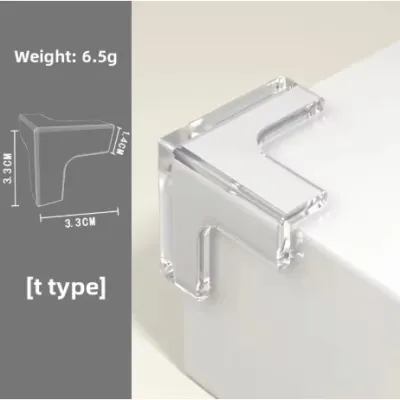
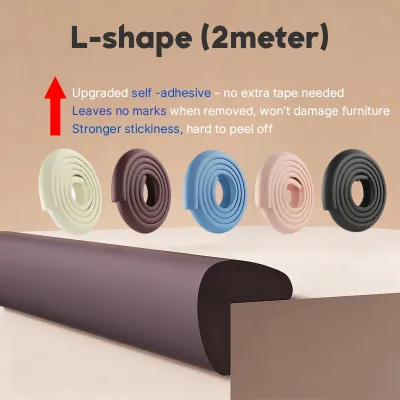
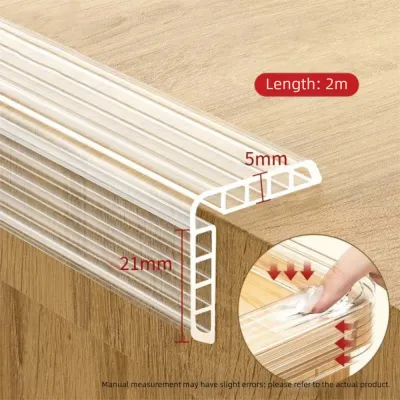
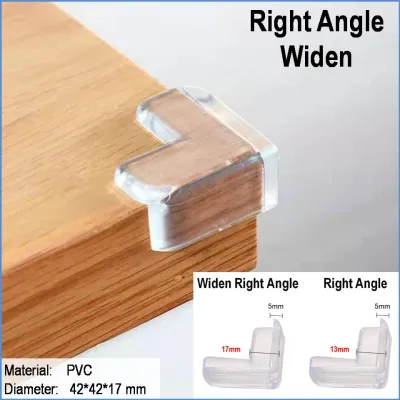
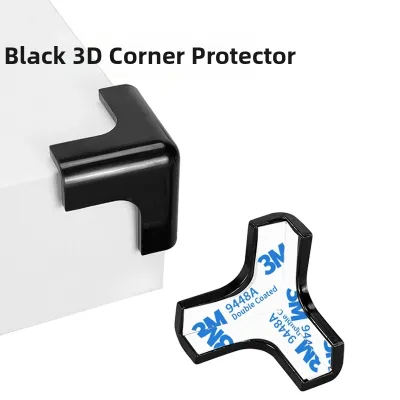
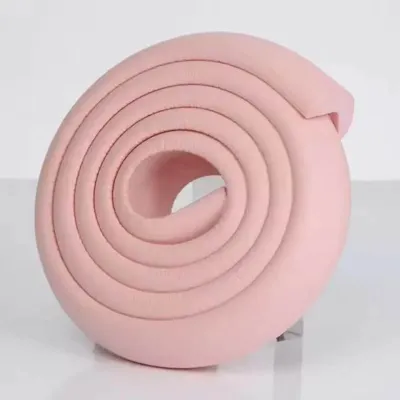
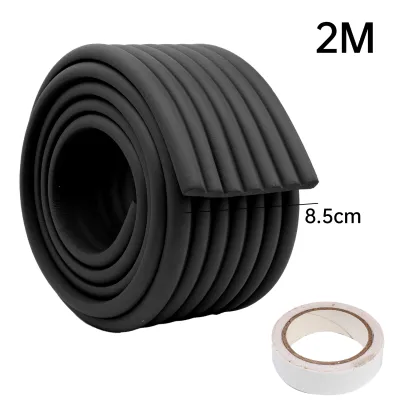
Prices are valid at publication and may change. Please refer to the product page for the latest price.
To help you quickly evaluate these materials, the table below compares their performance across key safety, durability, and maintenance dimensions:
| Material | Impact Cushioning (Safety) | Durability (Chewing & Tearing) | Maintenance & Cleaning | Best For |
|---|---|---|---|---|
| Foam | Excellent (High shock absorption) | Low (Prone to tearing and biting) | Difficult (Porous surface traps dirt) | Glass or stone tables; younger crawling babies |
| Silicone | Moderate to High (Good energy dispersion) | High (Very resistant to tearing) | Easy (Non-porous, wipeable) | High-traffic areas; teething toddlers |
| Plastic | Low (Rigid, shields sharp edges only) | Very High (Scratch and bite proof) | Very Easy (Smooth, simple to sanitize) | Metal edges; long-term structural protection |
No single material is universally perfect for every corner in your home. The right choice depends on the specific type of furniture you are covering, the severity of the sharp edge, and your child’s current developmental milestones.
Foam Corner Protectors: Maximum Cushioning but Lower Durability
Foam corner protectors are highly favored for their exceptional shock absorption. Because foam is highly compressible, it collapses under sudden pressure, which dramatically reduces the peak force of an impact. This makes foam guards particularly well-suited for extremely sharp, unyielding surfaces like heavy stone hearths, granite countertops, or thick glass coffee tables. If a crawling infant loses their balance and falls directly onto a foam-covered corner, the material cushions the blow far more effectively than denser alternatives.

However, foam has significant durability limitations that parents must consider. As babies grow, they often explore their environment using their hands and mouths. Foam is highly susceptible to peeling, tearing, and crumbling under the pressure of tiny fingers or new teeth. Once a baby manages to bite off a piece of a foam guard, that piece immediately becomes a serious choking hazard. Additionally, the adhesive backing on foam guards often pulls away more easily when subjected to constant pulling.
Maintenance is another area where foam presents distinct challenges. Because foam is a porous material, it naturally absorbs liquids, oils, and moisture. If your baby drools on the guard, or if a drink spills nearby, the liquid can seep deep into the foam’s structure. Over time, this trapped moisture can harbor bacteria or mold, which is difficult to clean without degrading the material itself. Scrubbing foam too vigorously can cause it to disintegrate, meaning these guards often require complete replacement rather than routine cleaning.
Given these characteristics, foam corner protectors are best reserved for temporary use or low-traffic areas. They are highly effective during the early stages of baby-proofing, such as when your baby is first learning to crawl or sit up and requires maximum padding against accidental falls. However, you should prepare to transition to more durable materials as your child becomes more mobile and curious.
Silicone Corner Guards: The Balanced Choice for Flexibility and Hygiene
Silicone corner guards offer a highly practical middle ground, combining flexible safety with excellent physical resilience. In terms of texture, silicone is firmer than foam but significantly softer than rigid plastic. When an impact occurs, the elastomeric nature of silicone allows it to deform slightly and disperse the force across a wider surface area. While it does not offer the pillowy softness of foam, it provides substantial protection against painful bumps without adding excessive bulk to your furniture.
One of the primary advantages of silicone is its exceptional durability and resistance to wear. Teething toddlers who attempt to chew on silicone guards will find the material highly resistant to tearing or puncturing. Because silicone is incredibly tough, it holds up well against persistent pulling, scratching, and daily bumps from vacuum cleaners or toys. Furthermore, silicone guards typically pair well with strong, clear acrylic adhesives, which bond tightly to furniture surfaces and resist sliding or peeling under toddler-induced stress.
From a hygiene perspective, silicone is exceptionally easy to maintain. Its non-porous surface prevents water, drool, and spilled food from soaking into the material. You can easily sanitize silicone guards by wiping them down with a damp cloth or a baby-safe sanitizing wipe. Because they do not absorb moisture, they are highly resistant to mold and mildew growth, making them a much cleaner long-term option for busy households.
When shopping for silicone guards, it is crucial to look beyond basic product names. Because material compositions can vary, you should always check the manufacturer’s packaging and product labels to verify claims of food-grade silicone. Confirm that the guards are certified free from harmful plasticizers, such as bisphenol A (BPA), phthalates, and heavy metals. Since babies may occasionally put their mouths on these guards, verifying these material safety specifications is an essential step.
Plastic Corner Protectors: Rigid Durability for Sharp Edges
Hard plastic corner protectors, typically made from materials like PVC or ABS, are engineered for structural longevity. Unlike foam or silicone, plastic does not compress or deform under pressure. Instead, its primary safety function is to shield the sharp point of a corner, transforming a dangerous, piercing edge into a rounded, blunt surface. While this effectively prevents deep cuts and lacerations, it offers very little shock absorption; a high-speed collision with a plastic guard can still result in a minor bruise or bump.
The standout feature of plastic guards is their near-indestructible nature. They are completely immune to teething bites, fingernail scratches, and the general wear and tear of a busy household. High-quality plastic guards also resist UV yellowing over time, allowing them to maintain their original appearance for years. If you are looking for a baby-proofing solution that will last through multiple childhood stages without needing to be replaced, rigid plastic offers the longest physical lifespan.
Cleaning hard plastic is completely straightforward. The smooth, non-porous surface does not trap dirt, dust, or oils. You can scrub plastic guards with standard household cleaners or baby wipes without any risk of damaging the material. This makes them highly suitable for high-traffic areas like dining table corners, where food spills and sticky fingers are a daily occurrence.
Despite their durability, plastic guards carry a specific safety limitation regarding adhesion. Because the material is rigid, any force applied to the guard is transferred directly to the adhesive backing. If a child pulls hard enough or if the adhesive degrades, a rigid plastic guard can pop off entirely. Because a hard plastic corner protector is small and solid, a detached guard poses a severe choking hazard. Parents must conduct regular adhesion checks to ensure these rigid guards remain firmly bonded to the furniture.
How to Choose the Right Material for Your Furniture and Baby's Stage
Selecting the right corner protector guard requires matching the material’s physical properties to your specific home environment and your child’s developmental milestones.
Furniture Material Matching
- Glass and Stone: Sharp glass coffee tables and granite or marble countertops present the highest risk of severe impact injuries. For these materials, prioritize maximum cushioning by choosing foam or very thick silicone guards.
- Wood and MDF: Standard wooden dining tables, desks, and bookshelves pair excellently with silicone or plastic guards. These materials bond well with clear acrylic adhesives without hiding the natural wood grain.
- Metal Edges: Metal bed frames or filing cabinets benefit from the structural rigidity of plastic or the flexible grip of silicone, which can easily wrap around thin metal profiles.
Developmental Stage Considerations
- Crawling and Pulling Up (6 to 12 Months): At this stage, infants frequently lose their balance and fall from a low height. Their movements are less coordinated, making direct facial or head impacts on low corners a primary concern. Prioritize maximum cushioning and soft edges by installing foam or thick, soft silicone guards.
- Toddler Walking and Running (12+ Months): As toddlers gain speed and begin to explore actively, their curiosity and strength increase. They are more likely to pull, bite, or pick at baby-proofing items. For this stage, prioritize durability, chew-resistance, and highly secure adhesion by transitioning to silicone or rigid plastic guards that cannot be easily damaged or detached.
Aesthetic Integration If preserving the visual appeal of your home is a priority, clear or translucent silicone and plastic options are highly effective because they allow the underlying furniture color to show through. This prevents the baby-proofing from looking overly intrusive. Conversely, if you want to create a highly visible boundary to warn running toddlers away from a sharp corner, color-matched foam guards provide an obvious visual cue that can help children learn to navigate around obstacles safely.
Installation and Maintenance: Keeping Guards Secure and Hygienic
Proper installation is just as important as choosing the right material. Even the highest-quality corner protector guard will fail to protect your child if it detaches easily or is installed incorrectly.
Surface Preparation Before applying any adhesive, you must clean the furniture corner thoroughly. Dust, wood polish, oils, and fingerprint residue will severely weaken the adhesive bond. Wipe the area with rubbing alcohol and allow it to dry completely. Avoid using standard household glass cleaners or multi-surface sprays, as they often leave behind a thin film that prevents the adhesive from bonding securely.
Curing Time Once you apply the corner guard, press down firmly on all sides for at least 30 seconds to activate the pressure-sensitive adhesive. For the strongest possible bond, allow the adhesive to cure undisturbed for 24 to 48 hours before letting your baby interact with it. Pulling on the guard before the adhesive has fully cured will significantly reduce its lifespan and effectiveness.
Routine Safety Checks Baby-proofing is not a set-and-forget task. You should inspect all installed corner guards at least once a week. Check for any signs of peeling, loose edges, or deep bite marks. If you notice that a foam guard is beginning to crumble, or if a plastic guard has lost its adhesion, remove it and replace it immediately to prevent choking hazards or sudden exposure to sharp edges.
Safe Removal When it is time to remove the guards, you can minimize the risk of damaging your furniture’s finish by using gentle heat. Run a hair dryer on a low or medium setting over the guard for a few minutes to soften the adhesive. Gently peel the guard away from the corner. If any sticky residue remains, apply a small amount of warm soapy water or a specialized adhesive remover. Always test any adhesive remover on a hidden area of the furniture first to ensure it does not discolor or strip the wood stain, varnish, or glass coating.
Frequently Asked Questions (FAQ)
Are clear silicone corner guards completely invisible on dark wood furniture?
While clear silicone corner guards blend beautifully with glass and light-colored wood, they are rarely completely invisible on dark wood furniture. The transparent material can create a noticeable glare under overhead lighting, and the adhesive backing may appear slightly cloudy or white against a dark, matte, or highly polished finish. If aesthetic integration is your primary goal for dark furniture, look for dark brown or black silicone options that match the tone of the wood.
How often should I replace foam corner protectors?
You should replace foam corner protectors as soon as they show visible signs of wear, such as tearing, peeling, or deep bite marks. Depending on how active your child is and whether they are in a teething phase, foam guards can degrade within a few months. Because loose pieces of foam pose a severe choking hazard, immediate replacement is necessary the moment the material’s structural integrity is compromised.
Can I use my own double-sided tape instead of the provided adhesive for plastic guards?
It is generally not recommended to use generic household double-sided tape for rigid plastic guards. Standard office or craft tapes lack the shear strength required to hold rigid plastic in place under sudden impact or persistent pulling. If the manufacturer-provided adhesive fails or is missing, you should replace it with heavy-duty, double-sided acrylic mounting tape that is specifically rated for furniture safety and designed for clean, residue-free removal.

Community discussion
Share your experience or ask a question. Comments are reviewed before publication.