
Selecting the right wall protective pad for your home is not about finding a single universal winner, but rather matching a material’s physical properties to your specific living space and your child’s developmental stage. There is no one-size-fits-all solution; foam offers maximum thickness for sharp corners, silicone provides discreet flexibility for flat surfaces, and rubber delivers high durability against pulling. This guide compares these three materials across cushioning, adhesion, and safety, providing a condition-based framework to help you choose the right protection for your home environment.
Core Decision Factors for Wall Protective Pads
When planning your home childproofing strategy, several environmental and behavioral factors must guide your choice of protective materials. The primary purpose of a wall protective pad is to mitigate impact, but how a material achieves this depends heavily on its thickness and density. Thicker, highly compressible materials absorb sudden impacts by spreading the force over a larger surface area, whereas thinner materials rely on density to prevent bottoming out against a hard wall.
Adhesive compatibility is another critical factor that varies significantly by material and wall type. In Singapore’s warm and humid climate, moisture levels in the air can affect how adhesives bond to painted concrete, drywall, or wooden finishes. A pad that adheres perfectly to a smooth glass surface may slide off a textured plaster wall or pull away paint upon removal, making it essential to evaluate your specific wall finishes before purchasing.
Products mentioned in this guide
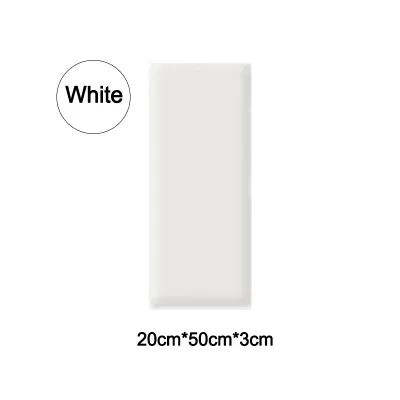
![ [SG Stock] Wall Cushion Baby Protection Pad DIY Wall Protector Kids Playroom Anti-collision Wall 20*50cm](https://img.lazcdn.com/g/p/575ac78c054e3fbfd1b7ce7cba6cbf19.jpg_400x400q80.jpg_.webp)
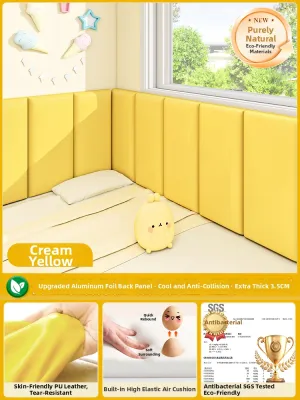
![[SG SELLER] Anti-Collision Wall Bumper/Cushion 3D Anti-collision Wall Stickers Childrens Room/Nursery PU Waterproof](https://img.lazcdn.com/g/p/47a9cf26d4dd8eaed090b51bee2e7f42.jpg_400x400q80.jpg_.webp)
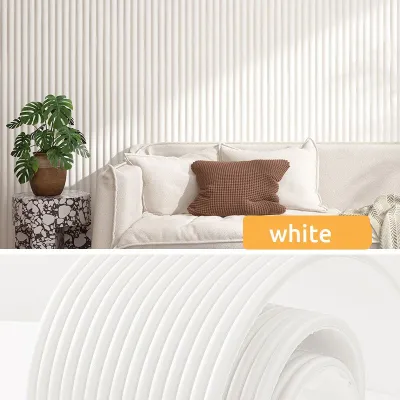
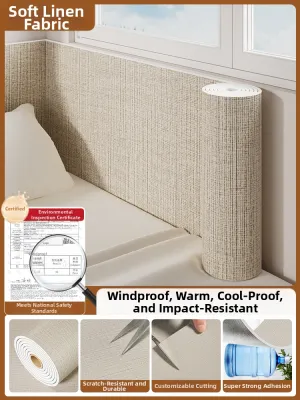
Prices are valid at publication and may change. Please refer to the product page for the latest price.
Finally, you must consider how your child will interact with the protective pads. Toddlers are naturally curious and often explore their environment by pulling, scratching, or chewing on newly installed objects. If a protective pad is easily damaged or detached, it transitions from a safety device into a potential choking hazard, requiring caregivers to balance cushioning needs with material durability.
Foam Pads: Characteristics and Ideal Use Cases
Foam wall protective pads, typically made from expanded polymers like ethylene-vinyl acetate (EVA) or polyurethane, are widely recognized for their high compressibility and generous thickness. This structural profile makes foam highly effective at absorbing impacts on sharp furniture corners, low-clearance wall edges, and structural pillars. The soft, yielding texture of foam provides a forgiving barrier that cushions high-velocity bumps as children learn to walk and run.

However, the very softness that makes foam excellent for cushioning also makes it vulnerable to physical damage. Teething toddlers can easily bite off chunks of soft foam, and curious fingers may peel or tear the material away from its adhesive backing. Once a foam pad is torn or punctured, its structural integrity is compromised, and the loose pieces can quickly become dangerous swallowing hazards.
When selecting foam pads, caregivers should avoid relying on generic safety assumptions and instead verify product specifications directly on the packaging. Look for manufacturer labels indicating high-density construction, which resists tearing better than low-density alternatives. Additionally, check the product documentation for non-toxic material verifications, such as compliance with regional toy safety standards, to ensure the material is suitable for areas where children play.
Silicone Pads: Characteristics and Ideal Use Cases
Silicone protective pads offer a low-profile, highly flexible alternative to bulky foam options. Because silicone can be molded into thin, translucent, or color-matched designs, it is an ideal choice for curved surfaces, glass panels, and areas where you prefer to maintain a discreet home aesthetic. These pads blend easily into modern interiors, providing subtle protection without drawing a child’s attention to the childproofing gear.
Unlike foam, which relies on its thick, airy structure to absorb force, silicone relies on its dense, rubbery elasticity. Because silicone pads are generally much thinner, they may not provide sufficient cushioning for high-force collisions against sharp concrete corners. Instead, they are best suited for flat wall surfaces, door handle bumpers, and low-risk edges where minor bumps are the primary concern.
Before installing silicone pads in nurseries or play areas, it is important to verify their material grade and safety certifications. Caregivers should inspect the manufacturer’s physical packaging to confirm the use of food-grade or high-purity silicone, ensuring the material does not contain unwanted chemical additives. Because silicone is highly resistant to tearing, it generally holds up well against biting, but its performance still depends heavily on the quality of the pre-applied adhesive backing.
Rubber Pads: Characteristics and Ideal Use Cases
Rubber wall protective pads, whether made from natural or synthetic rubber compounds, are designed for heavy-duty protection and long-term durability. Rubber is highly resilient, offering excellent resistance to pulling, scratching, and biting compared to softer foam alternatives. This makes rubber pads highly suitable for high-traffic areas, playrooms, or homes with active pets and toddlers who frequently attempt to dismantle safety installations.
Despite their durability, rubber pads present unique compatibility challenges with interior wall finishes. Certain rubber compounds can chemically react with delicate wall paints, varnishes, or freshly applied finishes, leading to permanent staining, discoloration, or marking. Additionally, synthetic rubber products can sometimes release a strong initial odor or undergo off-gassing when first unpacked.
To ensure a safe indoor environment, caregivers should check product labels for chemical safety disclosures and off-gassing warnings before installing rubber pads in enclosed sleeping areas. It is also advisable to verify the manufacturer’s instructions regarding surface compatibility to prevent damage to your wall paint. If you are installing rubber pads on painted drywall or concrete, choosing a brand that specifies non-marking properties can help preserve your home’s surfaces.
Material Comparison and Decision Framework
To select the most appropriate wall protective pad for your home, you must evaluate your specific household conditions rather than searching for a single superior material. Each option serves a distinct purpose, and the right choice depends on where the pad will be placed and how your child behaves.
You should choose foam pads if your primary goal is to provide maximum cushioning on sharp corners, fireplace hearths, or low-clearance wall edges, provided your child does not have a habit of biting or peeling objects. Foam’s thickness is unmatched for high-impact protection in active play zones.
You should choose silicone pads if you require discreet, low-profile protection on flat walls, glass doors, or curved surfaces where thick padding would look unsightly or interfere with structural clearance. Silicone is highly suitable for minimalist spaces and areas where minor bumps are the main concern.
You should choose rubber pads if you need heavy-duty durability in high-traffic areas where pads are subjected to constant pulling, scratching, or biting, and you have already verified that the rubber compound is compatible with your wall finish.
Neither material may be suitable if your wall surface is heavily textured, peeling, damp, or freshly painted within the last few weeks. In these conditions, standard adhesives are highly likely to fail, either falling off prematurely or stripping away the wall surface upon removal. If your child has a persistent habit of picking at and detaching adhesive-backed items, you should verify whether alternative physical barriers, such as free-standing playpens or furniture rearrangement, are more appropriate than stick-on pads.
Safe Installation, Supervision, and Removal
Proper installation is essential to ensure that wall protective pads remain securely in place and perform as intended. Before applying any adhesive pad, thoroughly clean the wall surface with a mild cleaning agent or as directed by the manufacturer to remove dust, oil, and moisture. In humid environments, ensure the wall is completely dry before application, and allow the adhesive to cure undisturbed for the full duration recommended by the manufacturer—typically 24 hours—before allowing your child near the area.
No protective pad can replace active adult supervision, and caregivers must regularly inspect all installed childproofing gear. Over time, exposure to humidity, dust, and physical pulling can weaken adhesives, causing pads to sag or detach. If you observe any signs of tearing, crumbling, or loose edges, remove the pad immediately and replace it, as small detached pieces present a severe choking hazard to young children.
When the time comes to remove the protective pads, taking a gentle approach can prevent costly damage to your wall paint or plaster. You can use a hair dryer on a low, warm setting to gently soften the adhesive backing before slowly peeling the pad away from the wall. Alternatively, sliding a piece of dental floss or thin string behind the pad can help slice through the adhesive layer without pulling on the paint. If you encounter high resistance or notice the wall surface beginning to crack, stop immediately and consult a professional painter or handyman to avoid further damage.
Frequently Asked Questions (FAQ)
Are wall protective pads a substitute for active child supervision?
No, wall protective pads are not a substitute for active caregiver supervision. These safety accessories are designed solely to mitigate the severity of minor, accidental bumps and scrapes; they cannot prevent falls, climbing incidents, or other structural hazards in the home. As children grow, they rapidly develop new motor skills and problem-solving abilities, often learning how to peel, bypass, or dismantle childproofing devices, which makes continuous adult oversight essential for maintaining a safe environment.
How do I test if the adhesive will damage my wall paint?
To test if an adhesive will damage your wall paint, apply a single, small sample pad or a small piece of the provided adhesive tape to an inconspicuous area of your home, such as a spot behind a large piece of furniture or near the baseboard. Leave the test adhesive in place for the manufacturer’s recommended testing period, or at least 48 hours, to allow it to bond fully with the surface. Afterward, remove the adhesive slowly using the recommended removal techniques, checking carefully for any signs of paint lifting, sticky residue, or discoloration before proceeding with the full installation.

Community discussion
Share your experience or ask a question. Comments are reviewed before publication.