
Choosing the right baby edge protector is a crucial step in creating a safe home environment as your little one begins to crawl, stand, and explore. While sharp corners on coffee tables, TV consoles, and dining sets pose obvious risks, there is no single material that serves as a universal solution for every household. The ideal choice depends on your specific furniture types, your child’s developmental stage, and your home’s aesthetic preferences.
Foam, silicone, and rubber each offer distinct advantages and trade-offs in terms of impact absorption, durability, and ease of maintenance. For instance, while soft foam provides excellent cushioning for low-to-the-ground furniture, it can easily become a chewing hazard for teething toddlers. Understanding these material differences allows you to make an informed decision that balances effective protection with long-term durability.
To help you navigate these options, this guide evaluates the safety, performance, and installation requirements of foam, silicone, and rubber edge guards. By matching the unique properties of each material to your daily living conditions, you can secure your living space effectively while preserving the integrity of your furniture.
Products mentioned in this guide
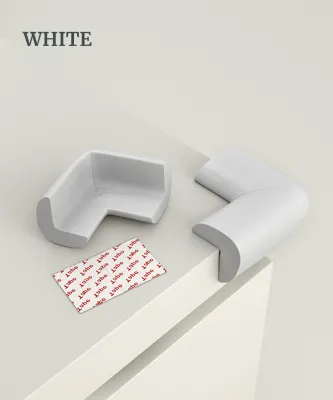
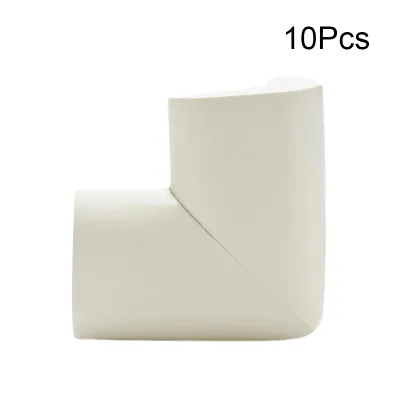
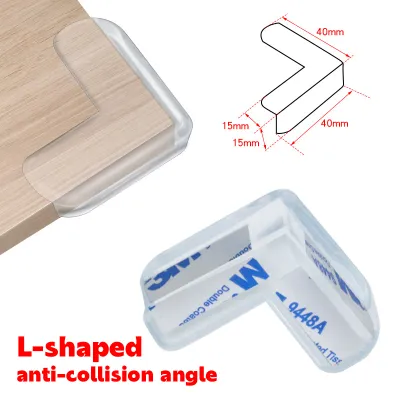

Prices are valid at publication and may change. Please refer to the product page for the latest price.
Key Safety and Durability Criteria for Baby Edge Guards
Before purchasing any baby protector, it is essential to establish the baseline standards used to evaluate their performance. The primary purpose of an edge guard is impact absorption, which refers to how well the material deforms under sudden pressure and disperses the force of a collision. This capability is especially critical for low-lying furniture, where a falling toddler is likely to make direct contact with sharp, unyielding corners.
Adhesion strength is another critical factor that directly impacts both safety and convenience. A protector that peels away easily not only fails to guard against impacts but also becomes a tempting object for curious hands to pull. In warm, humid climates, standard double-sided tapes can degrade more quickly, making it vital to select high-quality adhesives that bond securely without leaving permanent residue or stripping the underlying furniture finish upon removal.
Caregivers must also consider the risk of choking hazards associated with material degradation. Babies frequently explore their surroundings by chewing on accessible surfaces, and edge protectors are often at perfect teething height. If a material tears, peels, or crumbles easily under pressure from tiny teeth, it can quickly turn into a dangerous choking hazard. Regular inspection of the material’s structural integrity is a necessary part of home safety maintenance.
Finally, because these products will be in close contact with your child, verifying non-toxic material certifications on product packaging is highly recommended. Look for manufacturer-declared compliance with international safety standards, such as BPA-free, phthalate-free, and heavy-metal-free formulations. Always verify these safety labels directly on the packaging rather than relying solely on product names or marketing descriptions.
Foam Edge Protectors: Impact Absorption and Limitations
Foam edge protectors, typically made from Nitrile Butadiene Rubber (NBR) foam, are widely recognized for their exceptional shock absorption. Because the material is thick, spongy, and highly compressible, it provides a soft barrier that significantly cushions impacts against sharp, hard corners. This makes foam an excellent choice for low-to-the-ground furniture, such as low TV consoles, bed frames, and heavy wooden coffee tables where high-impact falls are more common.

Another major benefit of foam is its lightweight nature and ease of customization. Parents can easily cut foam strips to custom lengths using standard household scissors, making it simple to fit irregular furniture shapes or wrap around complex corners. This flexibility allows for quick, comprehensive coverage across various rooms without requiring specialized tools or complex installation steps.
However, foam has notable limitations when it comes to durability and toddler interaction. Teething babies often find the soft, squishy texture of foam highly appealing to bite, scratch, or peel. If a toddler manages to tear off a piece of the foam, it immediately becomes a severe choking hazard. For this reason, foam protectors require constant supervision and should be inspected daily for any signs of bite marks or structural wear.
Additionally, foam can present adhesion challenges on certain surfaces. Because the material is porous and flexible, it may not bond as securely to textured wood, uneven surfaces, or poorly finished laminates. Over time, dust and moisture can compromise the adhesive backing, causing the edges to curl and lift, which further invites curious toddlers to pull the protector away from the furniture.
Silicone Edge Protectors: Flexibility and Aesthetic Trade-offs
Silicone edge protectors offer a modern, low-profile alternative for parents who prioritize durability and home aesthetics. Made from dense, flexible polymer, silicone is highly resistant to chewing, tearing, and general wear. Unlike foam, it does not crumble or tear when subjected to baby teeth, making it an exceptionally durable option for households with active, teething toddlers who tend to explore surfaces with their mouths.
From an aesthetic standpoint, silicone is often preferred because it is available in clear, transparent, or color-matched designs. This transparency allows the natural beauty of your furniture to show through, making the protectors highly discreet on modern glass dining tables, minimalist metal frames, or high-end wooden surfaces. It provides a clean, unobtrusive look that blends seamlessly into contemporary living spaces.
Despite these aesthetic benefits, silicone does involve a trade-off in terms of impact absorption. Because silicone is much denser and thinner than spongy foam, it does not offer the same level of deep, pillowy cushioning. Instead of absorbing the entire force of an impact, silicone works by turning a sharp, cutting edge into a blunt, rounded surface. While this is highly effective at preventing serious cuts and bruises, it may provide less protection against minor bumps compared to thick foam.
To ensure silicone guards remain secure, they require strong, baby-safe adhesive tapes. Because the material is firm and has a natural springiness, any lifting at the corners can cause the entire strip to peel away. Caregivers must ensure a clean, precise application and use high-quality adhesives recommended by the manufacturer to prevent toddlers from successfully peeling the guards off the furniture.
Rubber Edge Protectors: Heavy-Duty Protection and Grip
Rubber edge protectors provide heavy-duty protection suitable for high-traffic areas and heavy, solid furniture. Made from dense synthetic or natural rubber, these guards offer a robust middle ground between the soft cushioning of foam and the firm durability of silicone. They are highly resilient and capable of withstanding significant wear and tear over extended periods, making them ideal for busy family rooms and shared spaces.
One of the primary advantages of rubber is its natural grip and flexibility. It conforms well to curved, rounded, or irregular edges, providing a secure fit on circular dining tables, colonial-style furniture, or metal bed frames. The material’s density ensures that it remains firmly in place once applied, offering reliable protection against accidental bumps from both children and adults.
However, some rubber products can emit a strong initial chemical odor or undergo off-gassing when first unpacked. To address this, parents should carefully check product labels for material safety declarations, and allow the protectors to air out in a well-ventilated space or outdoors for a few days before installing them indoors. Verifying that the product is free from harmful chemical additives is an important step in ensuring a safe indoor environment.
In terms of installation, rubber can be more challenging to work with than foam. Because the material is dense and tough, cutting it cleanly requires sharp utility shears rather than standard kitchen scissors. Additionally, rubber can sometimes bulge or buckle when forced around tight, acute corners, requiring precise measurements and careful trimming to achieve a flush, secure fit.
Material Comparison and Decision Framework
To help you determine the most suitable option for your home, the table below compares foam, silicone, and rubber edge protectors across key performance categories.
| Material | Impact Absorption | Chew Resistance | Adhesion Durability | Aesthetic Integration | Best Use Case |
|---|---|---|---|---|---|
| Foam (NBR) | High (Soft & thick) | Low (Easily torn) | Moderate (Porous backing) | Low (Bulky, opaque) | Low-lying furniture, sharp corners, non-teething babies |
| Silicone | Moderate (Firm & thin) | High (Tear-resistant) | High (Requires strong tape) | High (Discreet, clear) | Glass tables, modern furniture, teething toddlers |
| Rubber | Moderate-High (Dense) | High (Durable) | High (Heavy-duty bond) | Moderate (Industrial look) | High-traffic areas, curved edges, heavy wooden furniture |
When deciding on the best baby protector for your home, consider this conditional decision framework:
- Choose Foam if your primary goal is maximum impact cushioning on sharp, low corners (such as TV consoles or low coffee tables) and your child is not yet teething or prone to chewing on furniture.
- Choose Silicone if you want a discreet, low-profile appearance on modern or glass furniture, and you require a highly chew-resistant material that can withstand a teething toddler's curiosity.
- Choose Rubber if you need heavy-duty, long-lasting protection for high-traffic areas, curved edges, or heavy wooden and metal furniture frames.
In some situations, no single material will fit perfectly. For example, if you have a highly active teething toddler who consistently pulls off or chews through edge guards, temporary alternative safety measures may be necessary. In such cases, consider blocking off high-risk furniture entirely using safety gates or playpens, and always maintain close caregiver supervision to ensure your child’s safety.
Safe Installation and Maintenance Practices
Proper installation is critical to ensuring that your chosen edge protector remains secure and performs as intended. Before applying any adhesive, prepare the furniture surface thoroughly. Clean the area with rubbing alcohol or a mild soap-and-water solution to remove dust, oils, fingerprints, and furniture polish. Allow the surface to dry completely, as any remaining moisture or residue will significantly weaken the adhesive bond.
Always check the manufacturer’s instructions for specific surface compatibility before installation. Certain adhesives may react chemically with delicate wood veneers, varnishes, or painted surfaces, potentially stripping the finish when the guard is eventually removed. For glass, metal, or solid wood, ensure the adhesive tape specified by the manufacturer is rated for that particular material to achieve the strongest possible bond.
Routine maintenance is essential to keep the protectors functioning safely. Perform weekly inspections of all installed edge guards, checking for signs of peeling, loose corners, bite marks, or material hardening. If you observe any damage, tearing, or a loss of stickiness, stop using the guard immediately and replace it to prevent both impact injuries and choking hazards.
When it is time to remove the edge protectors, take care to prevent permanent damage to your furniture. Use a hair dryer on a low, warm setting to gently heat the adhesive, which softens the bond and allows the guard to peel away smoothly. Any remaining sticky residue can be cleaned up using a baby-safe adhesive remover, vegetable oil, or warm soapy water, followed by a gentle wipe with a microfiber cloth.
Frequently Asked Questions (FAQ)
Are clear silicone edge protectors completely invisible on glass tables?
While clear silicone edge protectors are highly discreet, they are not completely invisible. Light refraction through the clear material and the double-sided adhesive tape underneath will create visible lines or small, trapped air bubbles. To achieve the cleanest look, use a flat card or squeegee during installation to press out air bubbles, and follow the manufacturer’s guidelines for glass-compatible adhesives to ensure a secure, neat application.
How often should I replace foam or rubber edge guards?
There is no fixed expiration date for edge protectors; instead, replacement should be based on physical condition and your baby’s developmental stage. Inspect the guards regularly and replace them immediately if you notice physical bite marks, tearing, hardening of the material, or a loss of adhesion. If a guard becomes damaged or easily peelable by your child, stop using it and consult the manufacturer’s replacement guidelines to maintain a safe environment.

Community discussion
Share your experience or ask a question. Comments are reviewed before publication.