
When preparing for family outings, managing damp swimsuits, soiled clothes, or messy bibs requires a reliable storage solution. The Flock Three wet bag is a popular choice for parents due to its lightweight, water-resistant fabric, dual-zipper compartment options, and versatile prints. However, determining how it compares to popular alternatives depends on verifying specific material compositions, closure designs, and capacity limits against your family’s daily routine. While some brands focus on heavy-duty, multi-layered waterproofing for cloth diapering, others prioritize ultra-compact storage or specialized strap configurations. To make an informed decision, parents must look past marketing terms and evaluate concrete specifications such as dimensions, seam construction, and care instructions.
Key Comparison Dimensions for Kids' Wet Bags
When comparing wet bags for family outings, parents often face a confusing array of product descriptions promising leakproof performance and ultimate convenience. To make an objective comparison, it is essential to break down these products into verifiable dimensions. The first critical dimension is the material composition and the type of water-resistant lining used. Most modern wet bags utilize polyester fabric bonded with a thermoplastic polyurethane (TPU) or polyurethane laminate (PUL) layer. Rather than assuming absolute waterproof performance, parents should check the manufacturer’s tags to verify whether the lining is heat-bonded or chemically treated, as this affects both durability and chemical exposure.
The second dimension is the stated capacity and physical dimensions of the bag. A bag intended for a quick trip to a local mall requires a different volume than one meant for a full day at a water park. Checking the exact measurements in centimeters and the volume in liters helps prevent purchasing a bag that is either too bulky to fit into a diaper bag or too small to hold a change of clothes and a towel.
Products mentioned in this guide
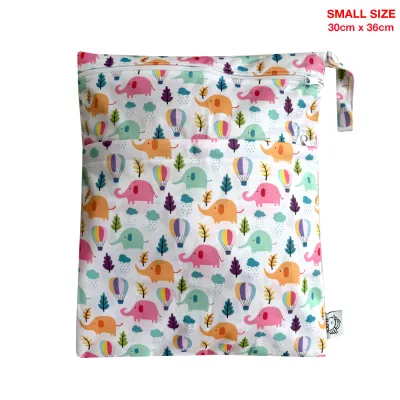
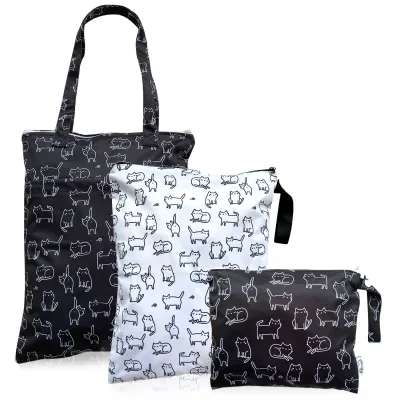
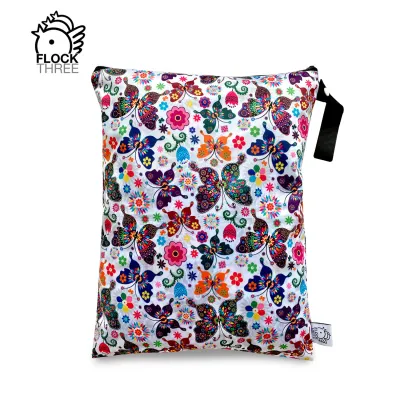
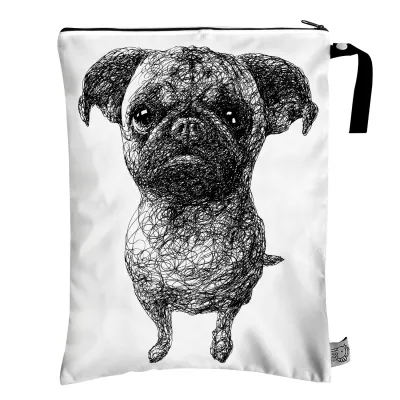
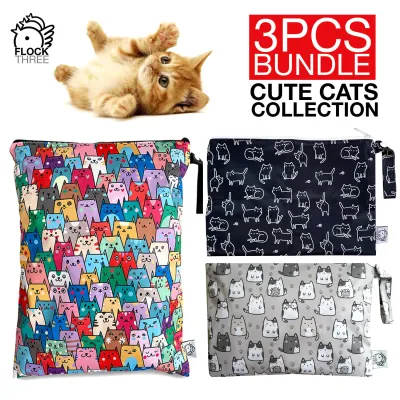
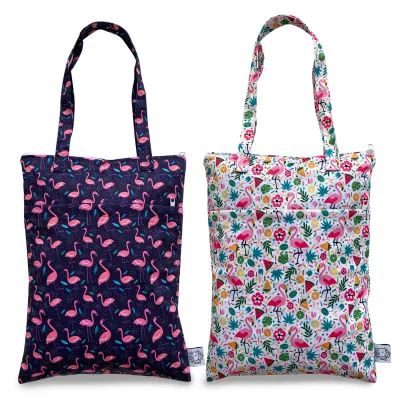
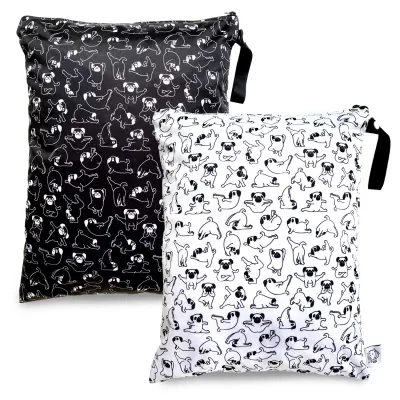
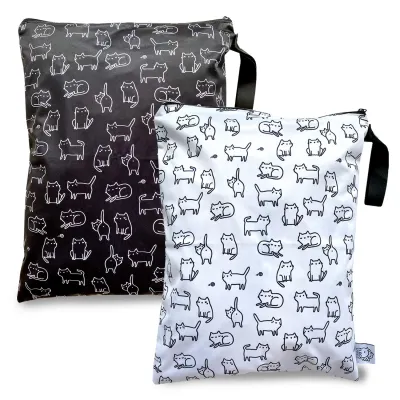
Prices are valid at publication and may change. Please refer to the product page for the latest price.
Compartment design is the third key dimension. Some wet bags feature a single pocket, while others offer dual-zippered compartments designed to separate clean, dry items from wet, soiled ones. Evaluating how these compartments are structured allows you to determine if the bag can truly serve a dual purpose during long days out.
Finally, portability features dictate how easily the bag integrates into your existing gear. Look for the presence of sturdy handles, snap straps, or carabiner clips. These elements determine whether you can easily attach the wet bag to a stroller handlebar, a backpack strap, or a diaper bag exterior, keeping your hands free to manage your children.
Evaluating the Flock Three Wet Bag Specifications
To understand where the Flock Three wet bag fits into your outing routine, you must systematically evaluate its official specifications. According to official product descriptions, Flock Three wet bags are typically constructed from water-resistant TPU fabric, which is designed to be lightweight yet durable. The brand frequently offers various sizes, including medium and large options, which parents should verify by checking the exact physical measurements on the packaging or official online listings before purchasing.

The closure mechanism is another vital specification to inspect. Flock Three bags generally utilize zipper closures to secure items. When reviewing these closures, check if the manufacturer specifies whether the zippers themselves are waterproof or water-resistant, as standard zippers can sometimes allow moisture to seep through if the bag is filled with highly saturated items. The structural design often includes a convenient snap handle, allowing the bag to be hung from a stroller or hook.
It is equally important to look for any specific usage warnings or weight limits provided by the manufacturer. For instance, some lightweight wet bags are not designed to hold standing water or extremely heavy, soaking-wet items without eventual seepage. Checking the brand’s official guidelines will clarify whether the bag is suitable for holding dripping-wet swimwear directly, or if items should be wrung out thoroughly first. Additionally, verify if there are any safety warnings regarding the snap straps, especially if the bag will be left within reach of infants or toddlers.
Comparing Design and Usability Features
Comparing the practical design elements of the Flock Three wet bag with those of alternative brands reveals distinct differences in daily usability. One of the most significant design variations lies in the layout of wet/dry separation pockets. While some competing brands offer completely separate, insulated compartments with independent linings, others rely on a single internal divider. A true dual-pocket design allows you to store clean diapers or dry clothes in one section and soiled items in another without any moisture transfer. Parents should examine the security of the zipper seals on these pockets, as high-quality, tightly fitted zippers are crucial for preventing leaks and containing dampness.
Attachment options also vary widely across brands. The Flock Three model typically features a convenient snap-button strap on the handle, making it easy to loop around stroller bars or diaper bag straps. In contrast, some alternative brands utilize adjustable buckle straps, dual handles, or even integrated carabiner clips. If you frequently transition between a backpack, a stroller, and a baby carrier, you should evaluate which attachment style offers the most secure and hands-free convenience for your specific gear setup.
Structural stability and odor containment are additional usability factors to consider. When a wet bag is fully loaded with damp clothes or soiled diapers, its shape can distort, potentially putting stress on the seams and zippers. Some premium alternatives feature reinforced flat bottoms or structured gussets that allow the bag to stand upright on its own, which can be highly convenient during diaper changes in public restrooms. For odor containment, look for bags that feature sealed seams or specialized zipper guards. While no fabric bag can completely eliminate odors indefinitely, a well-designed zipper seal and a high-quality TPU lining will significantly reduce odor leakage during a typical day-long outing.
Care, Maintenance, and Durability Checks
The long-term value of any wet bag depends heavily on its durability and how easy it is to clean. Parents should always compare the manufacturer care labels before establishing a washing routine. While many wet bags, including the Flock Three, are advertised as machine washable, the specific wash settings are critical. Some brands require cold, gentle cycles and prohibit the use of bleach, fabric softeners, or vinegar, which can prematurely degrade the water-resistant TPU or PUL lining.
Drying guidelines are equally vital for preventing lining degradation and mildew growth. Many manufacturers recommend line drying or air drying the bags inside out. Tumble drying on high heat can melt or crack the internal laminate layer, rendering the bag useless for containing wet items. If you prefer the convenience of a clothes dryer, you must verify if the brand explicitly permits low-heat tumble drying. For stain treatment, check if the manufacturer recommends specific mild detergents or if spot-cleaning is preferred for minor soiled spots.
Physical durability can be assessed by closely inspecting the seam construction and hardware quality. Look for double-stitched seams or heat-sealed seams, which are much less likely to fray or leak under pressure. The quality of the zippers and snaps is another indicator of longevity. Metal snaps and heavy-duty plastic zippers generally withstand repeated use and washing better than thin, lightweight plastic alternatives. Inspecting these components when you first receive the product helps ensure the bag will survive the rigorous demands of daily family outings.
Decision Framework: Which Wet Bag Fits Your Needs?
Selecting the right wet bag requires matching your family’s specific outing habits with the verified features of each product. To simplify this decision, you can apply a conditional framework based on your storage and maintenance preferences.
You should choose the Flock Three wet bag if you are looking for a lightweight, highly portable option with versatile prints and a convenient snap handle. It is highly suitable for parents who need a reliable bag for moderate wetness, such as damp swimsuits after a pool session, soiled toddler clothes, or used bibs and utensils. Its design aligns well with families who prefer a straightforward, machine-washable bag that can be easily snapped onto a stroller for quick trips.
On the other hand, you should choose alternative brands if your outings involve heavy-duty wet storage, such as carrying multiple soaked cloth diapers or large, heavy beach towels. Some alternative brands offer specialized, extra-thick double linings, larger volume capacities, or structured flat bottoms that may be better suited for these demanding tasks. Additionally, if you prefer specific attachment styles like adjustable buckles or dual backpack-style straps, a different brand may offer a more comfortable fit for your gear.
Neither option may fit your needs if your required storage volume consistently exceeds the maximum limits of standard kids’ wet bags. For instance, if you need to transport wet gear for multiple children after a full day of swimming, a standard wet bag will likely be too small, and you may need to look into larger, heavy-duty dry bags designed for outdoor sports.
Before making your final purchase, always verify specific material safety certifications, such as BPA-free or lead-free claims, and check the manufacturer’s warranty terms directly on their official website to ensure the product meets your family’s safety standards.
Frequently Asked Questions (FAQ)
How do I prevent odors from building up in a wet bag during long outings?
To prevent unpleasant odors from building up, it is essential to empty and air out the wet bag as soon as you return home from an outing. Leaving damp or soiled items sealed inside for extended periods creates a warm, humid environment that encourages bacteria and mildew growth. When washing the bag, strictly follow the manufacturer’s instructions, using a mild detergent and avoiding harsh chemicals or fabric softeners that can damage the lining. Finally, ensure the wet bag is completely dry—ideally by hanging it inside out in a well-ventilated area—before folding it or storing it away in a cupboard.
Can I use a standard wet bag for both cloth diapers and wet swimwear?
Yes, many standard wet bags can be used for both cloth diapers and wet swimwear, provided you check the manufacturer’s stated capacity and guidelines first. Swimwear and towels can be bulky, so ensure the bag is large enough to close securely without straining the zipper. If you plan to carry both clean and soiled items simultaneously, look for a wet bag with dual-zippered compartments to prevent cross-contamination. Always verify the manufacturer’s instructions regarding weight limits and appropriate washing temperatures, as some linings may require different care after exposure to chlorinated pool water or diaper soil.

Community discussion
Share your experience or ask a question. Comments are reviewed before publication.