
Finding a reliable diaper changing table in Singapore involves balancing space constraints, safety certifications, and long-term utility. Parents often face a choice between mass-market home furniture brands and specialized nursery brands. To make an informed decision, you must look past marketing buzzwords and focus on verifiable safety standards, structural stability, and how well a brand’s design fits into your specific caregiving routine.
Selecting the right furniture piece requires understanding what makes a brand trustworthy in the local market. Because a changing table supports your baby during their most vulnerable moments, verifying structural integrity and material safety is far more important than chasing aesthetic trends. By establishing clear evaluation criteria, you can confidently navigate the diverse options available in Singapore’s retail landscape.
How to Evaluate Brand Reputation and Trustworthiness
When assessing diaper changing table brands, safety certifications should always be your first point of verification. Reputable brands design their products to comply with recognized international safety standards, such as ASTM F2388 in the United States or EN 12221 in Europe. These standards govern critical safety aspects, including the height of protective side barriers, the structural integrity of the frame under load, and the prevention of finger-entrapment hazards. Before committing to a brand, check the product documentation or the manufacturer’s official website to confirm that their models have undergone testing to meet these specific benchmarks.
Products mentioned in this guide
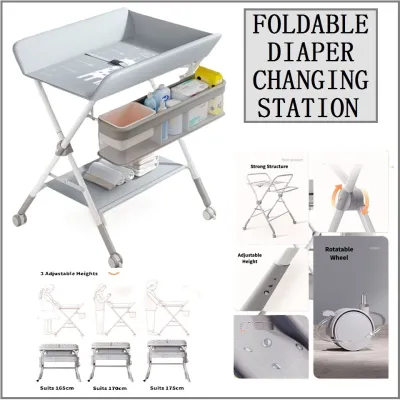
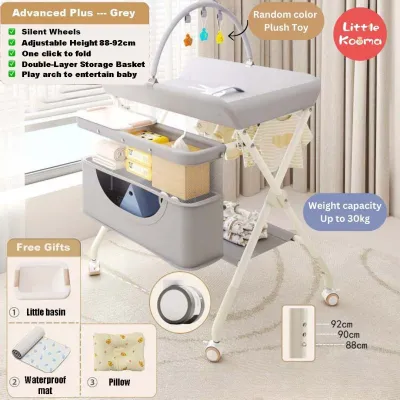
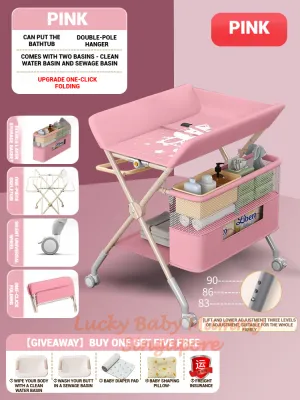
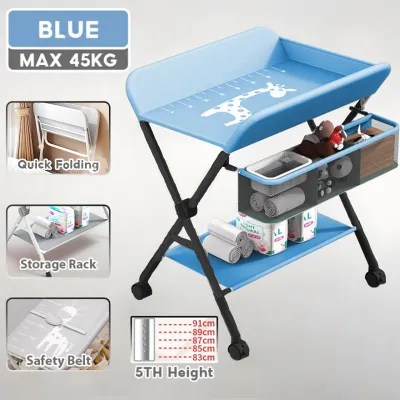
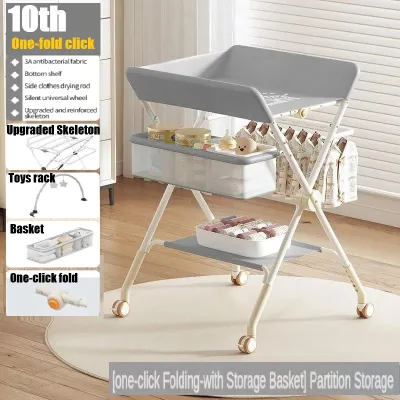
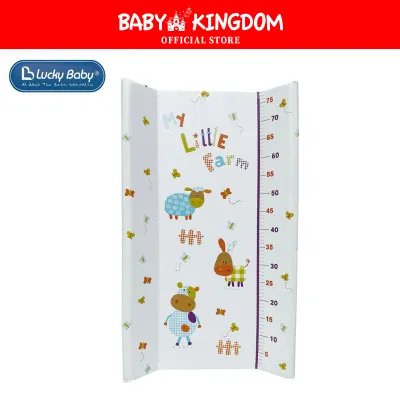
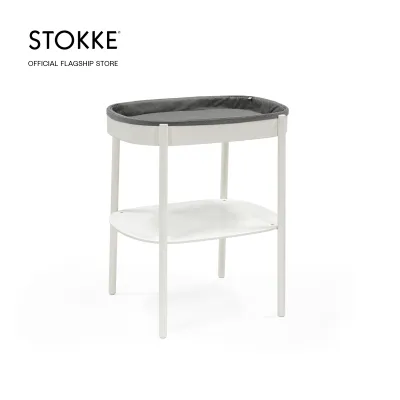
Prices are valid at publication and may change. Please refer to the product page for the latest price.
Material transparency is another hallmark of a trustworthy brand. Reliable manufacturers are explicit about the materials used in their furniture, whether it is solid hardwood, high-density fiberboard, or non-toxic plastics. In Singapore’s warm and humid climate, the quality of the wood and the protective finishes is particularly important. Look for brands that use lead-free, water-based lacquers and non-toxic adhesives that resist moisture damage without off-gassing harmful volatile organic compounds (VOCs) into your nursery.
A brand’s commitment to safety is also reflected in how clearly they communicate weight limits and age recommendations. A reputable manufacturer will never leave you guessing about the physical limits of their furniture; they will print explicit weight capacities directly on the product label or within the instruction manual. These limits are calculated based on rigorous stress testing, ensuring the table remains stable and secure as your baby grows from a newborn into an active toddler.
Finally, evaluate the brand’s local presence and after-sales support in Singapore. Established brands typically partner with authorized local distributors or maintain dedicated customer service channels. This local infrastructure is invaluable if you need to source replacement parts, request assistance with assembly, or claim warranty coverage. A brand that offers a clear, accessible warranty policy demonstrates confidence in their manufacturing quality and provides peace of mind for your investment.
Understanding Brand Categories in the Local Market
The Singapore market offers a diverse array of diaper changing tables, which can generally be divided into two primary categories. Understanding the differences between mass-market furniture brands and specialized nursery brands will help you align your expectations regarding budget, design flexibility, and specialized features.

Mass-Market Furniture and Home Brands
Mass-market furniture and home brands are highly popular among Singaporean parents due to their accessibility and modern, minimalist designs. These brands typically offer nursery lines that coordinate beautifully with adult bedroom and living room furniture, allowing you to maintain a cohesive aesthetic throughout your home. Because these companies operate on a large scale, their products are widely available in local physical showrooms and online stores, often at highly competitive price points that fit comfortably within a modest budget.
However, choosing a mass-market brand often requires extra vigilance regarding specialized nursery features. These tables are sometimes designed as multi-purpose chests of drawers with an optional changing topper, rather than dedicated diapering stations. Consequently, they may lack integrated safety straps, contoured changing pads, or specialized compartments for diapering essentials. When opting for a mass-market brand, you must carefully verify that the changing topper secures firmly to the base and that the safety rails meet standard height requirements to prevent accidental falls.
Specialized Baby and Nursery Brands
Specialized baby and nursery brands focus exclusively on products designed for infants and toddlers, prioritizing ergonomics and child safety above all else. These brands design their changing tables with the physical demands of caregiving in mind, often featuring heights that reduce back strain for parents during frequent daily changes. They also tend to integrate highly functional storage solutions, such as open shelving, side caddies, and towel rails, keeping all necessary supplies within arm’s reach so you never have to leave your baby unattended.
The primary trade-off with specialized nursery brands is their premium price point, which reflects the cost of specialized engineering and strict safety testing. Additionally, these products often feature a highly specific, child-friendly aesthetic that may be more challenging to integrate into your home decor once your child outgrows the nursery. While some of these brands offer convertible designs, others are single-purpose units that you will need to retire or repurpose creatively once the diapering years are over.
Essential Safety and Structural Checks Before Purchasing
Regardless of a brand’s reputation, you should always perform a physical or technical inspection of any diaper changing table before bringing it into your home. Start by examining the safety rails or barriers. A safe changing table must feature protective barriers on all four sides, or at least on the long sides if it is designed to be pushed against a wall. These rails should rise significantly above the surface of the changing pad to prevent a rolling baby from slipping over the edge. If you are purchasing a separate changing pad, ensure it fits snugly within the barriers without leaving dangerous gaps.
Next, evaluate the structural stability of the unit. Gently shake the display model in the showroom to check for any wobbling or flexing in the joints. A high-quality changing table should feel solid and grounded. If the model is equipped with wheels or casters for mobility, verify that at least two of the wheels feature robust, independent locking mechanisms. These locks must hold the table firmly in place on your flooring, preventing any sliding or shifting while you are actively changing your baby.
The quality of the hardware and assembly joints is another critical safety indicator. Inspect the table for any exposed screws, sharp metal edges, or rough wooden surfaces that could scratch your baby’s delicate skin. Ensure that all moving parts, such as drawers or folding mechanisms, operate smoothly without creating potential pinch points for curious little fingers. If the table features a folding design, check that it includes a reliable secondary lock to prevent accidental collapse during use.
Finally, verify the chemical safety of the materials and finishes. Because babies frequently explore their environment with their mouths, the paint, varnish, or laminate used on the changing table must be certified non-toxic and lead-free. Look for certifications such as Greenguard Gold or equivalent European safety marks, which indicate that the product has been tested for low chemical emissions. If this information is not readily available on the product packaging, do not hesitate to ask the retailer or manufacturer for verification.
Matching Brand Features to Your Caregiving Routine
To find the ideal changing table, you must consider how its specific design features will fit into your daily caregiving routine and the physical layout of your home. Storage configuration is one of the most important practical decisions you will make. Open shelving units provide immediate, one-handed access to diapers, wipes, and changes of clothing, which is incredibly convenient when you need to keep one hand securely on your baby. However, open shelves can look cluttered and will eventually become accessible to crawling babies who love to pull items down. Closed drawers offer a neater, more organized appearance and can be easily fitted with childproof latches, though they require an extra step to open during a change.
The physical footprint and mobility of the changing table are also crucial considerations, especially in Singapore where residential space is often at a premium. If you live in a compact HDB flat or condominium, a bulky, heavy wooden dresser might overwhelm the room. In such cases, a lightweight, compact changing table with a smaller footprint or a model that can be folded and stored away when not in use may be a much better fit. Alternatively, a mobile changing table with lockable casters allows you to easily wheel the diapering station between the nursery, your bedroom, and the living room as needed throughout the day.
Long-term utility is another factor that can help justify the cost of a premium changing table. Many forward-thinking brands design their furniture to grow with your family. Look for changing tables with removable toppers that can be easily detached once your child is toilet trained. This simple conversion transforms the unit into a standard chest of drawers, a toy storage shelf, or even a small study desk. Investing in a convertible model ensures that the furniture remains a useful and stylish part of your home long after the diapering phase has passed.
Where to Shop and How to Verify Authenticity
When purchasing a diaper changing table in Singapore, prioritizing authorized retail channels is essential for ensuring product safety and authenticity. Buying directly from official brand showrooms, reputable department stores, or authorized local baby boutiques guarantees that you are receiving a genuine product that meets all safety standards. Avoid purchasing from unverified third-party sellers on online marketplaces, as these listings may feature counterfeit goods, older models that have been recalled, or products that lack essential assembly hardware and safety instructions.
To verify the authenticity of your purchase, inspect the packaging and the product itself upon delivery. Genuine changing tables will feature clear branding, manufacturer labels, batch numbers, and comprehensive instruction manuals. They should also include a valid warranty card from the local distributor. If you notice any discrepancies, such as missing hardware, poorly printed instructions, or a lack of official safety labeling, contact the retailer immediately to resolve the issue before attempting to assemble or use the table.
Finally, consider the practical aspects of delivery and assembly. Bulky nursery furniture can be challenging to transport and assemble correctly, and improper assembly is a common cause of structural failure. Many reputable retailers in Singapore offer professional delivery and assembly services, often included with the purchase or available for a small fee. Utilizing these services ensures that the changing table is put together exactly as the manufacturer intended, with all safety brackets, screws, and wall anchors securely installed, providing a safe environment for your baby from day one.
Frequently Asked Questions (FAQ)
Do I really need a dedicated changing table, or can I use a regular dresser?
While a dedicated changing table is highly convenient, you can use a regular dresser provided you take specific safety precautions. If you choose to use a standard dresser, you must purchase a contoured changing pad and securely anchor it to the top of the dresser using the manufacturer’s provided straps or brackets to prevent it from sliding. Additionally, ensure the dresser is at an ergonomic height to prevent back strain, and always install wall-anchors to prevent the entire unit from tipping over when drawers are pulled open. Dedicated changing tables, however, offer the advantage of built-in safety rails and specialized storage designed specifically for quick, one-handed access to diapering essentials.
How do I know if a brand's changing table is safe for a heavier, active toddler?
To ensure a changing table is safe for an older, heavier toddler, you must locate the manufacturer’s explicit maximum weight capacity, which is typically found on a safety label affixed to the frame or in the user manual. As babies grow and become more active, they exert greater dynamic force on the furniture, making structural stability critical. If your child is approaching the maximum weight limit, or if they have become highly mobile and capable of rolling or climbing out of the safety rails, it is time to transition away from the changing table. In such cases, switching to changing your child on a clean mat on the floor is the safest option to prevent accidental falls.

Community discussion
Share your experience or ask a question. Comments are reviewed before publication.