
Baby-proofing a home is a major milestone for parents in Singapore, especially when little ones start transitioning from crawling to pulling themselves up on furniture. Sharp corners on TV consoles, low coffee tables, and built-in carpentry present immediate hazards to an active infant. Finding a trusted baby edge protector brand requires looking beyond flashy marketing and focusing on material safety, adhesive durability, and physical design.
While local online marketplaces offer hundreds of options, not all edge guards are created equal. A reliable brand must withstand both the curious hands of a toddler and the humid tropical climate of Singapore, which can severely compromise low-quality adhesives. By understanding what to look for in terms of material certifications, density, and surface compatibility, you can secure your living space effectively and gain peace of mind.
Quick Guide to Selecting Safe Edge Protectors
When you begin baby-proofing, the sheer volume of safety products can feel overwhelming. To simplify your decision, prioritize three core pillars: impact absorption, non-toxic material composition, and secure adhesion. A high-quality edge protector acts as a cushion, absorbing the force of sudden bumps and falls to prevent serious bruising or cuts.
Products mentioned in this guide
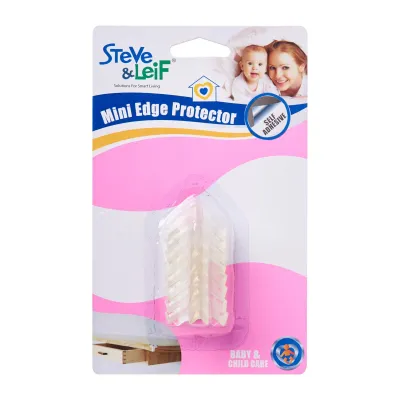
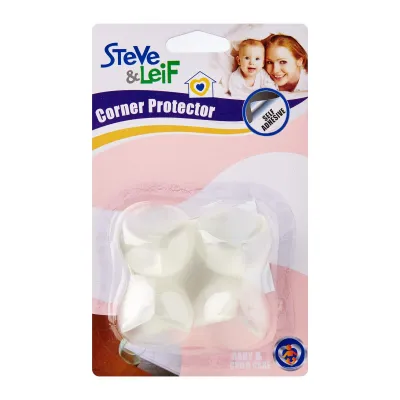
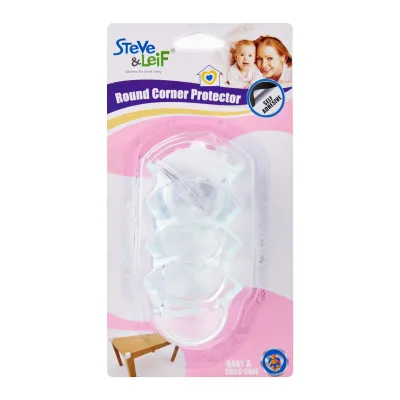
Prices are valid at publication and may change. Please refer to the product page for the latest price.
It is equally important to match the protector type to your specific furniture layout. For instance, a heavy wooden dining table requires a different cushioning profile than a minimalist glass coffee table or a low-profile TV console. Rather than relying on generic product titles or broad marketing claims, always verify the manufacturer’s detailed specifications regarding thickness, material testing, and adhesive type before making a purchase.
What Makes an Edge Protector Brand Trustworthy?
To separate reliable manufacturers from low-quality alternatives, parents should establish a strict evaluation checklist. The first and most critical factor is material safety. Because babies frequently explore their environment with their mouths, any edge guard within their reach must be free from harmful chemicals. Look for brands that explicitly state their products are BPA-free, phthalate-free, and non-toxic. You should verify whether the manufacturer provides accessible documentation or clear packaging labels indicating compliance with international toy safety standards, rather than taking vague “eco-friendly” claims at face value.

Impact absorption is the next key metric, which depends heavily on foam density or silicone thickness. High-quality brands design their protectors with dense, closed-cell structures or internal shock-dispersing air pockets. When pressed, a trustworthy protector should offer firm resistance rather than collapsing completely under light pressure. If the material is too soft or thin, it will bottom out during an impact, offering very little protection against the hard furniture corner underneath.
Adhesive quality is another defining characteristic of a reputable brand. In Singapore’s humid climate, standard double-sided tapes often degrade quickly, leading to peeling edges that babies can easily pull off. Trusted brands typically partner with established adhesive manufacturers or supply heavy-duty, temperature-resistant tapes that form a strong initial bond with wood, glass, metal, and laminate. At the same time, the adhesive should be formulated for clean removal, allowing parents to detach the guards eventually without stripping away expensive wood finishes or paint.
Finally, evaluate the material’s durability and bite-resistance. Teething infants often chew on edge guards applied to low tables or bed frames. A trustworthy brand uses high-tensile materials that resist tearing under moderate biting or pulling. If a protector tears easily, it quickly transforms from a safety device into a severe choking hazard. Always inspect the physical integrity of the material and check if the brand has a history of structural durability under daily wear.
Matching Protector Materials to Your Furniture
Different furniture pieces in your home demand specific materials to balance safety, durability, and aesthetics. High-density foam, often made from Nitrile Butadiene Rubber (NBR), is a highly effective choice for sharp, hard corners on heavy wooden tables, TV consoles, and bed frames. This material offers exceptional cushioning and is highly flexible, making it easy to wrap around long edges. When selecting foam, look for high-density variants that feel firm to the touch, and verify that the surface has a smooth, wipe-clean outer layer to prevent dust and spills from soaking into the material.
For modern homes featuring glass coffee tables, metal frames, or sleek minimalist designs, clear silicone or PVC protectors are often preferred. These materials preserve the visual appeal of your furniture while providing robust protection. Clear silicone is naturally firmer than foam, so ensure the guards you choose have sufficient thickness or internal hollow chambers to cushion impacts effectively. Additionally, high-quality silicone brands resist yellowing over time when exposed to ambient light and humidity, maintaining a clean appearance throughout their lifespan.
Rubber and flexible polymer blends are well-suited for curved edges, round dining tables, or irregular surfaces that require a custom fit. These materials can bend smoothly around contours without creasing or lifting at the ends. When dealing with complex shapes, look for brands that offer flexible, multi-purpose rolls that you can cut to size, allowing you to customize the coverage to match your home’s unique carpentry.
You will also need to choose between pre-taped protectors and those with separate adhesive rolls. Pre-taped options offer convenience, saving time during installation. However, buying protectors with separate, high-quality adhesive tape allows you to customize the bonding strength. If you live in a particularly humid area or have stubborn furniture surfaces, using a separate, premium double-sided tape can provide a more secure, long-lasting hold than the standard tape pre-applied to cheaper guards.
How to Verify Brand Claims and Parent Reviews
Navigating online marketplaces requires a critical eye to filter out misleading reviews and identify genuinely reliable brands. Start by analyzing review patterns rather than just looking at the overall star rating. Focus on verified purchase reviews that include detailed photos or videos of the product installed in real homes. These visual reviews often reveal how the protector holds up over several months, showing whether the edges are peeling, the color is fading, or the material is crumbling under daily use.
Cross-reference the brand’s official specifications with actual user feedback to check for consistency. If a brand claims its foam is ultra-dense and tear-resistant, but multiple reviews mention that toddlers easily bit off chunks within days, this is a clear sign to look elsewhere. Pay close attention to reviews written by parents with active, teething children, as their experiences provide the most realistic assessment of a product’s durability.
It is also wise to check the return and exchange policies of the online retailer or physical store. A brand or seller that stands behind its product quality will typically offer a straightforward return process if the adhesive fails to bond out of the box or if the physical dimensions do not match your furniture. This protection is especially valuable when buying bulk baby-proofing kits, where a manufacturing defect could affect multiple pieces.
Be alert to common red flags when browsing product listings. Generic, repetitive reviews that lack specific details about the product’s performance often indicate artificial feedback. Missing manufacturer contact details, vague material descriptions, or the complete absence of safety testing declarations are additional warning signs. A reputable brand will always be transparent about its manufacturing origins, material composition, and safety testing standards.
Safe Installation and Ongoing Maintenance
Even a high-quality edge protector will fail if it is not installed correctly or maintained over time. Proper surface preparation is the foundation of a secure bond. Before applying any adhesive, clean the furniture edge thoroughly with rubbing alcohol or a mild soap solution to remove dust, grease, fingerprints, and polish residue. Allow the surface to dry completely, as any trapped moisture—especially common in Singapore’s humid air—will prevent the adhesive from bonding properly.
When you are ready to apply the protector, align it carefully along the edge before removing the adhesive backing. Once positioned, press down firmly and evenly along the entire length of the guard for at least thirty seconds. Avoid stretching the material during application, as flexible foam or silicone will naturally try to shrink back to its original shape, causing the ends to peel away over time. For optimal results, allow the adhesive to cure undisturbed for 24 hours before letting your baby near the furniture.
Routine inspections are a vital part of ongoing home safety. Make it a habit to check all installed edge guards weekly for signs of wear, peeling corners, or loose sections. If you notice bite marks, tears, or pieces starting to crumble, stop using that section immediately and replace it. Damaged protectors no longer provide adequate impact absorption and can easily become choking hazards if a child manages to pull off a loose piece.
When the time comes to remove the protectors, do so carefully to avoid damaging your furniture’s finish. Use a hairdryer on a low, warm setting to gently heat the adhesive, which softens the bond and makes it easier to peel away. Slowly pull the guard off at a shallow angle. If any sticky residue remains on wooden or painted surfaces, apply a small amount of baby oil or a dedicated, furniture-safe adhesive remover, then wipe it clean with a soft microfiber cloth.
Frequently Asked Questions (FAQ)
When should I start using edge protectors for my baby?
It is best to start baby-proofing your home before your child becomes fully mobile. Typically, this means installing edge protectors when your baby begins to crawl, pull themselves up on furniture, or cruise along edges, which usually occurs between six and ten months of age. Setting up these safeguards early prevents unexpected accidents during the initial, unstable stages of physical development.
Can I use edge protectors on painted or veneer furniture?
Yes, but you must exercise caution as strong adhesives can peel paint or lift delicate wood veneers during removal. Before applying the adhesive to a highly visible area, perform a spot test on a hidden section of the furniture to see how the surface reacts. Always follow the manufacturer’s guidelines regarding surface compatibility, and use gentle heat from a hairdryer to soften the adhesive when removing the guards to minimize the risk of damage.
What should I do if my baby keeps chewing on the edge protector?
If your baby is teething and constantly chews on the edge guards, inspect the material immediately for any signs of damage, tears, or loose pieces. If you find any wear, replace the damaged section right away to eliminate choking hazards. To address the underlying behavior, redirect your baby’s attention to safe, approved teething toys designed specifically for chewing, and ensure they are supervised closely when playing near baby-proofed furniture.

Community discussion
Share your experience or ask a question. Comments are reviewed before publication.