
Selecting the right zinc oxide diaper rash cream in Singapore requires balancing your baby’s immediate skin needs with the unique challenges of a tropical climate. Zinc oxide is widely recognized as a highly effective physical barrier that shields delicate skin from moisture, friction, and irritants. However, because products vary significantly in concentration, texture, and additional ingredients, finding the ideal option involves understanding how these factors interact with your baby’s skin and your daily diapering routine.
In Singapore’s hot and humid weather, trapped moisture and sweat can quickly worsen diaper irritation. A well-chosen barrier cream not only treats existing redness but also prevents future flare-ups by keeping wetness away from the skin. By learning how to evaluate active concentrations, identify soothing versus irritating ingredients, and select the appropriate texture, you can confidently choose a product that keeps your baby comfortable and rash-free.
Understanding Zinc Oxide Concentrations for Different Rash Severities
When browsing the baby care aisle, the first detail to examine on a product label is the percentage of zinc oxide. This concentration determines how thick the physical barrier will be and how effectively it can block moisture. Matching the concentration to the current state of your baby’s skin ensures you are providing the right level of protection without unnecessarily overloading their skin.
Products mentioned in this guide
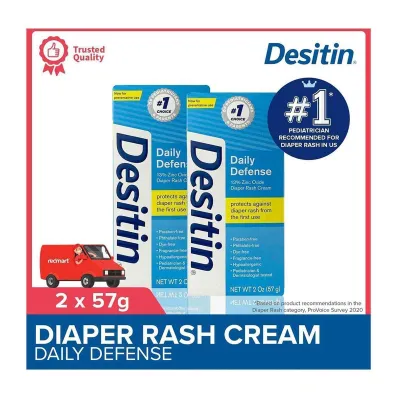
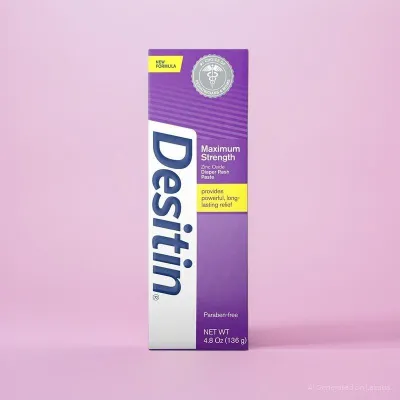
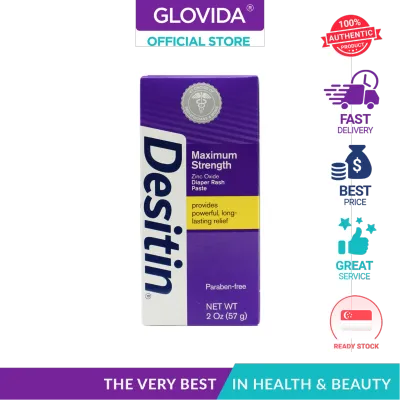
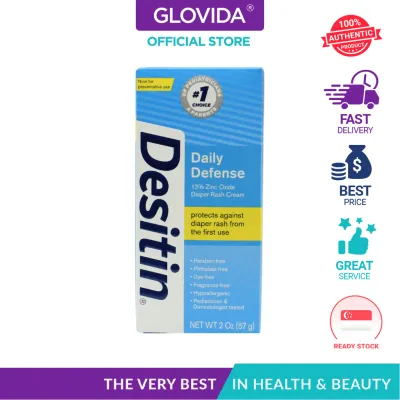
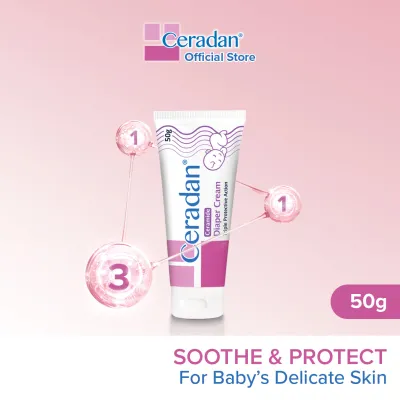
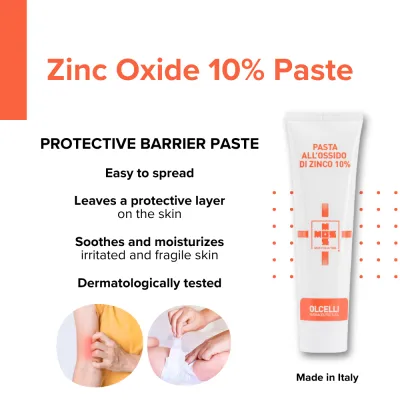
Prices are valid at publication and may change. Please refer to the product page for the latest price.
For daily prevention and mild redness, look for creams with lower zinc oxide concentrations, typically between 10% and 15%. These formulations provide a lightweight, breathable barrier that is easy to apply and wipe away during routine diaper changes. They are ideal for maintaining healthy skin and protecting against minor irritation caused by occasional wetness, especially during warm days when a heavy, occlusive layer might trap heat.
When a moderate to severe diaper rash develops, a higher concentration of zinc oxide is necessary to facilitate healing. Formulations containing 20% to 40% zinc oxide create a dense, impenetrable shield that blocks out acidic stools and prolonged moisture. This maximum-strength protection is particularly beneficial before bedtime or long car rides, when diaper changes may be less frequent.
To verify the concentration, always check the active ingredients panel on the back of the packaging. If a product does not clearly state its zinc oxide percentage, it may be formulated as a general soothing lotion rather than a dedicated barrier cream. Ensuring the active percentage aligns with your baby’s current skin condition is the first step toward effective rash management.
Key Ingredients to Look For and Avoid
While zinc oxide is the primary active ingredient, the inactive ingredients in a diaper cream play a crucial role in how the product feels, spreads, and supports skin recovery. Evaluating these supporting components helps you choose a formula that actively soothes irritation while minimizing the risk of allergic reactions.

Beneficial base ingredients work in tandem with zinc oxide to nourish and protect compromised skin. Petrolatum and dimethicone are excellent emollients that help lock in natural moisture while preventing external wetness from penetrating the skin barrier. Natural botanicals such as calendula, chamomile, and aloe vera are also valuable additions, as they help calm localized redness and reduce inflammation. Lanolin is another common ingredient known for its deep moisturizing properties, though parents of babies with extremely sensitive skin should monitor for any signs of localized sensitivity to it.
Conversely, several common ingredients should be avoided to prevent aggravating already irritated skin. Added fragrances, whether synthetic perfumes or natural essential oils like tea tree and eucalyptus, are leading causes of contact dermatitis and can cause a painful stinging sensation on broken skin. Parabens, phthalates, and harsh preservatives should also be avoided to minimize the chemical load on your baby’s developing skin barrier.
To ensure a product is safe for sensitive skin, look for labels that feature terms like “hypoallergenic,” “fragrance-free,” and “pediatrician-tested.” However, because marketing terms are not always standardized, always read the full ingredient list on the back of the tube. Confirming the absence of added perfumes and unnecessary chemical additives is the most reliable way to protect your baby’s skin.
Comparing Textures: Creams, Ointments, and Pastes
The consistency of a diaper rash product affects how easily it spreads, how long it stays on the skin, and how simple it is to clean off during diaper changes. Understanding the trade-offs between creams, ointments, and pastes allows you to select a texture that fits your lifestyle and diapering preferences.
Lightweight creams have a higher water content, which makes them smooth, easy to spread, and quick to absorb. They are highly convenient for quick daytime diaper changes and mild redness, as they do not leave a heavy residue. However, because they are less viscous, they can wash away quickly if the diaper becomes heavily soiled, requiring more frequent reapplication.
Ointments are typically greasy, translucent formulas with a petrolatum base. They excel at locking in moisture and creating a slick, protective barrier over dry or chafed skin. While they are highly effective at preventing friction, they may not contain as high a concentration of zinc oxide as thick pastes, making them better suited for prevention rather than treating severe, weeping rashes.
Thick pastes have a high powder-to-liquid ratio, resulting in a dense, chalky consistency that stays firmly in place. Pastes provide the most durable barrier against moisture and will not easily rub off onto the diaper. The trade-off is that they require more effort to apply evenly and can be challenging to wash off, which may cause minor discomfort to an already sore baby if wiped too vigorously.
When choosing a texture, consider how it interacts with your baby’s comfort and the local climate. In Singapore’s humid weather, ensuring the skin is completely dry before applying a thick paste is essential, as applying a heavy barrier over damp skin can trap moisture underneath and worsen the irritation.
Where to Buy Authentic Diaper Rash Creams in Singapore
Ensuring the authenticity of your baby’s skincare products is vital for preventing adverse reactions caused by counterfeit, expired, or improperly stored items. Purchasing through authorized and reputable channels guarantees that the diaper cream you use is safe and effective.
For immediate needs and professional guidance, physical retail stores remain the most reliable option. Major pharmacy chains in Singapore, such as Watsons and Guardian, stock a wide range of reputable diaper care brands. Specialty mother-and-baby boutiques also offer curated selections of organic or premium skincare products. Buying from these physical locations ensures that the products have been transported through official distribution networks and stored in temperature-controlled environments.
If you prefer the convenience of online shopping, navigate e-commerce platforms carefully. Prioritize official brand flagship stores or authorized digital malls rather than unverified third-party sellers on open online marketplaces. Authorized sellers are much more likely to maintain proper inventory controls, ensuring you receive genuine products that have not been exposed to excessive heat during storage.
Regardless of where you purchase, always perform a thorough quality check upon delivery. Inspect the packaging to ensure the safety seal is intact and shows no signs of tampering. Locate the expiration date, which is typically stamped on the crimp of the tube or the bottom of the tub. If the cream has separated into a watery liquid and a thick paste, or if it emits an unusual odor, do not use it and contact the retailer for a replacement.
Safe Application and When to See a Doctor
Applying zinc oxide cream correctly is just as important as choosing the right product. Following a proper application routine ensures the barrier functions as intended while keeping your baby comfortable during diaper changes.
Begin by gently cleaning the diaper area using alcohol-free, fragrance-free wipes or warm water and a soft cloth. Once clean, pat the skin dry with a clean towel or allow it to air-dry completely. Applying diaper cream to damp skin can trap moisture against the skin barrier, which can exacerbate the rash. Once the skin is dry, apply a generous, thick layer of the zinc oxide cream—similar to frosting a cake—over the entire affected area, ensuring you do not rub it in vigorously, as friction can cause further irritation.
In addition to using barrier creams, practicing good diaper hygiene is essential for rapid healing. Change your baby’s diaper frequently to minimize the time skin is in contact with wetness and waste. Avoid fastening the diaper too tightly, as this restricts airflow and increases friction, both of which contribute to diaper rash development.
While most cases of diaper rash resolve with consistent home care, some situations require professional medical attention. Stop using the cream and consult a pediatrician if you notice signs of a secondary infection, such as bright red skin with red spots spreading beyond the diaper area, pus, oozing, blisters, or if your baby develops a fever. Additionally, if the rash does not show signs of improvement after three to four days of consistent treatment, seek professional medical advice to rule out other underlying skin conditions.
Frequently Asked Questions (FAQ)
Can I use zinc oxide cream on my baby's face or other body parts?
Yes, zinc oxide is generally safe for treating minor skin irritations on other parts of the body, such as drool rash on the chin or chafing in neck folds. However, you must avoid applying it near the eyes, nose, or mouth to prevent accidental ingestion or inhalation. Always check the specific product label to ensure it is approved for general body use, and choose a fragrance-free formula to minimize the risk of facial skin irritation.
How do I remove stubborn zinc oxide paste from my baby's skin?
Thick zinc oxide pastes are designed to resist moisture, which makes them difficult to wash off with water alone. To remove stubborn residue gently, apply a small amount of baby oil or petroleum jelly to a soft cotton pad or wipe, then gently wipe the area. This helps dissolve the paste without requiring harsh scrubbing that could damage the baby’s skin barrier. Remember that you do not need to scrub off every trace of clean leftover paste during a wet-only diaper change; simply apply a fresh layer over the clean residue.
Is it safe to use zinc oxide cream with cloth diapers?
Standard zinc oxide creams can leave a greasy residue on cloth diapers, which builds up over time and causes the fabric to repel liquid instead of absorbing it. If you use cloth diapers, always use a disposable liner or a fleece liner to protect the fabric from the cream. Alternatively, look for cloth-diaper-safe creams that do not contain petroleum or mineral oil, and always follow the diaper manufacturer’s specific washing guidelines to maintain absorbency.

Community discussion
Share your experience or ask a question. Comments are reviewed before publication.