
Selecting a waterproof baby mat that fits your changing table perfectly is essential for maintaining a clean, safe, and comfortable nursery. In Singapore, where space-saving furniture is common in many apartments, changing tables come in a variety of compact and standard sizes. A mat that is too large can overhang and slide off, creating a serious safety hazard, while a mat that is too small leaves gaps where moisture, dust, and spilled liquids can accumulate. By understanding how to measure your changing table, evaluating key material features, and knowing what safety standards to verify, you can select a durable mat that keeps your diaper-changing station hygienic and secure.
Because diaper changes happen multiple times a day, the changing mat is one of the most heavily used items in your nursery. A high-quality waterproof baby mat protects your furniture from stains and moisture damage while providing a cushioned, stable surface for your infant. Finding the right fit requires looking beyond aesthetics to focus on precise dimensions, secure attachment mechanisms, and easy-to-clean materials that can withstand daily sanitizing.
Understanding Standard Changing Table Dimensions
Changing tables are available in several standard configurations, but their exact dimensions can vary significantly depending on the manufacturer and country of origin. European-style changing tables, which are highly popular in local nurseries, typically feature a compact footprint with internal dimensions of approximately 50 centimetres by 70 centimetres. American-style changing tables or dresser-top changers are often longer and narrower, frequently requiring a mat that measures around 40 centimetres by 80 centimetres. Before purchasing a waterproof baby mat, you must identify which style of table you own and obtain its exact interior measurements.
Products mentioned in this guide
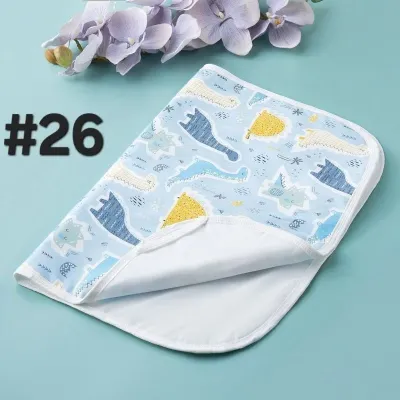
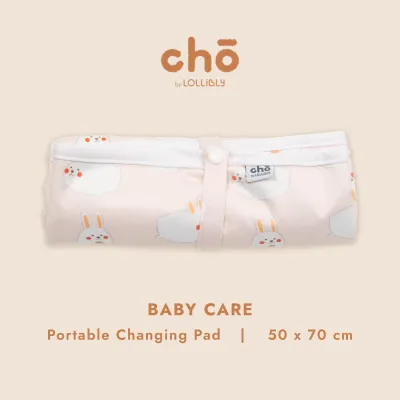
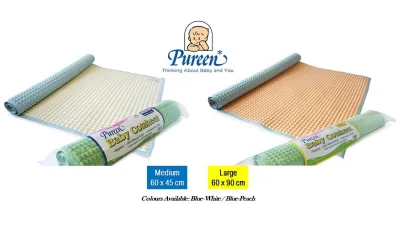

Prices are valid at publication and may change. Please refer to the product page for the latest price.
To get an accurate measurement, always measure the usable flat surface on the inside of the changing table’s safety rails, rather than the outer edges of the furniture frame. Many wooden changing tables feature raised wooden borders or decorative trim that reduces the actual space available for the mat. Use a metal measuring tape to record the precise length and width of this inner recessed area. If your changing table has a curved or arched headboard, measure the shortest usable length to ensure the mat will lie completely flat without bunching up against the frame.
Choosing a mat that does not align with these measurements introduces distinct practical problems. An oversized mat will ride up against the safety rails, creating an uneven, tilted surface that makes diaper changes unstable and increases the risk of your baby rolling. Conversely, an undersized mat leaves wide gaps along the sides. In Singapore’s warm and humid climate, these gaps easily trap spilled baby oil, water, and bodily fluids, creating a breeding ground for mold, mildew, and bacteria within the wooden joints of your changing table. A snug, flush fit is the best defense against both physical instability and hidden hygiene issues.
Key Features to Look for in a Waterproof Baby Mat
When evaluating different waterproof baby mats, the surface material is the most critical factor governing daily maintenance. Fully wipeable surfaces, typically made from polyurethane (PU) or water-resistant coatings, allow you to clean up messes instantly with a simple swipe of a damp cloth or baby wipe. These mats do not require a separate cover, making them highly convenient for busy parents. On the other hand, some mats utilize removable, machine-washable fabric covers over a waterproof inner lining. While fabric covers feel warmer against a baby’s skin, they require frequent washing and drying, which can be slow during the humid monsoon seasons unless you rely heavily on a clothes dryer.

Another major design variation is the profile of the mat, specifically contoured versus flat designs. Contoured changing mats feature raised sides—often referred to as two-sided or three-sided contours—that gently cradle your baby and help prevent them from rolling side to side. If you choose a contoured mat, you must ensure that the height of the mat’s raised edges does not exceed the height of your changing table’s wooden safety rails. If the mat is too thick, it can elevate your baby above the protective barrier of the table, inadvertently reducing the safety benefits of the wooden rails.
To prevent the mat from sliding while you are managing a squirming infant, look for robust security features on the underside of the mat. Many high-quality waterproof baby mats feature a non-slip base made of textured rubber or silicone grip dots that cling to the wooden surface of the table. Additionally, some models include integrated safety straps with buckles that secure the mat directly to the frame of the changing table. If your table does not have pre-drilled holes or anchor points for these straps, look for mats that rely on heavy-duty, high-friction non-slip backings to keep the changing surface firmly in place.
Material and Safety Considerations
Because your baby’s delicate skin will come into direct contact with the changing mat daily, verifying the safety and composition of the materials is paramount. Look for manufacturer specifications that explicitly state the mat is free from phthalates, bisphenol A (BPA), lead, and formaldehyde. Since waterproof coatings can sometimes be formulated with harsh chemicals, look for reputable third-party certifications such as OEKO-TEX Standard 100 or CertiPUR-US on the product label. These certifications indicate that the foam and outer cover have been independently tested for harmful emissions and substances.
Foam density and padding thickness also play a vital role in both safety and comfort. A mat that is too soft or plush might feel comfortable initially, but it can allow your baby’s body to sink too deeply, reducing their lateral stability and making it easier for them to roll over. Ideally, the core of the mat should consist of high-density, supportive foam that cushions the baby’s head and spine against the hard wooden surface of the table without compressing completely under their weight. A thickness of 3 to 5 centimetres is generally sufficient to provide excellent support while keeping the baby safely below the top of the table’s guardrails.
Over time, constant wiping, sanitizing, and exposure to moisture will cause even the most durable waterproof surfaces to degrade. Inspect your changing mat regularly for early signs of wear, such as fine cracks in the waterproof coating, peeling seams, or deep, persistent stains that do not lift with cleaning. Once the outer waterproof barrier is compromised, moisture can seep into the inner foam core, where it cannot be easily dried or sanitized. If you notice any tears, exposed foam, or a musty odor emanating from the mat, it is time to replace it immediately to maintain a hygienic sleeping and changing environment for your infant.
How to Measure and Verify Fit Before Buying
To avoid the hassle of returns and exchanges, establish a systematic verification process before finalizing your purchase. Start by writing down the exact interior dimensions of your changing table’s tray. When browsing online marketplaces or visiting local baby boutiques, compare your recorded measurements against the manufacturer’s listed product dimensions. Keep in mind that fabric and foam products can have a manufacturing tolerance of up to 1 centimetre. If your changing table tray measures exactly 50 by 70 centimetres, a mat listed at 49 by 69 centimetres will fit perfectly, whereas a mat listed at 51 by 71 centimetres will be too tight and will buckle.
Next, examine the physical architecture of your changing table to identify any potential obstructions. Some modern changing tables feature built-in side compartments, recessed storage trays, or integrated wet wipe dispensers along the edges of the changing surface. These features can block a standard rectangular mat from sitting completely flush against the bottom of the tray. If your table has these built-in elements, you will need to measure the remaining flat, unobstructed area and select a shorter or narrower mat that fits strictly within those boundaries without overlapping the storage compartments.
Finally, always review the retailer’s return and exchange policies regarding nursery gear. Because changing mats are personal hygiene items, many physical stores and online platforms have strict return policies once the original plastic packaging has been opened. If you are uncertain about the fit, keep the mat inside its protective plastic wrap when you first place it onto your changing table to test the dimensions. This allows you to verify the length, width, and height compatibility while keeping the product in a pristine, returnable condition if you need to swap it for a different size.
Where to Buy and What to Check Upon Delivery
When sourcing a waterproof baby mat in Singapore, you have several reliable retail channels to choose from. Physical baby specialty stores located in major shopping malls allow you to feel the material texture, test the foam density, and inspect the overall build quality in person. If you prefer shopping online, official brand stores and reputable e-commerce platforms offer a wide selection of international and local brands. When buying online, prioritize listings that provide detailed dimensional diagrams and clear customer reviews detailing how the mat fits on common changing table models.
Once your chosen mat is delivered to your home, perform a thorough physical inspection before removing any protective tags or using it with your baby. Unbox the mat in a well-ventilated room and check for any strong, lingering chemical odors, which can sometimes occur with freshly manufactured synthetic foams or plastics. While a mild “new product” smell is common and usually dissipates within a few hours of airing out, an intense, pungent chemical smell that persists for days may indicate low-quality materials or excessive chemical treatments.
Carefully examine the entire surface of the mat, paying close attention to the seams, corners, and edges. The waterproof integrity of the mat relies entirely on these seams remaining intact; check for any loose threads, skipped stitches, or gaps in the heat-sealed edges where moisture could penetrate. If the mat includes safety straps, buckles, or mounting hardware, verify that all components are present, undamaged, and function smoothly. Taking these few minutes to inspect the product upon delivery ensures that your nursery setup remains safe, hygienic, and ready for daily use.
Frequently Asked Questions (FAQ)
Can I use a regular waterproof mattress protector instead of a dedicated changing mat?
While a waterproof mattress protector or a simple flat waterproof sheet can protect surfaces from moisture, they are not suitable substitutes for a dedicated changing mat on an elevated changing table. Mattress protectors lack the supportive, high-density foam padding required to cushion your baby’s head and body against the hard wooden or plastic surface of the table. Furthermore, they do not feature contoured safety edges, non-slip backings, or integrated security straps, meaning they can easily slide around during a diaper change, creating a significant fall hazard for an active infant.
How do I clean and disinfect a waterproof changing mat without damaging it?
To preserve the integrity of the waterproof layer, clean the mat daily using mild dish soap and warm water, or gentle alcohol-free baby wipes. Avoid using harsh chemical bleach, highly concentrated alcohol sprays, or abrasive scrubbing pads, as these can strip away the protective polyurethane coating and cause the material to crack or peel prematurely. After cleaning or disinfecting, always wipe the mat dry with a clean cloth or allow it to air dry completely before placing your baby on it, ensuring no moisture remains trapped underneath the mat where mold could develop.

Community discussion
Share your experience or ask a question. Comments are reviewed before publication.