
Finding a straw cleaner that perfectly fits your baby bottle or transition cup is essential for maintaining proper hygiene and protecting delicate silicone parts. Because baby bottle manufacturers design their straws, venting tubes, and neck widths differently, a single cleaning brush cannot fit every system. Using a brush that is too thick can tear fragile valves, while one that is too thin will fail to scrub away milk residue effectively.
To choose the right tool, you must evaluate the physical dimensions of your bottle’s straw and compare them directly to the specifications of the cleaning brush. Checking the inner diameter, overall length, and flexibility of the wire handle allows you to clean thoroughly without causing structural damage. By matching these physical characteristics to your specific bottle brand, you can ensure a safe, hygienic feed for your baby every time.
Understanding Straw Cleaner Compatibility
To find a brush that works seamlessly with your specific baby bottle, you need to look closely at three physical dimensions: the inner diameter of the straw, the width of the bottle neck, and the overall length of the straw itself. Comparing these measurements against the specifications on the brush packaging prevents purchasing tools that are either too loose to clean or too tight to insert.
Products mentioned in this guide
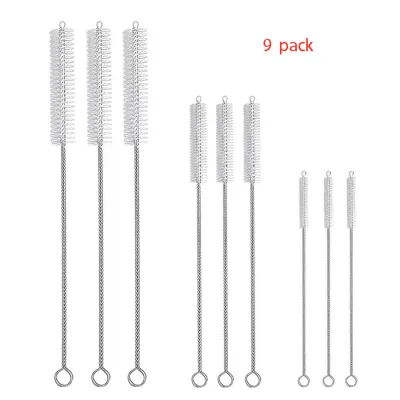
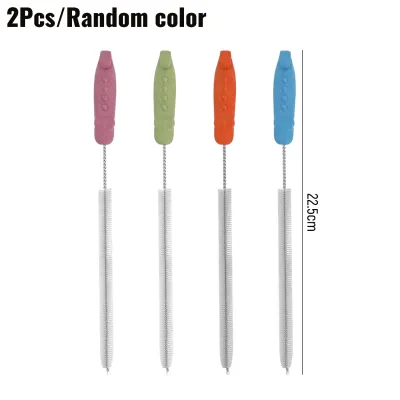
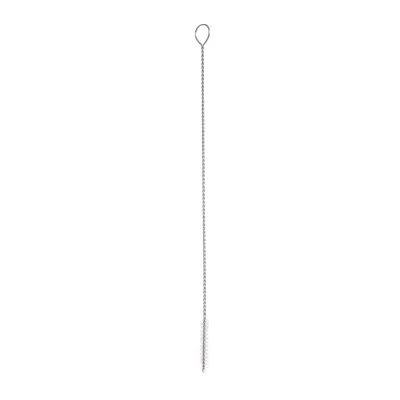

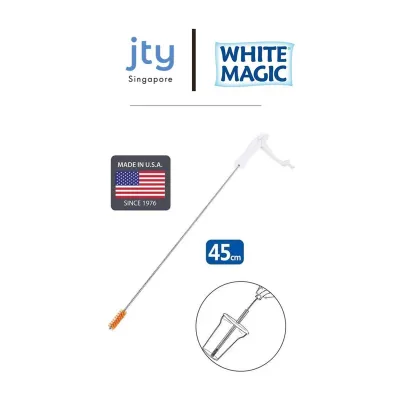

Prices are valid at publication and may change. Please refer to the product page for the latest price.
Measuring the inner diameter of the straw is the first step in ensuring a proper fit. The bristles of the cleaning brush should be slightly wider than the straw’s inner diameter to provide enough friction for scrubbing, but not so wide that they bend completely flat or get stuck. If you feel extreme resistance when inserting the brush, the bristles are too large, which can scratch the plastic or tear silicone linings over time. Conversely, if the brush slides through without touching the sides, it will leave behind a film of milk fat and bacteria.
To measure the inner diameter of a straw without specialized tools, you can refer to the product specifications listed on the manufacturer’s website or in the user manual. If these details are not readily available, you can perform a simple visual check by comparing the straw opening to standard household items of known dimensions, or by using a precise ruler. When measuring, always measure the inner opening from one inside edge to the other, excluding the thickness of the silicone walls. This measurement gives you the exact target width for your brush bristles.
Checking the bottle neck width is equally important, especially when cleaning integrated straw systems or internal venting tubes. Some bottles feature wide necks that allow easy access, while others have narrow openings that restrict the angle at which a brush can enter. If the brush handle is too thick or rigid, you may not be able to maneuver it into the tight angles required to reach the entry point of the straw or vent. A flexible wire handle is often necessary to navigate these structural constraints.
Finally, you must compare the length of the cleaning brush to the actual length of the straw. The brush wire must be long enough to pass completely through the straw, allowing you to clean the entire length in a single motion. If the brush is too short, you will be forced to clean from both ends, which often leaves a dirty, unreached zone in the middle where mold can quickly develop. Avoid using short brushes that require you to stretch or bend the wire, as this weakens the metal and can cause it to snap inside the straw.
Matching Straw Cleaners to Common Bottle Designs
Different baby bottle brands employ distinct structural designs to manage airflow, reduce colic, and assist babies in transitioning to independent drinking. These architectural differences mean that a brush designed for a simple transition cup may not fit the intricate venting system of an anti-colic bottle. Understanding how these designs vary helps you select a brush with the appropriate flexibility and thickness.

Wide-Neck and Standard-Neck Bottles
Wide-neck bottles are highly popular because they mimic natural breastfeeding and are generally easier to fill and clean. However, the straws used in wide-neck transition kits or straw-top lids often have wider diameters than those found in standard-neck bottles. When selecting a brush for a wide-neck system, you can typically use a slightly thicker bristle head, which provides robust scrubbing power against the wider silicone walls.
Wide-neck bottles often feature transition kits that convert a standard nipple bottle into a straw bottle. These kits usually include a weighted straw or a straight silicone straw attached to a specialized lid. Because the neck of the bottle is wide, the transition lid itself often has a larger underside cavity. This extra space means you have more room to insert and maneuver a brush, but it also means there are more crevices where milk can pool. When cleaning these systems, pay close attention to the connection point where the straw meets the lid, as this joint is a common area for residue accumulation.
Standard-neck bottles, on the other hand, feature much narrower openings and slimmer straws. These systems require a highly flexible brush head and a thin, resilient wire handle that can slide through tight spaces without bending out of shape. Because the entry point is narrow, any stiffness in the brush handle can make insertion difficult and increase the risk of puncturing the straw material.
Before purchasing a straw cleaner, always check the manufacturer labels on both the bottle and the brush packaging. Many brands list specific model compatibility or recommend exact brush dimensions for their standard and wide-neck lines. Verifying these details beforehand ensures that the brush head is calibrated to the exact dimensions of your bottle’s opening.
Anti-Colic and Venting Systems
Anti-colic bottles often feature specialized internal venting systems, which include narrow plastic tubes, reservoirs, and delicate silicone valves designed to channel air away from your baby’s milk. These venting tubes are significantly narrower than standard drinking straws and require specialized, ultra-thin cleaning brushes. Using a standard straw brush on an anti-colic vent can easily stretch the plastic or dislodge critical components.
Venting systems are engineered to balance the pressure inside the bottle, preventing a vacuum from forming and reducing the amount of air your baby swallows. Because these vents rely on precise airflow, even a tiny blockage from dried milk or soap residue can disrupt the system’s function. When using an ultra-thin brush to clean these vents, insert the brush gently and avoid twisting it forcefully. Twisting a wire brush inside a narrow plastic tube can score the inner walls, creating rough patches where bacteria can easily cling. Instead, use straight, gentle in-and-out motions to clear any debris.
When cleaning these intricate systems, you must verify that the brush is specifically labeled for use with venting tubes or anti-colic parts. These brushes feature exceptionally fine, soft bristles and highly pliable wires that can navigate the twists and turns of the venting assembly. Standard household brushes or thicker straw cleaners should never be forced into these delicate pathways.
Additionally, take care to avoid damaging the delicate silicone valves often located at the base of the venting tube. These valves control air pressure and can easily tear if subjected to rough scrubbing or stiff bristles. Always consult the bottle manufacturer’s cleaning instructions to identify which parts should be cleaned with a brush and which should only be rinsed or gently massaged by hand.
Transition Cups and Sippy Cup Straws
As babies grow, they transition from standard bottles to sippy cups and straw cups, which present a different set of cleaning challenges. Transition cup straws are often shorter, thicker, and made of durable, bite-resistant silicone. However, they frequently incorporate built-in spill-proof valves or weighted bases that keep the straw submerged in liquid regardless of the cup’s angle.
Many modern transition cups feature weighted straws that allow your baby to drink from any angle, including when lying down. The weight at the bottom of the straw is typically made of steel encased in food-grade plastic or silicone. Because this weight cannot be removed, you cannot push a brush completely through the straw. To clean these effectively, you must insert the brush from the top opening and push it down until it reaches the weight, then pull it back out. You may also need to submerge the straw in warm, soapy water and squeeze the weighted bulb to flush out any trapped liquid before brushing.
These weighted straws often have a metal or heavy plastic anchor at the bottom, meaning you cannot push a cleaning brush all the way through from one end. For these designs, you need a brush that is highly flexible and short enough to clean up to the weight, or a system where the straw can be completely disassembled. Check if the silicone parts are removable, as cleaning a straw while it is still attached to the lid can leave hidden moisture and residue in the joints.
Bite-valves, which require the child to pinch the straw with their mouth to release liquid, are particularly susceptible to damage. Inserting a stiff brush through a bite-valve can split the silicone, rendering the cup leaky and unusable. Always verify the recommended cleaning tool on the product label to ensure the brush is soft enough to pass through the valve without compromising its spill-proof seal.
Key Features to Verify Before Purchasing
When browsing online marketplaces or local baby stores, you will find a wide variety of straw cleaners. To make a safe and effective decision, you should systematically verify several key material and design specifications printed on the product packaging or listed in the online description.
First, examine the bristle material and stiffness. The bristles should be made of food-grade nylon or silicone that is firm enough to scrub away dried milk film but soft enough to prevent scratching. Nylon bristles are excellent for detailed scrubbing, while silicone bristles are highly durable and less likely to harbor bacteria. Avoid brushes with stiff, abrasive bristles that can create microscopic scratches on the inside of plastic bottles, as these scratches can become breeding grounds for bacteria.
Second, evaluate the handle design and ergonomics. Look for a handle that offers a secure, non-slip grip, especially when your hands are wet and soapy. A loop or hook at the end of the handle is highly beneficial, as it allows you to hang the brush to air-dry hygienically, keeping it off dirty countertop surfaces. The wire core of the handle should be made of high-quality stainless steel to resist rusting and bending during repeated use.
When evaluating the wire core of a straw cleaner, look for terms like “304 stainless steel” or “marine-grade stainless steel” on the packaging. These materials are highly resistant to corrosion and rust, which is vital since the brush will spend much of its life wet. A low-quality wire core will rust quickly when exposed to water and dish soap, weakening the handle and potentially transferring rust particles to your baby’s feeding equipment. Additionally, check the tip of the brush wire; it should be rounded, capped with a protective plastic bead, or folded back on itself. An exposed, sharp wire tip can easily puncture silicone straws and scratch plastic bottle walls during insertion.
Third, check the dishwasher safety indicators and temperature limits specified by the manufacturer. If you plan to sanitize your cleaning tools in a steam sterilizer or dishwasher, the brush must be rated to withstand high temperatures without melting or releasing harmful chemicals. Many plastic-handled brushes are not suitable for high-heat sterilization, so verifying these temperature limits on the label is crucial for maintaining hygiene.
Finally, pay close attention to any age recommendations and specific use warnings printed on the product label. Some brushes are designed solely for adult handling and should be kept out of reach of children due to sharp wire tips or small parts. Ensuring the product complies with standard safety guidelines gives you peace of mind that the tool is safe to use around your infant’s feeding equipment.
Maintaining and Replacing Your Straw Cleaner
Proper maintenance of your straw cleaner is just as important as choosing the right size. Because these brushes are constantly exposed to moisture and organic milk residue, they can easily become a source of contamination if not cared for correctly. Establishing a simple, safe routine ensures the tool remains hygienic throughout its lifespan.
After every use, thoroughly rinse the straw cleaner under warm running water to remove all traces of soap and milk debris. Gently run your fingers through the bristles to ensure no particles are trapped at the base of the wire. Once clean, shake out excess water vigorously and place the brush in a well-ventilated area to air-dry completely. Avoid storing wet brushes in closed drawers, plastic bags, or damp cup holders, as trapped moisture promotes rapid mold and bacterial growth.
Perform regular visual checks on your straw cleaner to monitor its condition. Inspect the bristles for signs of shedding, fraying, or loss of stiffness, and check the wire core for severe bends or rust. If you notice any black spots or discoloration near the base of the bristles, this is a strong indicator of mold growth, and the brush should be discarded immediately.
You should stop using and replace the straw cleaner immediately if you observe any damage, such as exposed wire tips or loose bristles. Damaged bristles can fall off and pose a choking hazard, while exposed metal tips can scratch the delicate inner lining of your baby’s bottles and straws. As a general safety practice, follow the manufacturer’s replacement guidelines, which typically recommend replacing cleaning brushes every few months or sooner if signs of wear appear.
Frequently Asked Questions (FAQ)
Can I use a standard household pipe cleaner for baby bottle straws?
No, you should not use standard household pipe cleaners to clean baby bottle straws. Household pipe cleaners are designed for crafts and industrial tasks, meaning they are not made from food-grade materials and do not carry safety certifications for food contact. The wire cores of these craft items are often prone to rusting quickly and may have sharp, exposed ends that can easily puncture or scratch delicate silicone straws. Additionally, the fibers on craft pipe cleaners can shed easily, leaving behind tiny particles that your baby could accidentally ingest. Always check the manufacturer instructions for your bottles and use only designated, food-grade baby bottle cleaning tools.
How often should I replace my baby bottle straw cleaner?
You should generally replace your baby bottle straw cleaner every two to three months, or immediately if you observe any signs of wear and tear. Common indicators that a brush needs replacing include frayed or shedding bristles, a bent or weakened wire handle, rust spots, or persistent discoloration that suggests mold growth. Using a worn-out brush reduces cleaning efficiency and increases the risk of scratching your bottles. Always refer to the manufacturer’s specific replacement guidelines on the product packaging, and stop using the tool immediately if you notice any structural damage or bristle loss.

Community discussion
Share your experience or ask a question. Comments are reviewed before publication.