
Finding a clean, comfortable space for your baby to play outdoors in Singapore requires balancing portability with protection against the elements. Whether you are planning a family day at East Coast Park, a quiet afternoon at the Singapore Botanic Gardens, or a playdate in a neighborhood park, the right portable baby playmat serves as a vital barrier between your infant and the damp grass, hot pavement, or sandy ground. Selecting the ideal mat involves understanding how different materials perform under tropical conditions, how easily the mat folds for transit, and what safety features to verify before making a purchase.
Outdoor play, often referred to as tummy time or sensory play in nature, offers numerous developmental benefits for infants. However, Singapore’s unique climate—characterized by high humidity, sudden tropical showers, and intense sunlight—presents specific challenges for parents trying to set up a safe play area. A standard indoor blanket or a basic picnic mat often falls short, either by absorbing ground moisture too quickly or by failing to provide adequate cushioning against hard, uneven surfaces.
This guide is designed to help you navigate the process of selecting a portable baby playmat tailored to the Singaporean environment. By focusing on material specifications, structural design, and practical usability, you can identify a mat that keeps your baby comfortable while remaining easy to carry, clean, and store during your outdoor adventures.
Products mentioned in this guide
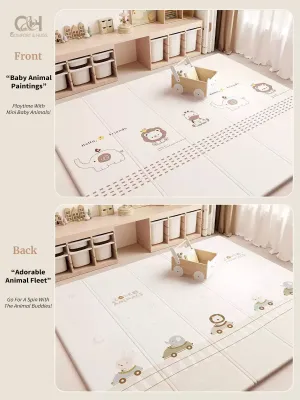
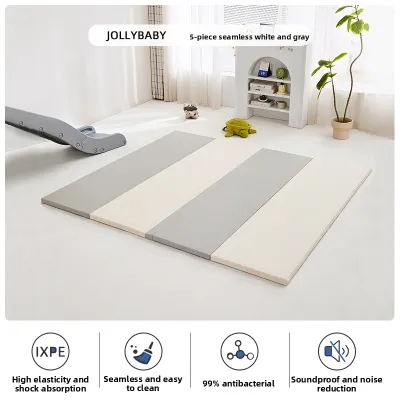
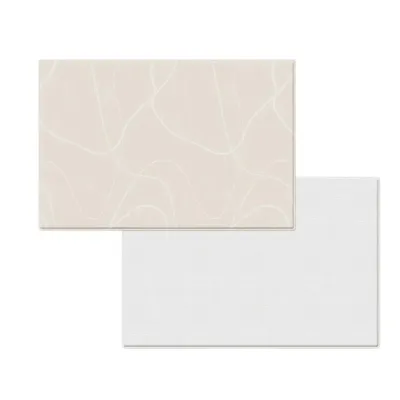
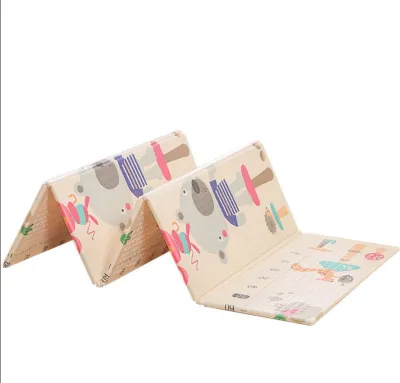
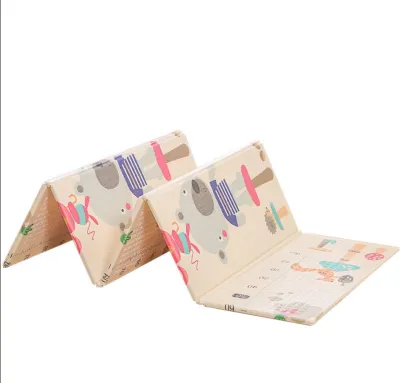
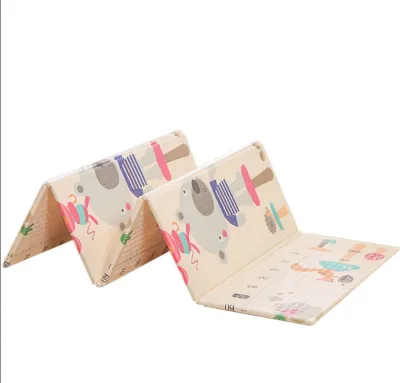
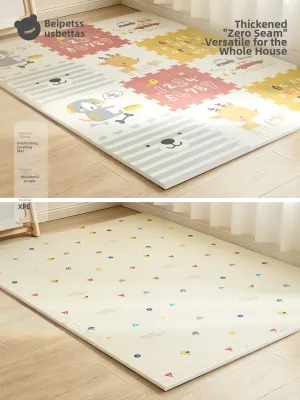
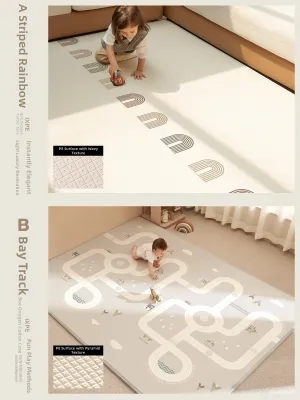
Prices are valid at publication and may change. Please refer to the product page for the latest price.
Essential Features for Outdoor Baby Playmats
When evaluating portable playmats for outdoor use, several key features determine how well the product will perform in real-world conditions. Understanding these technical and practical aspects allows you to make an informed decision that balances your baby’s comfort with your convenience as a caregiver.
Water resistance is arguably the most critical feature for any outdoor mat used in Singapore. The ground in local parks and gardens often retains moisture long after a rain shower, and morning dew can leave grass damp well into the forenoon. A playmat with a reliable water-resistant or waterproof bottom layer prevents dampness from seeping through to your baby’s clothing and skin. When browsing options, look for materials like polyurethane (PU) coatings, thermoplastic polyurethane (TPU), or heavy-duty polyester backings, and check the manufacturer’s specifications to confirm the level of water resistance provided.
Ease of cleaning is another vital consideration, as outdoor mats are guaranteed to encounter dirt, mud, grass stains, and spilled snacks or milk. Some mats feature a smooth, non-porous surface that can be wiped clean with a damp cloth or baby wipe in seconds, making them highly convenient for quick cleanups on the go. Other mats are made of fabric layers that require machine washing. If you prefer a machine-washable option, always verify the manufacturer’s washing instructions to ensure the mat can withstand frequent laundering without losing its shape or water-resistant properties.
The trade-off between thickness and portability is a common challenge for parents. A thicker mat, such as one made of closed-cell foam, offers superior cushioning and impact absorption, which is highly beneficial if your baby is practicing sitting up or crawling on hard ground. However, thicker mats tend to be bulkier and more challenging to pack. Conversely, thin fabric mats are highly portable and fold down to the size of a small book, but they offer minimal protection against hard ground, pebbles, or tree roots. Consider your typical outdoor locations and choose a thickness that provides adequate comfort without becoming a burden to carry.
A non-slip backing is essential for keeping the playmat securely in place on various outdoor surfaces. Whether you lay the mat on dry grass, smooth park tiles, or sandy patches, a baby’s active movements can cause a lightweight mat to bunch up or slide. Look for mats that feature a textured underside, such as rubberized dots, silicone patterns, or high-friction materials. This added stability not only keeps the play area flat and safe but also prevents slips when caregivers step onto or off the mat.
Finally, heat retention and UV resistance are crucial factors in Singapore’s tropical climate. Synthetic materials, particularly dark-colored plastics or dense foams, can absorb and retain heat rapidly when exposed to direct sunlight, making the surface uncomfortably hot for your baby. When selecting a mat, opt for lighter colors or patterns that reflect sunlight rather than absorbing it. Additionally, check if the manufacturer mentions UV-resistant treatments, which help prevent the material from cracking, fading, or degrading over time due to sun exposure.
Matching the Playmat to Your Outdoor Activity
Not all outdoor excursions are identical, and the playmat that works perfectly for a stationary afternoon picnic might not be the best fit for a fast-paced day of travel across the city. Matching the design of your playmat to your specific routine ensures you do not end up carrying unnecessary weight or struggling with a complicated folding mechanism while managing other baby gear.

Park Visits and Picnics
For stationary activities like picnics or extended park visits, size and surface area are your primary considerations. A larger mat allows your baby ample room to crawl, roll, and explore their surroundings without immediately wandering onto the grass or sand. It also provides sufficient space for caregivers to sit alongside the baby, facilitating interactive play and close supervision.
When choosing a mat for these settings, look for tightly woven fabrics or smooth synthetic surfaces that resist trapping sand, grass clippings, and dry dirt. A quick shake should be all it takes to clear the surface before packing up. If you plan to use the mat on sandy beaches, look for specialized sand-free mats or designs with raised edges that help keep debris from blowing onto the play area.
Travel and Transit
If your family frequently relies on public transport, taxis, or compact strollers to get around Singapore, portability and ease of folding become your top priorities. Assess the folded dimensions of the playmat against the storage capacity of your stroller basket or the size of your diaper bag. Some mats fold into a compact rectangle with built-in carrying handles or shoulder straps, allowing you to carry them hands-free.
Additionally, pay close attention to the durability of the folding seams or hinges. Frequent folding and unfolding can put significant stress on these joints, especially in foam mats. Look for reinforced stitching, fabric-bound edges, or robust seam construction that can withstand daily wear and tear without splitting or tearing.
Safety, Comfort, and Climate Considerations
Using a playmat outdoors requires extra vigilance to ensure your baby remains safe and comfortable. Singapore’s tropical environment introduces specific safety considerations that differ from indoor play setups.
First, always consult the manufacturer’s documentation to verify the recommended age, weight, and developmental stage for the playmat. Some mats are designed specifically for newborn tummy time, while others are built to support active toddlers. Ensure the mat’s material and structure align with your baby’s current physical milestones. For example, a very soft, plush mat may not provide the stable surface needed for a baby learning to push up on their hands and knees.
Before placing your baby on the mat, always perform a manual temperature check with the back of your hand. Synthetic materials can reach high temperatures quickly when exposed to direct sunlight, even on overcast days. If the surface feels hot to your touch, move the mat to a shaded area under a tree or pavilion, or wait for it to cool down completely. Never leave a playmat in direct sunlight for extended periods, as this can cause the material to degrade and release unpleasant chemical odors.
Because babies spend a significant amount of time with their skin directly touching the playmat—and often put their mouths on the surface—it is essential to verify that the product is free from harmful chemicals. Look for recognized safety certifications on the product label, such as those indicating the absence of phthalates, BPA, lead, and formaldehyde. Do not rely solely on vague marketing terms like “non-toxic”; instead, look for specific, verifiable standards listed by the manufacturer or certified by independent testing bodies.
A playmat is not a substitute for active caregiver supervision. Always keep your baby within arm’s reach while outdoors, as natural environments present unpredictable hazards. Before laying the mat down, inspect the ground thoroughly. Avoid sloped surfaces, uneven terrain, or areas close to water hazards, busy pathways, and potential insect nests. Clear away any sharp twigs, stones, or debris that could puncture the mat or cause discomfort to your baby.
Building Your Shortlist: What to Verify Before Buying
When you are ready to purchase a portable playmat, creating a shortlist based on objective criteria helps you avoid impulse buys and ensures you select a product that lasts. Rather than relying on marketing claims, focus on verifiable product specifications and customer feedback.
Start by reading user reviews specifically from parents who have used the mat in outdoor settings. Look for comments regarding how well the seams hold up after multiple washes, whether the water-resistant coating peels over time, and how easy it is to wipe off stubborn stains like mud or spilled milk. Reviews from local parents can offer valuable insights into how the mat performs in Singapore’s humid climate.
Next, check the return policies and warranty terms offered by local baby stores or e-commerce platforms. A reputable seller should provide a clear return window if the product arrives with manufacturing defects, such as uneven stitching or misaligned folding seams. Some premium brands also offer limited warranties that cover material defects for a specific period, providing extra peace of mind for your investment.
Finally, compare the total cost of the playmat in S$, keeping in mind that cheaper options may require frequent replacement if they wear out quickly. Factor in any potential shipping fees, especially for bulkier foam mats, and look for bundle discounts that might include carrying bags or matching accessories. Investing in a durable, high-quality mat can often save money in the long run by lasting through multiple developmental stages or even multiple children.
Frequently Asked Questions (FAQ)
Can I use an indoor foam playmat outdoors?
While it may be tempting to take your everyday indoor foam playmat to the park, doing so can quickly damage the material. Indoor mats, especially those made of puzzle-piece EVA foam, are often not designed to withstand UV exposure, rough ground surfaces, or moisture. Outdoor conditions can cause these materials to degrade, warp, or trap dirt and moisture in their seams, leading to hygiene issues and mold growth. Always check the manufacturer’s guidelines to ensure the mat is rated for outdoor use before taking it out of the house.
How do I clean a portable playmat after a park visit?
Proper cleaning is essential to maintain the hygiene and longevity of your outdoor playmat. Start by giving the mat a vigorous shake or using a soft-bristled brush to remove loose sand, grass, and dry dirt before folding it. Once home, follow the specific care instructions on the product label. For wipeable synthetic mats, a gentle wipe-down with a damp cloth and mild, baby-safe soap is usually sufficient. If the mat is machine-washable, use a gentle cycle with cold water and air-dry it completely in a well-ventilated area away from direct sunlight to prevent material degradation.

Community discussion
Share your experience or ask a question. Comments are reviewed before publication.