
Finding the ideal foldable playmat for outdoor adventures in Singapore requires balancing portability, durability, and ease of cleaning. Parents navigating the tropical climate and diverse outdoor spaces—from the sandy shores of East Coast Park to the lush lawns of the Singapore Botanic Gardens—need a reliable surface that protects their little ones while remaining easy to transport. The best brands for outdoor outings are those that design their mats with lightweight materials, water-resistant surfaces, and compact folding mechanisms that fit seamlessly into busy family routines.
When selecting a brand, the decision often comes down to how well the mat transitions from indoor playrooms to outdoor environments. A truly portable playmat must withstand rougher surfaces like grass, dirt, and concrete without tearing, while also preventing ground moisture from seeping through to your baby. By focusing on material specifications, ease of transport, and safety certifications, you can confidently choose a foldable playmat that makes outdoor play both safe and convenient.
Key Features to Look for in an Outdoor-Friendly Foldable Playmat
The physical design of a foldable playmat determines how practical it will be during an afternoon outing. One of the most critical aspects to evaluate is the folding mechanism itself. A high-quality portable mat should feature a structured, multi-panel fold that allows you to pack and unpack the mat in seconds, even while holding a baby or managing a stroller. Look for designs that fold flat rather than rolling up, as folded mats tend to stay flatter on the ground and are much easier to stack alongside other baby gear in a car trunk or stroller basket. Weight is equally important; the entire mat should be light enough for a single adult to carry comfortably over long distances.
Products mentioned in this guide
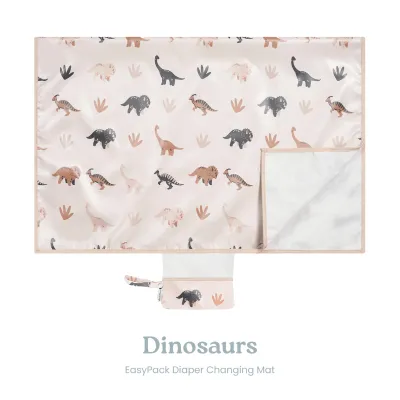
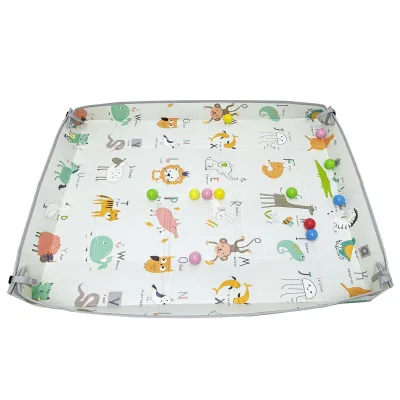
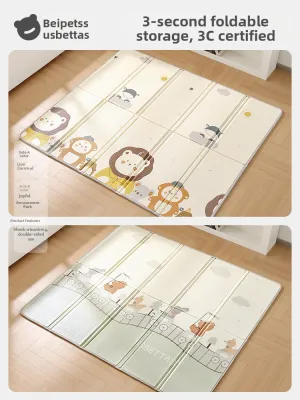
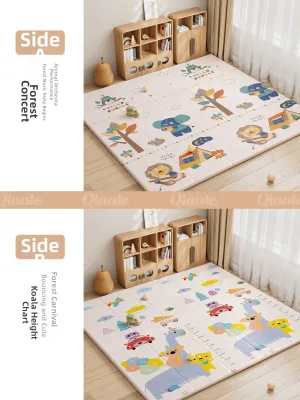
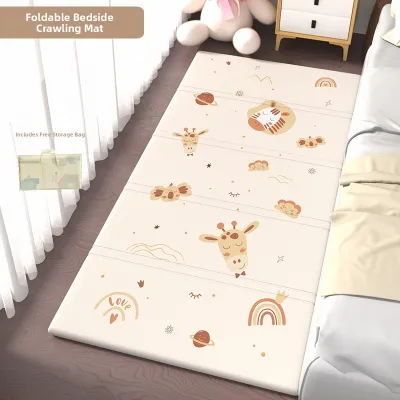
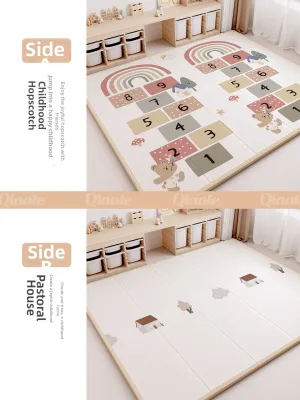
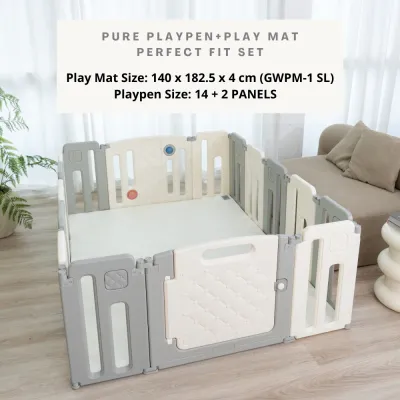
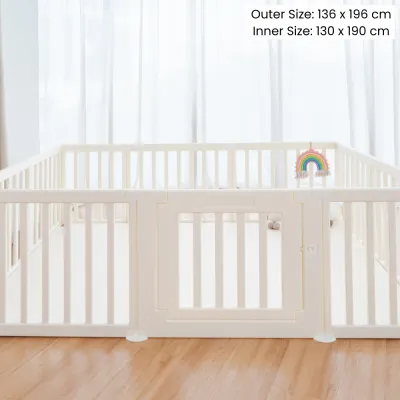
Prices are valid at publication and may change. Please refer to the product page for the latest price.
Surface materials play a defining role in how well a playmat performs outdoors. Because outdoor surfaces can be damp, dusty, or covered in grass clippings, prioritizing water-resistant and non-porous finishes is essential. Materials such as high-density XPE (cross-linked polyethylene) or TPU (thermoplastic polyurethane) are excellent choices because they do not absorb liquids and can be wiped clean instantly with a damp cloth or baby wipe. Avoid mats with deep textured grooves or fabric borders that can trap dirt, sand, and moisture, as these can quickly become breeding grounds for bacteria in Singapore’s humid climate.
Cushioning is another vital factor, especially when placing the mat on hard park benches, wooden decking, or uneven ground. While thicker mats provide superior impact protection for babies who are learning to sit or crawl, they also tend to be bulkier when folded. For outdoor portability, a thickness of around 1 centimeter to 1.5 centimeters generally offers the best compromise. This thickness provides sufficient shock absorption to protect your baby from bumps and falls while ensuring the mat remains compact enough to carry without feeling like a heavy piece of luggage.
Finally, consider the transport accessories that come with the playmat. Brands that include dedicated carrying bags, integrated shoulder straps, or built-in handles make transit significantly easier. A sturdy storage bag not only protects the mat from getting dirty during transport but also keeps any outdoor debris contained after use, preventing dirt from transferring to your car seats or home floors. Look for bags made from breathable or water-resistant fabrics that can be easily washed or wiped down.
Evaluating Brand Reliability and Safety Standards
When purchasing baby gear, safety and material integrity must always come first. Because babies spend significant time in direct contact with the playmat surface—often placing their mouths directly on it—verifying a brand’s safety claims is a crucial step. Reliable brands will clearly state their compliance with international safety standards, such as EN71 in Europe or ASTM in the United States, which regulate mechanical safety and chemical composition. Look for explicit declarations that the materials are free from harmful substances such as BPA, phthalates, lead, and formamide.

It is important to remember that safety certifications are dynamic and can vary by region and product batch. Rather than relying solely on marketing claims on the front of the packaging, take the time to inspect the product label or the manufacturer’s official website for verified testing documentation. If a brand does not provide clear, accessible information about its material testing and chemical safety, it is best to look for an alternative that prioritizes transparency.
Additionally, always review the manufacturer’s guidelines regarding the recommended age, weight, and developmental stage for the playmat. Some mats are designed specifically for stationary infants, while others are built to withstand the active play of crawling babies and toddlers. Using a mat outside its intended developmental scope can lead to premature wear or compromise its protective cushioning. For instance, highly active toddlers might require a more durable, slip-resistant surface to prevent slips and falls during energetic play.
Customer support and warranty terms are also strong indicators of a brand’s reliability. A reputable manufacturer should offer a clear warranty policy covering manufacturing defects, such as peeling surfaces or splitting seams. Before making a purchase, check how easy it is to contact the brand’s customer service team in Singapore. Brands with local distributors or responsive customer support channels are generally easier to deal with if you encounter any issues or need to initiate a return or exchange.
Matching the Playmat to Your Specific Outing Scenarios
Different outdoor activities place unique demands on a portable playmat, meaning the best choice for a park picnic might not be the ideal option for a family visit. For park and grass outings, such as a day at East Coast Park or the Singapore Botanic Gardens, your primary focus should be on moisture resistance and surface area. Grass often retains morning dew or ground moisture, even on sunny days. A playmat with a robust, waterproof bottom layer is essential to keep your baby dry. Furthermore, because babies love to explore, a larger surface area is beneficial for crawling, giving them plenty of room to move without wandering onto the grass.
For playdates and family visits, the priorities shift toward compact size, quick setup, and aesthetic appeal. When visiting friends or relatives, you want a mat that can be unfolded quickly in a living room without taking over the entire space. A compact, medium-sized foldable mat that blends into indoor home decor with neutral colors or minimalist patterns is often preferred. These mats should be easy to clean quickly before packing them back up, ensuring you do not leave any mess behind at your host’s home.
If your outings involve frequent travel and long transits on public transport, such as buses or the MRT, portability becomes the absolute priority. In these scenarios, every gram of weight and centimeter of space matters. Look for ultra-lightweight designs that can fold down to a minimal footprint, allowing them to fit comfortably inside a standard stroller basket or be carried over your shoulder without strain. Durability is also critical here, as frequent folding and unfolding during transit can put extra stress on the mat’s joints and seams.
Building Your Shortlist: What to Check Before You Buy
Before finalizing your purchase, creating a practical shortlist based on real-world usability will help you avoid buyer’s remorse. Start by cross-referencing official product descriptions with independent user reviews. While manufacturers often highlight the best features of their playmats, parent reviews provide valuable insights into how the mat performs over months of actual use. Look for feedback specifically mentioning how easy the mat is to clean after being exposed to outdoor elements like mud or sand, and whether the folding seams hold up well without tearing.
Next, verify the current stock status, S$ pricing, and delivery timelines from official brand stores or authorized e-commerce platforms. Prices can vary significantly depending on the retailer, promotions, and shipping fees. Ensure you are purchasing from an authorized seller to guarantee that you receive a genuine product and are eligible for any manufacturer warranties. Be cautious of unusually low prices on unauthorized marketplaces, as these may indicate counterfeit products that have not undergone the same rigorous safety testing.
Finally, measure your storage and transport spaces to confirm a perfect fit. Check the exact folded dimensions of the playmat and compare them to the size of your stroller’s under-seat basket, your car’s trunk, or the storage cabinet in your home. A playmat that is too bulky to fit into your stroller basket may end up being left at home, defeating the purpose of buying a portable mat. Taking a few minutes to verify these physical measurements beforehand ensures that your new playmat integrates seamlessly into your daily outings.
Frequently Asked Questions (FAQ)
Can I use a standard indoor foldable playmat for outdoor picnics?
While it is physically possible to use an indoor playmat outside, it is generally not recommended unless the manufacturer explicitly states it is suitable for outdoor use. Standard indoor mats often lack the heavy-duty water resistance required to block ground moisture, which can seep into the core material and cause mold or mildew. Additionally, rough outdoor terrains like gravel, twigs, or dry grass can easily puncture or scratch delicate indoor surfaces, leading to permanent damage and reducing the lifespan of your mat.
How do I clean a foldable playmat after using it on grass or sand?
To clean your playmat after an outdoor outing, start by shaking off any loose dirt, sand, or grass clippings. Wipe down the entire surface with a damp cloth and a mild, baby-safe soap, paying close attention to the folding creases where dirt tends to accumulate. Avoid using harsh chemical cleaners or abrasive scrubbing pads, as these can damage the protective outer layer. Most importantly, allow the mat to air dry completely in a well-ventilated area before folding and storing it, as trapping moisture inside the folds can lead to mold growth.
What is the ideal thickness for a portable baby playmat?
The ideal thickness for a portable playmat typically ranges between 1 centimeter and 1.5 centimeters. This range provides a comfortable cushion that protects your baby from hard or uneven ground while keeping the mat lightweight and easy to fold. Thicker mats, such as those measuring 2 centimeters or more, offer excellent cushioning but are often too bulky for easy transport. Always refer to the manufacturer’s guidelines to ensure the thickness and support level are appropriate for your baby’s specific age and physical development.

Community discussion
Share your experience or ask a question. Comments are reviewed before publication.