
Finding the right diaper balm for your baby is not a one-size-fits-all decision. The ideal product depends entirely on your baby’s current skin condition, ranging from daily maintenance to managing active flare-ups of eczema or severe diaper dermatitis. In a warm, humid climate like Singapore’s, moisture can easily become trapped within a diaper, accelerating skin breakdown and making the choice of a protective barrier even more critical. By matching the specific formulation and ingredients of a diaper balm to your baby’s immediate skin needs, you can effectively protect their delicate skin barrier, soothe discomfort, and prevent future irritation.
Identifying Your Baby's Specific Skin Condition
To choose the right product, you must first assess the state of your baby’s skin. Healthy skin requires only routine prevention. This is characterized by smooth, clear skin with no visible redness or irritation. In this state, your goal is simply to maintain the natural skin barrier and block occasional moisture.
Mild redness or chafing presents as light pink patches, often localized to areas where the diaper edges rub against the thighs or waist. This indicates the early stages of friction-induced irritation, where a light, soothing barrier can quickly restore comfort.
Products mentioned in this guide
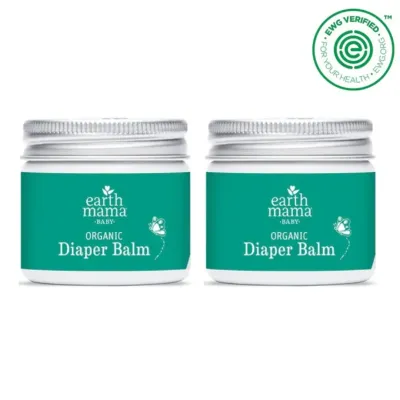
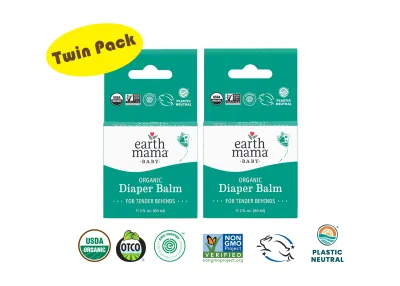
![[2-Pk] Earth Mama Organic Baby Diaper Balm Exp: 08/28](https://img.lazcdn.com/g/p/2d48adbcc8597e70ce76e65e1f4345d2.png_400x400q80.png_.webp)
![[SG Local Made] Twinkle Multipurpose Baby Balm 100% Natural Origin 12g TOP SELLER](https://img.lazcdn.com/g/p/58cdf13c4ddec1e66455c9d83f69fed7.jpg_400x400q80.jpg_.webp)
Prices are valid at publication and may change. Please refer to the product page for the latest price.
Eczema-prone skin behaves differently. It often appears as dry, rough, scaly, or intensely itchy patches that may persist even outside the immediate diaper area. This condition indicates a compromised skin barrier that is highly reactive to environmental triggers, sweat, and synthetic materials.
Severe nappy rash, or diaper dermatitis, is marked by bright red, raised, bumpy, or peeling skin. It may look angry, inflamed, and cause significant distress during diaper changes.
It is crucial to recognize when home care is no longer sufficient. If you observe broken skin, bleeding, oozing blisters, pus, or if your baby develops a fever, you must stop using over-the-counter balms and consult a pediatrician immediately. Similarly, if a rash spreads rapidly beyond the diaper region to the abdomen, back, or limbs, professional medical evaluation is required.
Parents must also understand that diaper balms are designed solely for barrier protection and soothing. They are not formulated to cure underlying medical issues, such as bacterial infections or fungal yeast infections (Candida), which typically present as bright red satellite lesions in the skin folds and require targeted prescription treatments.
Decoding Ingredients for Different Skin Profiles
Understanding the ingredient list on a diaper balm is the most reliable way to ensure it matches your baby’s skin profile. The primary function of any diaper balm is to create a physical shield between the skin and external irritants like wetness, enzymes in stool, and friction.

Zinc oxide is one of the most common and effective barrier agents. It is a mineral that sits on top of the skin, reflecting moisture and providing a physical block that does not easily wash away with urine.
Petroleum-based ingredients, such as petrolatum, act as powerful occlusive barriers. They seal in the skin’s natural moisture while preventing external wetness from penetrating the epidermis, making them highly effective for dry or chafed skin.
For babies with sensitive or eczema-prone skin, looking for labels such as “fragrance-free,” “dye-free,” and “hypoallergenic” is essential. Fragrances, even those derived from natural sources, are among the leading causes of contact dermatitis in infants. Note that “unscented” products may still contain masking fragrances to hide the chemical smell of raw ingredients, whereas “fragrance-free” indicates that no scent chemicals have been added.
You should actively avoid or cross-check ingredients if your baby has known allergies. Common culprits include lanolin (derived from sheep’s wool, which can trigger reactions in sensitive individuals), parabens, phthalates, and certain botanical extracts or essential oils like lavender or tea tree oil, which can sensitize compromised skin.
Always make it a habit to verify the full ingredient list and any specific manufacturer warnings printed on the physical product packaging before applying it to your baby. Formulations can change without notice, and the physical label remains the most accurate source of safety information.
Matching Balm Formulations to Skin Concerns
The physical consistency of a diaper balm—whether it is a light cream, a greasy ointment, or a thick paste—dictates how it should be used. The concentration of active barrier ingredients determines how well the product clings to the skin and resists moisture.
Everyday Prevention and Mild Sensitivity
For daily maintenance and mild sensitivity, lightweight, easily spreadable creams or lotions are ideal. These everyday barrier creams typically feature smoother textures and lower concentrations of active ingredients like zinc oxide (often under 10% to 15%) or are formulated with light plant-based oils.
These products are designed to glide on effortlessly during routine diaper changes, providing a thin protective layer that is easy to clean off later. They are excellent proactive measures to keep healthy skin protected from daily moisture.
However, these lightweight formulations are usually insufficient for active, moderate-to-severe irritation. Because they wipe away easily, they cannot withstand the constant friction and moisture of an active rash episode.
When selecting an everyday balm, always check the manufacturer’s guidelines to ensure the product is rated for daily, long-term use and is appropriate for your baby’s specific age group.
Eczema-Prone and Highly Reactive Skin
Babies with eczema-prone or highly reactive skin require a highly specialized approach. The primary goal is to support a compromised skin barrier without introducing any potential irritants that could trigger a flare-up.
For this skin profile, prioritize minimalist ingredient lists. The fewer ingredients a product contains, the lower the likelihood of an adverse reaction. Look for products that have been specifically formulated or dermatologically tested for eczema-prone skin.
Avoid botanical extracts, essential oils, and complex herbal blends. While these are often marketed as “natural” or “organic,” they contain complex organic compounds that can easily irritate sensitive skin barriers. Preservatives like methylisothiazolinone should also be strictly avoided.
Because eczema-prone skin is highly unpredictable, it is always best to consult a pediatrician or a pediatric dermatologist before introducing any new topical product to your baby’s routine.
Severe or Persistent Nappy Rash
When dealing with an active, severe, or persistent nappy rash, lightweight creams are no longer effective. You need a heavy-duty, high-protection barrier paste.
These formulations typically contain high concentrations of zinc oxide (often 20% to 40%) or thick petrolatum. They create a dense, white, impermeable layer that physically seals out moisture, allowing the underlying skin to heal undisturbed by urine and stool.
Application technique is critical for severe rashes. Instead of rubbing the paste into the skin—which can cause painful friction and further damage the inflamed tissue—you should apply a thick, generous layer, much like frosting a cake. This ensures the skin is completely covered and protected.
Keep clear stop-conditions in mind. If the severe rash does not show visible signs of improvement within two to three days, if it worsens, or if you notice signs of infection such as blistering or peeling, stop using the balm immediately and seek professional medical advice.
Safe Purchasing and Application Practices
Ensuring your baby’s safety goes beyond choosing the right ingredients; it also involves how you purchase, test, and apply the product.
Before buying any diaper balm, carefully read the packaging to verify age appropriateness, weight guidelines, and any specific manufacturer warnings. Some formulations may not be recommended for newborns or premature infants. While basic barrier creams may cost under S$15, specialized dermatological balms can range up to S$40 or more, so verifying suitability beforehand helps avoid unnecessary expenses.
Before applying any new balm to your baby’s diaper area, perform a localized patch test. Apply a small, pea-sized amount of the product to a clean patch of healthy skin, such as the inner forearm or upper thigh. Monitor the area for 24 hours for any signs of redness, swelling, or irritation. If a reaction occurs, discontinue use immediately.
Good hygiene practices during application are vital to prevent introducing bacteria into the diaper area or the product container. Always wash your hands thoroughly with soap and water both before and after applying diaper balm.
If you are using a product packaged in a jar, avoid double-dipping your fingers. Dipping a soiled finger back into the jar can contaminate the entire product with bacteria or yeast. Instead, use a clean, dedicated silicone spatula or choose products packaged in squeeze tubes or pump bottles.
Regularly check the expiration dates on your diaper balms. Over time, active ingredients can separate, and preservatives can break down, rendering the product ineffective or potentially irritating. Discard any product that is past its expiration date, or that shows signs of separation, discoloration, or an unusual odor.
Frequently Asked Questions (FAQ)
Can I use the same diaper balm with cloth diapers?
Many standard diaper balms are incompatible with cloth diapers. Petroleum-based ingredients and high concentrations of zinc oxide are highly water-resistant, meaning they do not wash out easily during standard laundry cycles. Over time, these ingredients can build up on the fabric fibers of cloth diapers, causing them to repel moisture rather than absorb it, which leads to leaks.
To prevent this, always check the manufacturer’s instructions for both your diaper balm and your cloth diapers to verify compatibility.
If you must use a heavy-duty zinc or petroleum balm, always use a disposable liner or a washable fleece liner to protect the cloth diaper fabric. Alternatively, switch to specific water-washable, zinc-free, and petroleum-free formulations that are explicitly labeled as cloth-diaper-safe.
Should I wipe off the old diaper balm at every change?
You do not need to aggressively scrub off residual diaper balm during every diaper change. The skin in the diaper area is incredibly delicate, and repeated, vigorous wiping can cause mechanical friction, stripping away the skin’s natural oils and worsening any existing irritation.
Instead, gently clean away only the soiled areas containing urine or stool using a soft, damp cloth or a gentle wipe. If there is a clean, white layer of residual balm left on the skin, you can simply apply a fresh layer directly over it.
A complete, gentle removal of the balm is only necessary when the residual layer has become heavily soiled, contaminated with stool, or when you are giving your baby their daily bath. In these cases, use a gentle, fragrance-free cleanser or baby oil on a cotton pad to dissolve and wipe away the old barrier without rubbing.

Community discussion
Share your experience or ask a question. Comments are reviewed before publication.