
Diaper rash is an incredibly common challenge for parents, especially in warm, humid climates like Singapore where moisture easily gets trapped in diaper folds. Choosing the right barrier cream can mean the difference between rapid healing and prolonged discomfort for your little one. Desitin is a household name in diaper care, offering three distinct formulations: Maximum Strength, Original, and Rapid Release. Finding the right match depends on the current state of your baby’s skin, the time of day, and how easy you need the cleanup to be.
Choose Maximum Strength if: Your baby is currently dealing with a severe, bright red, or stubborn diaper rash that shows signs of significant irritation. This variant is also the premier choice for overnight use or during long stretches between diaper changes, as it provides a thick, long-lasting barrier that resists breakdown.
Choose Original if: You are looking for a reliable, everyday preventative barrier to protect normal or slightly pink skin. It is designed for routine application at every diaper change, helping to keep friction and wetness at bay before a full rash has the chance to develop.
Products mentioned in this guide
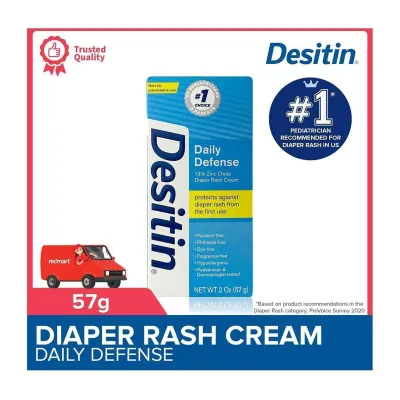
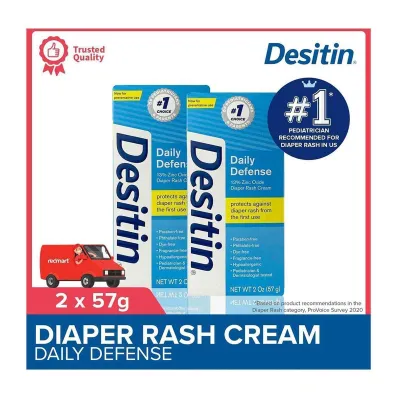
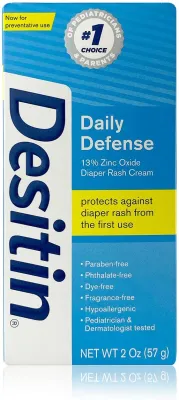
![[Bundle of 6] Desitin Daily Defense Diaper Rash Protection Cream Instantly Soothe Diaper Rash Discomfort 57g](https://img.lazcdn.com/g/p/466b0ce8095e8cfc0e6935b6b4736b30.png_400x400q80.png_.webp)
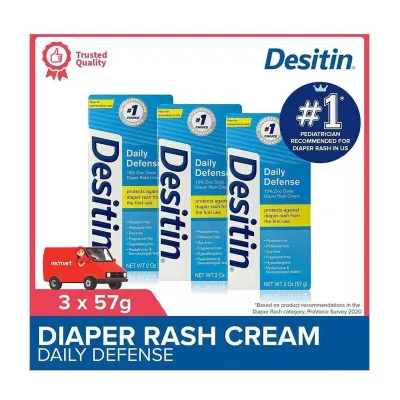
Prices are valid at publication and may change. Please refer to the product page for the latest price.
Choose Rapid Release if: You want to quickly soothe early signs of irritation with a cream that is exceptionally easy to apply and wipe away. This formulation is ideal for active daytime diaper changes, quick outings, or for parents who prefer a lighter texture that does not require heavy scrubbing to remove.
The primary differences among these three options boil down to the concentration of the active ingredient, zinc oxide, the overall texture of the cream, and the effort required to clean the diaper area during subsequent changes. By matching these factors to your baby’s immediate skin condition, you can keep their skin comfortable and protected.
The Core Difference: Zinc Oxide Concentration and Texture
To understand why these three variants perform differently, it helps to look at their primary active ingredient: zinc oxide. Zinc oxide is a naturally derived mineral that does not absorb into the skin; instead, it sits on the surface to form a physical, waterproof shield. This barrier is essential because it blocks acidic urine, stool enzymes, and diaper friction from directly contacting and damaging your baby’s delicate skin barrier.
When selecting a diaper cream, always check the product label for the exact zinc oxide percentage. The concentration of zinc oxide directly dictates how heavy and resilient the barrier will be. Desitin Maximum Strength contains the highest level of zinc oxide available in over-the-counter formulas, typically formulated at 40%. In contrast, both the Original and Rapid Release variants feature lower concentrations, generally around 10% to 13%, which are optimized for daily prevention and lighter, faster application.
There is a direct trade-off between the strength of the barrier and the ease of use. A higher concentration of zinc oxide results in a much thicker, stickier paste. While this paste provides unmatched protection against prolonged wetness, it is also significantly harder to wipe away cleanly. Lower concentrations offer a smoother, more fluid texture that glides onto the skin easily but may wash off or wear away faster under heavy moisture.
Beyond the active ingredient, the inactive base ingredients play a major role in how the cream feels and spreads. Ingredients like petrolatum, mineral oil, or beeswax are blended with the zinc oxide to create different textures. In Singapore’s humid climate, finding a balance is key; a paste that is too heavy might feel overly occlusive on hot days, whereas a cream that is too light might wash away too quickly during a long nap.
Desitin Maximum Strength: Best for Severe or Overnight Rashes
Desitin Maximum Strength is formulated as a heavy-duty treatment paste designed to tackle the most stubborn diaper rashes. Its incredibly thick, dense consistency is engineered to stay put even when subjected to heavy wetness. This makes it an invaluable tool when your baby’s skin is already compromised, raw, or highly inflamed, as it prevents further contact with irritating bodily fluids.

The primary use case for this 40% zinc oxide paste is managing severe, bright red diaper rashes that require immediate, robust protection. It is also highly recommended for overnight use. During the night, babies wear the same diaper for eight to twelve hours, exposing their skin to prolonged moisture. Applying a generous layer of Maximum Strength before bed ensures that a protective shield remains intact until morning, allowing the skin underneath to heal undisturbed.
This variant is also highly beneficial during episodes of diarrhea or frequent loose stools, where the skin is repeatedly exposed to highly acidic enzymes. However, the sheer thickness of Maximum Strength presents some practical limitations. It does not spread easily over highly irritated skin, meaning you must apply it with a very gentle touch to avoid causing further discomfort.
Furthermore, cleaning this paste off the skin requires deliberate effort. Because it is designed to resist moisture, standard water-based baby wipes may slide right over it without removing the soiled top layer. Caregivers must be careful not to scrub the skin, as harsh friction can easily worsen the rash. Before using this powerful formula, always verify the manufacturer’s age and weight instructions on the label to ensure it matches your baby’s current developmental stage.
Desitin Original: Best for Daily Prevention and Mild Redness
Desitin Original serves as a classic, balanced diaper cream designed for everyday maintenance and routine skin protection. Unlike the heavy paste of the Maximum Strength variant, the Original formula offers a smoother, more traditional cream texture. It is designed to glide onto the skin with minimal resistance, making daily application quick and comfortable for both you and your baby.
This variant is best positioned as a preventative measure to be used at every routine diaper change. Even when your baby’s skin looks perfectly healthy, applying a thin, protective layer of Desitin Original helps ward off the friction caused by constant diaper movement. It acts as an invisible shield against the minor wetness that accumulates between regular daytime changes, which is particularly helpful in Singapore’s humid environment where sweat can exacerbate chafing.
If your baby is prone to mild, early-stage redness or has highly sensitive skin that reacts quickly to diaper wetness, the Original formula provides just enough protection to keep irritation from escalating. It strikes an excellent balance: it is robust enough to keep moisture away from the skin for several hours, yet it remains soft enough to be wiped away without requiring extensive scrubbing.
Using a daily preventative cream like Desitin Original is a proactive way to maintain the integrity of your baby’s skin barrier. Because it is easier to spread than the maximum-strength paste, you can apply it quickly during busy daytime routines. It ensures that your baby’s skin remains consistently shielded without the heavy, occlusive buildup associated with higher-concentration pastes.
Desitin Rapid Release: Best for Quick Soothing and Easy Cleanup
Desitin Rapid Release is specifically formulated for caregivers who prioritize speed, convenience, and immediate skin comfort. It features a much smoother, almost lotion-like consistency that spreads effortlessly across the diaper area. This lightweight texture is designed to go on quickly and, crucially, to wipe off cleanly with minimal effort during subsequent diaper changes.
One of the standout features of the Rapid Release formula is its ability to deliver fast soothing relief to irritated skin. Alongside the protective zinc oxide barrier, this variant contains specific skin-conditioning agents. Caregivers should check the product label to identify these soothing ingredients, which often include emollients designed to calm redness and reduce discomfort on contact.
This variant is the ideal choice for quick diaper changes while on the go, whether you are running errands or traveling. It is also highly suited for babies who dislike the heavy, sticky feeling of traditional diaper pastes. Because it wipes away so cleanly, it is perfect for managing frequent, messy diaper changes where you need to clean the skin thoroughly and reapply protection without irritating the baby with repetitive, harsh wiping.
However, it is important to understand the limitations of this lightweight formula. While Rapid Release is excellent for daily comfort and mild irritation, it may not provide the long-lasting, heavy-duty shield required to heal severe, weeping, or highly inflamed rashes. For overnight protection or deep, stubborn redness, transitioning to a higher-concentration zinc oxide paste is usually more effective.
Feature Comparison: How the Three Variants Stack Up
To help you quickly decide which formulation is best suited for your baby’s current needs, the table below compares the three Desitin variants across their key practical dimensions. Use this comparison to match the severity of your baby’s diaper rash with the appropriate level of protection and cleanup effort.
| Variant | Zinc Oxide Level (Verify on Label) | Texture & Consistency | Best Used For | Cleanup Effort |
|---|---|---|---|---|
| Maximum Strength | High (Typically 40%) | Thick, heavy, paste-like | Severe rashes, overnight protection, diarrhea episodes | High (Requires gentle oil or warm water to remove) |
| Original | Moderate (Check label) | Smooth, classic cream | Daily prevention, routine changes, mild redness | Moderate (Wipes off easily with standard wipes) |
| Rapid Release | Moderate (Check label) | Light, lotion-like cream | Quick soothing, on-the-go changes, easy cleanup | Low (Wipes off cleanly with minimal friction) |
As shown in the table, the right choice always involves a balance between protection and convenience. If your baby’s skin is highly inflamed, the high cleanup effort of the Maximum Strength paste is a necessary trade-off for its superior protective barrier. For daily maintenance, the lower cleanup effort of the Original or Rapid Release variants makes them much more practical.
Safe Application and Cleanup Tips for Barrier Creams
Applying and removing diaper barrier creams correctly is just as important as choosing the right product. Poor application techniques can lock in moisture, while rough cleanup methods can damage the skin barrier and worsen diaper rash. Following a few simple, low-risk steps will help ensure that the cream works effectively to protect your baby’s skin.
Preparation Before applying any diaper cream, the diaper area must be thoroughly cleaned and completely dry. Trapping even a small amount of moisture beneath a waterproof zinc oxide barrier can create a humid environment that encourages bacterial or fungal growth, ultimately worsening the rash. After cleaning the skin with a gentle, alcohol-free wipe or warm water, pat the area dry with a clean, soft towel, or let it air-dry completely for a few minutes before proceeding.
Application When applying the diaper cream, think of it as spreading frosting on a cake rather than rubbing lotion into the skin. You want to apply a thick, visible layer that completely covers the affected areas. Avoid rubbing the cream deeply into the skin, as the friction from your fingers can irritate already sensitive tissue. The goal is to leave a physical barrier on top of the skin that prevents urine and stool from making direct contact.
Cleanup Removing thick barrier creams, especially the Maximum Strength paste, requires a gentle touch. Never scrub or scrape the skin to remove leftover cream. If a clean layer of cream is still adhering to the skin during a wet-only diaper change, you do not need to remove it completely; simply wipe away any soiled portions and apply a fresh layer on top. For thorough cleaning, apply a small amount of baby oil or a gentle, oil-based cleanser to a soft wipe to help dissolve the zinc oxide paste without harsh friction. Always refer to the specific application and storage instructions printed on your product’s packaging.
When to Stop Using Diaper Cream and See a Doctor
While most mild diaper rashes resolve quickly with proper hygiene and consistent barrier cream use, some situations require professional medical attention. It is crucial for caregivers to recognize the limits of over-the-counter treatments and know when to seek help from a healthcare professional.
You should stop using over-the-counter barrier creams and consult a pediatrician immediately if you observe any of the following warning signs:
- The rash spreads beyond the diaper area to the abdomen, back, or limbs.
- The skin develops blisters, open sores, peeling ulcers, or begins to bleed.
- There are clear signs of infection, such as pus, oozing yellow fluid, or extreme warmth and swelling.
- Your baby develops a fever or seems unusually irritable and inconsolable.
- The rash does not show any signs of improvement after three to four days of consistent care.
In many cases, a stubborn rash that does not respond to zinc oxide may actually be a yeast infection (such as Candida), which thrives in the warm, moist environment of a diaper. A pediatrician can provide an accurate diagnosis and prescribe an appropriate antifungal treatment, which cannot be replaced by standard diaper creams.
Frequently Asked Questions (FAQ)
Can I use Desitin on a newborn?
Always check the specific product packaging and label for age recommendations before applying any cream to a newborn. While zinc oxide is widely recognized as a safe and effective barrier ingredient, a newborn baby’s skin is exceptionally thin, highly permeable, and sensitive. To ensure maximum safety, it is highly recommended to consult your pediatrician before introducing any over-the-counter diaper creams to a newborn’s routine.
Should I wipe off all the Desitin at every diaper change?
No, you do not need to scrub off every trace of clean diaper cream during every diaper change. If your baby has only urinated, simply wipe away any soiled top layers of the cream gently. Leaving the clean, adhering base layer intact helps protect the skin from unnecessary friction caused by constant wiping. You can simply apply a fresh layer of cream directly over the existing clean layer to maintain the protective barrier.
Can I use Desitin with cloth diapers?
Thick zinc oxide diaper creams, particularly heavy-duty formulas like Desitin Maximum Strength, are generally not compatible with cloth diapers. The zinc oxide and petroleum bases can easily build up on the fabric fibers of cloth diapers, creating a waterproof coating that causes the diapers to repel moisture and lose their absorbency. If you must use a heavy zinc oxide cream, always place a disposable fleece or paper liner inside the cloth diaper to protect the fabric, or opt for a diaper cream specifically labeled as cloth-diaper-safe.
Community discussion
Share your experience or ask a question. Comments are reviewed before publication.