
Finding a suitable baby laundry detergent liquid in Singapore requires understanding how local environmental factors interact with your infant’s delicate skin. In a tropical climate where high humidity and warmth lead to frequent sweating, any chemical residue left on clothing can easily dissolve and penetrate the skin barrier. To protect babies with sensitive or eczema-prone skin, parents must look beyond marketing buzzwords and focus on liquid detergents that are completely free of synthetic fragrances, dyes, and harsh preservatives. Selecting the right formula involves analyzing ingredient lists, adjusting washing machine settings, and monitoring how your baby’s skin responds to freshly laundered fabrics.
By taking a systematic approach to evaluating laundry products, you can significantly reduce the risk of contact dermatitis and flare-ups. This guide outlines the essential criteria for selecting gentle liquid detergents, identifies common chemical triggers, and provides practical washing strategies tailored to local households.
Key Criteria for Sensitive Skin Detergents
When shopping for a baby laundry detergent liquid, the product label is your primary source of information. However, interpreting these labels requires a critical eye, as marketing terms can sometimes be misleading. Understanding the specific terminology used by manufacturers helps you make an informed decision for your child’s skin health.
Products mentioned in this guide
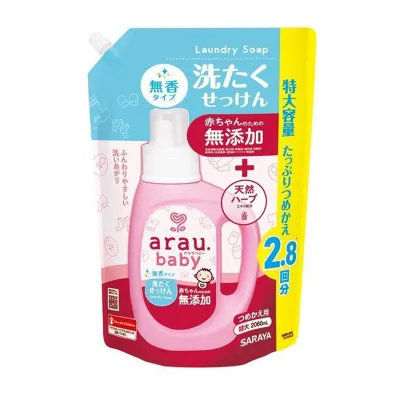
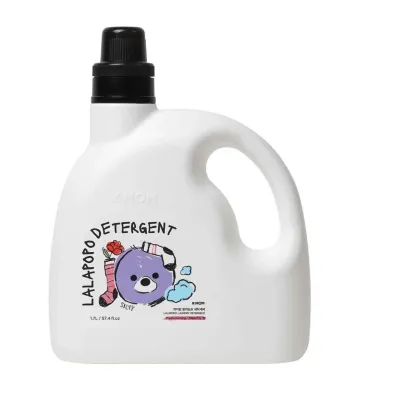
Prices are valid at publication and may change. Please refer to the product page for the latest price.
One of the most important distinctions to make is between “fragrance-free” and “unscented” formulations. A fragrance-free product is manufactured without the addition of any fragrance chemicals or masking scents. In contrast, an unscented product may actually contain synthetic chemicals designed to neutralize the natural odors of the raw ingredients, resulting in a neutral smell. For infants with highly sensitive or eczema-prone skin, these masking agents can still trigger adverse reactions, making true fragrance-free options the safer choice.
Parents should also actively look for the absence of dyes, optical brighteners, and harsh preservatives on product labels. Dyes are purely aesthetic additions that serve no functional purpose in cleaning clothes, yet they remain a common source of skin irritation. Optical brighteners are synthetic chemicals designed to adhere to fabrics and reflect light, making clothes appear whiter and brighter. Because these chemicals are formulated to remain on the fabric fibers after rinsing, they come into direct, prolonged contact with your baby’s skin, increasing the likelihood of irritation.
Additionally, terms like “hypoallergenic” and “dermatologically tested” are frequently displayed on baby care products. While these labels indicate that the manufacturer has taken steps to minimize allergen risks or conducted basic skin compatibility tests, they are not standardized medical guarantees. Parents should treat these claims as helpful starting points rather than absolute proof of safety, always cross-referencing them with the actual ingredient list to ensure no known irritants are present.
Common Irritants and Eczema Triggers
An infant’s skin barrier is significantly thinner and more permeable than an adult’s, making it highly susceptible to environmental irritants. When laundry detergents do not rinse out completely, the remaining chemical residues can disrupt the delicate lipid matrix of the skin, leading to dryness, itching, and inflammation.

Residual surfactants are among the most common culprits behind skin barrier compromise. Surfactants, such as Sodium Lauryl Sulfate (SLS) or Sodium Laureth Sulfate (SLES), are responsible for lifting dirt from fabrics, but their strong binding properties mean they can easily cling to clothing fibers. When these residues mix with sweat on a baby’s skin, they can strip away natural oils, leading to localized irritation. Synthetic fragrances, which often contain complex mixtures of phthalates and other volatile organic compounds, further exacerbate this risk by triggering immune responses in sensitive individuals.
To protect vulnerable skin, it is generally recommended to avoid fabric softeners, dryer sheets, and heavy stain removers when washing baby laundry. Fabric softeners work by depositing a thin, lubricating chemical film over fabric fibers to make them feel softer to the touch. This chemical coating not only reduces the breathability and absorbency of cotton garments and cloth diapers, but it also remains in constant contact with the infant’s skin. Dryer sheets function similarly, releasing volatile chemicals under high heat that can easily irritate sensitive airways and skin.
Understanding the difference between allergic contact dermatitis and irritant contact dermatitis can help parents identify the root cause of skin issues. Irritant contact dermatitis is a non-allergic reaction that occurs when a substance physically damages the skin barrier, resulting in localized redness, dry patches, or a chafed appearance, often concentrated in areas where clothing rubs tightly. Allergic contact dermatitis, on the other hand, is an immune system reaction to a specific allergen, which can present as intense itching, raised red bumps, or fluid-filled blisters that may spread beyond the immediate area of contact.
Evaluating Brands Available in Singapore
Navigating the shelves of local supermarkets, specialty baby boutiques, and online marketplaces in Singapore can be overwhelming given the wide variety of domestic and imported baby detergents. To narrow down your options effectively, you must develop a habit of reading the full ingredient lists rather than relying solely on front-of-pack marketing claims.
When evaluating a liquid detergent, check the back label for a transparent list of ingredients. Reputable brands formulated for sensitive skin will clearly list their active cleaning agents, preservatives, and any botanical additives. Be cautious of products that use vague terms like “active cleaning agents” or “gentle softeners” without specifying the actual chemical compounds. Identifying hidden irritants, such as methylisothiazolinone (MI) or methylchloroisothiazolinone (MCI)—which are strong preservatives sometimes used in liquid formulas—is crucial for preventing severe skin reactions.
Another important consideration is the choice between concentrated and regular liquid formulas. Concentrated liquid detergents contain less water, requiring a much smaller dose per wash load. While concentrated options can be highly cost-effective and reduce packaging waste, they also carry a higher risk of residue buildup if over-dispensed. If you choose a concentrated formula, you must use the provided measuring cap precisely, as even a small excess of detergent can overwhelm the rinsing capabilities of your washing machine.
Finally, check the packaging for clear labeling regarding manufacturing dates, batch numbers, and expiration periods. Liquid detergents formulated with plant-derived ingredients or alternative preservative systems may have a shorter shelf life than conventional products. In Singapore’s warm and humid climate, storing these products in a cool, dry place away from direct sunlight is essential to prevent premature degradation, bacterial growth, or separation of the formula.
Washing and Rinsing Practices to Minimize Residue
Even the mildest baby laundry detergent liquid can cause skin irritation if it is not thoroughly rinsed from clothing. Establishing a meticulous laundry routine is just as important as selecting the right product when managing sensitive skin or eczema.
One of the most effective ways to ensure chemical residues are completely removed is to implement a double-rinse cycle. Most modern washing machines offer an “extra rinse” or “sensitive” setting that adds an additional rinsing phase at the end of the wash cycle. This is particularly beneficial for heavily soiled items, such as cloth diapers, bibs, and bedding, which naturally require a slightly higher dose of detergent to clean effectively. The extra rinse helps flush away any lingering surfactants trapped within the fabric weave.
Adjusting your detergent dosage strictly according to the load size, soil level, and local water conditions is another critical step. In Singapore, the domestic water supply is relatively soft, meaning that detergents lather very easily and require less product to achieve an effective clean. Over-dispensing detergent in soft water environments leads to excessive suds, which are difficult for washing machines to rinse out completely. Always start with the minimum recommended dose on the product packaging and adjust upward only if clothes are exceptionally dirty.
Water temperature also plays a significant role in the dissolution and rinsing of liquid formulas. While cold water washes are energy-efficient and suitable for lightly soiled daily wear, washing baby clothes in warm water (around 30 to 40 degrees Celsius) can help dissolve liquid detergents more thoroughly and improve the removal of body oils and organic stains. Always check the fabric care labels on your baby’s garments to ensure they can tolerate warmer temperatures without shrinking or degrading.
Monitoring Skin Reactions After Switching Detergents
When introducing a new baby laundry detergent liquid into your household routine, it is wise to proceed with caution rather than washing your baby’s entire wardrobe at once. A gradual transition allows you to isolate variables and identify potential skin sensitivities before they become widespread.
To perform a simple patch test, select a single, non-intrusive fabric item that comes into regular contact with your baby’s skin, such as a small receiving blanket, a washcloth, or a single sleepsuit. Wash this specific item with the new detergent, keeping it separate from the rest of the laundry. Once dried, allow your baby to use or wear the item as they normally would, ensuring it makes direct contact with a patch of healthy skin.
Over the next 24 to 48 hours, closely observe the contact area for any signs of an adverse reaction. Look for localized redness, dry or rough patches, small raised bumps, or signs of discomfort such as increased scratching or rubbing against the fabric. Because allergic reactions can sometimes take a couple of days to manifest, maintaining this observation period is essential before concluding that the detergent is compatible with your baby’s skin.
If you observe any signs of skin irritation, discontinue the use of the new detergent immediately. Revert to your previous laundry routine and re-wash the affected items with plain water or a previously tolerated detergent to remove any lingering residues. If the skin reaction is severe, covers a large portion of the body, or does not improve within a few days of removing the suspected trigger, consult a pediatrician or a pediatric dermatologist for professional guidance and treatment options.
Frequently Asked Questions (FAQ)
Can I use a regular mild detergent instead of a specifically marketed baby brand?
Yes, you can use a regular adult detergent, provided it meets the same strict criteria required for sensitive baby skin. Many standard detergents marketed for adults are formulated without dyes, fragrances, or optical brighteners, making them chemically similar to baby-specific brands. When evaluating these options, carefully check the ingredient list to confirm the complete absence of these common irritants. If a regular detergent is truly fragrance-free and formulated for sensitive skin, it can be a safe and cost-effective choice for the entire family.
Do I need to wash baby clothes separately from the rest of the family's laundry?
While it is not strictly mandatory to wash baby clothes separately, doing so is highly recommended during the first few months of life, especially if your baby has eczema or highly sensitive skin. Washing clothes separately minimizes the risk of cross-contamination from adult clothing, which may contain residues of strong perfumes, fabric softeners, heavy soils, or industrial chemicals. Once your baby’s skin barrier has matured and you have transitioned the entire household to a gentle, fragrance-free detergent, you can gradually begin combining laundry loads.
Are plant-based or natural liquid detergents always the safest choice?
Not necessarily. While plant-based detergents are often marketed as inherently safer and gentler, natural ingredients can still cause allergic reactions or skin irritation. For example, many natural detergents utilize essential oils, such as lavender, eucalyptus, or tea tree oil, to provide a pleasant scent. These botanical extracts contain natural allergens that can trigger contact dermatitis in sensitive infants. When choosing a plant-based detergent, prioritize products that are labeled fragrance-free and lack strong botanical extracts, relying on ingredient transparency rather than natural marketing claims.

Community discussion
Share your experience or ask a question. Comments are reviewed before publication.