
When walking down the baby food aisle in local supermarkets or browsing online marketplaces, the sheer variety of baby crackers can be overwhelming. The most nutritious baby crackers are not defined by a flashy brand name or colorful packaging, but by their ingredient integrity, low sodium levels, absence of added sugars, and developmental suitability for your child. Because every baby develops at their own pace, finding the right option requires looking past marketing claims and directly analyzing the nutritional information panel and ingredient list.
In Singapore’s diverse retail landscape, parents have access to domestic imports from all over the world, including organic options from Europe, Australia, the United States, and Japan. However, different countries have varying regulatory standards for baby food labeling, which makes a standardized evaluation framework essential. By learning how to decode these labels, you can confidently select snacks that support your baby’s growth, encourage self-feeding skills, and protect their developing digestive and renal systems.
Understanding the Role of Baby Crackers in a Balanced Diet
Complementary feeding, which typically begins around six months of age, is a critical window for introducing new textures and flavors. During this stage, baby crackers and puffs serve primarily as tools for sensory exploration and motor skill development rather than as primary sources of nutrition. They help infants practice the pincer grasp, coordinate hand-to-eye movement, and learn how to manipulate solid textures in their mouths. However, these snacks must remain secondary to nutrient-dense whole foods.
Products mentioned in this guide
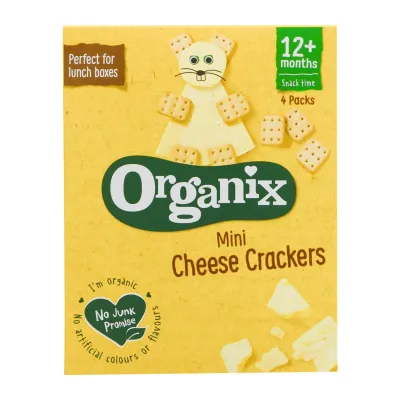
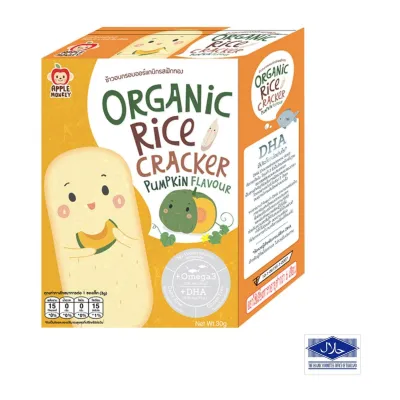
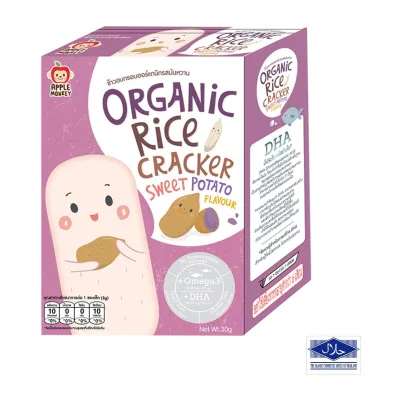
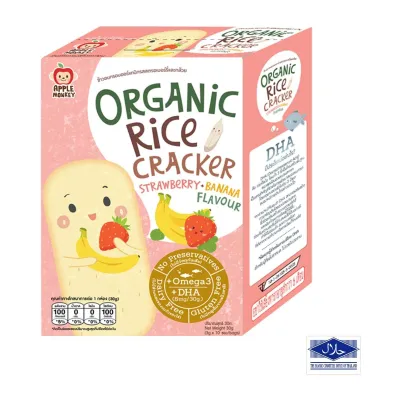
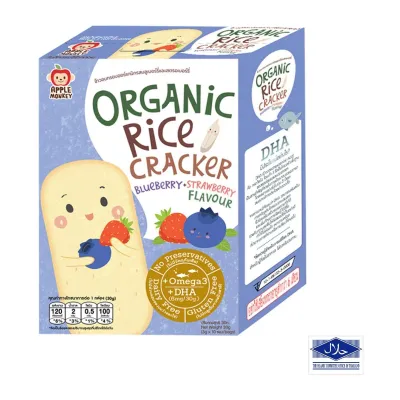
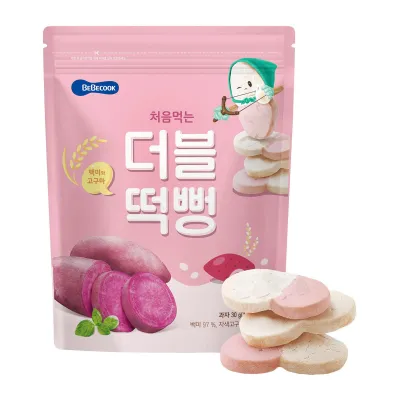
Prices are valid at publication and may change. Please refer to the product page for the latest price.
It is vital to distinguish between a structured snack and a main meal. A baby’s stomach is roughly the size of their fist, meaning their capacity for food is highly limited. If a baby fills up on light, airy crackers shortly before a meal, they are likely to consume less breastmilk, formula, or iron-rich purees. This displacement can lead to nutritional gaps over time, particularly in key minerals like iron and zinc, which are highly concentrated in whole foods but often low in basic snack items.
When evaluating snacks, parents should prioritize nutrient density over empty calories. Nutrient-dense foods provide a high amount of vitamins, minerals, and fiber relative to their calorie content. Many commercial baby crackers are made from refined starches that dissolve quickly but offer little more than simple carbohydrates. While these are convenient for practicing chewing, they should not become a dietary staple. Instead, view them as occasional developmental aids that complement a diet rich in vegetables, fruits, proteins, and iron-fortified grains.
Essential Nutritional Criteria to Check on the Label
To objectively evaluate any baby cracker brand, you must become an active label reader. The first and most critical metric to check is the sodium content. An infant’s kidneys are still maturing and cannot efficiently process excess salt. For babies under twelve months, health organizations generally recommend keeping sodium intake as low as possible, ideally under 120 milligrams per day. When reviewing the nutritional information panel, look for crackers that contain zero milligrams of sodium per serving, or at least keep it in the single digits. Avoid any product where salt or sodium is listed near the top of the ingredient list.

Added sugars represent another major concern in commercial baby snacks. Introducing sweet flavors too early can program a baby’s palate to prefer sugary foods, potentially leading to poor dietary habits later in life. Furthermore, frequent exposure to sugar can harm emerging primary teeth. When reading the ingredient list, look out for hidden sugars disguised under names like cane sugar, organic cane juice, fruit juice concentrate, maltodextrin, brown rice syrup, dextrose, or fructose. A truly nutritious baby cracker should rely on the natural sweetness of its grain base or added vegetable powders rather than concentrated sugars.
Fortification is a valuable feature to look for, especially regarding iron. Around six months of age, a baby’s natural iron stores begin to deplete, and their daily requirement increases significantly. Some manufacturers fortify their crackers with electrolytic iron, ferrous fumarate, calcium, or B vitamins. While fortified snacks should not replace natural iron sources like meat, lentils, or fortified cereals, they can provide a helpful supplementary boost. Check the daily value percentages on the label to see if the product contributes meaningfully to your baby’s micronutrient needs.
Finally, examine the base ingredients and the presence of additives. The first ingredient listed on the packaging is the most abundant by weight. Prioritize products that list whole grains—such as brown rice, whole wheat, oat flour, quinoa, or millet—as the primary ingredient rather than refined white flour or starch. Additionally, scan the label for unnecessary additives, artificial colors, synthetic flavors, and chemical preservatives. A clean ingredient list with fewer than five recognizable, whole-food items is generally the safest and most nutritious choice for a developing infant.
Evaluating Common Baby Cracker Categories
Baby crackers generally fall into three distinct categories, each with its own set of nutritional trade-offs. Rice-based puffs and rusks are incredibly popular because they dissolve almost instantly in the mouth, minimizing the risk of choking for beginners. However, rice plants naturally absorb arsenic from the soil and water more efficiently than other grains. Because of this, it is crucial to verify whether the brand you are purchasing conducts rigorous heavy metal testing and complies with international safety limits. Additionally, plain rice rusks tend to be very low in fiber and protein, making them less nutrient-dense than other options.
Wheat and biscuit-style crackers offer a sturdier texture that is excellent for older babies who are practicing their biting and chewing skills. These biscuits often contain a bit more substance, sometimes incorporating oats or spelt, which increases their fiber content. However, wheat-based biscuits are more likely to contain added fats, such as palm oil or sunflower oil, to achieve a crumbly texture. Parents must check the saturated fat content on these products and ensure there are no trans fats. It is also important to note that wheat is a common allergen, and these products are often manufactured in facilities that handle dairy, soy, and nuts, requiring careful reading of cross-contamination warnings.
Vegetable or fruit-infused crackers are frequently marketed as a convenient way to feed your baby greens or berries. While these options sound healthy, the actual vegetable or fruit content is often minimal, sometimes consisting of less than two percent vegetable powder used primarily for coloring. Compare the marketing claims on the front of the box with the actual ingredient list on the back. If a “spinach” cracker lists white rice flour, apple juice concentrate, and then a tiny fraction of spinach powder at the very end, the nutritional benefit of the vegetable is negligible. Look for brands where real vegetable purees or flours make up a significant portion of the recipe.
Building Your Shortlist: A Step-by-Step Brand Evaluation Framework
When shopping in Singapore, you can systematically build a shortlist of high-quality baby crackers by applying a simple three-step evaluation framework. First, cross-reference the front-of-pack marketing claims with the nutritional information panel and ingredient list on the back. A box may loudly proclaim “made with organic quinoa,” but the ingredient list might reveal that quinoa makes up only a tiny fraction of the product, with refined white rice flour doing the heavy lifting. Always verify that the star ingredients highlighted on the packaging are actually listed near the beginning of the ingredient list.
Second, evaluate the physical characteristics of the cracker in relation to your baby’s developmental stage. Look for specific texture descriptions on the packaging, such as “easily dissolvable” or “melts in the mouth.” Avoid hard, dense crackers that require strong molar grinding if your baby is still in the early stages of gumming their food. The shape of the cracker also matters; long, finger-shaped rusks are easier for younger babies with a palmar grasp to hold, while small, star-shaped puffs are better suited for older babies practicing their pincer grasp.
Third, look for recognized food safety certifications and manufacturing standards on the packaging. Because baby food is subject to strict safety limits, certifications from reputable bodies—such as the USDA Organic seal, the EU Organic leaf, or local food safety authorities—provide an extra layer of reassurance. These certifications indicate that the ingredients were grown without synthetic pesticides and that the manufacturing facility adheres to strict hygiene and quality control standards. While organic certification does not automatically make a snack nutritionally perfect, it does reduce the likelihood of pesticide residue exposure.
Safe Feeding Practices and Supervision Guidelines
No matter how nutritious a baby cracker is, safety during consumption must always be your top priority. Before offering any new cracker to your baby, perform a quick texture and dissolvability check yourself. Place a piece of the cracker in your own mouth without chewing to see how quickly it softens and dissolves using only saliva. If the cracker remains hard, sticky, or forms a gummy, cohesive lump that could easily block a small airway, it may not be safe for a baby who is still learning to swallow.
Proper positioning is essential to prevent choking. Always seat your baby completely upright in a secured high chair during snack times. Never allow your baby to eat crackers while they are crawling, walking, lying down, or riding in a stroller or car seat. Movement increases the risk of a piece of food slipping down the throat before it is properly chewed. Furthermore, active adult supervision is non-negotiable. Choking is often silent; a baby who is choking will not be able to cry out or cough effectively, so you must keep your eyes on them at all times.
Finally, be vigilant when introducing crackers that contain potential allergens, such as wheat, soy, dairy, or sesame. When offering a new type of cracker for the first time, do so during the day rather than right before bedtime, so you can monitor your baby for several hours. Look for signs of an allergic reaction or food intolerance, which can include hives, redness around the mouth, swelling of the lips or face, vomiting, diarrhea, or sudden congestion. If you observe any mild symptoms, stop feeding the product immediately and consult your pediatrician. For severe symptoms, such as difficulty breathing or wheezing, seek emergency medical care without delay.
Frequently Asked Questions (FAQ)
At what age can babies safely start eating crackers?
Most babies can begin exploring easily dissolvable crackers around seven to eight months of age, provided they have met key developmental milestones. These milestones include sitting upright unassisted, showing good head and neck control, bringing objects to their mouth with coordination, and demonstrating chewing motions with their jaws. It is important to remember that age is only a general guideline; physical readiness is the true indicator. Always consult your pediatrician or a qualified healthcare professional before introducing dry, solid snacks to your baby’s diet.
How should I store opened baby crackers to maintain freshness?
Singapore’s high relative humidity can cause opened baby crackers to absorb moisture rapidly, making them soft, chewy, and potentially a choking hazard. To maintain their safe, crispy texture, transfer opened crackers immediately to a clean, airtight glass or BPA-free plastic container. Storing them with a food-safe desiccant packet can help absorb excess moisture. Keep the container in a cool, dark pantry away from direct sunlight and heat sources. Always inspect the texture of the cracker before serving it to your baby; if it has become soft, bendable, or stale, discard it immediately to ensure safety.

Community discussion
Share your experience or ask a question. Comments are reviewed before publication.