
Selecting the right milk bottle washer is not about finding a single, universally perfect machine, but rather about identifying a system that aligns with the specific materials and structural designs of the baby bottles you use daily. In Singapore’s warm and humid climate, prompt and thorough cleaning is essential to prevent milk residue from harboring bacteria. However, because feeding inventories often consist of a mix of glass, polypropylene (PP), polyphenylsulfone (PPSU), and silicone, a washer must be chosen based on how its heat levels, water pressure, and rack configurations interact with these diverse materials.
While some automated washers excel at high-heat sterilization ideal for glass, others offer the gentle, lower-temperature cycles necessary to prevent plastics and silicone from degrading prematurely. By understanding the physical limits of your bottle collection and evaluating the internal mechanics of different washer models, you can establish a safe, efficient, and highly hygienic cleaning routine that fits seamlessly into your household.
Understanding Your Bottle Materials and Washer Compatibility
Every bottle material reacts differently to the mechanical force, water temperature, and drying heat of an automated milk bottle washer. Polypropylene (PP) is a common, lightweight, and budget-friendly plastic, but it has a relatively low heat tolerance, typically wrapping or degrading if exposed to temperatures exceeding 110°C. When shopping for a washer, you must verify that its drying and sterilization cycles do not exceed the thermal limits of your PP bottles, as excessive heat can cause the plastic to warp, compromise the neck thread seal, or accelerate material wear.
Products mentioned in this guide
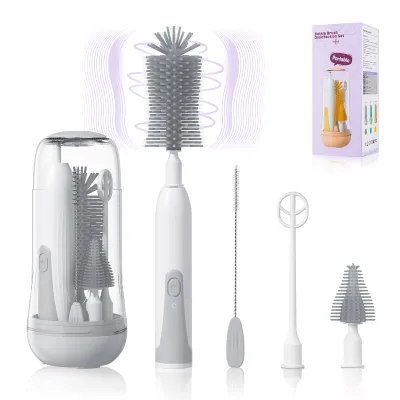
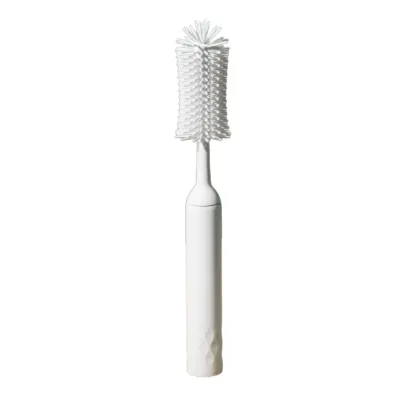
Prices are valid at publication and may change. Please refer to the product page for the latest price.
Polyphenylsulfone (PPSU) is a highly durable, medical-grade plastic distinguished by its natural honey-colored tint. It boasts a much higher heat tolerance than PP, often resisting temperatures up to 180°C, making it highly compatible with intense steam sterilization and hot-air drying cycles. However, even durable PPSU can experience surface wear over hundreds of wash cycles; look for washers that offer balanced water pressure to minimize physical friction on the inner walls of the bottles.
Glass bottles offer excellent chemical resistance, do not retain odors, and easily tolerate high-temperature sterilization. Their primary vulnerability inside an automated washer is mechanical damage. Because glass is heavy and fragile, the washer’s internal racks must feature secure, well-spaced prongs that prevent bottles from clinking against one another or tipping over under the force of high-pressure water jets. Chipped or cracked glass poses an immediate safety hazard, so physical stability within the machine is paramount.
Silicone is widely used for bottle nipples, collar seals, and flexible bottle bodies due to its soft texture and high heat resistance. However, silicone is naturally hydrophobic and prone to absorbing milk fats and odors, which can leave a sticky residue or persistent smell if not washed thoroughly. Furthermore, Singapore’s high ambient humidity makes thorough drying critical for silicone parts to prevent mold growth. Ensure your chosen washer features an effective, dedicated hot-air drying cycle that completely evaporates moisture from deep inside silicone nipples and valves.
Evaluating Washer Designs for Different Bottle Brands and Shapes
The physical shape of your baby bottles heavily influences how effectively a washer can clean their interiors. Wide-neck bottles, which are popular for mimicking natural breastfeeding, require wide, stable prongs within the washer rack to keep them upright. If the prongs are too narrow, wide-neck bottles may shift during the cycle, blocking the water spray from reaching the deep corners of the bottle base and leaving milk film behind.

Conversely, narrow-neck bottles require slim, elongated spray nozzles that can penetrate deep into the bottle cavity. If you use narrow-neck brands, check that the washer’s spray arms or dedicated jets are positioned to shoot water directly up into these tight openings. Without precise alignment, the water pressure may dissipate at the bottle neck, failing to adequately flush out the bottom of the bottle where milk solids tend to settle.
Anti-colic bottles present a unique cleaning challenge due to their complex internal vent systems, angled necks, or reservoir tubes. These intricate parts cannot simply be tossed onto a standard rack; they require targeted water flow to clean their narrow channels. When evaluating a milk bottle washer, look for models that include specialized accessory racks, dedicated small-jet attachments, or customizable baskets designed to hold narrow tubes and valves directly over water outlets.
Small accessories such as pacifiers, breast pump membranes, duckbill valves, and sippy cup spouts are easily dislodged by the powerful water circulation inside a washer. If these lightweight parts fly off the racks, they can fall into the machine’s filter, block the rotating spray arms, or land directly on the heating element, causing physical damage or melting. A high-quality washer should feature a secure, enclosed mesh basket or a dedicated top tray that keeps these tiny components safely contained throughout the wash and dry cycles.
Key Features to Compare When Shopping for a Milk Bottle Washer
When comparing different milk bottle washer models, the variety of wash cycles is a primary consideration. A machine with a single, high-heat cycle may not be versatile enough for a mixed inventory of delicate silicone and sturdy glass. Look for models that offer customizable settings, such as a heavy-duty cycle for dried-on milk residue, a gentle cycle for heat-sensitive plastics, and a quick rinse-and-dry option for rapid turnarounds. This flexibility helps preserve the lifespan of your feeding gear.
Sterilization and drying technologies also vary significantly across models. While some washers rely on high-temperature steam to sanitize, others utilize dry heat or UV sanitization. If you choose a steam-based model, ensure it is paired with a robust hot-air drying system that utilizes a HEPA filter. In Singapore’s humid climate, air-drying bottles on an open countertop can expose them to airborne dust and allergens; an enclosed, filtered drying cycle inside the machine ensures the bottles remain sterile until they are ready to be used.
Finally, consider the physical footprint, water consumption, and capacity of the washer. Space is often at a premium on Singapore kitchen countertops, so you must balance the external dimensions of the machine with its internal capacity. Some washers require direct plumbing to your kitchen tap and drain, while others feature manual-fill water tanks that offer more placement flexibility. Evaluate your daily bottle usage—if your baby goes through six to eight bottles a day, a larger-capacity machine that can wash a full day’s inventory in a single cycle will save significant time and water compared to running multiple smaller loads.
Decision Framework: Matching Your Feeding Routine to the Right Washer
To narrow down your choices, start by analyzing your daily feeding routine and bottle inventory. If your setup consists of a diverse mix of glass and PPSU bottles alongside complex breast pump parts, your best option is a high-capacity, multi-cycle washer. Look for a model that allows you to adjust temperature settings and features a highly customizable rack system. This ensures you can safely wash delicate silicone pump valves at lower temperatures while still thoroughly cleaning and drying your durable PPSU and glass bottles.
If your feeding routine relies almost exclusively on heat-resistant glass bottles and you prioritize speed, a compact, steam-focused washer is highly suitable. These models often feature shorter, high-heat sterilization cycles that rapidly clean glass without the need for prolonged, gentle drying phases. Because glass does not warp or degrade under intense heat, you can maximize the machine’s sanitizing capabilities for a quick turnaround between feeds.
However, an automated washer may not be the right choice for every household. If your primary bottle brand explicitly advises against machine washing, mechanical dishwashers, or exposure to high-heat drying for its critical structural components, you should avoid automated washers. In such cases, manual hand-washing with a gentle, baby-safe detergent followed by cold-water chemical sterilization or low-temperature UV sanitizing remains the safest path to preserve the integrity of your feeding equipment. Always prioritize the bottle manufacturer’s care instructions over the washer’s capabilities.
Maintenance and Safety Checks for Long-Term Use
To ensure your milk bottle washer operates hygienically and stands up to daily use, establishing a routine maintenance schedule is essential. The machine’s food trap and water filter must be removed and rinsed regularly to clear away trapped milk solids and debris. In Singapore’s warm climate, any organic residue left sitting in a damp filter can quickly become a breeding ground for mold and bacteria, leading to unpleasant odors and cross-contamination during subsequent wash cycles.
Limescale buildup is another common issue that can clog spray arms and reduce heating efficiency. Periodically run a descaling cycle using food-grade citric acid or a manufacturer-approved descaling solution, especially if you notice white mineral deposits on the heating plate or inside the water tank. Additionally, wipe down the rubber door seals and outer surfaces with a damp cloth to prevent grime from accumulating.
Regularly inspect your baby bottles and accessories for signs of wear and tear that may be accelerated by machine washing. Check PPSU bottles for deep cloudiness or surface scratches, inspect glass bottles for micro-cracks or chips along the rim, and test silicone nipples for stickiness, discoloration, or loss of elasticity. If you observe any of these conditions, replace the affected parts immediately to ensure your baby’s safety.
Lastly, monitor the washer’s performance during operation. If the machine displays persistent error codes, leaks water from the base, makes unusual grinding noises, or fails to reach the required drying temperature—leaving bottles damp at the end of a cycle—stop using it immediately. Unplug the unit and consult the manufacturer’s manual or contact a qualified technician to resolve the issue before resuming use.
Frequently Asked Questions (FAQ)
Can I wash breast pump parts and silicone accessories in a milk bottle washer?
Yes, you can wash breast pump parts and silicone accessories in a milk bottle washer, provided you verify the heat tolerance of each individual component first. Delicate parts like silicone membranes, duckbill valves, and thin tubing can easily warp or tear if exposed to excessive heat or high-pressure water jets. Always place these small, lightweight items inside a secure, enclosed accessory basket or a dedicated top rack to prevent them from being tossed around the machine during the wash cycle.
Do I still need to pre-rinse bottles before loading them into the washer?
Yes, performing a quick cold-water rinse immediately after a feeding is highly recommended before loading bottles into the washer. Rinsing helps remove the bulk of milk proteins and fats before they have a chance to dry and stick to the bottle walls. Skipping this step can lead to milk residue baking onto the surfaces during the heated wash and dry cycles, which compromises overall hygiene, clogs the machine’s filtration system, and reduces the cleaning effectiveness of the detergent.

Community discussion
Share your experience or ask a question. Comments are reviewed before publication.