
Organizing a baby’s nursery in Singapore requires a thoughtful balance of space optimization, climate awareness, and aesthetic appeal. With many families living in compact apartments, maximizing every square centimeter of floor and wall space is essential. A cute storage bag offers a practical yet visually delightful solution to manage the constant influx of baby essentials, from diapers and wipes to toys and outgrown clothing. However, selecting the right storage bags involves more than just picking an adorable pattern. Parents must consider how materials perform in a high-humidity environment, verify safety features to protect curious infants, and choose designs that seamlessly integrate with the room’s decor. By focusing on structural integrity, ease of cleaning, and secure closures, caregivers can establish an orderly, beautiful space that adapts as the child grows.
Defining Your Nursery Storage Needs
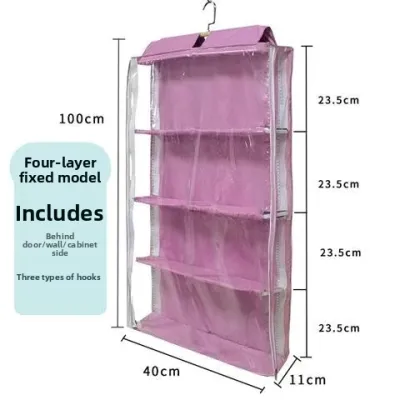
Before purchasing any storage solutions, it is essential to assess the physical layout of your nursery and identify the specific items that require organization. Start by evaluating the available floor, shelf, and wall space. In smaller rooms, freestanding floor bags can quickly crowd walkways, making wall-mounted hanging bags or under-crib storage boxes highly efficient alternatives. Conversely, if you have open shelving units, choosing storage bags that fit perfectly within those dimensions will create a clean, uniform look while keeping clutter out of sight.
Next, categorize your nursery items by how frequently you need to access them. Daily essentials—such as diapers, wipes, swaddles, and current-size onesies—should be stored in highly accessible, open-top bags or portable caddies near the changing table. Seasonal items, travel gear, and clothing that your baby has outgrown or has yet to grow into can be packed away in sealed, long-term storage bags and placed on high shelves or under the crib. This separation prevents daily-use zones from becoming overcrowded and simplifies your routine.
Products mentioned in this guide
Prices are valid at publication and may change. Please refer to the product page for the latest price.
Finally, consider the primary aesthetic theme of the nursery. Whether you have opted for a minimalist Scandinavian design, a pastel-toned whimsical theme, or a vibrant safari motif, your storage bags should complement the existing furniture and decor. Choosing bags with cohesive colors, textures, and patterns helps the storage blend into the room rather than standing out as an afterthought. This visual harmony contributes to a calming environment for both you and your baby.
Key Features to Look for in Cute Storage Bags
When evaluating cute storage bags, balancing visual appeal with functional design is key to long-term satisfaction. The closure mechanism is one of the most critical features to consider. Drawstring closures are excellent for quick cinching and keeping dust out, but they require careful management to ensure loose cords remain out of a child’s reach. Zipper closures offer a highly secure seal that protects textiles from dust and pests, though they may require two hands to operate. Open-top designs provide the easiest access for quick grabs during a diaper change, but they do not protect contents from dust and can look untidy if overfilled.

Structural integrity is another vital factor. Many fabric storage bags look perfectly plump in product photos but collapse into a floppy, frustrating heap when empty. Look for bags with reinforced bases, thick canvas construction, or integrated wire frames that allow them to stand upright independently. A self-standing bag makes it much easier to slide items in and out with one hand while you support your baby with the other.
Design elements should also support portability and ease of use. Sturdy, double-stitched handles made from cotton webbing or reinforced canvas are essential if you plan to carry toys or laundry between rooms. The patterns and colors should be printed with non-toxic, fade-resistant dyes that can withstand regular cleaning. Additionally, consider options with small, clear plastic windows or integrated label slots. These features allow you to identify the contents of a bag at a glance without having to unzip or unpack multiple containers.
Types of Storage Bags for Different Nursery Zones
Segmenting the nursery into distinct functional zones—such as play, sleeping, and changing areas—allows parents to match specific bag styles to the unique demands of each space.
Toy and Block Organizers
Toy storage bags must be exceptionally durable to withstand the enthusiastic handling of toddlers who love to pull, drag, and dump their belongings. Prioritize wide-mouthed bags made from heavy-duty cotton canvas, thick felt, or reinforced polyester that resist tearing and abrasion. A wide opening not only makes it easier for children to access their toys but also encourages them to participate in tidying up when playtime is over.
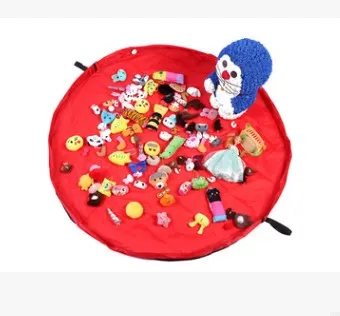
Consider bags that feature external pockets or internal dividers, which are incredibly useful for sorting smaller figurines, building blocks, or art supplies. Some innovative designs open up flat to serve as a play mat and then cinch shut with a drawstring for instant cleanup. When using these drawstring play mats, always ensure active caregiver supervision to manage the cords safely.
Clothing and Textile Storage
Storing baby clothes, swaddles, blankets, and extra crib sheets in Singapore requires careful consideration of the tropical climate. High humidity can quickly lead to musty odors or mold growth on natural fibers. For long-term textile storage, choose breathable fabric bags made from cotton canvas or high-quality non-woven materials that allow air circulation while keeping dust at bay.
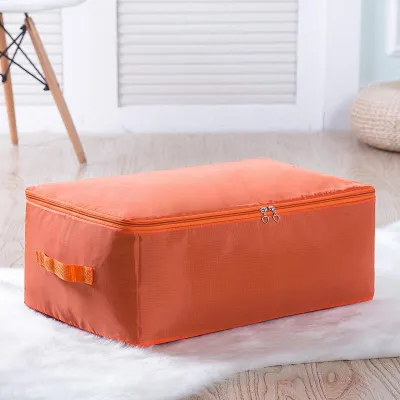
Ensure these bags feature secure, tight-zipper closures to protect delicate fabrics from dust, pests, and accidental spills. Under-crib storage bags with low profiles are particularly useful for this purpose, as they utilize otherwise wasted space while keeping seasonal blankets and outgrown clothing clean, dry, and organized.
Diaper and Wipe Caddies
A portable diaper caddy is an indispensable tool for keeping changing essentials organized and mobile. Whether you are moving from the nursery to the living room or traveling for a weekend getaway, a compact, structured bag keeps everything you need within arm’s reach. The caddy should be large enough to hold a generous supply of diapers, a full pack of wipes, diaper creams, and a folding changing mat.
Look for caddies with water-resistant or wipe-clean interiors, such as polyester or nylon linings, to handle inevitable cream spills or damp wipe packets. Removable modular dividers are also highly beneficial, allowing you to customize the interior compartments to fit different bottle sizes, lotions, and grooming accessories.
Material and Safety Considerations for Baby Environments
Creating a safe environment for your baby is the top priority when selecting any nursery accessory. Start by thoroughly checking product labels for material composition. Opt for natural, breathable fibers like organic cotton, linen, or heavy canvas, and avoid bags made from cheap plastics or those treated with harsh chemical flame retardants. If a new storage bag arrives with a strong chemical odor, wash it thoroughly or return it, as these fumes can irritate a baby’s sensitive respiratory system.
Decorative elements are what make these storage bags “cute,” but they can also present hidden hazards. Inspect any buttons, felt animals, beads, tassels, or detachable charms to ensure they are securely stitched to the body of the bag. Curious babies and toddlers will naturally pull, chew, and tug on these details, and loosely attached items can easily become choking hazards. If you cannot verify the security of these embellishments, it is safer to choose bags with printed or embroidered patterns instead.
Hygiene is another critical factor in a baby’s room. Storage bags will inevitably come into contact with spit-up, leaked milk, diaper creams, and sticky fingers. Before purchasing, check the manufacturer’s care instructions to ensure the bags can be easily cleaned. Machine-washable fabric bags are highly convenient, while structured bags with internal frames should at least allow for thorough spot-cleaning with a damp cloth and mild, baby-safe detergent.
Finally, pay close attention to potential strangulation risks. Long carrying straps, hanging cords, and drawstring closures must be managed with extreme care. Hanging storage bags should be mounted securely to walls or doors using sturdy hardware, completely out of reach from both the crib and the floor. Never leave drawstring bags open or accessible within a play area where an unsupervised infant could become entangled. Regularly inspect all mounting points, straps, and seams for signs of wear, and stop using any storage bag immediately if it shows signs of damage or instability.
How to Evaluate and Shortlist Your Final Picks
With countless options available on online marketplaces and in local nursery specialty stores, establishing a structured evaluation method will help you make the best decision for your home. Begin by creating a simple comparison matrix. On one axis, list your top candidates, and on the other, evaluate key criteria: capacity (measured in liters or dimensions), material durability (such as canvas weight or water resistance), safety features, and aesthetic compatibility with your nursery.
Budget is another important factor to integrate into your matrix. In Singapore, high-quality nursery storage bags generally range from S$15 for smaller caddies to S$60 or more for large, structured canvas bins. While it can be tempting to opt for the cheapest options, investing slightly more in durable materials with reinforced stitching often saves money in the long run, as these bags will survive multiple wash cycles and transition easily into toddler toy storage.
Next, spend time reviewing customer feedback on local ecommerce platforms and parenting forums. Pay close attention to reviews that mention how well the bags hold their shape over time, whether the colors fade after washing, and if there are any complaints regarding loose stitching or broken zippers. Real-world feedback is invaluable for identifying potential quality issues that are not apparent in polished product photos.
Lastly, verify the seller’s return policies and shipping dimensions before finalizing your purchase. Ensure the physical dimensions of the bags align perfectly with your shelving units, changing table shelves, or under-crib clearance. Checking the return policy is crucial, especially when shopping online, as it provides peace of mind in case the bags arrive with a strong chemical smell, damaged seams, or colors that differ significantly from the online images.
Frequently Asked Questions (FAQ)
How do I clean fabric storage bags used in the nursery?
Always consult the manufacturer’s care label first for specific washing temperatures and drying instructions. For unstructured canvas or cotton bags, machine washing on a gentle cycle with a mild, baby-safe detergent is typically suitable, followed by air drying to prevent shrinkage. If the storage bag features a rigid internal frame made of cardboard or metal wire, avoid machine washing entirely; instead, spot-clean the exterior and interior surfaces using a damp cloth and a small amount of mild soap. Ensure the bag is completely dry before refilling it to prevent mold growth in Singapore’s humid climate.
Are transparent storage bags better for nursery organization?
Transparent storage bags offer the distinct advantage of allowing you to identify contents instantly without opening multiple containers, which can save valuable time during busy moments. However, they lack the aesthetic benefit of opaque, patterned bags, which effectively hide visual clutter and contribute to a cohesive, beautifully styled nursery theme. Furthermore, clear plastic or vinyl materials are non-breathable, making them less suitable for long-term textile storage in humid environments, and they tend to show dust, fingerprints, and smudges more easily, requiring more frequent cleaning to maintain a tidy appearance.

Community discussion
Share your experience or ask a question. Comments are reviewed before publication.