
Protecting your child from sharp furniture edges requires choosing baby bumper strips that match your specific furniture materials, adhesive needs, and safety standards. There is no single universal option for every home; instead, the right choice depends on balancing impact absorption, material safety, and surface compatibility.
As babies transition from crawling to pulling themselves up, every sharp corner of a coffee table, TV console, or low shelf becomes a potential hazard. Baby-proofing your living space is not about creating a completely padded room, but rather about strategically mitigating high-risk impact zones.
To find the most suitable edge guards, you need to evaluate the physical properties of different materials, understand how adhesives interact with various furniture finishes, and verify safety certifications. This guide provides a structured framework to help you select, verify, and install the right bumper strips for your home.
Products mentioned in this guide
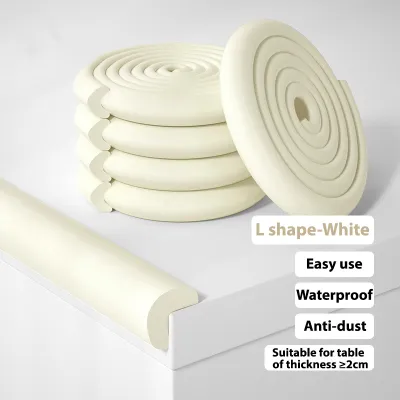
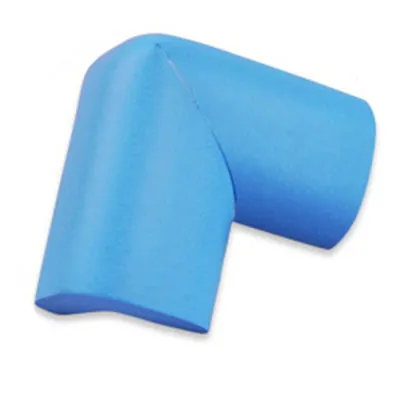
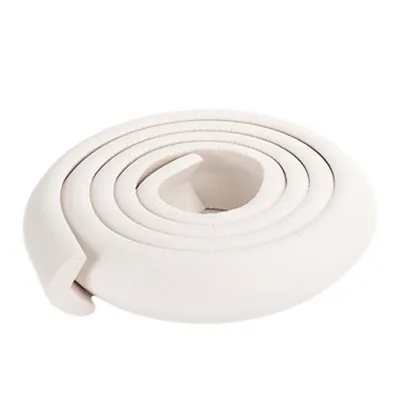
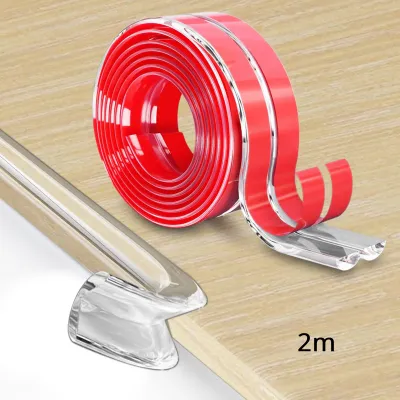
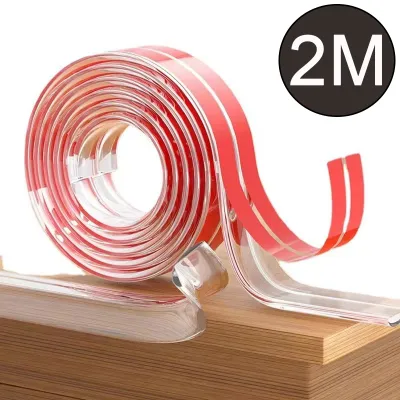
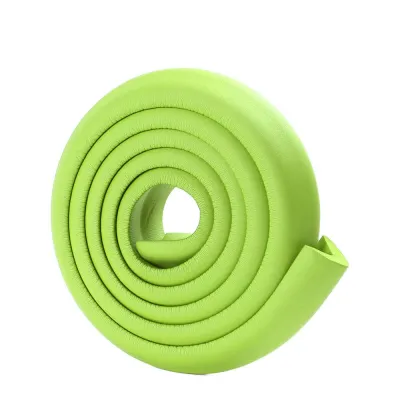
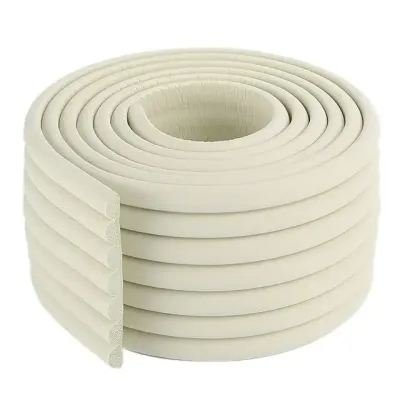
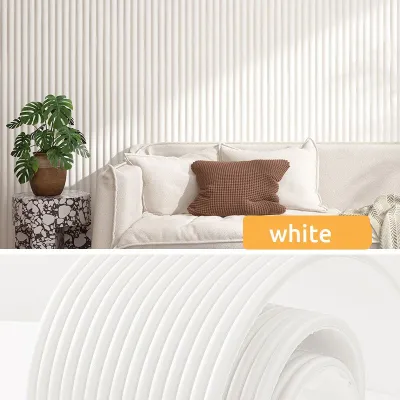
Prices are valid at publication and may change. Please refer to the product page for the latest price.
Core Criteria for Evaluating Baby Bumper Strips
Baby bumper strips are primarily manufactured from three materials: foam (often nitrile rubber or NBR), silicone, and PVC (polyvinyl chloride). Foam strips are highly cushioned, making them excellent for absorbing heavy impacts, though they tend to be bulkier and more visible. Silicone offers a semi-flexible, durable alternative that resists biting and tearing, while PVC is often used for slim, low-profile, or transparent guards.
The effectiveness of a bumper strip depends heavily on its thickness and density. High-density foam absorbs impact by dispersing the force across a wider surface area, which is crucial for low-lying furniture where a falling toddler might land with significant momentum. For higher surfaces or narrow edges, a thinner but firmer silicone strip may provide sufficient protection without interfering with the furniture’s usability.
A common challenge is finding an adhesive that is strong enough to resist a curious toddler’s pulling but gentle enough to be removed without stripping paint or wood varnish. Double-sided acrylic tapes are widely used for their strong initial bond, but they require careful application and removal. Some premium options feature pre-applied adhesive backing to simplify the installation process.
While safety is the primary goal, maintaining a cohesive home aesthetic is also important for many families. Transparent PVC or silicone strips are virtually invisible on glass or light-colored wood, making them popular for modern living rooms. Foam strips, on the other hand, are available in various solid colors like brown, black, grey, and cream, allowing you to match them to your wooden or metal furniture frames.
Beyond material and aesthetics, the installation process itself plays a critical role in how well a bumper strip performs. Properly prepping the furniture surface by cleaning it with rubbing alcohol to remove dust, oils, and polish is essential for the adhesive to form a secure bond. Without this step, even the highest-quality adhesive is likely to fail within a few days of application.
Furthermore, consider the long-term durability of the material under daily wear and tear. Foam strips can degrade over time when exposed to direct sunlight or frequent cleaning, whereas silicone and PVC are highly resistant to moisture and can be easily wiped down with standard household cleaners without losing their structural integrity.
Matching Edge Guards to Specific Furniture Hazards
Every room presents unique structural challenges when a child begins to explore. Low-lying coffee tables, media units, and bedside tables are often the first items that require attention due to their proximity to a falling child’s head height.

Choosing the right edge guard involves matching the shape of the strip to the profile of the furniture. Standard L-shaped profiles wrap around 90-degree edges, while flat strips are better suited for wider, rounded surfaces or vertical pillars.
Before purchasing any adhesive product, inspect the material of your furniture. Solid wood, wood veneer, glass, metal, and painted drywall all react differently to adhesives, and choosing the wrong combination can lead to either immediate peeling or permanent surface damage.
As your child grows, their fall trajectory and the height of the hazards they face will change. A crawling baby is primarily at risk from low baseboards and bottom shelves, while a cruising baby is at risk from coffee tables, and a walking toddler is at risk from dining table corners and kitchen countertops.
Additionally, consider the layout of your room and the traffic patterns within it. High-traffic pathways require more durable and securely attached bumper strips, as they are more likely to be bumped into by adults or brushed against by vacuum cleaners and pets during daily household activities.
Sharp Corners and Table Edges
Sharp corners on dining tables and low coffee tables represent concentrated impact zones where a fall can cause significant injury. Standard continuous rolls of bumper strips can be miter-cut to fit corners, but pre-molded corner guards often provide a more secure, seamless fit.
When selecting corner guards, measure the thickness of the tabletop to ensure the guard wraps completely around the edge. If a guard is too small, the adhesive backing will not have enough surface contact to hold; if it is too large, the overhang creates an easy handhold for a baby to pull it off.
Textured or porous wood surfaces present a challenge for standard adhesives. To ensure a secure bond on these materials, look for high-tack adhesives designed specifically for textured surfaces, and ensure the wood is thoroughly cleaned and dried before application.
Rounded corners also require careful consideration, as they do not accommodate standard 90-degree corner guards. For these surfaces, flexible, stretchable materials like silicone or soft PVC are necessary, as they can conform to the curve without puckering or lifting at the edges.
Some parents prefer to use contrasting colors for corner guards to help their child visually identify the sharp corner as a boundary. Others prefer matching colors to keep the room looking neat and to avoid drawing the child’s attention to the baby-proofing materials.
Glass and Delicate Surfaces
Glass coffee tables and shelves require specialized protection that does not compromise the structural integrity of the glass or look unsightly. Transparent silicone or clear PVC bumper strips are ideal here, as they blend seamlessly with the glass while providing a soft barrier.
High-end wood veneers, antique finishes, and painted surfaces are highly susceptible to damage from strong adhesives. When baby-proofing these items, consider using low-tack adhesives or alternative physical barriers, and always perform a spot test on an inconspicuous area first.
Clear bumper strips allow the natural beauty of your furniture to show through, reducing the visual clutter often associated with baby-proofing. These transparent options are also less likely to attract a baby’s attention, reducing the temptation to pull or chew on them.
Glass edges are often very thin, which means there is less surface area for the adhesive to grip. L-shaped guards designed specifically for thin glass shelves are necessary to prevent them from sliding off or being easily peeled away by curious fingers.
For highly valuable antique or heirloom furniture, physical barriers like playpens or temporary furniture covers are often a safer choice than applying any adhesive. Even “residue-free” tapes can pull up old finishes or cause discoloration over time due to chemical reactions with the wood stain.
Safety Standards and Pre-Purchase Verification
Because teething babies often chew on accessible surfaces, it is critical to verify that any bumper strip you purchase is free from harmful chemicals. Look for products explicitly labeled as non-toxic, BPA-free, lead-free, and phthalate-free on the manufacturer’s packaging.
Soft foam strips can be easily bitten or torn into small pieces by a teething child, presenting a serious choking hazard. Inspect the density and tear-resistance of the material, and regularly check installed strips for signs of wear, bite marks, or peeling edges.
Some foam bumper strips are treated with flame-retardant chemicals, which may introduce unwanted toxins into your home environment. Verify the manufacturer’s specifications to understand what chemical treatments have been applied, prioritizing mechanical safety and non-toxic compositions.
When shopping online, analyze user reviews specifically for mentions of adhesive failure, strong chemical odors, or peeling. A high rate of complaints about a chemical smell often indicates the use of low-grade plastics or adhesives that may not be suitable for close contact with infants.
While bumper strips are not always classified as toys, reputable brands voluntarily test their products against international safety standards. Look for indications of compliance with standards such as EN 71 (the European toy safety standard) or ASTM F963 to ensure the product meets rigorous safety benchmarks.
You can also perform a simple physical test on a sample of the material before installing it. Try to pinch or twist the strip; if the material tears easily or leaves a white crease (which can indicate cheap fillers in silicone), it may not be durable enough to withstand a teething baby.
Building Your Baby-Proofing Shopping Shortlist
When browsing online marketplaces or visiting physical baby stores, use specific filters to narrow down your options. Filter by material type (such as food-grade silicone or high-density NBR foam), total roll length, and verified non-toxic certifications to eliminate low-quality products.
Compare the value of purchasing bulk rolls of bumper strips versus specialized multi-packs that include both rolls and pre-molded corner guards. A standard multi-pack roll with corner guards typically ranges from S$15 to S$35, depending on the material density and total length, and a combination pack often provides the best value for a fully baby-proofed home.
Be cautious of product listings that lack detailed material specifications, use vague safety claims, or do not clearly state the type of adhesive included. Reliable manufacturers will openly share material compositions, dimensions, and installation instructions.
Before applying bumper strips to all your furniture, purchase a single roll or set to conduct a small-scale test. Apply a small piece of the strip to a hidden area of your furniture, leave it for 24 hours, and then remove it to check for adhesive strength and potential surface damage.
To avoid over-purchasing or running out of materials mid-installation, measure the total linear meters of edges in your home before buying. Create a detailed checklist of how many L-shaped corners, flat edges, and specialized guards you need for each room.
Keep in mind that some kits include the adhesive tape separately, requiring you to apply it to the strip yourself, while others come pre-taped. Pre-taped options save significant installation time but may offer less flexibility if you prefer to use a specific brand of delicate-surface tape.
Frequently Asked Questions (FAQ)
How do I remove bumper strip adhesive residue without damaging wood?
To remove stubborn adhesive residue from wooden furniture, start by warming the adhesive with a hair dryer on a low heat setting to soften the bond. Gently peel the strip away, then apply a small amount of mild dish soap mixed with warm water or a dedicated, wood-safe adhesive remover to a soft microfiber cloth.
Always test any cleaning agent or solvent on a hidden area of the furniture, such as the underside of a table leg, before applying it to highly visible surfaces. This ensures the solvent will not dissolve the varnish, paint, or wood stain.
If the residue remains stubborn, avoid using abrasive scrubbing pads or harsh chemicals like acetone, which can permanently ruin wood finishes. When in doubt, consult the furniture manufacturer’s care instructions or seek professional furniture restoration advice.
When is the right time to remove baby bumper strips from furniture?
The decision to remove edge guards should be based on your child’s physical development and spatial awareness rather than a specific age. Once your child is walking confidently, has developed good balance, and understands basic safety boundaries, you can begin transitioning away from bumper strips.
Rather than removing all the guards at once, start with lower-risk areas, such as low-lying shelves in less-frequented rooms. Keep the guards on high-risk, eye-level corners, such as the edges of dining tables or TV consoles, until your child has fully mastered navigating around them.
Keep an eye on the condition of the adhesive over time, as prolonged exposure to heat and humidity can cause the adhesive to degrade or bond permanently to the furniture finish. Periodically checking and replacing worn strips prevents difficult residue buildup and ensures continuous protection.

Community discussion
Share your experience or ask a question. Comments are reviewed before publication.