
Parents in Singapore seeking safe baby body shampoo refills must understand that the Health Sciences Authority (HSA) does not issue a physical “HSA-certified” seal or endorsement for cosmetic products. Instead, all cosmetic products, including baby bath washes, must be notified with the HSA before they can be legally sold in the local market. This notification system ensures that the importer or manufacturer has declared compliance with safety standards and ingredient restrictions.
To ensure daily safety for your infant, you must combine verifying this notification status with a careful review of the ingredient list, choosing reputable retail channels, and practicing strict hygiene during the refilling process. Because infant skin is highly sensitive and still developing, taking these verification steps is essential to protect your child from unnecessary chemical exposure and skin irritation.
Understanding HSA Regulations for Baby Bath Products
The HSA regulates cosmetics under the Health Products (Cosmetic Products – ASEAN Cosmetic Directive) Regulations. This framework means that instead of a pre-market approval process where the government tests every single bottle, the HSA uses a post-market surveillance and pre-market notification system. The local company responsible for placing the product on the Singapore market must submit a product notification to the HSA before retail sale.
Products mentioned in this guide
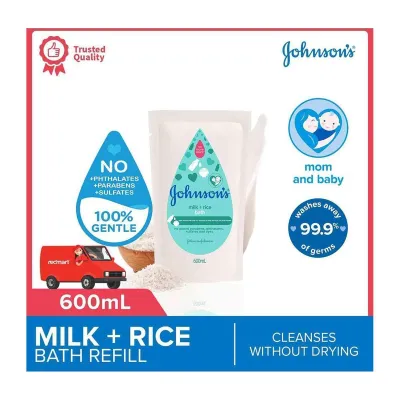
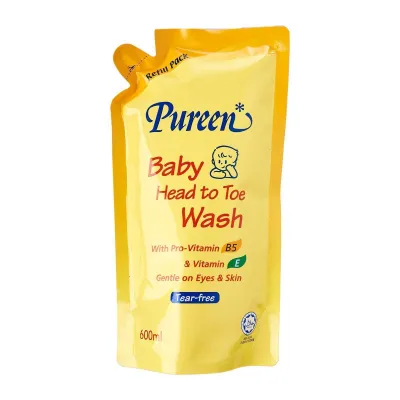
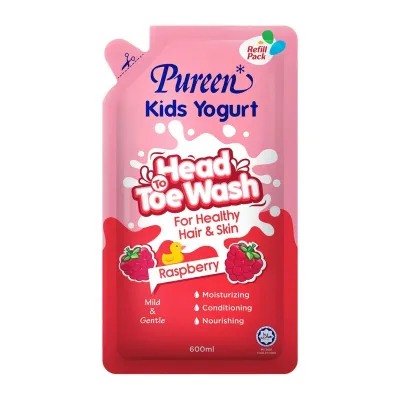
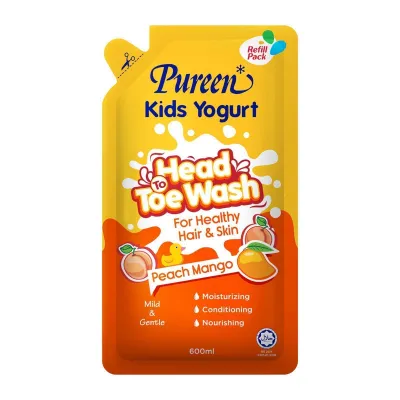
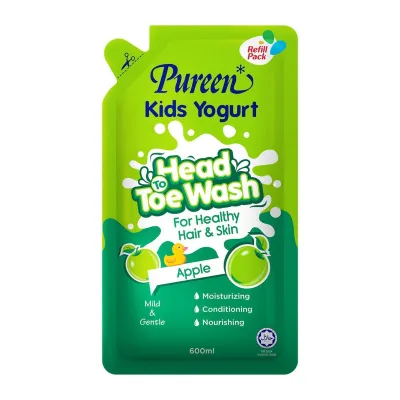
Prices are valid at publication and may change. Please refer to the product page for the latest price.
Parents can access the HSA’s public database online to verify a product’s status. By searching the product name or the company name on the HSA’s Class II Cosmetic Product Notification portal, you can verify if the baby body shampoo refill has been officially notified. If a product is not listed, it may be an unauthorized parallel import or an unregulated item that has bypassed local safety checks.
A notification indicates that the brand has declared its ingredients comply with the ASEAN Cosmetic Directive, which bans or restricts harmful substances. However, a notification is not an endorsement of efficacy or absolute safety. It is a regulatory baseline that confirms the product meets basic legal standards.
Infant skin is up to 30% thinner than adult skin, meaning it absorbs substances more readily and loses moisture faster. Therefore, even among notified products, parents must look for formulations specifically tailored to the delicate infant skin barrier. A general cosmetic notification does not guarantee that a formula is mild enough for newborns or babies with compromised skin conditions.
Key Selection Criteria for Baby Body Shampoo Refills
The skin barrier of a newborn or infant is highly sensitive and prone to dryness. When selecting a body shampoo refill, carefully read the ingredient deck rather than relying solely on front-of-pack marketing. Avoid harsh surfactants such as Sodium Lauryl Sulfate (SLS) and Sodium Laureth Sulfate (SLES), which can strip natural lipids and cause dryness or eczema flare-ups. Instead, look for mild, plant-derived cleansing agents like coco-glucoside, decyl glucoside, or sodium cocoyl glutamate.

Strong synthetic fragrances are a leading cause of contact dermatitis in young children. Opt for fragrance-free or naturally derived, hypoallergenic options to minimize the risk of skin sensitization. Preservatives are necessary to prevent bacterial growth in water-based products, but certain types should be avoided. Steer clear of parabens, methylisothiazolinone (MIT), and formaldehyde donors such as DMDM hydantoin, and look for safer, food-grade preservatives approved for sensitive skin.
Refill pouches are excellent for reducing plastic waste, but they present unique safety considerations. Inspect the packaging material to ensure it is durable, puncture-resistant, and features a secure, tamper-evident seal or spout. Spout pouches are highly recommended as they allow for a controlled, hygienic pour, minimizing the risk of spilling or exposing the liquid to airborne contaminants. Ensure the packaging indicates it is free from Bisphenol A (BPA) and other harmful plasticizers.
Always verify the manufacturer’s age recommendations on the refill pack before purchase. Some products are formulated specifically for newborns, while others are intended for toddlers with more resilient skin. Look for “tear-free” or “ophthalmologist-tested” claims, which indicate the formula is less likely to irritate the eyes during rinsing. However, always supervise bath time closely and prevent the product from directly entering the baby’s eyes or mouth.
Choosing Reliable Retailers and Verifying Authenticity
To guarantee that your baby body shampoo refill is genuine and officially notified with the HSA, purchase directly from authorized channels. These include official brand flagships on major ecommerce platforms, established local pharmacies, supermarkets, and specialized baby boutiques in Singapore. Avoid buying from unauthorized third-party sellers, parallel importers with unverified supply chains, or peer-to-peer marketplaces where storage conditions and product authenticity cannot be guaranteed.
When your refill pack arrives, perform a thorough physical check before opening it. Verify that the packaging is completely sealed with no signs of leakage, bloating, or tampering. Look for the batch number, manufacturing date, and expiry date printed clearly on the pouch. Most baby bath products have a shelf life of two to three years unopened, and a specific “period after opening” (PAO) symbol (represented by an open jar icon) indicating how many months the product remains safe after opening.
If you receive a refill pack that lacks clear labeling, has an expired date, or appears to have a compromised seal, do not use it on your baby. Contact the retailer immediately to request a replacement or refund. If you suspect the product is counterfeit or unregulated, you can report the details to the HSA’s health products regulation group to help protect other consumers in Singapore.
Hygiene and Storage Practices for Refill Packs
Transferring liquid from a refill pouch to an old bottle introduces a high risk of contamination if not done correctly. Before refilling, you must prepare the original pump bottle. Do not simply top up the remaining liquid, as this traps old product residue and bacteria at the bottom of the bottle, which can contaminate the fresh batch.
Empty the original bottle completely and wash the bottle and the pump mechanism thoroughly with warm, soapy water to remove all soapy residue. Rinse with clean water. To sanitize, rinse the interior with a small amount of isopropyl alcohol or use a baby bottle sterilizer if the plastic is rated to withstand high temperatures. Allow both the bottle and the pump to air-dry completely upside down on a clean paper towel. Any remaining moisture can dilute the preservatives in the new refill, creating a breeding ground for bacteria and mold.
Singapore’s year-round warm and humid climate provides ideal conditions for microbial growth. Store unopened refill packs in a cool, dry cupboard away from direct sunlight, steam, and heat sources. Avoid storing spare refills inside the bathroom, where humidity levels fluctuate constantly. Once a bottle is refilled, keep it in a well-ventilated area of the bathroom and ensure the pump mechanism is kept clean and free of dried soap buildup.
Frequently Asked Questions (FAQ)
Can I use adult body shampoo refills for my baby if they are HSA-notified?
No, you should not use adult body shampoo refills for infants, even if the products are officially notified with the HSA. Adult skin is thicker, less permeable, and produces more sebum than baby skin. Consequently, adult body washes are formulated with stronger surfactants, higher fragrance concentrations, and different pH levels designed to cleanse mature skin. Using these on an infant can severely disrupt their delicate skin barrier, leading to dryness, irritation, and an increased risk of developing eczema or allergic reactions. Always choose products specifically formulated, tested, and labeled for babies.
What should I do if my baby develops a rash after using a new refill?
If your baby develops a rash, redness, or signs of irritation after using a new body shampoo refill, stop using the product immediately. Gently rinse the baby’s skin with plain, lukewarm water to remove any remaining residue, and pat dry with a clean, soft towel. Avoid applying heavily fragranced lotions or self-prescribed medicated creams to the affected area. Monitor the skin closely. If the rash persists, worsens, spreads, or is accompanied by fever or distress, consult a pediatrician or qualified medical professional promptly. You can also report adverse skin reactions to the HSA through your healthcare provider or directly via the HSA website to assist with ongoing safety monitoring.

Community discussion
Share your experience or ask a question. Comments are reviewed before publication.