
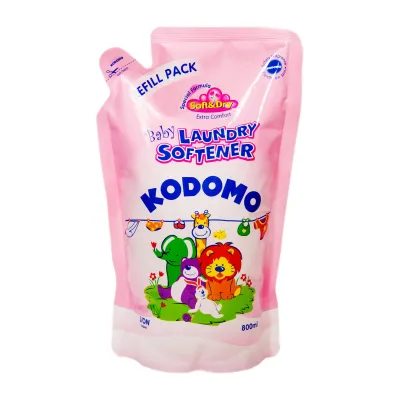
When choosing a baby laundry softener in Singapore, the safest brands are those formulated with gentle, plant-derived ingredients that are completely free from harsh synthetic fragrances, optical brighteners, and quaternary ammonium compounds (quats). Brands like Pigeon, Ecover Zero, Frosch Baby, Offspring, and Kodomo offer specialized formulations designed to protect an infant’s delicate skin barrier while maintaining fabric softness. Because a baby’s skin is significantly thinner and more permeable than adult skin, selecting a hypoallergenic, clean-rinsing formula is essential to prevent contact dermatitis, respiratory irritation, and musty odors during indoor drying.
Why Ingredient Safety Matters for Baby Clothes
To understand why specialized baby laundry softeners are necessary, one must first examine the physiological differences between infant and adult skin. A newborn’s skin barrier is highly delicate and still developing. The outer layer of the skin, known as the stratum corneum, is up to thirty percent thinner than that of an adult. This structural difference means that an infant’s skin is far more permeable, absorbing topically applied substances much more rapidly while losing moisture at a faster rate. Consequently, any chemical residue left on clothing fibers can easily penetrate the skin barrier, leading to irritation, dryness, or contact dermatitis.
Traditional fabric softeners are formulated to deposit a thin, lubricating chemical film over fabric fibers to make them feel smooth and reduce static cling. This film is typically composed of quaternary ammonium compounds, which are notorious skin irritants. For an adult, this thin chemical coating is generally harmless. For an infant, however, this residue can trap body heat and sweat against the skin, disrupting the natural thermoregulation process. In warm, humid environments, this trapped moisture frequently leads to heat rash, chafing, and localized skin inflammation.
Products mentioned in this guide
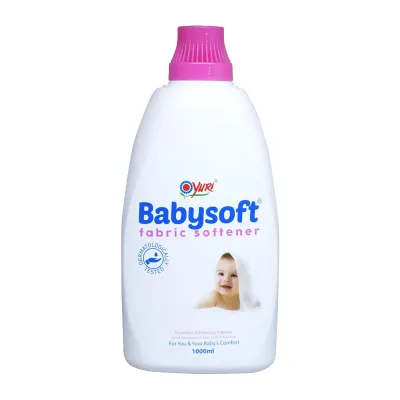
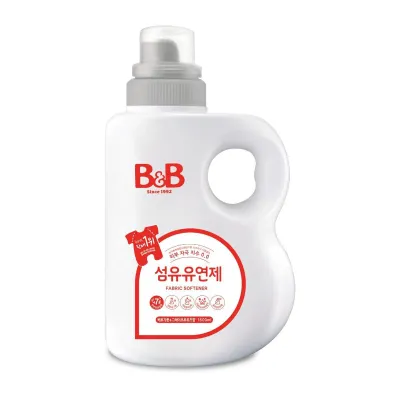
Prices are valid at publication and may change. Please refer to the product page for the latest price.
Furthermore, the respiratory system of an infant is highly sensitive to external triggers. Traditional laundry products often rely on heavy synthetic fragrances and volatile organic compounds to create a long-lasting scent. These concentrated chemical fragrances can easily cause sensory overload, nasal congestion, sneezing, or respiratory irritation in young babies. In infants with a family history of asthma or allergies, exposure to these strong synthetic scents can even trigger early respiratory distress. Choosing a dedicated baby fabric softener formulated with gentle, clean-rinsing ingredients is therefore a matter of protecting both your child’s skin integrity and respiratory health.
Ingredients to Look For and Avoid in Fabric Softeners
Evaluating the safety of a baby fabric softener requires a careful reading of the product label. Caregivers should look for formulations that prioritize plant-derived softening agents, such as those derived from rapeseed, coconut, or palm oil. These plant-based lipids naturally lubricate fabric fibers without leaving a heavy, synthetic residue. Additionally, look for products that carry verified third-party certifications, such as the OEKO-TEX Standard 100, Dermatest, or Ecocert. These independent seals indicate that the product has undergone rigorous testing to ensure it is free from harmful levels of toxic chemicals and is safe for sensitive skin.

Conversely, there are several high-risk ingredients that caregivers should actively avoid when selecting a baby laundry softener:
- Optical Brighteners: These chemical compounds are designed to remain on fabrics after washing to reflect light, making clothes appear whiter and brighter. They do not contribute to cleanliness but can cause severe contact dermatitis when they rub against a baby's delicate skin, especially when mixed with sweat.
- Quaternary Ammonium Compounds (Quats): Often listed as distearyldimonium chloride or methyl bis[ethyl ricinoleate] hydroxyethyl methyl sulfate, these active softening agents are known skin and respiratory sensitizers that can trigger eczema flare-ups.
- Phthalates: These chemicals are frequently used as solvents to help synthetic fragrances adhere to clothing fibers. Phthalates are recognized endocrine disruptors that can be absorbed through the skin or inhaled, posing potential long-term health risks.
- Synthetic Dyes: Added solely for aesthetic appeal, artificial colorants serve no functional purpose in fabric softeners and are common triggers for allergic skin reactions.
- Methylisothiazolinone (MI) and Methylchloroisothiazolinone (MCI): These powerful preservatives are used to prevent bacterial growth in liquid formulas but are among the most common contact allergens associated with eczema and skin rashes in children.
By learning to identify these key ingredients on product labels, caregivers can confidently select formulas that support their baby’s skin health rather than compromising it.
What to Consider When Buying Baby Laundry Softeners in Singapore
Living in Singapore introduces specific environmental challenges that directly affect how laundry is washed, dried, and maintained. The country’s year-round high humidity—often exceeding eighty percent—and frequent tropical downpours mean that many families dry their laundry indoors. In typical HDB flats or apartments, laundry is often hung in semi-enclosed service yards or indoor drying racks. When heavy, wax-like fabric softeners are used in these conditions, they trap moisture within the cotton fibers. This prolonged dampness creates an ideal breeding ground for environmental bacteria and mold, resulting in a persistent, musty “indoor-dried” odor.
The format of the fabric softener also plays a significant role in its suitability for local households. Liquid fabric softeners remain the most practical and widely available option in Singapore. However, they must be lightweight and highly water-soluble to ensure they rinse away cleanly during the washing machine’s rinse cycle. In-wash scent boosters, which consist of highly concentrated fragrance beads, should be entirely avoided for baby laundry. These products are engineered to deposit heavy, long-lasting chemical scents that are highly likely to irritate an infant’s sensitive respiratory tract and skin. Dryer sheets, while common in some Western countries, are less relevant for many Singaporean households that rely primarily on natural air-drying.
When sourcing baby fabric softeners in Singapore, authenticity and proper storage are critical. Caregivers should purchase these products from reputable local pharmacies, major supermarket chains, or official brand stores on established e-commerce platforms. Parallel imported products sold through unauthorized third-party merchants may not have been stored in temperature-controlled environments, which can cause plant-based formulations to degrade, separate, or lose their preservative efficacy. Always inspect the back label of the bottle to verify the details of the authorized local distributor, ensuring the product is genuine and safe for infant use.
Recommended Baby Laundry Softener Categories and Market Picks
To assist caregivers in making an informed purchase, baby fabric softeners available in Singapore can be categorized based on specific infant skin needs and household drying habits.
Best for Eczema-Prone or Highly Sensitive Skin
For infants diagnosed with atopic eczema, contact dermatitis, or extremely dry skin, the safest approach is to choose a completely fragrance-free fabric softener that contains zero essential oils or synthetic perfumes.
Pigeon Baby Laundry Softener (Gentle Formula)
- Key Ingredients: Formulated with ultra-mild, plant-derived softening agents that are free from artificial colorants, phosphates, and parabens.
- Use Case: Excellent for newborns and infants with highly sensitive skin, helping to restore a soft texture to cotton swaddles and onesies that have become stiff from repeated washing.
- Limitations: The completely fragrance-free version can sometimes be more difficult to find in smaller neighborhood retail shops compared to the lightly scented variant, often requiring online purchase or visits to larger baby specialty stores.
- Label Verification: Look for the "Dermatologically Tested" seal on the physical bottle to ensure it has passed skin compatibility trials.
Ecover Zero Fabric Softener
- Key Ingredients: Utilizes plant-based, biodegradable softening agents derived from rapeseed oil, containing absolutely zero fragrances, silicones, or colorants.
- Use Case: Ideal for babies with severe eczema or known fragrance allergies, as it is formulated specifically to minimize the risk of skin irritation.
- Limitations: This is a premium imported product, which makes it more expensive per wash than standard mass-market baby softeners. It is primarily stocked in organic specialty stores or premium supermarkets.
- Label Verification: Verify the "Allergy UK" seal of approval on the packaging, which confirms its suitability for chemically sensitive individuals.
Safety Reminder: Always perform a patch-test by washing a single garment and monitoring your baby’s skin for twenty-four hours before washing their entire wardrobe. If any skin redness or irritation occurs, discontinue use immediately and consult a pediatrician.
Best Plant-Based and Biodegradable Options
These options utilize renewable, plant-derived active ingredients rather than animal-derived fats or synthetic silicones, offering an environmentally responsible choice without compromising on fabric softness.
Frosch Baby Fabric Softener
- Key Ingredients: Features plant-based active ingredients enriched with natural chamomile extracts to gently condition fabric fibers. It is free from microplastics, animal-derived ingredients, and synthetic dyes.
- Use Case: Suitable for eco-conscious families who want a vegan-friendly, highly biodegradable formula that keeps baby bedding and clothes soft.
- Limitations: The natural chamomile extract imparts a very mild, distinct scent, which may not be preferred by parents seeking a completely odorless laundry routine.
- Label Verification: Check the packaging for the EU Ecolabel certification and the "Dermatologically Tested" stamp.
Offspring Gentle Laundry Softener
- Key Ingredients: Formulated with organic plant-derived ingredients, including organic aloe vera leaf juice, and naturally scented with a very low concentration of organic lavender oil.
- Use Case: Best for parents looking for a premium, organic-certified product that leaves a very subtle, calming scent on baby sleepwear and bedding.
- Limitations: Positioned in the premium price bracket, making it less economical for households doing multiple loads of laundry daily.
- Label Verification: Look for verified organic certifications, such as Ecocert, and the vegan-friendly logo on the bottle.
Best for Humid Climates and Indoor Drying
These lightweight, clean-rinsing formulas are designed to soften fabrics without leaving heavy, moisture-trapping residues that can cause musty odors when clothes are dried indoors.
Kodomo Baby Laundry Softener (Soft & Dry)
- Key Ingredients: Formulated with a specialized "Soft & Dry" plant-derived composition that softens fibers while preserving the fabric's natural water absorbency.
- Use Case: Highly effective for Singaporean households drying clothes indoors or in semi-enclosed HDB utility yards, as it prevents the buildup of damp, sour smells.
- Limitations: Contains a very mild, clean fragrance, which may not be suitable for infants with extreme chemical sensitivities or severe eczema.
- Label Verification: Look for the "Clinically Tested" mark and confirm the "Soft & Dry" designation on the label.
B&B (Baby & Basic) Fabric Softener
- Key Ingredients: Contains natural, plant-based ingredients combined with seven natural extracts (such as fermented soybean and willow bark) known for their natural antibacterial properties.
- Use Case: Excellent for indoor drying in humid conditions, as the natural extracts help suppress the growth of odor-causing bacteria on damp fabrics.
- Limitations: As an imported Korean brand, its retail price is higher than local mass-market brands, and physical availability may vary across smaller retail outlets.
- Label Verification: Inspect the back of the bottle to ensure it carries the official import label and is free from parabens and MI/MCI preservatives.
Safe Usage, Dosage, and Storage Guidelines
Using baby fabric softener safely requires strict adherence to proper dosage and application guidelines. Caregivers should always follow the manufacturer’s instructions on the packaging, keeping in mind that using less than the recommended amount is often sufficient to achieve the desired softness. Overusing fabric softener leads to a progressive buildup of chemical residues on the clothing fibers. This buildup not only reduces the fabric’s breathability but also acts as a magnet for sweat, dirt, and environmental allergens, which can exacerbate baby skin conditions.
There are certain fabrics where fabric softener should never be applied. Avoid using any fabric softener on infant sleepwear that has been treated with flame-resistant coatings, as the chemical ingredients in softeners can coat the fibers and significantly reduce their flame-retardant properties. Similarly, do not use fabric softeners on microfiber cloths, cloth diapers, or reusable breast pads. The softening agents will clog the micro-pores of these materials, drastically reducing their absorbency and leading to leaks or moisture retention.
For safety, all laundry detergents and softeners must be stored in their original, clearly labeled containers with the caps tightly secured. Store these bottles on high shelves or in locked cabinets completely out of the reach and sight of infants and toddlers, who are naturally curious and may mistake colorful liquids for drinks. In the event of accidental ingestion or eye contact, immediately flush the affected area with clean water and contact local emergency medical services or a pediatric emergency department for professional guidance.
Frequently Asked Questions (FAQ)
Do I really need to use fabric softener on baby clothes?
Fabric softener is entirely optional and is not a necessary step in keeping baby clothes clean or sanitary. Its primary purposes are to improve the tactile feel of fabrics and reduce static cling. If your baby has highly sensitive skin or if you are washing highly absorbent items like cloth diapers, burp cloths, and bath towels, skipping fabric softener completely is often the safest and most practical choice.
Can I use regular fabric softener if I double-rinse the clothes?
No, using regular adult fabric softener is not recommended for baby clothes, even if you run a double-rinse cycle. Regular softeners are formulated with heavy synthetic fragrances, optical brighteners, and strong chemical softening agents designed to resist rinsing out so they can remain on the fabric fibers. A double-rinse cycle will not fully remove these stubborn residues, which can continue to rub against your baby’s skin and trigger irritation or respiratory discomfort. Dedicated baby fabric softeners are engineered to rinse away much more cleanly while utilizing significantly gentler, hypoallergenic ingredients.

Community discussion
Share your experience or ask a question. Comments are reviewed before publication.