
Finding a reliable binder for tummy support is a common priority for expectant and new mothers in Singapore. Whether you are looking to alleviate the physical strain of a growing baby bump or seeking structural support to aid your abdominal recovery after childbirth, choosing the right garment is essential. Because your body undergoes rapid anatomical changes during these stages, a one-size-fits-all approach does not work.
Furthermore, Singapore’s tropical climate, characterized by high temperatures and humidity, demands careful attention to material breathability to prevent skin irritation. Rather than relying on unverified lists of the “best” brands, finding the right support requires understanding your body’s specific needs, evaluating key design features, and knowing how to safely integrate a binder into your daily routine.
Understanding Your Needs: Pregnancy vs. Postpartum Support
To make an informed decision, it is crucial to understand that pregnancy support and postpartum recovery require entirely different mechanical designs. A pregnancy binder, often referred to as a maternity support belt or belly band, is engineered to provide gentle, upward lift. As your pregnancy progresses, the forward shift in your center of gravity places significant strain on your lower back, hip joints, and pelvic girdle.
Products mentioned in this guide
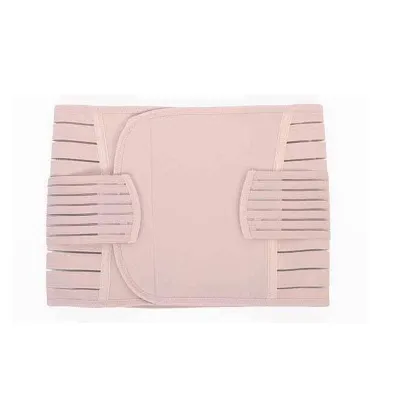
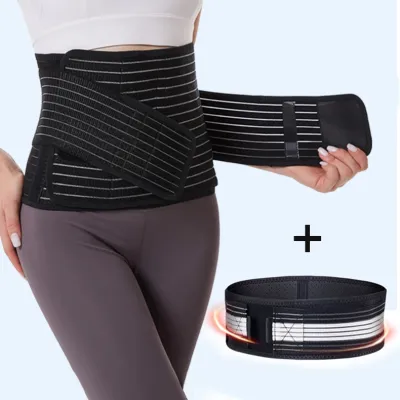
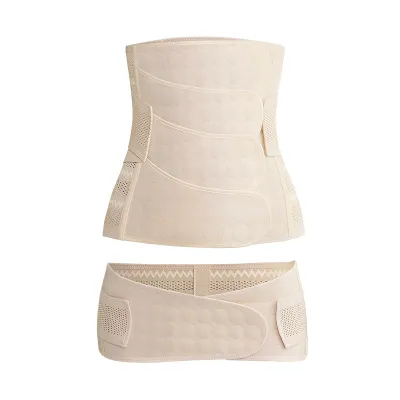
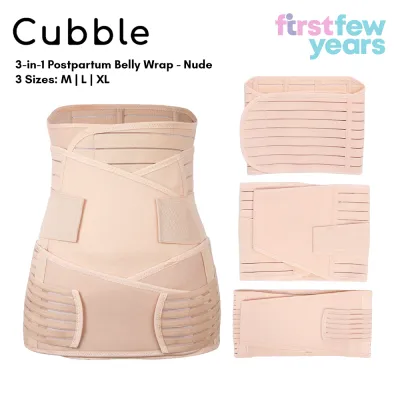
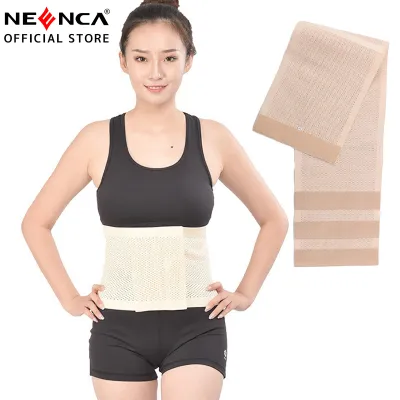
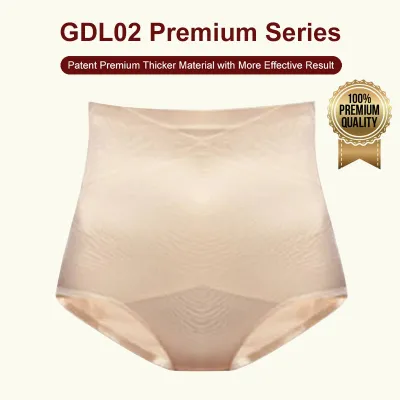
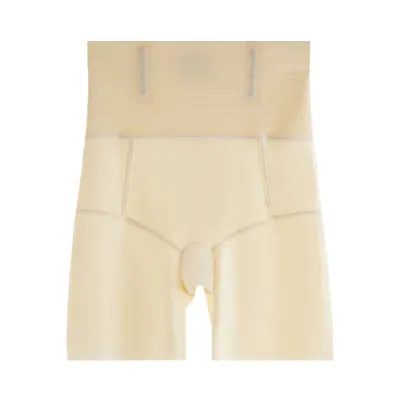
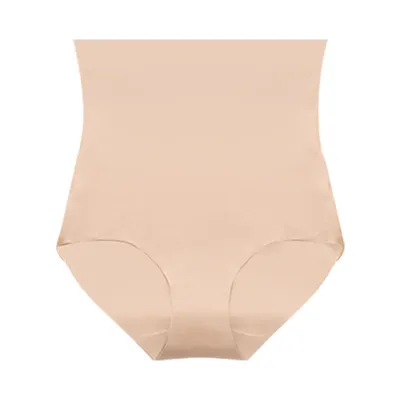
Prices are valid at publication and may change. Please refer to the product page for the latest price.
A prenatal band sits low under the abdomen, acting as an extra set of supportive ligaments to cradle the bump and redistribute its weight across your hips and shoulders. The primary goal here is pressure relief and postural support, not compression. The fabric over the baby bump itself is typically highly elastic and non-restrictive to ensure the baby has ample room to move and grow.
In contrast, a postpartum tummy binder is designed for targeted, circumferential compression. After delivery, your abdominal wall is stretched, your core muscles are weakened, and your internal organs are gradually shifting back to their pre-pregnancy positions. A postpartum binder wraps snugly around your entire midsection, from just below the bust to the hips.
This compression provides external stability to your abdominal muscles, which is particularly helpful if you are experiencing diastasis recti or recovering from a Cesarean section. By supporting the abdominal wall, the binder helps you move more comfortably, stand with better posture, and perform daily caregiving tasks with less physical strain.
Using these garments interchangeably can lead to discomfort or even health risks. Wearing a highly compressive postpartum binder during pregnancy is extremely unsafe, as it can restrict blood flow to the uterus, compress the developing fetus, and interfere with normal abdominal expansion. Conversely, wearing a light, lifting pregnancy band after childbirth will not provide the structured, firm compression required to stabilize your core and support your lower back during recovery. Always check the manufacturer’s labels and product descriptions to ensure the garment is explicitly designed and tested for your current physiological stage.
Key Features to Evaluate When Choosing a Tummy Binder
When evaluating different brands of binders for tummy support, focusing on specific physical and material attributes will help you find a product that is both comfortable and effective.

Material and Breathability
In Singapore’s warm and humid climate, fabric selection is paramount. Wearing a thick, non-breathable wrap can quickly lead to excessive sweating, heat rash, and skin chafing, especially along the waistline and under the bust. Look for binders constructed from lightweight, moisture-wicking, and hypoallergenic fabrics.
Cotton-blend elastics, bamboo-derived viscose, and garments featuring open-weave mesh panels are common options. These materials allow air to circulate, helping to keep your skin dry and cool throughout the day. If you have sensitive skin, verify if the brand uses certified fabrics, such as OEKO-TEX, to ensure they are free from harmful chemical substances.
Adjustability and Closure Types
Your body shape and size will change continuously, making adjustability a key feature to inspect.
- Velcro Closures: Binders with wide Velcro panels offer a high level of customization. They allow you to easily adjust the tightness of the wrap as your postpartum swelling decreases or as your pregnancy bump grows. Look for high-quality, micro-hook Velcro that fastens securely without scratching your skin or snagging your clothing.
- Hook-and-Eye Closures: Often found on more structured corsets or girdles, these provide secure, incremental adjustments. However, they can be tedious to fasten, particularly in the early postpartum days when your mobility may be limited.
- Pull-On Styles: These seamless bands are discreet under clothing and have no hardware to irritate the skin. However, they offer limited adjustability and may stretch out over time, making them less suitable for customized compression.
Structural Support and Boning
A common complaint with tummy binders is that they roll down from the top or bunch up around the waist when you sit. To prevent this, look for binders that incorporate flexible structural support. This is often achieved through light, medical-grade plastic or flexible steel boning sewn into the sides or back of the garment.
These stays help the binder maintain its vertical shape, ensuring even pressure distribution across your torso. The boning should be well-padded and flexible enough to bend with your body, providing support without digging into your ribs or restricting your ability to breathe deeply and digest food comfortably.
Evaluating Tummy Binder Brands and Retailers in Singapore
Navigating the local market to find a high-quality binder for tummy support requires a systematic approach to research and purchasing. Singapore offers a variety of retail channels where you can source these garments, each with its own advantages.
Physical retail locations, such as maternity specialty boutiques and major pharmacy chains, are excellent places to start. Visiting a physical store allows you to feel the weight and texture of the fabrics, inspect the strength of the closures, and assess the flexibility of the boning. Some specialty maternity stores also have trained staff who can assist you with measurements and recommend specific styles based on your body shape and support needs.
If you prefer the convenience of online shopping, brand official stores and reputable online marketplaces provide access to a wide range of local and international brands. When shopping online, it is crucial to verify the credibility of the brand and the seller. Look for listings that provide transparent material disclosures, detailed product specifications, and comprehensive sizing charts.
Because sizing standards vary significantly between brands—some using pre-pregnancy dress sizes and others requiring exact waist or hip measurements—always measure yourself carefully using a soft tape measure rather than guessing your size.
Additionally, review the seller’s customer service accessibility and return policies. Since your body shape can change unpredictably, having the option to exchange an unopened or tried-on garment for a different size is highly valuable. When reading user reviews on online marketplaces, look for detailed, verified-purchase feedback.
Focus on comments regarding the binder’s durability after washing, how well it stays in place during daily movements, and whether the fabric is comfortable against the skin in Singapore’s climate. Be cautious of reviews that make exaggerated medical claims, promise rapid weight loss, or guarantee instant waist reduction, as these do not reflect the true, supportive purpose of a maternity binder.
Safety Guidelines, Proper Fit, and When to Stop Use
While a binder for tummy support can provide significant comfort and stability, safety must always be your top priority. Understanding how to fit the garment correctly and recognizing when to stop using it are essential for preventing injury and supporting your body’s natural healing process.
A properly fitted binder should feel supportive and secure, similar to a firm hug. It should never cause pain, restrict your breathing, or make it difficult to swallow or digest food. Crucially, the binder must not create a downward pushing sensation on your pelvic floor. If you feel pressure pushing down toward your pelvic area, the binder is either too tight, positioned too high, or wrapped in a way that displaces abdominal pressure downward rather than supporting it upward and inward.
You should remove the binder immediately if you experience any of the following warning signs:
- Numbness or tingling in your legs, hips, or abdomen
- Increased swelling in your legs or feet
- Shortness of breath or difficulty taking deep, diaphragmatic breaths
- Skin irritation, redness, itching, or rashes along the contact areas
- Sharp pain or localized discomfort
- An increase in pelvic pressure or urinary incontinence
Before incorporating a tummy binder into your prenatal or postpartum routine, it is highly recommended to consult your obstetrician, midwife, or a qualified women’s health physiotherapist. This is particularly important if you have had a Cesarean delivery, as compression garments must not interfere with your incision’s healing process or cause friction against the wound.
Professional guidance is also essential if you are managing diastasis recti or pelvic floor dysfunction. A physiotherapist can assess your core strength and guide you on how to use the binder as a temporary supportive tool while actively working on exercises to rebuild your natural muscle strength, ensuring you do not become overly reliant on the garment.
Frequently Asked Questions (FAQ)
Can I wear a tummy binder while sleeping?
Generally, it is not recommended to wear a tummy binder while sleeping. During sleep, your body needs to rest, recover, and breathe deeply without any external restriction. Continuous, 24-hour compression can impede blood circulation, restrict natural diaphragmatic movement, and prevent your core muscles from engaging and rebuilding their own strength.
Unless your doctor or physical therapist has specifically advised you to wear a light, supportive wrap overnight for a specific medical reason, it is best to remove the binder before going to bed. Always refer to the manufacturer’s instructions, as some brands design ultra-light, seamless bands for nighttime wear, but professional medical advice should always take precedence.
How do I clean and maintain my maternity binder?
Proper care is essential to maintain both the hygiene of the binder and the elasticity of its technical fabrics. Because the binder is worn close to the body, it will absorb sweat and skin oils, requiring regular washing. To preserve the elastic fibers and structural boning, hand-washing in cool water with a mild, hypoallergenic detergent is highly recommended.
Avoid using bleach, fabric softeners, or harsh chemical stain removers, as these can break down the elastane and damage the fabric. If you choose to use a washing machine, place the binder inside a mesh laundry bag, ensure all Velcro closures are securely fastened to prevent snagging, and select a gentle, cold-water cycle.
Always air-dry the binder flat in a well-ventilated, shaded area. Never put the garment in a tumble dryer or expose it to direct heat, as high temperatures will warp the structural stays and permanently ruin the fabric’s stretch and recovery properties.

Community discussion
Share your experience or ask a question. Comments are reviewed before publication.