
When baby-proofing a home in Singapore, finding the right corner guards involves looking beyond marketing buzzwords to evaluate material safety, adhesive durability under local climate conditions, and impact absorption. Because active toddlers frequently bump into low coffee tables, TV consoles, and dining sets, the most reliable brands are those that provide transparent material specifications, certified non-toxic compositions, and high-grade adhesives that withstand high humidity. Rather than focusing on a single universal brand, parents should select guards based on how well their specific materials and adhesive properties match the household’s furniture surfaces.
Selecting the appropriate protective gear requires a systematic approach to evaluating product specifications. By understanding what makes a corner guard effective, you can avoid common pitfalls such as adhesive failure, material degradation, or purchasing products that contain harmful chemical additives. This guide outlines the essential criteria for assessing corner guard brands, matching materials to your specific furniture, and ensuring a secure, long-lasting installation.
What to Look for When Choosing a Corner Guard Brand
Establishing a baseline for comparing different brands is the first step toward securing your home. The primary purpose of a corner guard is to cushion impacts, but it must do so without introducing new hazards to your child’s environment. Because infants and toddlers often explore their surroundings with their mouths, material safety is a paramount consideration when evaluating any baby-proofing brand.
Products mentioned in this guide
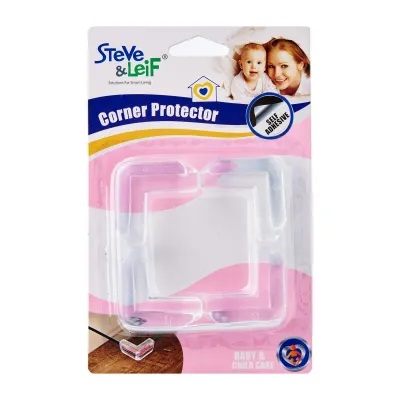
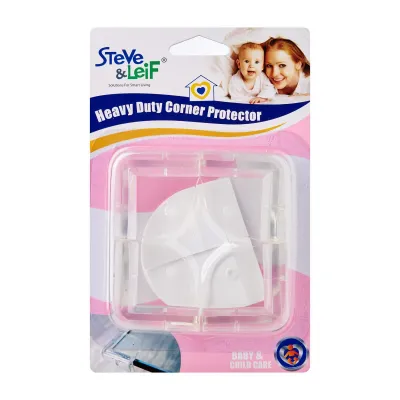
Prices are valid at publication and may change. Please refer to the product page for the latest price.
When reviewing product packaging or online listings, look for explicit material safety indicators. Reliable brands will clearly state that their products are free from bisphenol A (BPA), phthalates, heavy metals, and toxic flame retardants. You should verify whether the brand complies with recognized international toy safety standards, which ensure that the materials are safe even if a child attempts to chew on them.
Adhesive quality is another critical factor that separates reputable brands from low-quality alternatives. The adhesive must be strong enough to resist the persistent pulling of a toddler, yet formulated to release without stripping paint, varnish, or wood veneer when it is eventually removed. High-quality brands often specify the type of adhesive tape included—such as premium acrylic double-sided tape—and provide clear compatibility guidelines for various furniture finishes, including painted wood, glass, metal, and plastic laminates.
Shock absorption capability determines how well a guard protects your child during a fall. For foam-based guards, look for brands that specify high-density, closed-cell foam, which offers superior impact dispersion by compressing under force without bottoming out. For silicone or plastic guards, look for structural designs that incorporate air pockets, honeycomb patterns, or extra thickness at the apex of the corner to cushion sharp impacts effectively.
Finally, brand transparency is a strong indicator of reliability. Reputable manufacturers provide comprehensive product dimensions, clear installation instructions, and accessible customer support. They do not hide behind vague safety claims, but instead offer detailed specifications regarding material density, thickness, and adhesive performance, allowing you to make an informed decision based on verifiable data.
Matching Corner Guard Materials to Your Furniture
Different furniture pieces in your home present unique safety challenges, requiring you to match the corner guard material to the specific item. Silicone corner guards are highly favored for their durability, bite resistance, and aesthetic discretion. Because they are often semi-transparent or clear, they blend seamlessly with modern glass coffee tables, metal frames, and minimalist wooden furniture, preserving your home’s interior design while providing essential protection.

Silicone is also highly resilient and does not crumble or tear when subjected to repeated impacts or toddler chewing. However, because silicone is relatively firm, it relies heavily on its structural thickness and internal air chambers to disperse force. It is highly suitable for sharp, distinct corners but may not offer the extensive edge-to-edge coverage required for long, sharp borders on large dining tables.
Foam guards, typically made from high-density nitrile rubber (NBR), provide the maximum physical cushioning available. These guards are highly compressible, making them the ideal choice for heavy, solid wood furniture, low TV consoles, and bed frames where a high-velocity impact is more likely to occur. The soft, yielding texture of high-density foam absorbs the energy of a fall exceptionally well, significantly reducing the risk of bruising or serious injury.
Despite their superior cushioning, foam guards have distinct trade-offs. They are highly visible and can alter the appearance of your furniture, which some parents find aesthetically unappealing. Additionally, low-density foam can be easily torn or bitten apart by curious toddlers, presenting a potential choking hazard if the material quality is substandard. Therefore, when choosing foam, verifying a high-density rating is essential for both safety and longevity.
Polyvinyl chloride (PVC) and rubber options offer a middle ground in terms of flexibility and cost-effectiveness. Clear PVC guards are widely available and provide a low-profile protective barrier. However, PVC can be stiffer than silicone and may degrade or become brittle over time, particularly when exposed to direct sunlight or fluctuating indoor temperatures. In Singapore’s warm and humid climate, low-grade PVC adhesives can sometimes break down, leaving a sticky, difficult-to-clean residue on your furniture.
How to Verify Safety Claims and Read E-Commerce Reviews
Navigating online marketplaces requires a critical eye, as many listings feature exaggerated safety claims. To protect your household, you must learn to verify these assertions independently. Look for brands that upload high-resolution images of their safety testing certificates or compliance reports from independent testing laboratories rather than relying on generic graphic badges that claim absolute safety.
When reading customer reviews on local e-commerce platforms, filter for feedback that specifically addresses long-term durability and baby interaction. Pay close attention to reviews from parents whose children are in the active pulling and chewing phase. If multiple reviews mention that a toddler easily peeled the guard off within a few days, it indicates that the included adhesive is insufficient for active households.
Look for recurring complaints regarding strong chemical odors or off-gassing upon opening the product packaging. A persistent, pungent smell often indicates the presence of volatile organic compounds (VOCs) or cheap plasticizers, which are undesirable in products meant for close contact with infants. Reliable brands typically produce guards that are virtually odorless or lose any manufacturing scent within a few hours of unpacking.
Evaluate how the brand handles customer support and product issues. Brands that offer clear warranties, responsive customer service, and replacement adhesive strips demonstrate a commitment to product quality and customer satisfaction. If a listing has numerous unresolved complaints about missing parts, dried-out adhesive, or poor fit, it is best to consider alternative options that offer better consumer protection.
Ensuring Secure Installation and Safe Removal
Even the highest-quality corner guard will fail if it is not installed correctly. Proper surface preparation is the most critical step in ensuring a secure bond. Before applying the adhesive, clean the furniture surface thoroughly to remove dust, household oils, fingerprints, and furniture polish. A mild soap solution or rubbing alcohol is generally effective, but always ensure the surface is completely dry before proceeding, as moisture will ruin the adhesive bond.
Once the surface is clean, apply the adhesive tape to the guard, press it firmly onto the furniture corner, and hold it in place with steady pressure for at least thirty seconds. This pressure-sensitive adhesive requires physical force to activate the bond fully. After installation, it is crucial to let the adhesive cure undisturbed. Most high-quality adhesives require a full 24 hours to reach their maximum bonding strength, so keep your child away from the protected area during this curing window.
Establish a routine inspection schedule to check the condition of all installed corner guards. Over time, dust accumulation, humidity, and toddler tugging can cause the edges of the guards to peel. A partially detached guard not only loses its protective capability but also becomes an enticing target for a child to pull on, creating a choking hazard if a piece of foam or plastic is torn off. Replace any worn, loose, or damaged guards immediately.
When the time comes to remove the corner guards, doing so improperly can damage your furniture’s finish, especially on painted or veneered surfaces. To minimize this risk, use a hair dryer on a low, warm setting to gently heat the guard and soften the underlying adhesive. Slowly and carefully peel the guard back from one edge, applying heat continuously as you lift. Any remaining adhesive residue can be removed using a mild household solvent, such as eucalyptus oil or rubbing alcohol, after spot-testing a hidden area of the furniture to ensure it does not cause discoloration.
Frequently Asked Questions (FAQ)
Are transparent silicone guards as protective as thick foam ones?
Transparent silicone guards and thick foam guards protect children using different physical mechanisms. Dense silicone disperses the force of an impact across its structural shape, making it highly effective for sharp corners on glass or metal tables where a low-profile, discreet guard is preferred. However, silicone is firmer and does not compress as easily as foam.
Thick foam guards absorb shock by compressing under pressure, which provides a softer landing during high-velocity impacts. This makes foam strictly necessary for heavy, sharp-edged wooden furniture in active play areas where a toddler is likely to fall with significant force. When choosing between them, always check the manufacturer’s specified thickness and density ratings to ensure the guard matches the potential impact risk of the specific location.
How can I safely remove adhesive residue left by corner guards?
To remove stubborn adhesive residue without damaging your furniture, start by applying a small amount of a gentle, household-safe solvent such as rubbing alcohol, eucalyptus oil, or a specialized adhesive remover. It is essential to spot-test the solvent on an inconspicuous, hidden area of the furniture first to ensure it does not strip the paint, varnish, or wood stain.
Once the solvent has softened the residue, gently rub the area with a clean microfiber cloth or use a soft plastic scraper, such as an old credit card, to lift the adhesive away. Avoid using metal blades or abrasive scrubbing pads, which can easily scratch the furniture surface. If you are dealing with delicate, antique, or high-end wood finishes, consult the furniture manufacturer’s care instructions before applying any chemical treatments to avoid voiding warranties or causing permanent damage.

Community discussion
Share your experience or ask a question. Comments are reviewed before publication.