
When your little one transitions from crawling to taking those first tentative steps, your home suddenly presents a landscape of sharp corners and hard edges. Finding a reliable baby bumper or edge guard brand in Singapore requires balancing effective impact protection with the practical realities of local homes, such as high humidity and diverse furniture materials. While many brands claim to offer the ultimate safety solution, the right choice depends on verifying material density, adhesive durability, and specific design profiles that suit your living space. By focusing on verifiable manufacturer specifications and proper installation practices, you can secure your home effectively while preserving your furniture.
How to Evaluate Baby Bumper and Edge Guard Brands
Evaluating the quality of a baby bumper brand starts with a close look at the material composition. High-quality foam, such as Nitrile Butadiene Rubber (NBR), and premium silicone are the two primary materials used by reputable manufacturers. When assessing foam bumpers, look for high-density options that offer firm resistance when squeezed; low-density foam may bottom out upon impact, failing to cushion a fall sufficiently. Silicone bumpers, on the other hand, provide a slimmer profile and excellent durability, making them highly resistant to biting or tearing by curious toddlers.
The adhesive system is another critical factor that separates premium brands from substandard alternatives. A bumper is only as reliable as the tape holding it in place, especially in Singapore’s warm and humid climate, which can weaken low-grade glues. Look for brands that partner with established adhesive manufacturers or supply heavy-duty, double-sided acrylic tape. The ideal adhesive must form a strong, long-lasting bond with the furniture surface while remaining cleanable and removable without stripping away delicate wood veneers, paint, or lacquer finishes.
Products mentioned in this guide
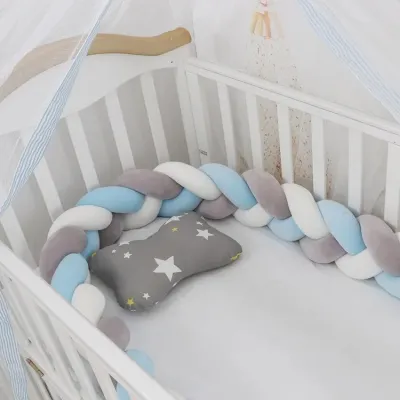
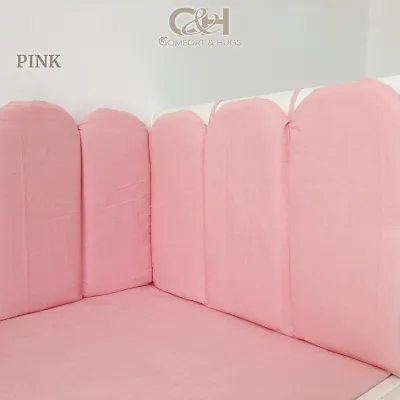
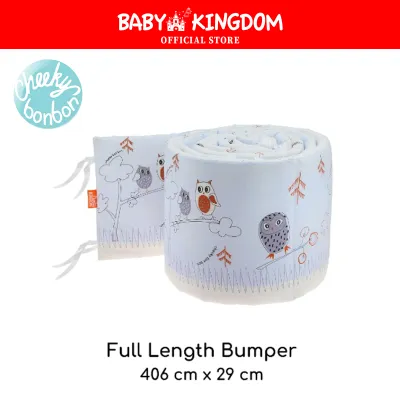
Prices are valid at publication and may change. Please refer to the product page for the latest price.
Aesthetics and design variety also play a significant role in your selection process. Modern baby safety brands understand that parents want to protect their children without turning their living rooms into a playground. Many manufacturers now offer a wide range of color options designed to blend seamlessly with common wood tones, white minimalist furniture, or dark metal frames. Alternatively, clear silicone guards provide a highly discreet option that preserves the natural look of glass or high-end marble tables while still offering robust corner protection.
Finally, consider the profile thickness and flexibility of the bumper. A bulky, thick foam guard might be ideal for wide, heavy coffee tables or low brick hearths, but it may not fit properly on thin glass shelves or narrow cabinet doors. Reliable brands typically offer multiple profile options, ranging from slim L-shaped guards to extra-thick, rounded U-shaped bumpers. This variety allows you to customize your protection strategy based on the specific dimensions of each piece of furniture in your home.
Matching Bumper Shapes to Your Furniture and Home Layout
Selecting the right bumper configuration requires a room-by-room assessment of your home layout and furniture shapes. For isolated hazards, such as the sharp corners of dining tables, desks, or low-lying side tables, individual corner guards are often the most efficient solution. These pre-molded, three-sided protectors fit snugly over the corner point, absorbing the brunt of direct impacts where toddlers are most likely to bump their heads. They are quick to install and do not interfere with the overall usability of the furniture.

For continuous hazards, such as the long edges of TV consoles, low bookshelves, or wide window ledges, continuous edge bumper rolls are far more practical. These rolls can be cut to the exact length of your furniture, providing uninterrupted protection along the entire exposed surface. When planning your layout, measure the total linear length of the edges you need to cover and purchase rolls with a slight margin to account for cutting errors or corner transitions.
Before purchasing, take precise measurements of the thickness of your furniture edges. A bumper that is too wide for a thin table edge will overhang, leaving exposed adhesive that attracts dust, pet hair, and curious little fingers that might pull the guard off. Conversely, a bumper that is too narrow will not wrap around the edge securely, leading to poor adhesion and compromised protection. Matching the inner dimensions of the guard to the exact thickness of your table or shelf ensures a flush, secure fit.
Prioritize your installation by identifying high-traffic areas where your child spends the most time playing and learning to walk. In typical Singapore apartments, the living room and master bedroom are often the primary focus areas. Pay close attention to low-level hazards that align with your child’s current height and developmental stage. A crawling baby requires protection on low cabinet bases and floor-level corners, while a cruising toddler needs guards on coffee tables, dining chairs, and waist-high shelves.
Safety Labels and Manufacturer Specifications to Verify
Because baby bumpers are within easy reach of infants who explore their world by touching and tasting, verifying material safety is paramount. When browsing different brands, look for clear, explicit claims regarding non-toxic materials directly on the product packaging or official manufacturer listings. Reliable brands will state that their products are free from harmful chemicals such as Bisphenol A (BPA), phthalates, heavy metals, and flame retardants. These details should be backed by references to standard consumer product safety testing.
Manufacturer warnings and guidelines provide essential context for how and where the product should be used. Always check the recommended age range and developmental stages specified by the brand. Some bumpers are designed specifically for younger infants who are just beginning to sit up, while others are robust enough to withstand the active play of older toddlers. Additionally, look for warnings regarding environmental limits, such as maximum temperature or humidity exposure, which can affect the integrity of both the bumper material and the adhesive.
Verify the compatibility of the supplied adhesive with your specific furniture materials before application. Not all adhesives are universal; some are formulated specifically for sealed wood, while others perform better on glass, metal, or plastic. Applying a highly aggressive adhesive to a delicate paper-veneer or poorly sealed painted surface can cause significant damage during removal. Conversely, using a weak adhesive on a textured or porous surface will result in the bumper peeling away prematurely.
It is also wise to check for any official safety certifications or compliance marks relevant to children’s products. While safety standards are dynamic and subject to change, reputable brands often design their products to meet international toy safety or consumer product safety standards. Rather than assuming a product is safe based on its name or marketing slogans, take the time to read the fine print on the packaging to ensure the manufacturer has undergone voluntary testing for physical durability and chemical safety.
Where to Buy Authentic Baby Safety Products in Singapore
To ensure you are purchasing genuine, high-quality baby safety products, it is best to source them from reputable retail channels. Official brand websites and authorized baby specialty boutiques in Singapore are the most reliable options, as they source their inventory directly from the manufacturers. These retailers can provide accurate product information, clear usage instructions, and direct support if you encounter any issues with the product or adhesive performance.
If you prefer the convenience of online shopping, look for verified flagship stores or official mall sellers on major e-commerce platforms. These platforms often feature dedicated sections for authorized distributors, which helps filter out unauthorized third-party sellers. When shopping online, always check the seller’s overall rating, the volume of successful transactions, and detailed customer reviews. Look for reviews that mention the long-term durability of the adhesive and the physical quality of the material upon arrival.
Be vigilant against red flags that may indicate counterfeit or substandard goods. Suspiciously low prices, often listed in S$ at a fraction of the typical retail cost of established brands, are a primary warning sign. Other red flags include generic, unbranded packaging, a complete lack of manufacturer contact information, or instruction manuals with poor translations and missing safety warnings. Counterfeit bumpers may use cheap, industrial-grade plastics or foams that contain restricted chemicals, posing a health risk to your child.
Additionally, review the retailer’s return and exchange policies before finalizing your purchase. A reliable seller will offer a clear, straightforward process for returning products that arrive damaged, missing parts, or with defective adhesive. Having this consumer protection ensures that you can inspect the product’s quality in person and return it if it does not meet the safety standards required for your home and family.
Secure Installation and Routine Maintenance Checks
Proper installation is just as important as choosing a high-quality brand when it comes to securing your home. Begin by thoroughly preparing the furniture surface. Clean the area with a mild soap solution or rubbing alcohol to remove all traces of dust, grease, polish, and oils. Allow the surface to dry completely before applying the adhesive, as any remaining moisture or residue will severely compromise the bond, causing the bumper to peel away under minimal pressure.
When applying the bumper, follow the manufacturer’s instructions precisely regarding pressure and curing time. Once the adhesive tape is positioned on the guard, press it firmly onto the clean furniture edge, applying even pressure along the entire length for at least thirty seconds. Most high-performance adhesives require a curing period of 24 to 48 hours to reach maximum bond strength. During this time, keep the area completely dry and prevent your child from touching or pulling on the newly installed guard.
Routine maintenance is essential to ensure the edge guards continue to provide reliable protection over time. Conduct regular visual and physical inspections of all installed bumpers in your home. Check for signs of peeling edges, tearing foam, or material degradation, which can occur from frequent cleaning, accidental bumps, or toddler biting. If a bumper becomes loose, compressed, or damaged, replace it immediately to prevent it from becoming a choking hazard or failing during a fall.
When your child outgrows the need for edge protection, removing the guards safely is crucial to preserve your furniture’s finish. Avoid pulling the bumper off forcefully, as this can tear away paint, lacquer, or wood veneer. Instead, use a hair dryer on a low, warm setting to gently heat the adhesive, softening it for easier removal. Slowly peel the guard away while applying a mild, furniture-safe adhesive remover or vegetable oil to clean up any remaining residue, leaving your furniture clean and undamaged.
Frequently Asked Questions (FAQ)
How long do baby edge guards typically last before needing replacement?
Baby edge guards generally last between six months to two years, depending on the material quality, environmental exposure, and the level of physical wear they endure. In Singapore’s humid climate, the adhesive backing can degrade more quickly, especially on furniture near windows or in non-air-conditioned rooms. Conduct regular physical checks; if you notice the foam crumbling, the silicone hardening, or the edges peeling away from the furniture, it is time to replace them. Additionally, as your child grows and gains better balance, you may need to adjust or upgrade your edge protection to match their changing height and mobility levels.
Are silicone or foam bumpers better for glass tables?
Silicone bumpers are generally superior for glass tables due to their aesthetic transparency and superior adhesion to smooth, non-porous surfaces. Clear silicone guards blend seamlessly with the glass, preserving the table’s visual appeal while providing firm, low-profile protection against sharp corners. Foam bumpers, while offering excellent shock absorption for heavy wooden or stone furniture, can look bulky on glass and may slide or peel more easily if the adhesive is exposed to light through the glass. When applying any bumper to glass, ensure the adhesive is rated for non-porous surfaces to prevent unsightly air bubbles and ensure a secure, long-lasting bond.

Community discussion
Share your experience or ask a question. Comments are reviewed before publication.