
Finding balanced toddler snacks in Singapore requires looking past colorful packaging and clever marketing claims to focus on nutritional density, ingredient quality, and developmental safety. In a market filled with imported and local options, the most reliable way to select snacks is to establish a systematic evaluation process based on your child’s specific developmental stage and nutritional needs. Rather than relying on static brand rankings, parents can protect their children’s health by learning how to decode ingredient lists, calculate realistic serving sizes, and match snack types to daily nutritional gaps.
Because toddlers have small stomachs and high energy requirements, snacks should be viewed as small, nutrient-dense meals rather than occasional treats. The ideal snack supports physical growth, cognitive development, and motor skill progression without introducing excessive sodium, added sugars, or artificial additives. By mastering the art of label reading and understanding local dietary guidelines, you can confidently navigate supermarket shelves and online marketplaces to curate a safe, balanced, and appealing snack rotation for your growing toddler.
Understanding Toddler Nutritional Baselines
Toddlers have unique physiological requirements that differ significantly from older children and adults. Their stomachs are roughly the size of their clenched fists, meaning they cannot consume large quantities of food at a single sitting. Consequently, snacks play a vital role in their daily routine, serving as small, nutrient-dense bridges between main meals rather than mere distractions. Parents should consult official local health authority guidelines, such as those from Singapore’s Health Promotion Board, or speak directly with a pediatrician to establish their child’s specific daily caloric and macronutrient targets.
Products mentioned in this guide
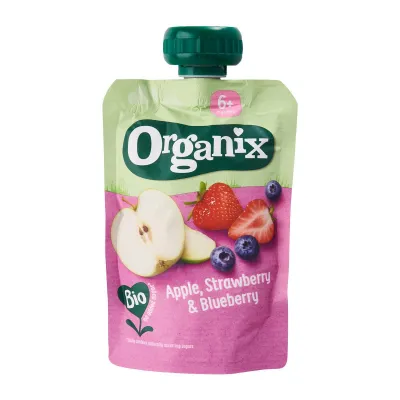
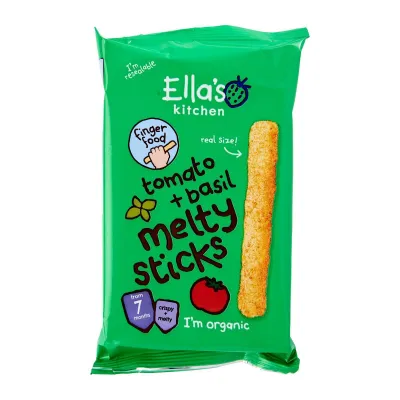
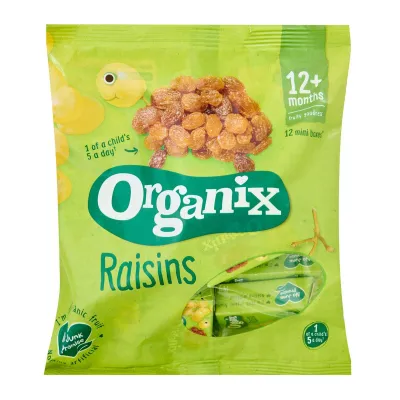
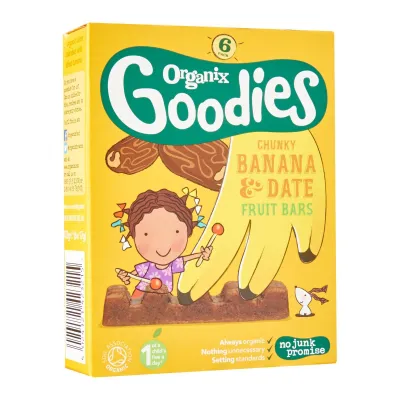
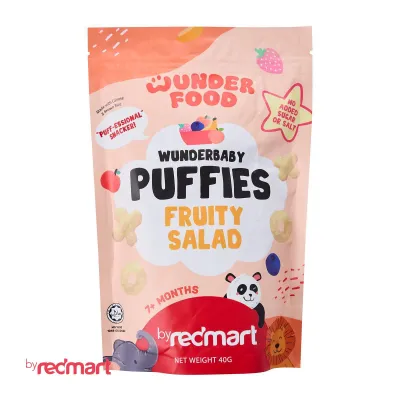
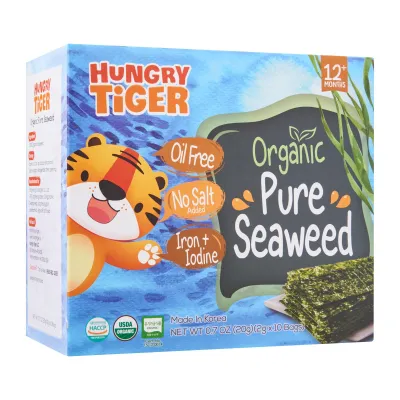
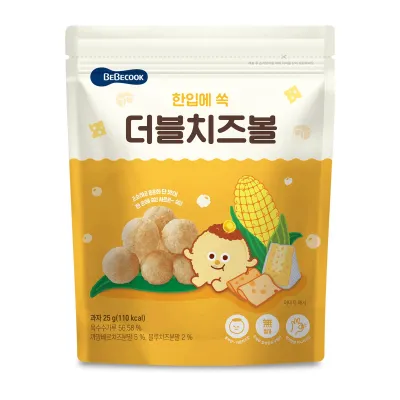
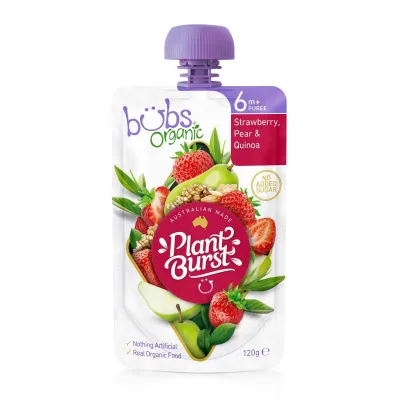
Prices are valid at publication and may change. Please refer to the product page for the latest price.
When planning a toddler’s diet, snacks should complement main meals rather than compete with them. A well-timed snack provides a steady release of energy, preventing the extreme hunger that often leads to mealtime tantrums or food refusal. Ideally, snacks should be offered two to three hours after one meal and about two hours before the next. This spacing ensures that the toddler remains hungry enough to consume a balanced lunch or dinner, which typically contains a wider variety of essential vitamins and minerals.
Texture progression is another critical aspect of toddler nutrition that directly impacts safety. As toddlers transition from purees to solid foods, their chewing and swallowing capabilities develop at different rates. Snack brands often categorize products by age or developmental milestones, such as “sitting independently” or “crawler.” Parents must verify these guidelines against their child’s actual oral motor skills. Choking hazards remain a primary concern for children under four years of age, making it essential to avoid hard, round, or highly sticky snack formats.
Core Criteria for Evaluating Toddler Snack Brands
When walking down the baby food aisle of a local supermarket or browsing an online marketplace, parents are confronted with dozens of brands claiming to offer optimal nutrition. To cut through the noise, establish a strict set of criteria for evaluating any product. First, evaluate the sodium and added sugar content. Pediatric dietary guidelines generally recommend keeping sodium intake as low as possible to protect developing kidneys and prevent a preference for overly salty foods. Added sugars should ideally be avoided entirely for children under two years of age, as they provide empty calories and contribute to early tooth decay.

Prioritize brands that emphasize whole food ingredients on their packaging. The ingredient list is organized by weight, meaning the first few items listed make up the majority of the product. If refined flours, sugars, or vegetable oils appear at the top of the list, the snack is unlikely to offer high nutritional value. Look for whole grains, real fruits, and vegetables as the primary components. Additionally, check for unnecessary artificial additives, synthetic colors, chemical preservatives, or artificial flavors, which are often added to extend shelf life or enhance visual appeal but offer no nutritional benefit.
Brand transparency is another key indicator of quality. Reputable manufacturers provide clear information regarding their sourcing practices, manufacturing standards, and quality control measures. Look for brands that offer detailed explanations of how their ingredients are grown and processed. Furthermore, evaluate how the brand segments its product lines. A responsible brand will clearly state the target age range and developmental readiness required for each snack, helping parents avoid purchasing items that are physically inappropriate or unsafe for their toddler’s current stage.
Decoding Snack Labels and Marketing Claims
The front of a snack package is designed to sell; the back is designed to inform. To make truly informed decisions, parents must learn to decode the nutritional facts panel and the ingredient list. One of the most common pitfalls is falling for front-of-pack claims like “made with real fruit” or “no artificial colors.” While these statements may be technically true, they often mask less desirable ingredients. For example, a snack “made with real fruit” might actually consist primarily of apple juice concentrate, which behaves similarly to added sugar in the body.
To identify hidden sugars and sodium, look for alternative names in the ingredient list. Sugars can be listed under more than fifty different terms, including maltodextrin, brown rice syrup, dextrose, fructose, barley malt, and fruit juice concentrate. Similarly, sodium may appear as monosodium glutamate, sodium bicarbonate, or disodium phosphate. If multiple forms of sugar or sodium are scattered throughout the ingredient list, the cumulative amount in the product may be much higher than it initially appears.
Another crucial step is adjusting nutritional calculations based on realistic serving sizes. Manufacturers often list nutritional values per serving, but the stated serving size may be much smaller than what a toddler typically consumes in one sitting. If a small bag of puffs contains three servings and your toddler easily eats the entire bag, you must multiply the listed sodium, sugar, and calorie values by three to understand their actual intake. Always compare the nutritional values per 100 grams across different brands to establish an objective baseline for comparison.
Finally, verify local or international health certifications, allergen warnings, and expiry indicators directly on the packaging. In Singapore, look for recognized certifications that align with your family’s dietary requirements, such as Halal logos or organic certifications from reputable international bodies. Check for clear allergen statements, especially if your child has known sensitivities. Keep in mind that manufacturing facilities often process multiple ingredients, so look for precautionary statements like “may contain traces of milk” or “processed on shared equipment” to manage cross-contamination risks.
Building a Condition-Based Snack Shortlist
Rather than relying on a static list of “best” brands, parents benefit from developing a dynamic, condition-based shortlist. This approach involves matching different categories of snacks to your toddler’s immediate nutritional gaps, activity levels, and physical chewing capabilities. For instance, an active afternoon at a local playground demands a different type of energy support than a quiet transition period before bedtime. By categorizing snacks based on their primary nutritional contribution, you can easily select the right option for any situation.
Fruit and Vegetable-Based Snacks
Produce-based snacks are excellent for introducing vitamins, minerals, and dietary fiber into your toddler’s diet. When evaluating these options, look for products that list 100% fruit or vegetable content as their sole ingredients. Freeze-dried fruits and vegetables are popular choices because they retain much of their original nutritional value and offer a satisfying crunch that dissolves easily in the mouth. However, parents must verify that no extra fruit juice concentrates, syrups, or sweeteners have been added during processing.
Physical texture and moisture content are critical safety factors for produce-based snacks. Dehydrated fruits, such as raisins or dried apricots, can be highly chewy and sticky, presenting a significant choking hazard for younger toddlers who have not yet mastered lateral tongue movements. For these children, softer options like baked vegetable sticks, freeze-dried apple slices, or smooth fruit and vegetable purees in pouches are more appropriate. Always supervise your child closely to ensure they can manage the texture safely.
Grain and Cereal-Based Snacks
Carbohydrates are the primary energy source for active toddlers, making grain-based snacks a staple in many households. When selecting crackers, puffs, or oat bars, prioritize whole grains such as brown rice, whole wheat, quinoa, or rolled oats. Whole grains retain their natural fiber, which helps regulate blood sugar levels and supports healthy digestion. Check the nutritional label to verify the fiber content per serving, aiming for options that provide a meaningful contribution to your child’s daily needs.
Avoid heavily refined flours, sweet coatings, or high-sodium savory seasonings commonly found in commercial crackers and puffs. Many popular toddler puffs are made primarily from white rice flour or cornstarch, which digest rapidly and can lead to quick energy spikes followed by sudden crashes. Additionally, examine the ingredient list for added salt or sugar coatings designed to enhance flavor. Opt instead for plain, unsalted grain snacks that rely on natural herbs or mild vegetable powders for taste.
Dairy and Protein-Rich Snacks
Protein and calcium are essential building blocks for growing muscles, bones, and teeth. Dairy-based snacks, such as yogurt drops, cheese sticks, or milk-based puffs, are convenient ways to deliver these nutrients. However, safety must be the primary consideration. Always verify that any dairy product has undergone proper pasteurization to eliminate harmful bacteria. This is particularly important when purchasing artisanal or imported cheeses from local specialty shops.
Monitor portion sizes and check for hidden added sugars in flavored varieties or fruit-on-the-bottom formulations. Many commercial toddler yogurts contain high amounts of added sugar to appeal to young palates. To avoid this, consider purchasing plain, unsweetened Greek yogurt and mixing in fresh, mashed fruit at home. If you opt for pre-packaged dairy snacks, compare brands carefully and select those with the lowest sugar content per serving.
Safe Snacking Practices and Allergen Management
Introducing new snack brands or product lines requires a cautious, systematic approach to ensure safety and manage potential food allergies. When offering a new snack for the first time, implement the single-ingredient introduction rule. Introduce only one new food item at a time, and wait several days before introducing another. This practice makes it significantly easier to identify the culprit if your toddler experiences an adverse reaction, such as a rash, digestive upset, or respiratory changes.
Carefully read the manufacturing labels for common allergen cross-contamination warnings. Even if a product does not list an allergen like peanuts, soy, or wheat as an active ingredient, the packaging may state that the item was manufactured in a facility that handles those ingredients. If your toddler has a diagnosed food allergy or a strong family history of allergies, these precautionary statements are critical for preventing accidental exposure. When in doubt, contact the manufacturer directly to clarify their allergen control protocols.
Establishing a safe feeding environment is just as important as selecting the right snack. Toddlers should always be seated upright in a high chair or a designated booster seat during snack time. Avoid allowing your child to eat while running around, playing, or riding in a stroller, as movement significantly increases the risk of choking. Maintain active adult supervision throughout the entire snack period, keeping your eyes on your child rather than relying on auditory cues, as choking is often completely silent.
Frequently Asked Questions (FAQ)
How many snacks should a toddler have per day?
Most toddlers benefit from having two to three small snacks per day, spaced evenly between their three main meals. This schedule helps maintain consistent energy levels and prevents overeating at mealtimes. However, individual needs can vary based on your child’s growth rate, activity level, and appetite. It is always best to consult pediatric guidelines or your family pediatrician to design a meal and snack schedule tailored to your toddler’s specific developmental stage.
Are organic toddler snacks always nutritionally superior?
Organic certification primarily relates to agricultural practices, indicating that the ingredients were grown without synthetic pesticides, herbicides, or genetically modified organisms. It does not guarantee a superior macronutrient profile. An organic cookie or puff can still contain high levels of added sugar, sodium, and refined fats. Parents must look past the organic label and critically analyze the actual ingredient list and nutritional facts panel to evaluate the snack’s true nutritional value.
What should I do if my toddler refuses all healthy snack options?
Food refusal is a common developmental phase for toddlers as they assert their independence. To encourage healthy snacking, try gradual transition methods, such as pairing a small amount of a new, nutrient-dense snack with a familiar, accepted food. Avoid forcing or pressuring your child to eat, as this can create negative associations with food. If your toddler’s food refusal is persistent and accompanied by weight loss, lethargy, developmental delays, or extreme distress during mealtimes, consult a pediatrician or a pediatric dietitian for professional guidance.

Community discussion
Share your experience or ask a question. Comments are reviewed before publication.