
Fiffy baby laundry detergent is formulated specifically for infants, typically utilizing plant-based surfactants, mild preservatives, and formulation stabilizers to lift organic stains while remaining gentle on delicate skin. Because a baby’s skin is thinner and more permeable than adult skin, understanding what goes onto their clothes—and subsequently rubs against their body—is vital for preventing irritation.
Evaluating the specific chemical and plant-based components in Fiffy’s range helps you determine how they function and whether they align with your baby’s unique skin needs. By analyzing these ingredients, you can make an informed decision that balances superior cleaning power with optimal skin safety.
How to Verify the Exact Fiffy Ingredient List
Fiffy offers several baby laundry detergent variants, including standard formulas, concentrated versions, and scented options like green tea. Because manufacturers frequently optimize their formulas to comply with updated safety guidelines or to source better raw materials, formulations are not static. The physical label on the specific bottle or refill pouch you purchase in Singapore stores or via online marketplaces is the definitive source of truth for safety and compatibility.
Products mentioned in this guide
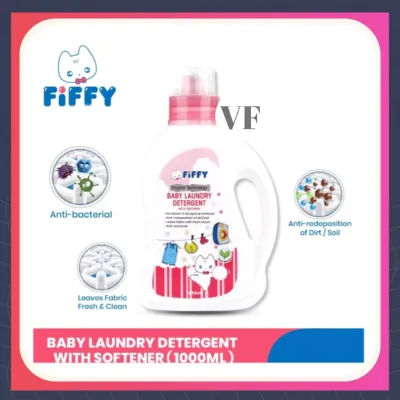
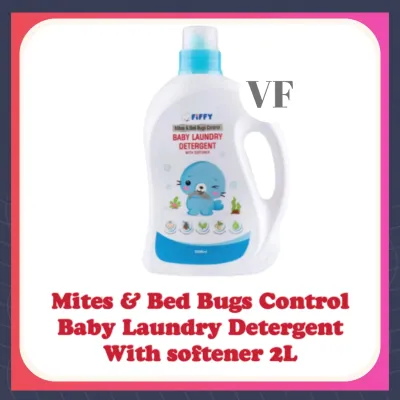
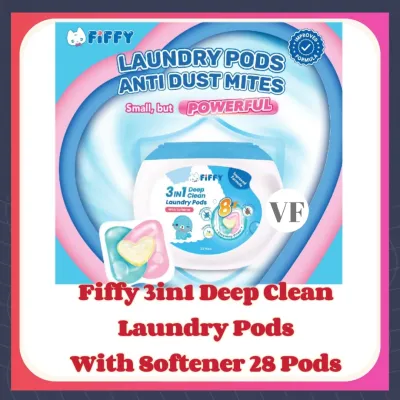
Prices are valid at publication and may change. Please refer to the product page for the latest price.
To locate the exact ingredient list, inspect the back panel of the packaging. Look for a section labeled “Ingredients” or “Kandungan” which lists the chemical and botanical constituents. If the full list is not printed on the bottle, check the manufacturer’s official brand website or contact their customer service channel to request the complete formulation before use.
When reviewing the label, it is essential to distinguish between front-of-package marketing terms and the actual chemical names on the back. Phrases like “natural,” “gentle,” or “plant-based” are promotional descriptors designed to attract attention. The back label uses standardized chemical nomenclature or International Nomenclature of Cosmetic Ingredients (INCI) names, which provide the precise identity of each substance used in the bottle.
Core Cleaning Agents: Surfactants and Enzymes in Baby Detergent
Surfactants, or surface-active agents, are the primary cleaning components in any laundry detergent. These molecules consist of a hydrophilic (water-loving) head and a hydrophobic (water-fearing) tail. When mixed with water, they organize into spherical structures called micelles that trap oily soils, lifting them from clothing fibers so they can be washed away during the rinse cycle.

For baby clothing, the specific type of surfactant utilized is highly important. Anionic surfactants like Sodium Lauryl Sulfate (SLS) or Sodium Laureth Sulfate (SLES) are excellent at removing heavy dirt but can leave a residue that irritates sensitive skin if clothes are not thoroughly rinsed. Mild, plant-derived non-ionic surfactants, such as those derived from coconut or corn (for example, Coco-Glucoside or Lauryl Glucoside), are generally preferred because they clean effectively while rinsing away much more cleanly.
Enzymes are biological catalysts included in many detergents to break down complex organic stains. Different enzymes target specific types of soil:
- Protease: Breaks down protein-based stains, which are highly common in baby laundry, including breast milk, infant formula, spit-up, and blood.
- Amylase: Targets starch-based stains, such as baby food purees, cereals, and organic thickening agents.
- Lipase: Breaks down fats and oils, helping to remove greasy residues from ointments or food.
While enzymes are highly effective at stain removal, active enzyme residues left on clothing can occasionally interact with the moisture on a baby’s skin, leading to localized irritation. Parents should verify whether their chosen Fiffy variant contains enzymes. If it does, using the manufacturer’s recommended wash temperature and adding an extra rinse cycle can help ensure no active cleaning agents remain on the fabric.
Formula Stabilizers: Preservatives and pH Adjusters
Liquid detergents contain a high percentage of water, making them highly susceptible to microbial contamination. Without an effective preservative system, bacteria, mold, and yeast can rapidly multiply inside the bottle. This poses a genuine health risk to a baby’s developing immune system, making preservatives a functional necessity in liquid formulas.
However, the type of preservative used matters significantly for skin safety. Parents should scan the Fiffy ingredient list to identify the specific preservatives utilized. Traditional preservatives like parabens, formaldehyde releasers (such as DMDM hydantoin), and certain isothiazolinones (like Methylisothiazolinone or MIT) are known contact allergens. Many modern baby detergents utilize milder food-grade preservatives or organic acids, such as Sodium Benzoate or Potassium Sorbate, which provide reliable antimicrobial protection with a lower risk of skin sensitization.
The pH level of the detergent solution is another critical factor in preventing skin irritation. Human skin is naturally slightly acidic, maintaining a pH of approximately 5.5 to protect against pathogens and retain moisture. Standard adult laundry detergents are often highly alkaline to maximize cleaning efficiency, but this alkalinity can disrupt a baby’s delicate skin barrier, leading to dryness and redness.
Baby-specific detergents typically incorporate pH adjusters to keep the wash solution closer to a skin-neutral level. Common pH adjusters include Citric Acid (to lower pH) and Sodium Hydroxide (to raise pH). Inspecting the Fiffy label for these adjusters helps confirm that the formula has been balanced to minimize the risk of disrupting your baby’s natural skin barrier.
Skin Sensitivities: Evaluating Fragrances, Dyes, and Brighteners
Fragrances are among the most common triggers for pediatric skin irritation and allergic contact dermatitis. It is important to understand the difference between “unscented” and “fragrance-free” products. Unscented products may still contain masking fragrances to neutralize the chemical odor of raw ingredients, whereas fragrance-free products contain absolutely no added scent chemicals.
Fiffy offers both scented and milder variants. While pleasant scents like green tea or mild floral notes make baby laundry smell fresh, they may contain synthetic fragrance compounds or natural essential oils that can irritate eczema-prone skin. If your baby has highly sensitive skin, dry patches, or diagnosed atopic dermatitis, prioritizing a completely fragrance-free variant is highly advisable.
Dyes are synthetic colorants added to liquid detergents purely for aesthetic appeal in the bottle. They serve no functional purpose in cleaning clothes. Because dye residues can remain trapped in fabric fibers and rub off onto the skin, reputable baby detergents often omit them entirely to eliminate an unnecessary source of skin irritation.
Optical brighteners are synthetic chemicals designed to adhere to fabric fibers and absorb ultraviolet light, emitting a blue tint that makes yellowing clothes look whiter and brighter. Because these chemicals are engineered to remain on the fabric rather than rinse away, they are in constant contact with the baby’s skin. In Singapore’s hot, humid tropical climate, frequent sweating can cause these chemical residues to dissolve and penetrate the delicate skin barrier, potentially triggering eczema flare-ups. Parents should carefully check the Fiffy label to ensure no optical brighteners are present if their baby has reactive skin.
Deciding if Fiffy Fits Your Baby’s Skin and Laundry Needs
Choosing the right detergent requires balancing your baby’s skin health with your daily washing habits. For newborns and infants with eczema-prone or highly reactive skin, a minimalist, fragrance-free, dye-free, and enzyme-free detergent variant is the safest choice. If your baby has normal, healthy skin, a standard baby detergent like Fiffy that combines mild surfactants with targeted cleaning power can be highly effective for managing everyday laundry.
Your specific washing routine also influences this choice. For parents washing modern cloth diapers, always check the diaper manufacturer’s care instructions first. Some cloth diaper brands advise against using detergents with specific surfactants, enzymes, or optical brighteners, as these can clog fabric pores, reduce absorbency, or degrade waterproof membranes over time.
Before washing an entire wardrobe with a new detergent, perform a simple, low-risk patch test. Wash one or two small, non-essential items, such as a single bodysuit or a washcloth, in the Fiffy detergent according to the package instructions. Have your baby wear or use the item under normal conditions and closely monitor their skin for 24 to 48 hours. If you observe any signs of redness, tiny bumps, dryness, or itching, discontinue use immediately, rewash the clothing in plain water, and consult a pediatrician or dermatologist.

Community discussion
Share your experience or ask a question. Comments are reviewed before publication.