
The “best” corner guard for your baby depends heavily on your specific furniture materials, the adhesive required, and your child’s current developmental stage. While Fast Corner is a recognized option in the market, determining whether it or a competing brand offers better protection requires looking past marketing claims and evaluating verifiable specifications. This guide provides a conditional decision framework to help you compare Fast Corner against alternatives based on material density, adhesive strength, and tear resistance, ensuring you choose the safest and most practical solution for your home environment.
Core Dimensions for Evaluating Corner Guard Protection
When babyproofing a home, corner guards serve as a critical buffer between a tumbling toddler and sharp furniture edges. To evaluate any brand, including Fast Corner, you must first understand the physical and chemical properties that dictate real-world performance. Relying solely on brand popularity can lead to purchasing guards that either peel off too easily or fail to absorb the force of a fall.
Material density and shock absorption are the primary defenses against impact. Corner guards are typically made from Nitrile Butadiene Rubber (NBR) foam, Polyvinyl Chloride (PVC), or silicone. NBR foam is highly compressible and excellent for absorbing high-velocity impacts, making it ideal for low coffee tables where toddlers are prone to falling. PVC and silicone are denser and firmer, which prevents bottoming out—where a heavy impact compresses the guard completely, transferring the force directly to the sharp corner beneath. When evaluating density, look for high-density ratings on the packaging, as low-density alternatives offer minimal protection during a hard fall.
Products mentioned in this guide
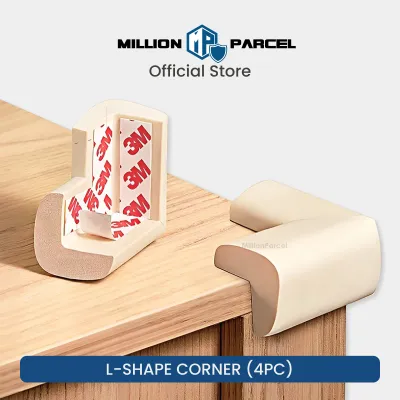
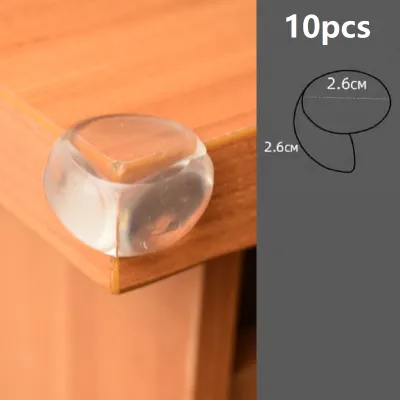
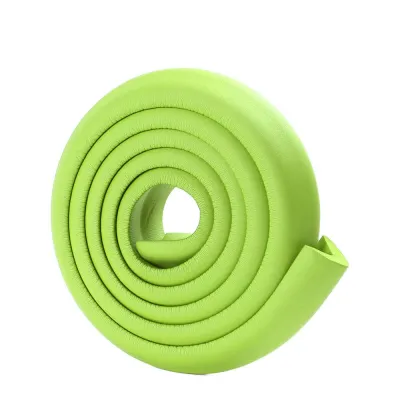
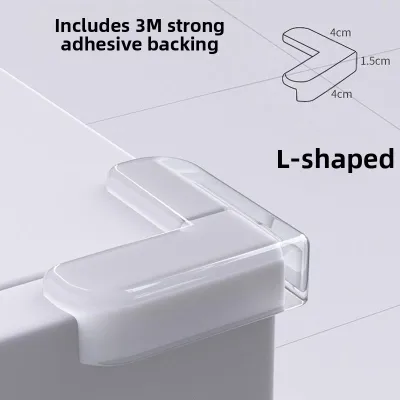
Prices are valid at publication and may change. Please refer to the product page for the latest price.
Adhesive strength and residue management determine how long the guard stays in place and whether it will ruin your furniture. Most brands use either acrylic-based or rubber-based adhesive tapes. Acrylic adhesives tend to cure over time, offering a stronger long-term bond that resists a toddler’s persistent tugging, but they can be more challenging to remove. Rubber-based adhesives offer high initial tack but may degrade faster in warm, humid environments, such as typical Singapore households without 24-hour air conditioning. Caregivers must balance the need for a secure hold with the potential risk of surface damage upon removal.
Tear resistance is a critical safety factor that directly relates to choking hazards. As babies enter the teething stage, they often chew on accessible surfaces, including edge guards. Low-density foam can easily tear or be bitten off in small chunks, posing a severe choking risk. High-density foam or solid silicone options offer superior tear resistance, ensuring the material remains intact even under mechanical stress. Always inspect the material’s structural integrity and avoid guards that feel overly soft or crumbly to the touch.
Comparing Fast Corner and Alternative Brands: A Spec Checklist
To make an objective comparison between Fast Corner and alternative brands, caregivers should look at verifiable specifications on product packaging rather than relying on generic safety claims. This systematic approach ensures you select a product based on measurable safety standards.

Material composition should be your first point of comparison. Look for labels indicating the product is non-toxic, BPA-free, and compliant with international safety standards such as EN 71 or ASTM F963. While many brands claim to be eco-friendly, verifying these certifications on the packaging ensures the materials are safe for a child who might put their mouth on the guard. If a brand does not explicitly list these certifications, it is best to look for an alternative that does.
Adhesive backing designs vary significantly between pre-applied tape and separate rolls. Fast Corner and similar brands often feature pre-applied adhesive backings to simplify installation. However, some heavy-duty alternative brands provide separate, industrial-grade double-sided tape. Separate tape allows you to customize the coverage but requires precise alignment during installation to prevent exposed sticky edges that collect dust and hair. Pre-applied tape is highly convenient but leaves less room for adjustment if you make a mistake during placement.
Design variations also dictate suitability for different furniture shapes. L-shaped guards are standard for sharp 90-degree table edges, while U-shaped guards wrap around both the top and bottom of thin glass shelves. Ball-style corner guards offer concentrated protection specifically for the outermost point of a corner, making them less obtrusive but also limiting their coverage along the adjacent edges. Consider the layout of your furniture to determine which shape offers the most comprehensive coverage.
Use the following checklist to compare Fast Corner against other brands in the store or on an online marketplace:
- Material Type: Is it NBR foam, PVC, or silicone?
- Density Rating: Is it high-density or standard-density?
- Adhesive Type: Is it pre-applied acrylic or separate rubber-based tape?
- Certification: Does it list verifiable non-toxic or toy-safety standards?
- Profile Shape: L-shape, U-shape, or ball-style?
Matching Corner Guards to Your Furniture and Baby's Stage
No single corner guard fits every household scenario; the right choice depends on your furniture materials and your baby’s physical development.
Glass and metal surfaces require specific considerations due to their smooth, non-porous nature. Transparent silicone or PVC guards are highly recommended for glass coffee tables and media consoles because they blend in visually and maintain a strong bond. Ensure the adhesive backing is clear and rated for high-adhesion on non-porous surfaces to prevent the guard from sliding out of place when bumped. Avoid thick, opaque foam guards on glass if you want to maintain a minimalist aesthetic, but prioritize safety if the glass edges are particularly sharp.
Wood and laminate surfaces demand a careful balance between adhesion and surface protection. Strong adhesives can strip the varnish, veneer, or paint off solid wood or cheap laminate when removed. If you have high-value wooden furniture, look for brands that specify clean removal or use a slightly milder adhesive, keeping in mind that you may need to monitor the edges more frequently for peeling. For laminate furniture, a standard acrylic adhesive usually provides a secure bond without a high risk of peeling the laminate layer, provided the surface is in good condition.
Your baby’s developmental stage dictates the height and force of potential impacts. Crawling babies are at risk from low corners, such as TV consoles and bottom shelves, where soft, thick NBR foam provides excellent cushioning. Cruising and walking toddlers, who stand taller, are more likely to fall onto dining table corners and kitchen countertops. For these higher surfaces, firmer silicone or low-profile PVC guards offer robust protection without creating a bulky obstacle that children might grab onto for leverage. Adjust the thickness and coverage area of your guards as your child grows and their mobility patterns change.
Installation, Maintenance, and Safe Removal
Proper application and ongoing maintenance are just as important as the brand of corner guard you purchase. Even the highest-quality guard will fail if the adhesive is not applied correctly or if the material is allowed to degrade over time.
Surface preparation is the most critical step for ensuring a long-lasting bond. Before applying any corner guard, thoroughly clean the furniture surface with rubbing alcohol or mild soapy water to remove dust, grease, and polish residue. Allow the surface to dry completely; any trapped moisture can weaken the adhesive, especially in humid climates. Once applied, press firmly along the entire length of the guard and let the adhesive cure for at least 24 hours before allowing your child near it. This curing period is essential for the adhesive to reach its maximum bonding strength.
Routine inspection is necessary to maintain a safe environment. Check the corner guards weekly for any signs of peeling, cracking, or tearing. If an edge begins to lift, it becomes an attractive target for curious fingers and teeth, transforming a safety device into a choking hazard. Replace damaged or loose guards immediately rather than attempting to re-tape them with household glue, which may contain toxic chemicals. Regular maintenance ensures that the guards continue to provide reliable protection as your child becomes more active.
Safe removal techniques protect your furniture from permanent damage when your child outgrows the need for corner guards. To remove, gently warm the adhesive with a hair dryer on a low setting to soften the bond. Slowly peel the guard back from one end, applying steady pressure. If residue remains, use a mild adhesive remover or warm soapy water, and always test a small, hidden area of the furniture first to ensure the finish will not be damaged. If you are unsure, consult the furniture manufacturer’s care instructions before applying chemical solvents.
Frequently Asked Questions (FAQ)
Are silicone corner guards safer than foam ones?
Silicone corner guards generally offer higher tear resistance than standard NBR foam guards, making them less likely to break into small pieces if a teething baby chews on them. This reduces the risk of choking hazards. However, silicone is firmer and provides less cushioning for high-velocity impacts compared to thick foam. Caregivers should check the manufacturer’s age recommendations and material safety labels on the packaging to choose the material that best matches their child’s developmental stage and habits.
How do I remove adhesive residue without damaging wood furniture?
To remove leftover adhesive residue safely, start with the gentlest method, such as rubbing the area with a cloth dipped in warm, soapy water. If the residue persists, you can apply a small amount of vegetable oil or a mild, commercial adhesive remover designed for finished wood. Always test any cleaning agent on a hidden section of the furniture first to ensure it does not strip the varnish or paint. Stop immediately if you notice any discoloration or softening of the furniture finish.

Community discussion
Share your experience or ask a question. Comments are reviewed before publication.