
Keeping your home cool and comfortable is a daily priority, especially in a warm tropical climate where standing fans run almost continuously. However, as your baby transitions from a stationary infant to an active explorer, those spinning blades present a real hazard. Deciding whether you need a fan guard cover depends on your child’s developmental stage, the design of your appliances, and how your living space is arranged. While active supervision is your first line of defense, physical barriers like mesh covers can provide an essential layer of protection during those split-second moments when your attention is divided.
Assess Your Child's Mobility and Curiosity
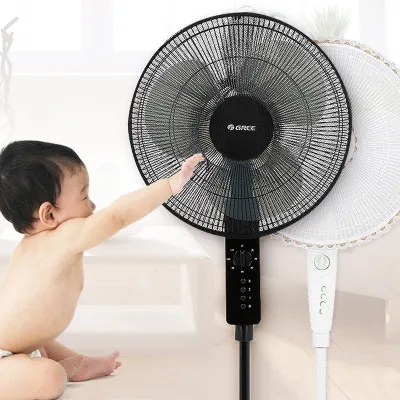
Children develop at an astonishing pace, and their physical milestones directly influence the safety profile of your home. The moment your baby begins to crawl, their world expands horizontally, bringing them into direct contact with low-lying household items. Floor fans, low desk fans, and the bases of pedestal units suddenly sit right at their eye level, turning an ordinary appliance into an enticing object of exploration.
As your child progresses to pulling themselves up on furniture and taking their first steps, their vertical reach increases significantly. A pedestal fan that once seemed safely out of reach can now be easily grabbed, shaken, or tipped over. Climbing milestones present an even greater challenge, as toddlers often use sofas, low tables, or toy boxes as launching pads to reach higher surfaces where wall-mounted or desk fans might be positioned.
Products mentioned in this guide
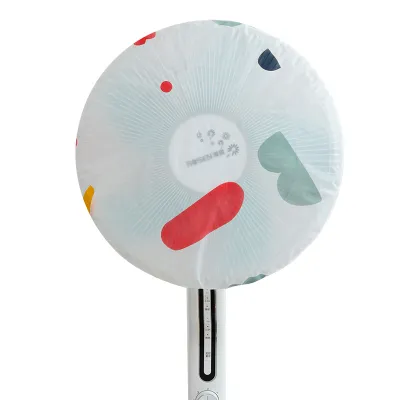
Prices are valid at publication and may change. Please refer to the product page for the latest price.
Beyond physical reach, a child’s natural curiosity plays a major role in fan-related risks. Toddlers are highly visual and sensory learners; they are naturally drawn to the gentle hum, the steady stream of cool air, and the mesmerizing motion of oscillating fan blades. You might observe your child tracking the fan’s movement with their eyes, reaching out to feel the breeze, or attempting to poke small objects like crayons, keys, or their own fingers through the grill.
Relying solely on active supervision in a busy household is rarely a foolproof strategy. In multi-purpose living spaces where you are managing cooking, cleaning, or caring for multiple children, a distraction can happen in a heartbeat. A physical safeguard like a fan guard cover acts as a passive safety net, ensuring that if your child makes a sudden dash toward the fan while your back is turned, their fingers are physically blocked from contacting the moving parts.
Evaluate Your Current Fan Types and Placements
Not all household fans carry the same level of risk, which is why a thorough audit of your appliances is an essential step in your home safety plan. Pedestal and floor-standing fans are generally the most hazardous because their height aligns perfectly with a toddler’s standing or crawling posture. These units are also prone to tipping over if a child pulls on the stand or attempts to climb the base.

Desk fans placed on low tables or bedside stands present a similar risk, as they are easily accessible and lightweight enough to be pulled down onto a child. Wall-mounted fans are safer because they are elevated, but they can still pose a threat if they are positioned near bunk beds, high chairs, or climbing-friendly furniture. Ceiling fans are generally out of reach for toddlers, though you must still ensure that bunk beds or high play structures do not bring children close to the rotating blades.
When auditing your fans, pay close attention to the factory grill design. Take a close look at the gaps between the metal or plastic spokes of the fan casing. A standard safety check is to observe if a small object, such as a cotton swab or a child-sized finger simulator, can easily pass through the gaps. Many older or budget-friendly fan models have wide grill spacings that do not account for the tiny, slender fingers of an inquisitive infant.
Placement is just as critical as the fan type itself. Evaluate the immediate surroundings of each fan in your home. Any unit positioned near a crib, playpen, changing table, or play area requires immediate attention. If a fan must remain in these high-traffic child zones to maintain a comfortable sleeping temperature, installing a protective cover or choosing an alternative cooling method becomes highly recommended.
Compare Fan Guard Covers vs. Alternative Safety Measures
Before purchasing aftermarket covers, it is worth exploring whether you can eliminate the hazard entirely through environmental adjustments. Relocating your fans is often the simplest and most cost-effective solution. Moving a desk fan to a high, secure shelf or mounting a fan securely on the wall well above your child’s maximum reach can remove the need for a physical cover altogether.
Another highly effective strategy is using physical barriers to restrict access to the entire room or the appliance itself. Placing a sturdy baby gate across the doorway of a room containing a running fan, or surrounding a pedestal fan with a secure playpen barrier, keeps your child at a safe distance. This approach is particularly useful in temporary setups or when visiting relatives whose homes are not childproofed.
If your budget allows, upgrading your appliances is a highly practical, long-term safety investment. Bladeless fans eliminate the risk of finger injuries entirely because they do not feature exposed rotating parts. Alternatively, look for modern fan models designed with micro-grills, which feature exceptionally narrow gaps specifically engineered to prevent small fingers from slipping through.
While teaching your child the word “no” and explaining the dangers of hot or moving appliances is an important part of parenting, verbal boundaries are not reliable safety measures for toddlers. Young children lack the impulse control and cognitive development to consistently remember and follow safety rules, especially when distracted by play. Relying on verbal warnings alone in a busy household creates an unnecessary risk that a physical barrier can easily mitigate.
How to Select and Install a Safe Fan Guard Cover
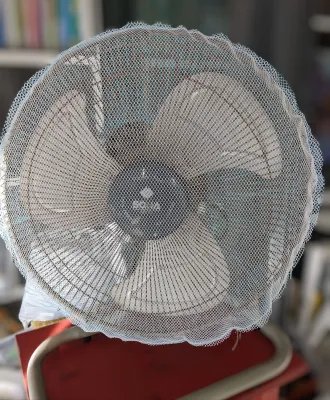
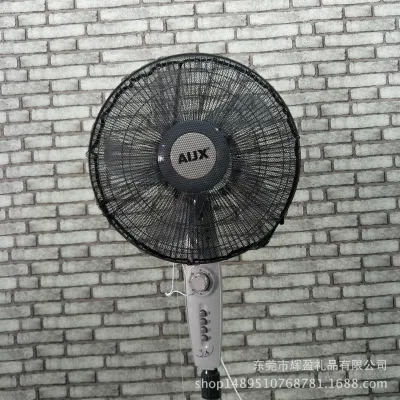
If your home audit reveals that a physical barrier is the most practical solution for your standing or pedestal fans, selecting the right cover requires careful attention to detail. Look for covers featuring secure, child-resistant fastening mechanisms. Elastic bands that wrap tightly around the back of the fan housing are common, but determined toddlers can sometimes pull them off; look for models that include secondary fasteners like heavy-duty zip ties or locking clips that require adult hand strength to open.
The material of the cover must be chosen with both safety and appliance performance in mind. A high-quality, fine mesh fabric is ideal because it blocks tiny fingers while still allowing air to flow relatively freely. Avoid extremely dense fabrics that restrict airflow, as this can force the fan’s motor to work harder, potentially leading to overheating, electrical strain, or mechanical failure.
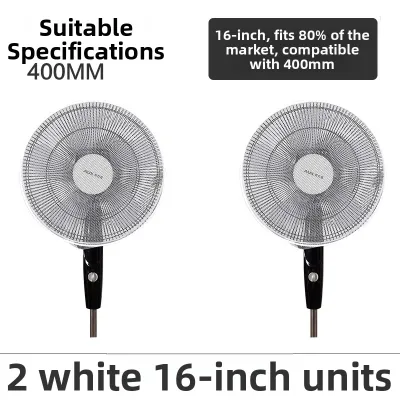
Before purchasing any aftermarket accessory, measure the diameter of your fan head carefully to ensure a snug, secure fit. A loose cover can sag into the grill, where it might get caught in the spinning blades, creating a friction hazard or damaging the motor. Always consult your fan manufacturer’s user manual to check for any specific warnings against using fabric covers, as some manufacturers void warranties or warn of overheating risks when the airflow is altered.
Regular maintenance of your installed fan guard cover is essential to keep your home safe and clean. Mesh covers act as natural filters, quickly accumulating household dust, pet hair, and lint. This buildup not only reduces cooling efficiency but can also degrade indoor air quality and strain the motor; establish a routine to remove, wash, and thoroughly dry the cover regularly, inspecting it for any tears, loose threads, or weakened fasteners before putting it back on.
Frequently Asked Questions (FAQ)
Are bladeless fans completely safe for toddlers?
While bladeless fans eliminate the primary hazard of exposed spinning blades, they are not entirely free of safety considerations for young children. These units often feature heavy bases and tall profiles, meaning they can still pose a tipping hazard if a curious toddler pulls on them or bumps into them during play. Additionally, some models have exposed air intake vents at the base that can accumulate dust or trap tiny objects if a child attempts to insert toys. Always check the manufacturer’s stability ratings, age recommendations, and safety instructions, and consider securing the unit to prevent tipping.
Can I use a DIY mesh or cloth as a fan guard?
Using makeshift materials like standard household cloth, mosquito netting, or loose craft mesh as a DIY fan guard is highly discouraged due to significant safety risks. Non-engineered fabrics can easily stretch, sag, or tear, allowing a child’s fingers to push through or getting sucked directly into the rotating blades. This can cause sudden mechanical failure, motor strain, and severe overheating, which presents a serious electrical or fire hazard in your home. For reliable protection, always use purpose-built, structurally rigid guard covers that have been designed and tested to fit securely without obstructing the fan’s ventilation.

Community discussion
Share your experience or ask a question. Comments are reviewed before publication.