
Direct Answer: How to Choose Between Evorie Glass and PPSU
Selecting the right baby bottle material is a pivotal decision that directly impacts your daily feeding routine, cleaning habits, and peace of mind. When comparing Evorie glass and polyphenylsulfone (PPSU) bottles, the ideal choice depends on your lifestyle, your baby’s developmental stage, and where the feeding takes place.
- Choose glass if you prioritize maximum scratch resistance, a material that naturally resists odors and stains, and you primarily feed your baby at home under direct adult supervision.
- Choose PPSU if you require a lightweight, highly durable, and shatterproof bottle that is easy to pack for travel, safe for daycare drop-offs, and comfortable for older babies who are learning to hold their own bottles.
Before making your final purchase, remember to verify the exact safety certifications, maximum temperature limits, and age recommendations printed on the specific Evorie product packaging to ensure they align with your home sterilization setup.
Safety and Health Considerations
When evaluating baby bottles, safety is understandably the top priority for parents. Both borosilicate glass and PPSU offer excellent health profiles, but they achieve this through entirely different material compositions.
Products mentioned in this guide
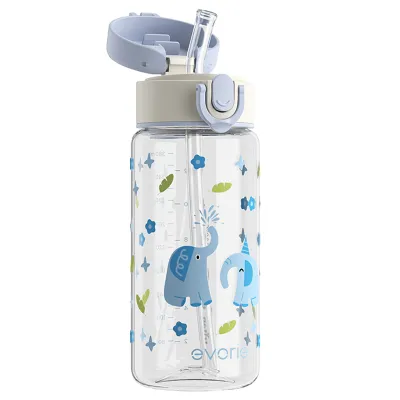
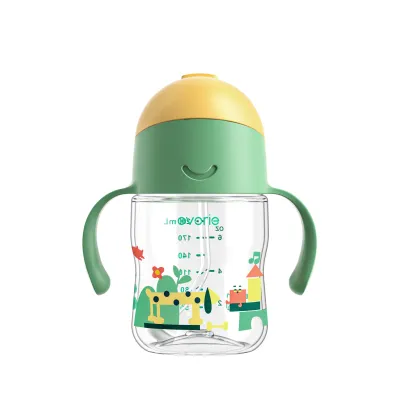
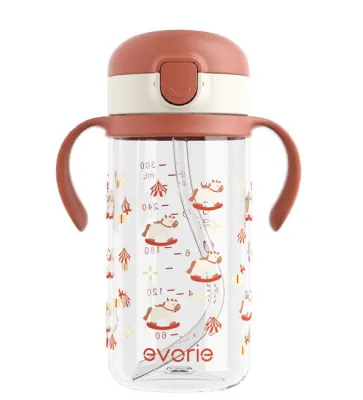
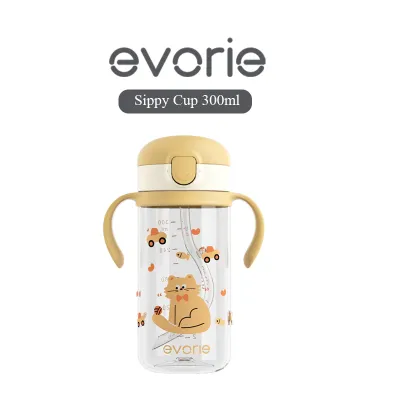
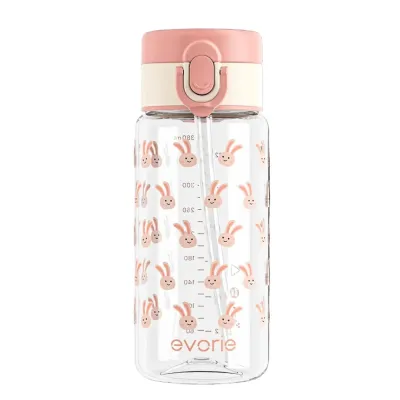
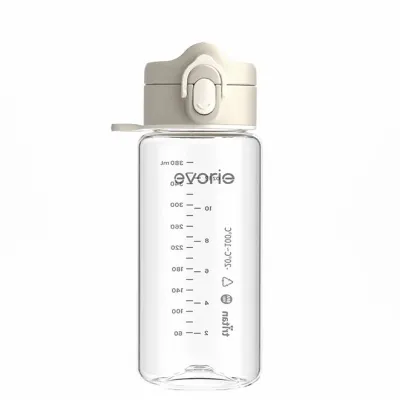
Prices are valid at publication and may change. Please refer to the product page for the latest price.

Borosilicate glass is a traditional, highly trusted material in infant care. It is naturally inert, meaning it does not react chemically with milk, formula, or cleaning agents. Because glass is non-porous, there is no risk of chemical leaching, even when exposed to boiling water or repeated sterilization cycles. This makes glass an exceptional choice for parents who want absolute reassurance regarding chemical purity during the early, most vulnerable months of infancy.
PPSU, on the other hand, is a high-performance, medical-grade plastic. Unlike standard plastics, PPSU is naturally free from bisphenol A (BPA), bisphenol S (BPS), and other harmful plasticizers. It offers the lightweight convenience of plastic without the chemical concerns historically associated with polycarbonate bottles. PPSU is engineered to withstand high temperatures and repeated sterilization without degrading or releasing harmful substances.
While both materials are designed with infant safety in mind, parents must verify the manufacturer’s label on their specific Evorie packaging for precise safety certifications and temperature thresholds. Additionally, physical safety must be factored into your decision. Glass bottles are significantly heavier than PPSU. During feeding, a glass bottle requires strict adult handling and supervision, as a dropped glass bottle poses a risk of breakage and physical injury to both the caregiver and the baby.
Durability, Weight, and Daily Handling
Daily usability often dictates how satisfied you will be with your choice of bottle over several months of multiple daily feeds. The physical demands of feeding, traveling, and cleaning highlight the stark contrast between glass and PPSU.
PPSU is renowned for its outstanding durability and shatterproof properties. In a busy household, accidental drops onto hard kitchen tiles or concrete outdoor paths are inevitable. A PPSU bottle will easily survive these impacts without cracking, chipping, or breaking. This resilience makes PPSU highly practical for active families, stroller outings, and infant care centers where staff manage multiple children and require lightweight, drop-safe equipment.
Glass bottles, while robustly constructed from thermal-shock-resistant borosilicate glass, remain inherently fragile. A drop from a high chair or a slip from soapy hands during washing can result in cracks or shattering. To mitigate this risk, parents often need to purchase protective silicone sleeves, which improve grip and absorb minor shocks, though they also add to the overall weight and cleaning steps.
Weight is another critical factor in daily handling. Glass is noticeably heavier, which can cause hand fatigue during long, late-night feeding sessions. For older babies who are developing their fine motor skills and attempting to hold their own bottles, the heavy weight of glass can be frustrating and unsafe. PPSU bottles are incredibly lightweight, allowing babies to transition to self-feeding much more comfortably and safely under adult supervision.
Cleaning, Sterilization, and Maintenance
Maintaining strict hygiene is essential to protect your baby’s developing immune system. Both glass and PPSU bottles can be thoroughly sanitized, but they require different levels of care to prevent premature wear.
Standard sterilization methods include boiling water, electric steam sterilizers, and ultraviolet (UV) sterilizers. Glass is highly versatile and can withstand virtually all sterilization methods indefinitely without any material degradation. It is also highly resistant to scratches from bottle brushes. This scratch resistance is crucial because microscopic scratches in plastic bottles can become breeding grounds for bacteria and milk residue over time.
While PPSU is highly heat-resistant and compatible with steam and boiling water, continuous exposure to high heat and specific UV wavelengths can eventually affect plastic polymers. Parents should carefully consult the specific Evorie user manual to verify the recommended sterilization times and compatibility with UV sterilizers to prevent premature aging of the material.
To ensure ongoing safety, parents should establish a routine inspection checklist for their bottles. Glass bottles should be checked before every feed for any hairline cracks, chips around the rim, or faded measurement markings. For PPSU bottles, look out for the following signs of wear that indicate it is time for a replacement:
- Persistent cloudiness or yellowing that does not disappear after thorough washing.
- Deep scratches or scuffs on the interior surface of the bottle.
- A sticky or tacky texture when the bottle is completely dry.
- Faded or unreadable volume markings that make accurate formula mixing difficult.
Price and Long-Term Value
Evaluating the cost-effectiveness of your baby bottles involves looking beyond the initial purchase price to consider the overall lifespan and replacement frequency of each material.
Glass bottles typically carry a higher upfront cost in S$ due to the specialized manufacturing processes required for high-quality borosilicate glass. However, because glass does not degrade, scratch, or absorb odors, a single glass bottle can theoretically last through your baby’s entire bottle-feeding stage—and even be reused for future siblings—provided it remains unbroken. This longevity can make glass a highly economical choice in the long run.
PPSU is a premium medical-grade plastic, making it more expensive than standard polypropylene (PP) bottles, though often comparable to or slightly cheaper than premium glass options. However, because all plastic bottles are subject to gradual wear from cleaning, sterilization, and daily use, they require periodic replacement. Most manufacturers recommend replacing plastic bottles every six to twelve months for hygiene reasons.
When planning your budget, check the current retail prices and bundle offers on the official Evorie website or through authorized local retailers. Factor in the potential cost of replacing broken glass bottles versus the routine cost of replacing degraded PPSU bottles over your baby’s first year to determine which option offers the best long-term value for your family.
Final Decision Framework for Your Family
To finalize your decision, consider how each material aligns with your family’s daily routines, lifestyle, and feeding environment.
Choose Glass If:
- You plan to feed your baby primarily at home where hard drops are less frequent.
- You prioritize a highly hygienic, scratch-resistant material that does not retain milk odors or stains.
- You want a long-lasting bottle that does not require routine replacement unless broken.
- You do not mind the extra weight and are committed to strictly supervising all feeds.
Choose PPSU If:
- Your baby is transitioning to self-feeding or will soon attend a daycare or infant care center.
- You have a busy, on-the-go lifestyle that requires packing bottles in diaper bags for outings.
- You want a lightweight, shatterproof bottle that eliminates the risk of broken glass.
- You prefer a simpler, lighter bottle that is easy for tired hands to hold during late-night feeds.
The Hybrid Approach
Many parents find that a hybrid strategy offers the ultimate convenience. You can use glass bottles for morning and evening feeds at home where cleaning and sterilization are easily managed, and keep a set of lightweight PPSU bottles reserved for travel, daycare, and outdoor walks.
Regardless of the material you choose, always ensure you select the correct nipple flow rate and bottle size that matches your baby’s current developmental stage. Regularly check your baby’s feeding pace to ensure they are comfortable and not swallowing excess air during their feeds.
Frequently Asked Questions (FAQ)
Can I mix glass and PPSU bottles from the same brand?
Yes, mixing glass and PPSU bottles is a highly practical way to balance home use and travel needs. However, to ensure feeding consistency and prevent nipple confusion, it is important to use the same nipple shape, material, and flow rate across both bottle types. Before purchasing, verify whether Evorie’s glass and PPSU bottle lines utilize the same collar rings, caps, and nipples. Using fully interchangeable parts simplifies washing, assembly, and storage in your kitchen, allowing you to swap nipples between glass and PPSU bodies seamlessly.
How often should I replace PPSU bottles compared to glass?
PPSU bottles are exceptionally durable for plastic, but they are not permanent. It is generally recommended to replace PPSU bottles every six to twelve months, or immediately if you notice physical signs of degradation such as persistent cloudiness, deep interior scratches, a sticky texture, or cracked collar threads. High-quality borosilicate glass bottles do not have a set expiration date and do not need routine replacement. You only need to replace a glass bottle if it becomes chipped, cracked, deeply scratched, or if the printed measurement markings fade to the point where you can no longer measure formula accurately.

Community discussion
Share your experience or ask a question. Comments are reviewed before publication.