
Selecting a toddler carrier sling in Singapore requires a careful balance of ergonomic support, thermal comfort, and structural safety. Because toddlers are significantly heavier and more active than infants, a sling must distribute weight efficiently across the caregiver’s body while maintaining a healthy hip and spine alignment for the child. Rather than relying on generic marketing claims, parents must evaluate specific design elements, fabric properties, and safety certifications to find a carrier that suits their lifestyle and Singapore’s tropical climate. This guide outlines the essential criteria for assessing different brands and models to ensure a comfortable, ergonomic carrying experience.
Understanding Ergonomic Support for Toddlers and Parents
True ergonomic support in a toddler carrier sling is defined by its ability to maintain the natural physiological posture of both the child and the wearer. For a growing toddler, this means the sling must support the “M-position,” where the child’s knees are spread wide, bent, and positioned higher than their hips. This spread-squat position keeps the femoral head securely inside the hip socket, which is crucial for healthy joint development. A poorly designed carrier that allows the legs to dangle straight down can place undue stress on the hip joints, increasing the risk of hip strain or dysplasia.
In addition to hip positioning, the sling must accommodate the natural curve of the toddler’s spine. While an infant’s spine has a simple C-curve, a toddler’s spine has developed cervical and lumbar curves as they learn to sit, crawl, and walk. However, when resting or sleeping in a carrier, their muscles relax, and the sling must provide enough lateral and vertical support to prevent the torso from slumping. Adequate support along the back ensures that the spine remains in a neutral, relaxed alignment without forcing it into an unnaturally straight position.
Products mentioned in this guide
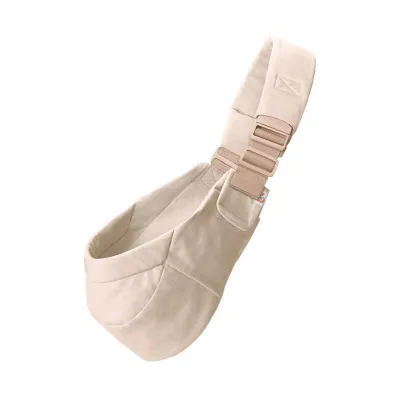
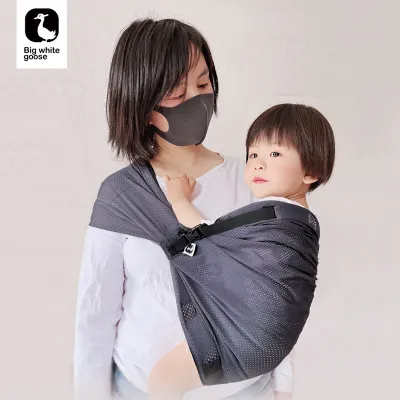
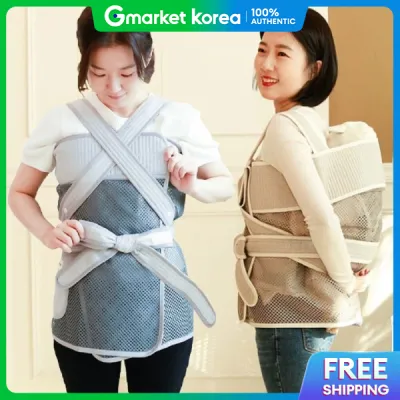
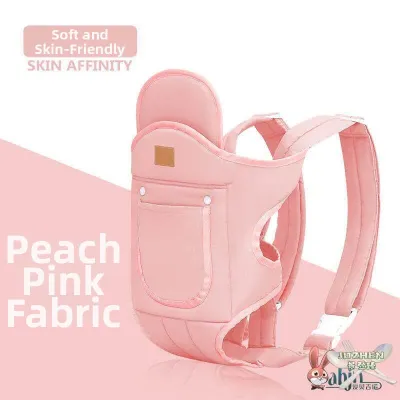
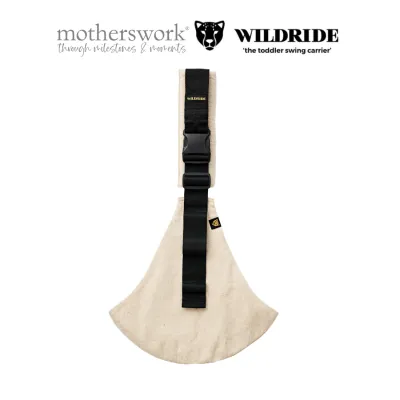
Prices are valid at publication and may change. Please refer to the product page for the latest price.
For the carrying parent, ergonomics are primarily about weight distribution. Because slings are typically worn over one shoulder, they create an asymmetrical load. A well-designed sling distributes this weight diagonally across the wearer’s back and chest, utilizing the large muscle groups of the torso rather than concentrating the pressure on the neck and shoulder. If the fabric is too narrow or lacks the structure to spread evenly, it can act like a tight rope, compressing the trapezius muscle and leading to neck strain, shoulder digging, and tension headaches.
Furthermore, a toddler’s center of gravity is higher and more dynamic than an infant’s. Toddlers wiggle, lean back, and point at objects, which constantly shifts the load on the caregiver’s body. An ergonomic sling must have sufficient grip and tension control to keep the child held close to the parent’s center of gravity. When the child is held snug and high—close enough to kiss—the parent’s spine can remain upright, preventing the compensatory forward-leaning posture that causes chronic lower back pain.
Key Design Features to Evaluate in Carrier Slings
When comparing toddler carrier sling brands in Singapore, fabric selection is one of the most critical factors due to the year-round heat and high humidity. Heavy, tightly woven synthetic fabrics can trap body heat and sweat, leading to discomfort and heat rashes for both parent and child. Natural fibers like linen and high-quality woven cotton are highly recommended for tropical climates. Linen is exceptionally breathable, wicks moisture away quickly, and possesses high tensile strength with minimal stretch, making it highly supportive for heavier toddlers.

Bamboo-blend fabrics are another popular option, prized for their softness and cooling properties. However, pure bamboo can sometimes be too slippery under the weight of a heavier toddler, so parents should look for bamboo blended with linen or cotton to ensure structural integrity. Woven wraps and ring slings made from jacquard or cross-twill weaves offer a balance of diagonal stretch and vertical support, allowing the fabric to mold precisely around the toddler’s body without sagging under their weight over time.
Adjustable seat width is another essential feature to evaluate. Unlike structured carriers that have fixed seat panels, a ring sling allows the parent to manually adjust the seat width by spreading the fabric from one knee crease to the other. To accommodate a growing toddler, the fabric width of the sling should generally be between 70 and 80 centimeters. This width ensures there is enough material to create a deep, secure pocket under the toddler’s bottom while still extending fully to support the thighs, preventing any fabric from cutting into the back of the knees.
Padding placement and edge finishing can significantly impact long-term comfort. Some slings feature padded rails (the top and bottom edges of the fabric) to prevent the material from digging into the toddler’s thighs or the parent’s neck. While padding adds comfort, it can make the fabric more difficult to adjust through the rings. Unpadded rails, often found in premium woven slings, offer maximum adjustability but require more precise threading and spreading techniques. Parents should also inspect the rings of a ring sling; they must be seamless, safety-tested aluminum rings of an appropriate size (usually large) to allow smooth adjustment of toddler-weight fabrics.
How to Verify Brand Claims and Safety Standards
Because “ergonomic” is not a legally regulated term, parents must look beyond marketing descriptions and verify product specifications directly from official manufacturer documentation. The first step is to locate the physical product tag or the instruction manual to verify the maximum weight limit and age recommendations. Never assume a carrier is suitable for a toddler based solely on the product name or visual appearance. Many standard slings are only rated up to 15 kilograms, which a fast-growing toddler can quickly approach, while specialized toddler-grade slings may support up to 20 kilograms or more.
Safety testing certifications provide objective proof of a carrier’s structural integrity. Parents should check if the brand complies with recognized international safety standards, such as ASTM F2907 in the United States or CEN/TR 16512 in Europe. These standards subject the carrier to rigorous testing, including dynamic load tests, seam strength evaluations, and chemical safety checks on dyes and metal rings. This information is typically listed on the manufacturer’s website or the product packaging, and parents should verify these details before purchasing.
Another valuable resource is the International Hip Dysplasia Institute (IHDI). The IHDI evaluates babywearing products and designates those that support healthy hip development as “hip-healthy.” Parents can search the IHDI official database to confirm if a specific brand and model have received this recognition. While a lack of listing does not automatically mean a carrier is unsafe, an official designation provides peace of mind that the design inherently supports the correct spread-squat position when used properly.
Finally, parents should purchase toddler carrier slings from official brand stores or authorized local distributors in Singapore. Buying from reputable sources ensures that the product is genuine and has not been subjected to unauthorized modifications. Counterfeit carriers, which are occasionally found on unregulated online marketplaces, often use sub-standard rings, weak stitching, or low-grade fabrics that can fail under a toddler’s weight. Authorized retailers also provide valid manufacturer warranties and clear return policies, which are essential if you discover the carrier does not fit your body type or meet your comfort expectations.
Fitting and Adjusting Your Toddler Carrier Sling
Achieving a safe and ergonomic fit with a toddler carrier sling requires proper technique and regular adjustment. Before placing the toddler in the sling, the fabric must be threaded correctly through the rings. Ensure the fabric is spread evenly across the rings without any twists or bunched sections. Spreading the fabric like a fan allows you to adjust the tension of the top, middle, and bottom rails independently, which is crucial for securing a heavier child who may lean or shift their weight.
To position the toddler, place them on your hip opposite the rings and slide the fabric up their back, ensuring it reaches at least to their armpits, or to their shoulders if they are prone to leaning back. The most critical step is creating a deep “seat” or pocket. Reach between your body and the toddler’s bottom to pull the lower rail of the fabric upward, tucking it high between the toddler’s pelvis and your abdomen. This tilts the toddler’s pelvis slightly forward, naturally placing them in the M-position with their knees higher than their bottom.
Once the seat is established, tighten the sling by pulling the fabric through the rings in the direction it came from, rather than pulling straight down. The fabric must be tight enough to hold the toddler snugly against your chest or hip, preventing any sagging. A loose sling allows the toddler to slump, which can compromise their airway and place immense strain on your shoulders and lower back. Always perform a quick safety check: ensure the toddler’s face is fully visible, their chin is off their chest, and the fabric supports them continuously from knee crease to knee crease.
For parent comfort, the shoulder fabric must be spread widely over your shoulder joint, acting like a cap. Avoid letting the fabric bunch up near your neck, as this compresses the sensitive nerves and muscles of the shoulder. The fabric across your back should be spread flat and low, positioned below your shoulder blades to distribute the weight evenly across your torso. Because Singapore’s climate is warm, both parent and toddler should wear lightweight, breathable clothing to prevent overheating while maintaining close physical contact.
When to Stop Using a Sling and Transition to Other Carriers
While a toddler carrier sling is a highly versatile and portable tool, there comes a point when physical development or lifestyle changes necessitate a transition to a different type of carrier. The most definitive indicator is the manufacturer’s weight limit. Once a toddler reaches the maximum weight specified in the product documentation, continued use of the sling poses a safety risk, as the seams, rings, or fabric may experience structural fatigue. Parents must monitor their child’s weight regularly and retire the sling once the limit is reached.
Physical discomfort in the caregiver is another clear sign that it is time to transition. Because a sling distributes weight asymmetrically over one shoulder, carrying a heavy toddler for extended periods can eventually cause muscle fatigue, shoulder digging, or lower back strain, even with perfect technique. If you find that you can no longer carry your toddler comfortably for more than fifteen to twenty minutes without experiencing pain, it is advisable to stop using the sling and consult a professional babywearing consultant or a pediatric physiotherapist to discuss more supportive carrying options.
Additionally, a toddler’s growing desire for independence will influence your carrying choices. As toddlers develop their motor skills, they often want to transition frequently between walking and being carried. While a ring sling is quick to put on and take off, a toddler who constantly wriggles to get down can make maintaining a secure fabric seat difficult. In such cases, transitioning to a structured ergonomic carrier with a padded waistband, a hip seat carrier, or a frame backpack carrier may be more practical.
These alternative carriers distribute the child’s weight symmetrically across both shoulders and the hips, making them far more comfortable for longer outings, such as family walks in Singapore’s nature reserves or extended shopping trips. Structured carriers also feature quick-release buckles that make loading and unloading an active toddler much faster and more secure. By recognizing these physical and behavioral signs, parents can transition smoothly to a carrier that continues to support their child’s growth and their own physical well-being.
Frequently Asked Questions (FAQ)
Can a sling support a heavy toddler comfortably?
Yes, a sling can support a heavy toddler comfortably, but its success depends heavily on fabric selection, shoulder spreading, and the duration of the carry. Slings made from high-density linen or supportive woven cotton are specifically designed to handle heavier weights without sagging. To maximize comfort, the caregiver must spread the shoulder fabric widely over the shoulder joint and keep the back fabric flat and low to distribute the weight across the entire torso. However, because a sling is an asymmetrical carry, it is generally best suited for short to medium-duration carries, such as quick trips to the local market, navigating MRT stations, or soothing a tired toddler, rather than all-day excursions.
What is the difference between a sling and a structured carrier for toddlers?
The primary difference lies in weight distribution, structure, and ease of use. A toddler carrier sling consists of a single piece of fabric adjusted through rings or wrapped around the body, distributing the child’s weight asymmetrically over one shoulder and diagonally across the back. Slings are highly compact, easy to pack into a diaper bag, and allow for quick, custom adjustments to fit different caregivers. In contrast, a structured carrier features a defined seat panel, padded shoulder straps, a thick supportive waistband, and buckle closures. It distributes the toddler’s weight symmetrically across both shoulders and the hips, making it significantly more comfortable for carrying heavier children over long distances, though it is bulkier to carry when not in use.

Community discussion
Share your experience or ask a question. Comments are reviewed before publication.