
Transitioning a toddler from diapers to potty training underwear is a significant milestone for families in Singapore. Finding the right reusable potty training underwear involves evaluating how different cloth diaper brands design their transition garments. Because specific brand rankings change frequently and depend on individual toddler shapes, the most reliable approach is to assess options based on absorbency layers, waterproof barriers, and how easily a child can pull them up and down independently.
In Singapore’s warm and humid climate, selecting the right materials is crucial. High humidity affects both how comfortable the fabric feels against a toddler’s sensitive skin and how quickly the garments dry after washing. By focusing on structural design, material composition, and practical maintenance, you can build a reliable shortlist of reusable training pants that support your child’s independence while protecting your home from unexpected leaks.
Defining Your Needs: Training Pants vs. Regular Cloth Diapers
Standard cloth diapers are engineered to keep moisture away from the baby’s skin using stay-dry liners like microfleece or athletic wicking jersey. This design is excellent for preventing diaper rash during infancy, but it can delay potty training because the child does not connect the sensation of urinating with feeling wet. In contrast, reusable potty training underwear is intentionally designed with a semi-absorbent inner layer, often made of cotton or bamboo, which allows the toddler to feel the dampness immediately. This sensory feedback is a critical tool in helping them recognize when they need to use the toilet.
Products mentioned in this guide
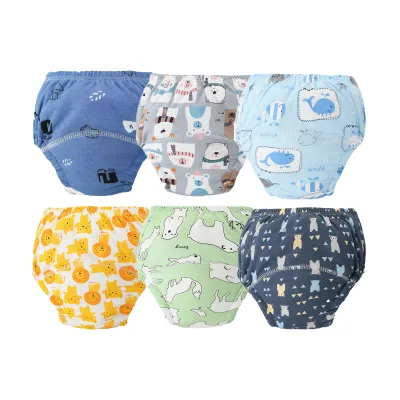
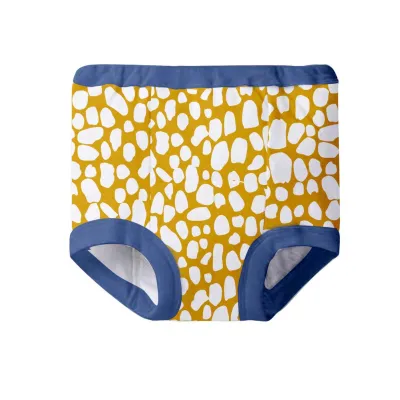
![[SG Ready Stock] Baby Toilet Training Pants 6 Layers Cotton Toddler Kid Potty Training Underwear Washable Cloth Diaper Children Day Gifts](https://img.lazcdn.com/g/p/3987f2eec680cd64554d9932f24c6993.jpg_400x400q80.jpg_.webp)
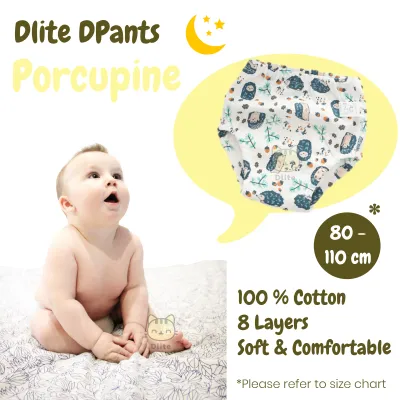
![[SG Ready Stock] Baby Toddler Girls Boys 6 Layer Cotton Toilet Potty Training Pants Rewashable Underwear Diapers [Little Gems] BLO005](https://img.lazcdn.com/g/p/2a916066007ab405e641b91f01fdee67.jpg_400x400q80.jpg_.webp)
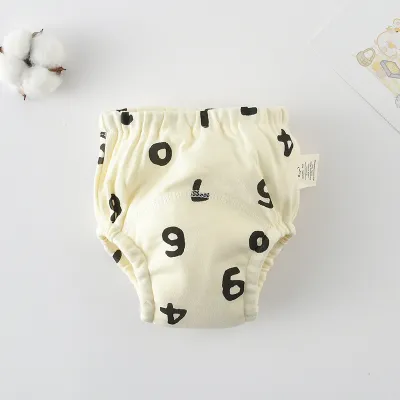
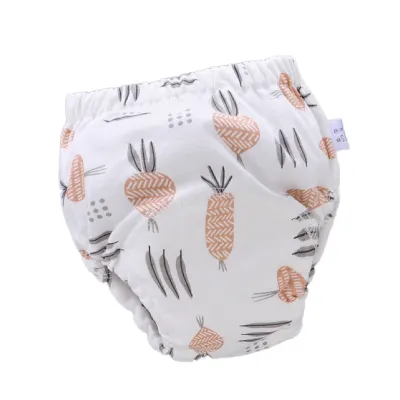
![[4 at $10.90] Baby Toilet Training Pants 6 Layers Reusable Cloth Diaper Waterproof Underwear Nappy Potty Highly Absorbent](https://img.lazcdn.com/g/p/197076b91cd3cd72b6ad2647e18e82e9.png_400x400q80.png_.webp)
Prices are valid at publication and may change. Please refer to the product page for the latest price.
Structural differences also play a major role in toddler independence. Standard cloth diapers typically feature complex snap systems or hook-and-loop tabs designed to keep the diaper securely fastened by an adult. Potty training underwear, however, features a pull-up design with a highly elasticized waistband. This allows toddlers to pull the underwear down when they feel the urge to go and pull them back up afterward, mimicking adult underwear and fostering self-reliance. Some training pants also include side snaps, but these are intended for parents to easily remove soiled pants without pulling a mess down the child’s legs.
Recognizing readiness signals is essential before making the switch from standard diapers. If your child is staying dry for two hours or more, showing interest in the bathroom, or communicating when they have soiled their diaper, they may be ready for training pants. Transitioning too early can lead to excessive laundry and frustration, while waiting too long might miss the window of natural curiosity. Understanding these differences ensures you select a product category that matches your child’s developmental stage.
Building Your Shortlist: Evaluation Criteria for Training Underwear
When researching cloth diaper brands that manufacture reusable training pants, creating a systematic checklist of features will help you identify high-quality options. The first element to evaluate is the inner layer material. Look for natural fibers such as organic cotton, cotton terry, or bamboo blends. These materials are gentle on sensitive skin, highly breathable in Singapore’s tropical heat, and provide the necessary wetness feedback. Avoid synthetic stay-dry liners in this section of the garment, as they defeat the purpose of training pants by masking the sensation of dampness.

The absorbent core and the waterproof barrier must be carefully balanced. The core should have enough layers of absorbent material—such as cotton, bamboo, or microfiber—to catch a single small accident, but not so many layers that the underwear becomes bulky and resembles a diaper. Surrounding this core, a high-quality waterproof outer layer, typically made of Polyurethane Laminate (PUL) or Thermoplastic Polyurethane (TPU), is essential. This barrier prevents moisture from instantly seeping through to outer clothing, giving you time to guide your child to the bathroom after an accident occurs. Check product labels to verify that the waterproof layer covers the entire wetness zone.
Ease of use is another critical factor for both the toddler and the caregiver. Evaluate the elasticity of the waistband; it should be soft and stretchy enough for a toddler to manage independently without pinching the skin. Additionally, look for brands that offer side snaps or tear-away panels. While a toddler should practice pulling the pants up and down, having side snaps is invaluable for caregivers when dealing with solid accidents, as it allows you to lay the child down and remove the soiled garment cleanly.
Finally, prioritize brand transparency and clear manufacturing standards. Trustworthy brands provide detailed material sourcing information, clear washing instructions, and realistic performance expectations. Be skeptical of brands making unverified claims of absolute leak-proofing or universal sizing. A reputable manufacturer will openly state the limits of their training pants’ absorbency, helping you understand that these garments are designed to catch accidents rather than act as a full-capacity diaper.
Navigating Sizing, Fit, and Toddler Comfort
Achieving the correct fit is paramount to preventing leaks and ensuring your toddler remains comfortable during active play. Unlike standard diapers, which often feature highly adjustable rise snaps to fit a wide range of ages, training underwear relies heavily on precise sizing. Before consulting any brand’s size chart, take accurate measurements of your toddler’s waist and thigh circumferences using a soft measuring tape. Relying solely on your child’s age or weight can lead to a poor fit, as toddlers of the same weight can have vastly different body shapes.
Pay close attention to the leg gusset design and elastic tension. The leg openings must fit snugly against the skin to contain leaks, yet they must be gentle enough to avoid leaving deep red marks or restricting movement. Look for gentle, fabric-covered elastics rather than exposed elastic bands, which can chafe against sensitive thighs in Singapore’s humid climate. A proper fit should allow you to easily slip one finger under the leg band and waistband without feeling excessive resistance.
Some brands offer semi-adjustable features, such as hidden internal drawstrings or side snaps that allow you to customize the waist size. These features are highly beneficial for toddlers who fall between standard sizes or those with unique proportions, such as a slim waist paired with chunky thighs. If a brand’s size chart lacks clear weight, waist, or thigh guidelines, or if the measurements overlap significantly without clear guidance, treat this as a red flag and consider looking at alternative brands that provide more precise sizing metrics.
Washing, Care, and Longevity Expectations
Maintaining reusable potty training underwear requires a consistent routine to ensure hygiene and preserve the longevity of the fabrics. The process begins with removing solid waste immediately. If an accident occurs, solid waste should be plopped into the toilet, and the training pants should be pre-rinsed before being placed in a dry pail. Do not let soiled training pants sit in a closed, humid container for more than two days, as Singapore’s warm climate highly encourages the growth of mold and bacteria.
When washing, always refer to the manufacturer’s label for specific temperature and detergent guidelines. Generally, a warm wash cycle with a residue-free detergent is recommended to sanitize the absorbent layers. Avoid fabric softeners, bleach, and detergents containing optical brighteners or heavy fragrances. Fabric softeners coat the fibers of the absorbent core, drastically reducing their ability to absorb liquid and leading to premature leaks.
Drying methods significantly impact the lifespan of the waterproof PUL or TPU layers and the elasticity of the bands. While line-drying in natural sunlight is excellent for sanitizing and naturally bleaching stains, prolonged exposure to intense tropical heat can degrade the waterproof laminate over time. If you use a clothes dryer, select a low-heat setting to protect the delicate elastics and waterproof barriers.
Over time, all reusable garments will show signs of wear. Inspect your training pants regularly for relaxed elastics around the waist and legs, which can cause gaping and leaks. Additionally, check the inner lining for any delamination—where the waterproof film separates from the fabric—or persistent odors that do not resolve after a deep clean. When these signs appear, it is time to retire the pair to maintain comfort and hygiene.
Sourcing Authentic Brands and Verifying Local Availability
To ensure you are purchasing genuine, high-quality reusable training underwear, it is best to source them from official brand websites, authorized local distributors, or verified flagship stores on reputable online marketplaces. Purchasing from authorized channels guarantees that the materials used are safe, non-toxic, and compliant with international textile standards, which is especially important for garments in direct contact with your child’s skin.
When shopping online, verify the shipping origin and estimated delivery times. Many international brands have local distributors in Singapore, which can significantly reduce shipping times and carbon footprints. Additionally, carefully review the return and exchange policies. Because training underwear is a personal hygiene product, most retailers do not accept returns once the packaging has been opened. This makes accurate sizing measurements even more critical before finalizing your purchase.
Engaging with local parenting communities, forums, or social media groups can provide valuable real-world insights. Local parents can offer feedback on how specific brands hold up under Singapore’s washing conditions and humid weather. They can also recommend responsive local customer service teams who can assist with sizing queries or replacement parts. Avoid purchasing from unauthorized third-party sellers or unverified discount sites, as these products may be counterfeit, improperly stored, or lack any form of warranty or customer support.
Frequently Asked Questions (FAQ)
How many pairs of reusable training underwear do I need for the transition?
The ideal number of training pants depends on your daily washing frequency, your child’s current stage in the potty training process, and Singapore’s weather. If you plan to wash laundry every day, a starter stash of 6 to 8 pairs is usually sufficient. This allows for 3 to 4 changes per day while the other half is in the wash or drying. If you prefer to wash every other day, or if your child is in the early stages of training with frequent accidents, a larger rotation of 10 to 12 pairs is recommended. Keep in mind that during the monsoon season, high humidity can extend line-drying times, so having a few extra pairs on hand can prevent you from running out of clean underwear.
Can I use reusable training pants overnight or during naps?
Generally, standard reusable training pants are not designed for overnight use or long naps. Their primary purpose is to provide wetness feedback for small daytime accidents, meaning they have limited absorbency compared to dedicated night-time cloth diapers. If a toddler urinates fully while asleep, standard training pants will likely leak onto the bedding. For naps and overnight sleep, it is safer to use dedicated overnight cloth diapers with high-capacity absorbent inserts, or to place a highly absorbent booster pad inside the training pants if the brand’s design permits. Additionally, using a waterproof mattress protector is a practical safeguard during this transitional phase.

Community discussion
Share your experience or ask a question. Comments are reviewed before publication.