
Finding a reliable playing mat for kids in Singapore requires looking past flashy marketing and focusing on practical, verifiable standards. With the tropical climate, frequent outdoor outings to local parks, and the compact nature of Singapore homes, a portable play mat must serve multiple purposes. To make an informed decision, parents must evaluate brands based on material safety, structural integrity, and local retail support. This guide outlines the essential parameters to help you assess options in local baby boutiques, department stores, and online marketplaces.
By establishing a systematic approach to evaluating these products, you can avoid the pitfalls of low-quality alternatives that may degrade quickly or fail to provide adequate protection. Whether you plan to use the mat for weekend picnics at East Coast Park, playdates at a friend’s apartment, or as a temporary play zone in your living room, understanding what makes a brand reliable ensures your investment is safe and durable. Let us explore the core criteria, material safety checks, portability trade-offs, and verification steps necessary to choose the right portable play mat for your family.
Core Criteria for Evaluating Portable Play Mat Brands
When assessing portable play mat brands, transparency regarding manufacturing origins and material sourcing is a primary indicator of quality. Reputable brands openly share details about where their mats are produced, the specific raw materials used, and the quality control processes they employ. This level of transparency allows parents to verify that the brand adheres to international manufacturing standards rather than relying on unverified claims. Brands that hide or obscure their manufacturing origins should be approached with caution, as this lack of openness often correlates with inconsistent product quality.
Products mentioned in this guide
![[SG] Kids Playmat Airport & City 70x80cm - Foldable Road Play Mat for Toy Cars Travel Educational Toy](https://img.lazcdn.com/g/p/d262ddbfdfe95a16bb97e3c60f2539a7.png_400x400q80.png_.webp)
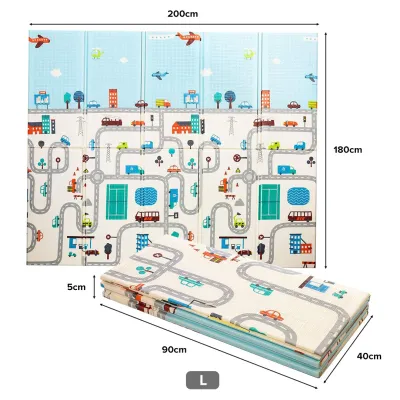
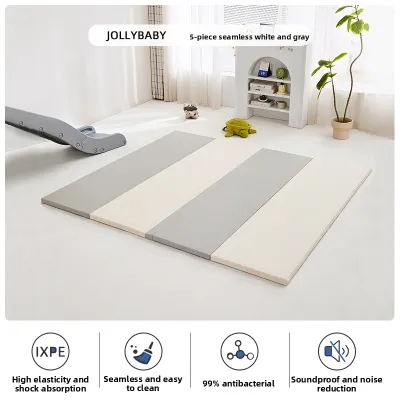
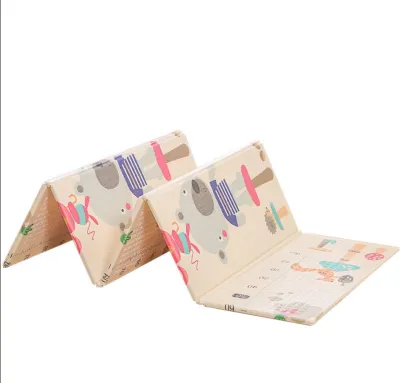
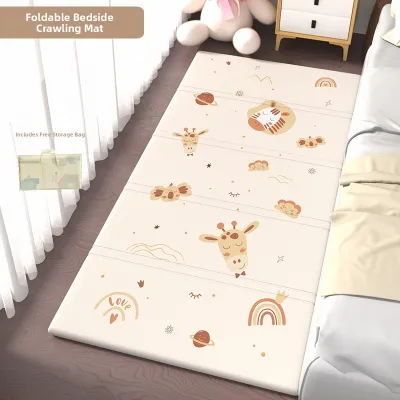
Prices are valid at publication and may change. Please refer to the product page for the latest price.
Another critical factor is the availability of local customer support, clear warranty policies, and straightforward return conditions within Singapore. Purchasing a play mat from a brand with an established local distributor or a dedicated customer service presence ensures that any issues can be resolved quickly. If a mat arrives with a manufacturing defect or suffers premature wear, a reliable local support system allows for hassle-free returns or replacements without the high shipping costs and long wait times associated with overseas sellers. Before buying, check the brand’s website or local retail partner to confirm their return window and warranty terms.
Consistency in product lines and reliable availability across major local retail channels are also strong indicators of a brand’s stability. Brands that have a sustained presence in established Singapore department stores, physical baby boutiques, and official online flagship stores are generally more dependable. This consistent market presence suggests that the brand’s products meet the rigorous standards required by local retailers. Furthermore, it ensures that if you need to purchase matching accessories, such as a replacement carrying bag or a compatible playpen enclosure, those items will be readily available when you need them.
Material and Safety Checks for Outdoor and Travel Use
Using a play mat outdoors exposes it to a variety of environmental challenges, making material durability and water resistance essential considerations. Singapore’s high humidity, sudden rain showers, and diverse outdoor terrains—ranging from sandy beaches to damp park lawns—demand a mat that can withstand moisture and dirt. Evaluate the manufacturer’s specifications to ensure the mat features a high-quality, water-resistant outer layer that prevents dampness from seeping through to your child. The surface should be easy to wipe clean with a damp cloth, resisting stains and odors from spilled drinks, sweat, or outdoor soil.

Material safety is paramount, especially for infants and toddlers who spend significant time in direct contact with the mat’s surface. When evaluating brands, look for verifiable safety labels and non-toxic material certifications printed directly on the product packaging or detailed in official product listings. Key certifications to look for include the European Toy Safety Standard (EN71), the American Society for Testing and Materials (ASTM) standards, or the Korea Certification (KC) mark. These labels indicate that the mat has undergone testing for harmful substances such as phthalates, heavy metals, formamide, and BPA, ensuring a safer play environment for your child.
In addition to chemical safety, a thorough physical inspection of the play mat is necessary to identify potential mechanical hazards. Before allowing your child to use the mat, examine the construction for any small detachable parts, such as loose zippers, decorative buttons, or poorly stitched labels, which could pose a choking risk. Inspect the edges and seams to ensure they are securely bound and free from sharp plastic edges or rough textures that could scratch sensitive skin. For foldable mats, check that the creases and joints are designed in a way that prevents tiny fingers or toes from getting pinched during active play.
Portability Features and Design Trade-offs
Selecting the right portable play mat involves balancing your specific travel needs with the physical design of the mat. The two primary designs available are foldable (accordion-style) and rollable mats, each offering distinct advantages and trade-offs. Foldable mats are highly popular for travel because they fold down into compact, rectangular shapes that fit easily into car boots, stroller baskets, or tight storage spaces in Singapore apartments. They can also be set up and packed away in seconds. Rollable mats, on the other hand, provide a completely seamless surface without creases, but they tend to be bulkier to transport and require straps to remain compact.
Another critical trade-off to consider is the relationship between mat thickness and overall weight. A thicker mat, typically ranging from 1 cm to 2 cm, provides excellent cushioning and shock absorption, which is ideal for protecting babies who are learning to sit up, crawl, or walk on hard surfaces. However, thicker mats are naturally heavier and bulkier, making them more challenging to carry over long distances. For outdoor excursions where you must carry multiple bags, a slightly thinner, lightweight mat (around 0.5 cm to 1 cm) may offer a more practical balance of basic comfort and easy portability.
The design and durability of carrying accessories can significantly impact the usability of a portable play mat. Look for brands that include high-quality carrying bags, integrated handles, or sturdy shoulder straps with their mats. Evaluate the stitching and material of these accessories, as they will bear the weight of the mat during transport. A poorly designed carrying strap that digs into your shoulder or a flimsy storage bag that tears after a few uses can quickly turn a portable mat into a hassle to transport. Ergonomic, wide straps and breathable mesh storage bags are excellent features to look for.
How to Verify Brand Claims and Product Specifications
To ensure that a portable play mat meets your expectations, it is essential to validate the manufacturer’s marketing claims before making a purchase. One of the most effective ways to do this is by cross-referencing brand claims with independent user reviews. Look for feedback from parents who have used the mat in similar environments, such as local parks or during travel. Pay close attention to comments regarding long-term durability, how well the mat resists punctures from twigs or small stones, and whether the material begins to peel or fade after repeated cleaning. Independent reviews often reveal practical insights that product descriptions omit.
Carefully reading the product labels and specification sheets is another crucial step in the verification process. Confirm the exact dimensions of the mat when fully unfolded to ensure it fits your intended play area, whether that is a specific spot in your living room or inside a portable playpen. Additionally, check the folded dimensions to verify that it fits into your car boot or storage closet. Pay close attention to the manufacturer’s recommended age range and developmental stages. Some mats are designed specifically for gentle tummy time, while others are engineered to withstand the high-impact play of older toddlers.
If you encounter conflicting information, vague safety claims, or unclear material compositions during your research, it is best to stop and seek clarification. Do not hesitate to contact the manufacturer’s customer service department or consult a qualified retail professional in Singapore to verify the product’s safety standards. If your child has specific skin sensitivities, allergies, or medical conditions, consult a pediatrician before introducing a new synthetic material into their play space. Taking these precautionary steps ensures that the play mat you select provides a genuinely safe and supportive environment for your child’s development.
Frequently Asked Questions (FAQ)
How should I clean and maintain a portable play mat after outdoor use?
To prolong the lifespan of your portable play mat, establish a regular cleaning routine after each outdoor excursion. Start by shaking the mat thoroughly to remove loose dirt, sand, grass, or debris. Wipe the entire surface with a soft, damp cloth and a mild, baby-safe detergent, paying close attention to any creases or textured patterns where dirt can accumulate. Avoid using harsh chemical cleaners, bleach, or abrasive scrubbing brushes, as these can damage the water-resistant coating and irritate your child’s skin. Always refer to the manufacturer’s specific care instructions, as some materials may be sensitive to certain cleaning agents or should never be submerged in water.
Proper drying and storage are equally important to prevent material degradation and maintain hygiene. After wiping the mat down, allow it to air dry completely in a well-ventilated, shaded area before folding or rolling it for storage. Avoid placing the mat in direct sunlight for extended periods, as intense UV rays can cause the colors to fade and the materials to become brittle. In Singapore’s warm and humid climate, storing a damp mat can quickly lead to the growth of mold and mildew. Ensure the mat is entirely dry and store it in a cool, dry place away from direct heat sources to keep it in optimal condition.
What are the signs that a portable play mat needs to be replaced?
Regularly inspecting your portable play mat for signs of wear and tear is essential for maintaining a safe play environment. Conduct visual and tactile checks to identify any deep tears, punctures, or peeling outer layers. If the outer material has begun to crack or peel, or if the inner foam is exposed, the mat should be replaced immediately. Exposed foam can be easily picked apart by curious fingers, presenting a serious choking hazard for young children. Additionally, check if the cushioning has compressed significantly over time; if the mat no longer provides adequate shock absorption against hard surfaces, it is no longer serving its protective purpose.
Structural damage and compromised components are also clear indicators that a mat has reached the end of its useful life. For foldable mats, inspect the joints and creases for splitting or tearing, which can create tripping hazards or pinch points. If the mat features integrated straps, buckles, or non-slip backing, ensure these components are still secure and functioning correctly. Finally, evaluate whether the mat’s physical size and weight limits still align with your child’s current developmental stage. As children grow and become more active, they may require a larger, more robust play surface to support their movements safely.

Community discussion
Share your experience or ask a question. Comments are reviewed before publication.