
Starting toilet training is a major developmental milestone, but walking down the baby care aisle can quickly become overwhelming. Parents are often met with an endless array of miniature toilets, singing chairs, specialized step stools, and high-tech accessories that promise instant success. The reality is that your child only needs a few basic, well-designed items to transition successfully from diapers to using the household toilet.
To keep your bathroom clutter-free and your budget intact, it helps to distinguish between true essentials that support physical safety and optional items that simply offer convenience. A successful transition depends far more on your child’s developmental readiness and a consistent routine than on a collection of specialized gadgets. By focusing on stability, hygiene, and ease of cleaning, you can create a supportive environment without overcomplicating your home.
The Core Essentials: What You Must Have for Toilet Training
When setting up your home for toilet training, your primary goals are safety, physical accessibility, and hygiene. Children need to feel physically secure to relax their pelvic floor muscles, which means their feet must be supported and their seating must be completely stable. The core toolkit consists of only two or three high-quality items that directly facilitate this physical setup.
Products mentioned in this guide
Prices are valid at publication and may change. Please refer to the product page for the latest price.
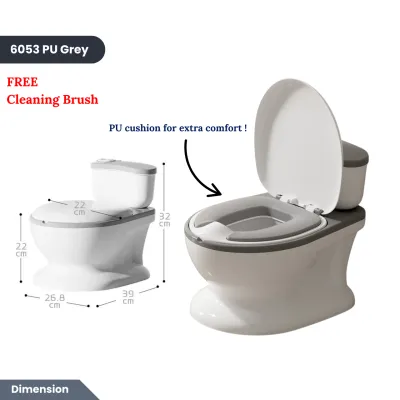
The first major decision is choosing between a freestanding potty and a toilet seat reducer that fits over your existing adult toilet. A freestanding potty is highly portable and sits low to the ground, allowing a toddler’s feet to plant firmly on the floor naturally. This low posture mimics the natural squatting position, which anatomically eases bowel movements. For smaller bathrooms, such as those in typical Singapore apartments, a compact freestanding potty can easily be tucked into a corner or moved to a dry area when not in use.
Alternatively, a toilet seat reducer is an insert that scales down the opening of an adult toilet seat so a child does not feel like they might fall in. This option is excellent for families who want to skip the step of transitioning from a separate bowl to the main toilet. However, because adult toilets are high, a seat reducer must always be paired with a sturdy step stool. Without a stool, a child’s legs will dangle, causing muscle tension that makes elimination difficult and creating a fear of falling.
A step stool is therefore a non-negotiable essential if you choose a seat reducer, and it remains highly useful even with a freestanding potty. A good stool allows your child to climb up to the adult toilet independently and, just as importantly, brings them to the correct height to wash their hands at the sink. When selecting a step stool, look for models with a wide, stable base and rubberized grip feet that prevent sliding on tiled bathroom floors, which frequently become wet and slippery.
Before making any purchase, always verify the manufacturer’s weight limits and safety specifications. Look for products with integrated non-slip rubber borders along the entire bottom edge rather than small rubber pads that can easily peel off over time. The structural design should be smooth and simple; any item with intricate molded plastic details, hollow undersides, or tight crevices will quickly trap dirt and urine, making daily sanitizing a frustrating chore.
Optional Gear: What to Consider Before Adding to Your Cart
Beyond the absolute essentials, several products occupy a middle ground. These items are not strictly necessary for every family, but they can offer genuine convenience depending on your daily routine, laundry capacity, and how often you travel outside the home. Evaluating these products against your specific lifestyle will help you avoid unnecessary spending.

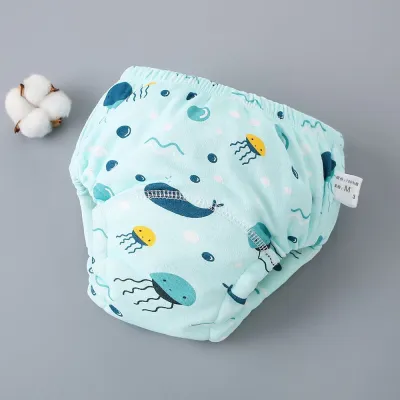
Reusable training pants are a popular transitional tool positioned between disposable diapers and standard cotton underwear. These pants feature a semi-absorbent inner layer designed to catch small leaks while still allowing the child to feel the sensation of wetness, which is a crucial cognitive link in the training process. If you have the laundry capacity to handle frequent small loads, reusable training pants can be a highly effective tool. However, in humid climates where line-drying thick fabrics takes longer, you may need to purchase a larger quantity or rely on disposable training pants during the initial weeks.
Portable travel potties are another option to consider based on your family’s lifestyle. If you frequently visit parks, travel long distances, or spend hours away from public restrooms, a compact, folding travel potty can prevent stressful emergencies. Some models fold flat to fit into a diaper bag and use disposable, biodegradable liners. If your outings are mostly limited to shopping malls or indoor spaces with easily accessible family restrooms, a travel potty may simply end up taking up valuable storage space in your home.
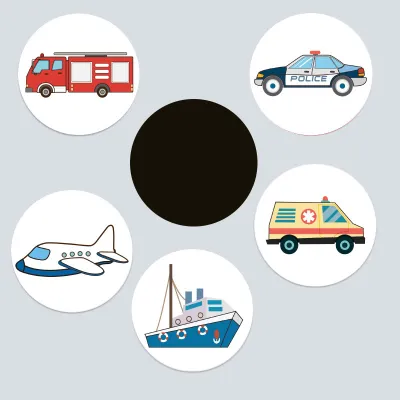
Reward charts, stickers, and commercial storybooks are frequently marketed as essential motivational tools. While positive reinforcement is highly beneficial, you do not need to buy expensive, branded kits to achieve this. Simple DIY alternatives, such as a hand-drawn chart on a piece of paper with basic stickers, work just as well to celebrate small successes. Many families find that verbal praise, high-fives, or a special song are more than enough to keep their child motivated without introducing physical rewards that must eventually be phased out.
What to Skip: Products That Waste Your Budget and Space
The baby product market is filled with novelty items designed to appeal to parents looking for a quick or easy solution to toilet training. However, many of these products actually hinder the training process, create unnecessary hygiene challenges, or simply waste your money. Recognizing these marketing gimmicks beforehand will keep your bathroom functional and clutter-free.
Overly complex electronic or musical potties are a prime example of unnecessary gear. These units often feature built-in sensors that play music or make cheering sounds when wet, which is intended to delight the child. In practice, the electronic components make these potties incredibly difficult to clean, as they cannot be fully submerged in water or scrubbed with standard household disinfectants. Furthermore, the sudden noise can startle sensitive children, creating an aversion to the potty, or turn the bathroom visit into a playtime session rather than a functional routine.
Potty training sprays, target toys designed to be placed in the toilet bowl, and color-changing additives are also highly practical to avoid. While target toys are sometimes suggested to help boys aim, they introduce significant hygiene risks. Retrieving plastic targets from a toilet bowl for cleaning is unhygienic, and leaving them in the bowl can lead to accidental flushing and costly plumbing blockages. Simple, natural instruction and physical guidance are far more sanitary and effective than adding plastic novelties to your toilet water.
Finally, be highly skeptical of “guaranteed” quick-training kits or programs that promise complete success in a weekend when paired with their specific product bundles. Toilet training is a developmental milestone that relies on physical bladder control and cognitive awareness, neither of which can be artificially accelerated by a commercial package. Every child develops at their own pace, and attempting to force a rigid timeline using a specialized kit often leads to frustration, power struggles, and regression.
A Practical Checklist for Choosing the Right Potty
If you have decided on the type of equipment that most appropriately suits your home, using a structured checklist during your search will ensure you select a safe, practical, and durable model. Taking a few minutes to measure your space and inspect product designs can prevent the hassle of returning unsuitable items.
First, measure your physical bathroom layout. In compact homes, floor space is at a premium, and a freestanding potty with a large footprint can quickly become an obstacle. If you opt for a toilet seat reducer, measure the shape of your adult toilet seat. Adult seats generally come in round or elongated oval shapes, and a reducer must fit snugly without shifting or sliding when your child sits down. A loose-fitting seat reducer can cause a child to lose balance, leading to anxiety about using the toilet.
Second, closely examine the splash guard design. For both freestanding potties and seat reducers, a splash guard is essential to prevent urine from spraying onto the bathroom floor. However, look for integrated, molded splash guards rather than removable ones. Removable splash guards often have small clips or joints that collect moisture and bacteria, and they can easily be dislodged by an active toddler, creating more mess rather than preventing it.
Third, prioritize smooth, crevice-free surfaces. Avoid potties with decorative characters that feature deep grooves, hollow handles, or multi-piece construction. The ideal potty has a simple, removable inner bowl with a smooth lip that can be lifted out, emptied, rinsed, and wiped down in seconds. The fewer seams and joints a product has, the easier it will be to maintain high sanitary standards in your home.
Finally, verify the physical ergonomics of the setup. When your child sits on the potty or the seat reducer (with the step stool in place), their knees should be slightly higher than their hips, and their feet must rest completely flat on a solid surface. This posture relaxes the puborectalis muscle, making it significantly easier for them to empty their bladder and bowels completely. If their feet dangle or if they have to stand on their tiptoes, the setup is too high and needs adjustment.
Beyond the Gear: Setting Up for a Smooth Transition
No matter which products you choose to purchase, the success of your toilet training journey depends on your daily approach and your child’s physical readiness. Products are simply tools to assist the process; they cannot replace patience, consistency, and a supportive environment.
One of the most effective ways to support your child’s independence is through their wardrobe. During the training phase, dress your child in loose-fitting clothing with elastic waistbands, such as simple shorts or cotton trousers. Avoid overalls, tight jeans, buttons, snaps, or complex belts that require adult assistance to undo. When a toddler realizes they need to use the bathroom, they often have very little time to spare, and easy-to-remove clothing can mean the difference between a successful trip and an accidental spill.
Establishing a gentle, consistent routine is far more powerful than any reward system. Encourage your child to sit on the potty at natural transition points throughout the day, such as immediately after waking up, shortly after meals, and before leaving the house. Keep these sessions short, positive, and entirely pressure-free. If your child does not produce anything after a few minutes, simply let them get up and try again later without expressing disappointment.
It is equally important to recognize when to pause the process. If your child exhibits intense resistance, begins withholding bowel movements, or experiences painful constipation, these are clear signs that they may not be developmentally ready. Forcing the issue can lead to long-term physical and emotional challenges. In such cases, pack the potty gear away temporarily, return to diapers, and consult your pediatrician for professional guidance on how to manage the transition safely and comfortably.
Frequently Asked Questions (FAQ)
When is the right time to start buying toilet training products?
The most suitable time to purchase toilet training equipment is when your child begins showing clear, consistent signs of developmental readiness, rather than at a specific chronological age. These signs include staying dry for two hours or more, showing interest when family members use the bathroom, expressing discomfort with wet diapers, and being able to follow simple two-step instructions. Buying gear too early often leads to bathroom clutter and can create unnecessary pressure on both you and your child before they are physically capable of training.
Do I need to buy a separate potty for boys and girls?
You do not need to buy gender-specific potties, as the fundamental requirements for stability, comfort, and safety are identical for all children. The primary design feature to look for, regardless of your child’s gender, is an effective, integrated splash guard at the front of the seat. A high, molded splash guard helps direct urine downward into the bowl, which is particularly helpful for boys but also beneficial for girls who are learning proper sitting posture. Focus on finding a universal, ergonomic design that fits your bathroom layout and is easy to clean.

Community discussion
Share your experience or ask a question. Comments are reviewed before publication.