
When selecting a baby nail clipper, prioritizing specific safety features is essential to protect your infant’s delicate skin from accidental nicks. The most critical safety design elements to look for include built-in protective blade guards or safety shields that physically separate the nail from the fingertip, and non-slip, ergonomic handles that give caregivers maximum control. Additionally, always verify the manufacturer’s age-appropriate sizing and cutting mechanisms on the product packaging before purchase. Because infant nails are incredibly soft and grow rapidly, using a tool specifically engineered for their developmental stage is the best way to ensure a stress-free and injury-free grooming routine.
Blade Guards and Cutting Mechanism Protections
Built-in safety shields or blade guards are among the most effective physical barriers against accidental skin nicks. These guards typically consist of a small plastic or metal barrier positioned just behind or around the cutting edge. When you press the clipper down, the shield limits how much of the baby’s tiny finger can enter the cutting zone, ensuring that only the protruding nail edge is trimmed. This design is particularly helpful when dealing with squirmy infants who may flinch unexpectedly during the process.
Beyond the guard itself, you must carefully inspect the blade alignment and sizing of any manual clipper. The cutting edges should be perfectly aligned without any overlapping gaps that could snag or tear the nail instead of slicing it cleanly. The curve of the blade must match the natural, miniature contour of an infant’s fingernail. Standard adult clippers feature a much wider, flatter curve that can easily catch the skin at the corners of a baby’s finger.
Products mentioned in this guide
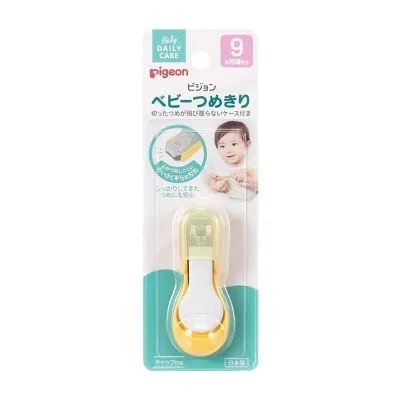
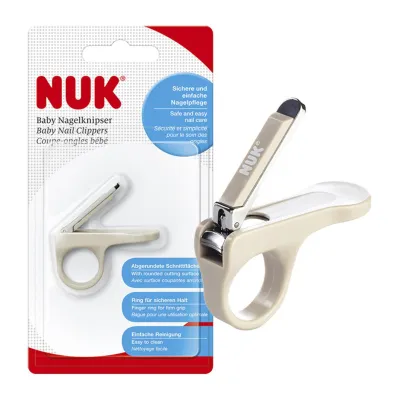
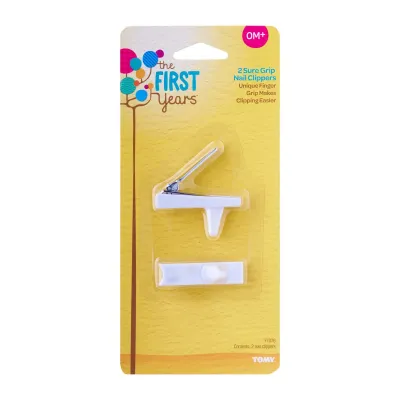
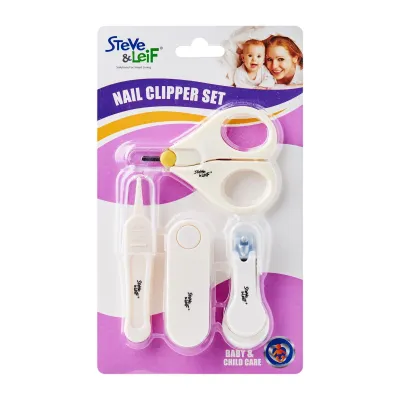
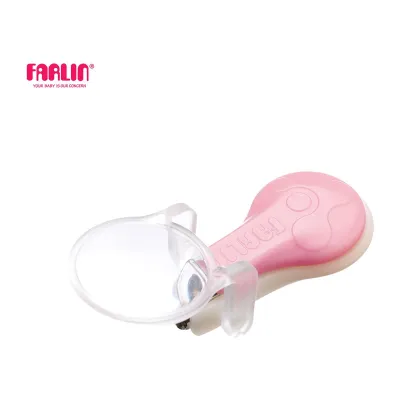
Prices are valid at publication and may change. Please refer to the product page for the latest price.
When evaluating a grooming tool, run your fingers over the entire clipper body to check for smooth, rounded edges. Any sharp plastic seams or rough metal corners on the handle or housing can accidentally scratch your baby’s sensitive skin during a sudden movement. Finally, always rely strictly on the manufacturer’s instructions for proper guard positioning and usage. Never attempt to modify, bend, or remove the safety shields yourself, as doing so compromises the structural integrity of the tool and increases the risk of injury.
Ergonomic Handles for Secure Grip and Control
A clipper is only as safe as your ability to hold it steady. Ergonomic handles designed specifically for adult hands are crucial for maintaining precise control over micro-movements. Look for handle materials that feature textured rubberized grips or non-slip silicone overlays. In warm, humid climates like Singapore, hands can easily become damp or sweaty, making smooth plastic or polished metal handles highly prone to slipping at critical moments.

The physical size and shape of the handle also play a major role in safety. Many high-quality baby clippers feature oversized loops or wide, ergonomic pads that allow you to loop a finger through or rest your thumb securely. This design distributes pressure evenly and prevents the tool from twisting in your hand. When shopping, it is highly beneficial to test the lever resistance and grip comfort in-store if packaging allows, or carefully review the detailed product dimensions and handle specifications when purchasing from online marketplaces. A lever that is too stiff can cause sudden, jerky motions when pressed, while a lever that is too loose will not provide the tactile feedback needed for a clean, controlled cut.
Comparing Safety Profiles: Electric Trimmers vs. Manual Clippers
Choosing between electric nail trimmers and manual clippers depends heavily on your comfort level as a caregiver, your baby’s sensory tolerance, and the manufacturer’s age recommendations. Both options offer distinct safety mechanisms designed to minimize the risk of injury during grooming sessions.
Safety Profile of Electric Nail Trimmers
Electric nail trimmers utilize a battery-operated, rotating filing pad to gently wear down the nail edge rather than cutting it with a blade. This rotary action significantly reduces the risk of deep cuts or skin nicks, making it a popular choice for anxious parents. The filing pads come in various textures or grits, which are typically color-coded to match different age ranges and nail thicknesses.
However, electric trimmers come with their own set of safety considerations. It is vital to verify that the device features an enclosed motor that stops automatically if too much pressure is applied, preventing friction burns on the skin. Additionally, inspect the battery compartment to ensure it is securely locked with a screw or a heavy-duty latch to prevent curious infants or toddlers from accessing the batteries, which pose a severe choking and chemical hazard. Always check the manufacturer’s label to confirm the recommended speed settings and age suitability before use.
Safety Profile of Manual Clippers
Traditional manual clippers designed for infants offer exceptional precision and are highly effective for cleanly cutting thicker toddler nails without causing them to fray or split. Because you control the exact moment of the cut, manual clippers allow for highly targeted grooming.
To use manual clippers safely, they must feature a reliable safety guard and a smooth, controlled lever action. The pivot point and hinges must be tight and stable; avoid using any clipper that exhibits loose hinges, as this can cause the blades to misalign mid-cut. Furthermore, dull blades are a major hazard because they tend to crush and tear the nail rather than slicing it cleanly, which can lead to painful hangnails or minor skin infections. Regularly inspect the blades to ensure they remain sharp and free of rust.
Matching Clipper Safety Features to Your Baby's Age
A one-size-fits-all approach to baby nail care can compromise safety. As your baby grows, their nail density, skin sensitivity, and activity levels change dramatically, requiring you to transition to different grooming tools based on product labels and developmental stages.
Safety Needs for Newborns (0-3 Months)
During the first few weeks of life, a newborn’s nails are incredibly soft, paper-thin, and closely adhered to the surrounding skin. Using standard manual clippers on a newborn is highly discouraged because the boundary between the nail and the skin is difficult to distinguish. Instead, baby nail scissors with rounded safety tips or gentle electric files are often preferred.
When grooming a newborn, extreme precision and maximum visibility are paramount. Choose tools that do not block your line of sight. Rounded-tip scissors allow you to make small, controlled snips while keeping the blunt outer edge against the baby’s skin, minimizing the risk of accidental punctures. If using an electric file, select the ultra-fine pad designed specifically for newborns to avoid irritating the delicate surrounding cuticle.
Safety Needs for Older Infants and Toddlers
As babies reach four to six months of age, their nails begin to harden and grow much faster. At this stage, they also become significantly more active, curious, and prone to sudden, forceful movements. This is the ideal time to transition to manual baby clippers equipped with built-in safety shields.
Managing a squirmy toddler requires tools that allow for rapid, efficient trimming. Look for clippers with quick-action levers that require minimal pressure to execute a clean cut, reducing the time the blade is near the skin. Ergonomic grips are especially important here, as you may need to hold the child’s hand firmly while maintaining a steady grip on the clipper. Always ensure the child is calm and safely positioned before attempting to trim their nails.
Pre-Use Checks and Safe Trimming Practices
Establishing a consistent safety routine before every trimming session is just as important as choosing the right tool. Before you begin, perform a quick visual inspection of the clipper or trimmer. Check for any signs of blade dullness, rust, loose screws, or cracked plastic safety guards. If any component appears damaged or worn, discontinue use immediately and replace the tool.
The environment in which you trim your baby’s nails plays a critical role in preventing accidents. Always work in optimal lighting conditions, such as near a bright window during the day or directly under a focused lamp. Good lighting ensures you can clearly see the line where the nail separates from the skin. Position your baby securely, either cradled in your lap or sitting in a high chair where their arm can be stabilized against a flat surface. Many parents find it safest to trim nails while the baby is sleeping or feeding, as they are less likely to make sudden movements.
Always establish clear stop conditions for yourself. If your baby becomes highly distressed, starts crying, or thrashes about, pause the session immediately. Forcing the process increases the risk of injury. Similarly, if you feel fatigued, stressed, or distracted, postpone the trimming for another time.
Finally, maintain strict hygiene standards to prevent infections. Clean the clipper blades before and after each use according to the manufacturer’s guidelines, typically by wiping them with a cotton pad dipped in rubbing alcohol. If an accidental nick does occur, gently press a clean tissue to the area to stop any minor bleeding, keep the area clean, and monitor it closely. If you notice any signs of swelling, redness, or discharge, consult a qualified healthcare professional immediately.
Frequently Asked Questions (FAQ)
How often should I trim my baby's nails?
Infant fingernails grow surprisingly fast and typically require trimming once or twice a week to prevent them from scratching their face or body. Toenails, on the other hand, grow much slower and may only need to be trimmed once or twice a month. Rather than adhering to a strict calendar schedule, make it a habit to observe the length and sharpness of your baby’s nails during daily care. If you can feel sharp edges or see the nail extending past the fingertip, it is time for a quick trim.
Can I use a regular adult nail clipper on my baby?
No, you should never use regular adult nail clippers on a baby. Adult clippers are designed for much larger, thicker nails and lack the specialized safety features required for infant care. The cutting blades on adult clippers are too wide and flat, making it extremely difficult to see what you are cutting and significantly increasing the risk of clipping the baby’s delicate fingertip skin. Additionally, the high lever tension of adult clippers can cause sudden, forceful cuts that are difficult to control. Always use grooming tools specifically scaled and engineered for infant anatomy.

Community discussion
Share your experience or ask a question. Comments are reviewed before publication.